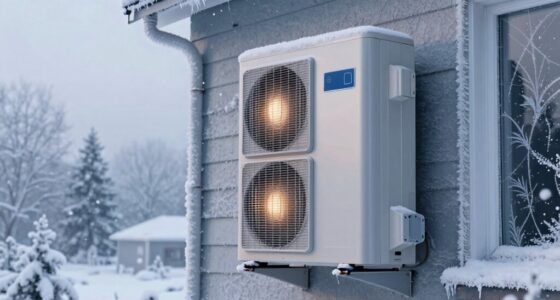
Better maintenance is a key energy strategy because it keeps your equipment running efficiently, using less power and reducing waste. By regularly inspecting, cleaning, and calibrating your machinery, you prevent breakdowns and catch inefficiencies early. This not only lowers energy bills but also extends equipment life and supports your sustainability goals. When you prioritize maintenance, you’re actively boosting energy savings and operational performance—learn more about how these strategies work together to optimize your energy use.

Turn the school run and nap time into listening time
- Thousands of audiobooks, podcasts and originals
- Listen on your phone, tablet or Echo — also offline
- Cancel anytime
Key Takeaways
- Regular maintenance prevents equipment inefficiencies, reducing unnecessary energy consumption and optimizing operational performance.
- Proactive inspections identify issues early, avoiding energy-wasting malfunctions and ensuring consistent energy-efficient operation.
- Well-maintained machinery operates at peak efficiency, consuming less power for the same output and lowering energy bills.
- Integration of maintenance strategies with monitoring and predictive tools enhances early detection of energy losses.
- Maintenance supports sustainability goals by extending equipment lifespan and decreasing overall energy footprint.

Although it might seem unrelated at first glance, better maintenance is actually a powerful energy strategy. When you prioritize regular upkeep of your equipment, you’re not just extending its life—you’re also making your entire operation more energy-efficient. Proper maintenance ensures that machinery runs at peak levels, consuming less power and reducing unnecessary energy waste. This directly impacts your energy consumption, helping you cut costs and lower your environmental footprint. In essence, taking care of your equipment isn’t just about avoiding breakdowns; it’s about making sure every component performs efficiently, which saves energy in the long run.
Regular maintenance boosts energy efficiency, lowers costs, and extends equipment lifespan for a more sustainable operation.
By maintaining your equipment well, you markedly enhance its lifespan. When machines are kept clean, lubricated, and properly calibrated, they don’t have to work harder than necessary. This means fewer breakdowns and less downtime, but it also means the equipment doesn’t need to draw extra power to compensate for wear and tear. Over time, this improved durability translates into less frequent replacements, which is a key factor in cost reduction. You save money not only on new equipment but also on repair costs and energy bills, because well-maintained machinery operates more efficiently and consumes less energy during its extended service life.
Another benefit of better maintenance is the reduction of inefficiencies caused by dirt, corrosion, or misalignment. These issues cause equipment to operate below peak efficiency, which increases energy consumption. When you regularly inspect and service your equipment, you catch problems early before they escalate into major energy drains. This proactive approach ensures your machinery maintains high performance levels, which is vital for controlling energy costs. Over time, these small, consistent efforts accumulate into notable savings, making your operations more sustainable and less costly. Additionally, understanding and addressing energy losses through proper maintenance can significantly amplify these savings. Incorporating monitoring systems can further help identify hidden inefficiencies, ensuring your equipment remains optimized. Implementing predictive maintenance techniques can also help anticipate issues before they develop into energy-wasting problems.
In addition, well-maintained equipment often requires fewer adjustments and less troubleshooting, meaning less energy is wasted on unnecessary operations or corrections. This streamlined performance helps you maximize energy output relative to input, reinforcing your overall energy strategy. It’s a cycle: better maintenance leads to longer equipment lifespan, which in turn reduces costs and energy use. This synergy allows you to focus on efficiency improvements elsewhere, knowing your core machinery is operating at peak performance.
Furthermore, implementing preventive maintenance practices rooted in understanding the importance of equipment health can significantly amplify these energy savings. Ultimately, integrating regular maintenance into your operational routines isn’t just about prolonging equipment life or saving money. It’s a strategic move that enhances your energy efficiency, cuts costs, and supports sustainability goals. When you treat maintenance as an energy-saving tactic, you’re making a smart investment in the long-term health of your equipment and the environment.
Products Worth Considering

Dyson Gen5 Outsize Cordless Vacuum

DREAME D20 Air Plus Robot Vacuum and Mop

Blueair Signature SP1i Smart Air Purifier
As an affiliate, we earn on qualifying purchases.
Frequently Asked Questions
How Does Maintenance Impact Overall Energy Consumption?
Your maintenance practices directly impact energy consumption by preventing inefficiencies. Using predictive analytics, you can anticipate equipment issues before they escalate, guaranteeing maximum performance. Asset optimization keeps machinery running smoothly, reducing unnecessary energy use. When you prioritize proactive maintenance, you minimize downtime and energy waste, leading to significant cost savings and sustainability benefits. This strategic approach guarantees your equipment operates at peak efficiency, conserving energy and supporting your long-term goals.
What Are the Cost Benefits of Improved Maintenance Practices?
Imagine catching issues before they escalate—that’s the power of predictive analytics and improved maintenance scheduling. By doing so, you reduce costly repairs and downtime, leading to significant cost savings. Better maintenance practices optimize equipment efficiency, lower energy bills, and extend asset lifespan. You’ll see a quick return on investment, as fewer emergency repairs and energy waste translate into consistent financial benefits over time.
How Can Maintenance Reduce Greenhouse Gas Emissions?
You can reduce greenhouse gas emissions by optimizing equipment through regular, proactive maintenance. Equipment optimization guarantees machines run efficiently, minimizing energy waste and decreasing emissions. Well-maintained systems operate more cleanly and reliably, preventing excessive fuel consumption and emission spikes. By prioritizing emissions reduction through maintenance, you not only lower your carbon footprint but also enhance overall energy efficiency, creating a sustainable approach that benefits both the environment and your operational costs.
What Technologies Support Energy-Efficient Maintenance?
Imagine a world where machinery whispers its needs before breaking down. That’s what predictive analytics and IoT sensors do—they monitor equipment in real-time, catching issues early. By analyzing data, these technologies optimize maintenance schedules, reducing energy waste and emissions. You benefit from fewer disruptions, lower costs, and a more sustainable operation. Embracing these tools turns maintenance into a proactive energy-saving strategy, transforming your approach from reactive to predictive.
How Often Should Maintenance Be Performed for Energy Savings?
You should perform maintenance regularly, ideally based on predictive analytics and maintenance scheduling. This approach helps you identify issues before they escalate, ensuring energy efficiency. Typically, schedule inspections and servicing monthly or quarterly, depending on equipment usage and manufacturer recommendations. By staying proactive with predictive analytics, you reduce energy waste, prevent breakdowns, and extend equipment lifespan, ultimately making your energy strategy more effective and sustainable.
Conclusion
By embracing better maintenance, you boost efficiency, eliminate excess energy waste, and empower your enterprise’s energy ethos. When you prioritize proactive upkeep, you prevent problems, prolong equipment life, and promote a powerful, sustainable, and smart energy strategy. Remember, maintenance isn’t just maintenance; it’s a mindful, meaningful move toward maximizing your energy management. So, seize simple solutions today, safeguard your systems, and step confidently into a cleaner, cost-effective, and conserving future.