
TL;DR
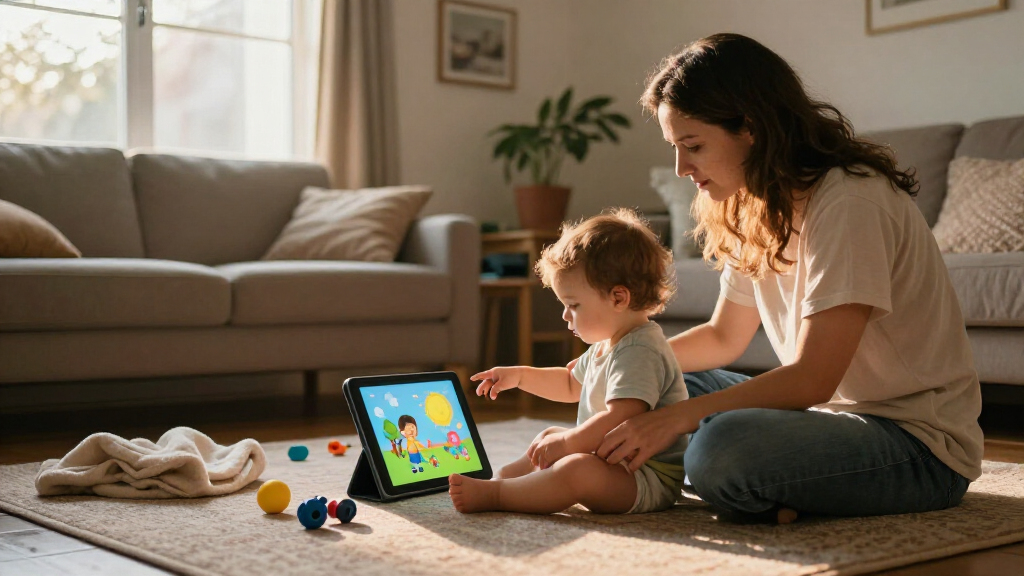
Amazon has released 8.7- and 11-inch Android tablets marketed for children as young as 3, promoting features including a child-sized handle, long battery life and generative AI products. A report by Oligarch Watch cites pediatric research linking screen exposure and device use for calming young children with developmental and behavioral concerns; those findings are associations, not proof that the tablets cause harm.
Amazon has released new touchscreen tablets marketed for children as young as 3, promoting them as a child’s first tablet and highlighting long battery life, portability and learning features. The launch has drawn scrutiny from pediatric researchers and Oligarch Watch, which point to studies associating screen exposure and use of devices to calm young children with developmental and behavioral concerns; the cited research does not establish that Amazon’s products cause those outcomes.

Turn the school run and nap time into listening time
- Thousands of audiobooks, podcasts and originals
- Listen on your phone, tablet or Echo — also offline
- Cancel anytime
The new Amazon Kids Tablets are Android devices with 8.7-inch or 11-inch screens, according to the report. Amazon describes them as age-appropriate for children as young as 3 and says they can help children learn colors, shapes and numbers. The company’s promotional material also emphasizes a protective case, a child-sized handle and battery life for travel, including flights and road trips.
Oligarch Watch interpreted the travel messaging as presenting the tablets as a way to keep toddlers seated or occupied. Amazon disputed that characterization. A spokesperson said the claim that the company’s all-day battery messaging was designed to help toddlers “remain seated” or stay “preoccupied” was inaccurate, while the report pointed to Amazon advertising that describes the battery as lasting “Enough for the flight” and “Enough for a road trip.”
Amazon said it develops products with input from organizations including ConnectSafely, Boston Children’s Hospital’s Digital Wellness Lab and the Family Online Safety Institute. Its sales page says blue-light filtering helps keep children’s eyes comfortable during long trips or in dim light. The report also notes that a 2025 study identified consistent handheld-device use as one predictor of nearsightedness; that finding does not show that this tablet or its filtering feature causes or prevents vision problems.
Design Meets Screen-Time Research
The debate is about more than the presence of a screen: it concerns how often young children use devices, whether adults rely on them to manage distress, and what activities screen time may displace. The research cited by Oligarch Watch raises questions for parents weighing a portable device promoted for independent use against time for sleep, play, movement and interaction with other people.
University of Michigan pediatrician and professor Jenny Radesky told the publication she is concerned about devices becoming a child’s “always-available buddy” for calming down or keeping quiet. She also questioned the tablet’s handle as a design choice that could encourage children to carry a screen everywhere. These are her concerns about potential patterns of use, not evidence that every child using the product will experience harm.
The commercial framing matters as well. Amazon markets the tablets around learning and creativity, while researchers cited in the report warn that screen exposure is associated with poorer outcomes in some areas. That tension makes it useful to distinguish product marketing from findings in population studies, which cannot by themselves establish what will happen to an individual child using a particular tablet.
Products Worth Considering

Hisense 43-Inch E6 Cinema Series Hi-QLED 4K UHD Smart Fire TV (43E6QF)

Hisense 40-Inch QD4SR Series Hi-QLED FHD Roku Smart TV

Dyson Purifier Hot+Cool HP2 De-NOx
As an affiliate, we earn on qualifying purchases.
What the Cited Studies Found
A meta-analysis published in JAMA Pediatrics, described in the source report as drawing on 23 meta-analyses and more than 2.8 million children across age groups, found associations between screen exposure and lower overall academic achievement and language development, as well as higher reported behavioral, emotional and peer problems. Those are associations across research, not proof that screen use alone caused the outcomes. University of Calgary psychology professor Sheri Madigan told CNN that screens are not “inherently bad for children,” but may crowd out sleep, physical activity, human connection, learning and play.
Radesky also led a 2022 study of 422 children ages 3 to 5. It associated mobile-device use for calming with lower executive functioning and greater emotional reactivity. The study authors cautioned that frequent use of devices to calm young children may reduce opportunities to learn emotion-regulation strategies over time. The report also flags Amazon’s made-for-kids generative AI products: Radesky warned that AI applications doing much of a child’s creative work could affect independent thinking. The source does not provide details about the specific AI features or how children would use them.
“Kids want a real tablet, not a toy.”
— Amazon, in its product announcement, as quoted by Oligarch Watch
Questions About Use and Evidence
The source material does not give an exact release date, sales figures or details about the tablets’ parental controls, default settings, subscription requirements or safeguards for generative AI features. It also does not specify how long children are expected to use the devices or how frequently the AI tools will be available.
The research described concerns screen exposure and device use across groups of children; it does not test these new Amazon tablets or establish that their handle, battery life, blue-light filter or learning content will produce a particular health or developmental outcome. Amazon’s statement identifies outside organizations it says informed its product development, but the report does not detail their role or the research they provided. The company’s disagreement about the meaning of its travel advertising also remains a point of interpretation.
Details Parents May Want
The next practical developments to watch are fuller product information from Amazon, including the tablets’ parental controls, AI features, age guidance and how families can set limits on use. The source report does not identify a further company response, planned study or regulatory action.
For now, the reported launch and the competing characterizations of its marketing are the confirmed development. The studies cited add relevant evidence about screen use in children, but they do not settle how these particular devices will affect users. Parents considering a tablet can compare its stated features and controls with their child’s needs and seek guidance from a pediatrician about age-appropriate media use.
Key Questions
What tablets did Amazon release?
Amazon released 8.7-inch and 11-inch Android tablets marketed as Amazon Kids Tablets for children as young as 3. The report describes a protective case, a carrying handle and travel-focused battery-life advertising.
Did Amazon say the tablets are meant to keep toddlers seated?
No. Amazon’s spokesperson disputed that interpretation, saying the company did not claim the battery was designed to keep toddlers seated or preoccupied. Oligarch Watch cited advertisements referring to battery life as “Enough for the flight” and “Enough for a road trip.”
Do the cited studies prove these tablets will harm children?
No. The studies described in the report found associations between screen exposure or device use for calming and certain developmental, academic or behavioral outcomes. They did not test these Amazon tablets or prove that the devices cause those outcomes.
What is not yet known about the tablets?
The report does not provide an exact release date, sales figures or detailed information about parental controls, AI safeguards, default settings and subscription requirements. It also does not describe how often children are expected to use the devices.
Source: hn