
TL;DR

Get baby and family essentials delivered free — and shop member deals
- Fast, free delivery on millions of items
- Access to Prime Big Deal Days deals on October 6–7
- Prime Video, Amazon Music and more included
Educational toys for preschoolers boost cognitive, motor, and social skills. Recent innovations focus on tech, sustainability, and inclusivity, making play both fun and meaningful.
Picture your preschooler’s eyes lighting up as they stack colorful blocks or explore a tiny robot. Playtime isn’t just fun; it’s a powerful tool for early learning. But with shelves bursting with options, how do you pick toys that truly benefit your child’s growth?
In this guide, you’ll discover what makes a toy educational, recent trends shaping the market, and practical tips for choosing safe, engaging options. Whether you’re shopping for a 3-year-old or a 5-year-old, these insights will help you turn everyday play into a step toward a brighter future.
Choose toys that target multiple skills—problem-solving, motor control, language, and social-emotional skills—simultaneously.
Safety and age-appropriateness remain top priorities—always check labels and reviews before buying.
Mix traditional tactile toys with digital options for a balanced learning experience.
Sustainable, eco-friendly toys are not just good for the planet—they often last longer and are safer for your kid.
Stay updated on trends like AR, personalization, and social-emotional tools to give your child a cutting-edge yet safe play environment.
What Makes an Educational Toy Truly Boost Your Child’s Brainpower?
Educational toys are more than just bright colors and fun sounds. They are carefully crafted tools that enhance specific skills. For example, a set of stacking cups isn’t just for knocking down—each piece encourages fine motor control and spatial awareness. Similarly, puzzles teach problem-solving and patience.
But why does this matter? When toys target multiple skills simultaneously, they promote a more holistic development. For instance, a puzzle that requires matching shapes and colors not only sharpens visual discrimination but also encourages persistence and strategic thinking. This multi-faceted approach helps children build neural connections across different areas, leading to more integrated learning.
According to early childhood development experts, the most effective toys are those that combine cognitive, motor, and social-emotional elements. Think of them as multi-taskers; they make playtime a mini-lesson in disguise, reinforcing various skills without overwhelming the child. For example, a pretend kitchen set doesn’t just foster imagination—it also teaches sequencing, vocabulary, and sharing, laying a broad foundation for future learning. The deeper implication? Toys that integrate these elements can accelerate developmental milestones and foster a love for learning that lasts.
preschool educational toys for cognitive development
As an affiliate, we earn on qualifying purchases.
As an affiliate, we earn on qualifying purchases.
How to Pick Safe, Age-Appropriate Toys That Grow With Your Kid
- Check the recommended age range on the packaging. A toy designed for a 3-year-old might contain small parts or complex mechanisms unsuitable for a 1-year-old, posing safety risks. Choosing appropriately ensures your child can engage safely without frustration or danger.
- Look for non-toxic, BPA-free, and durable materials. Safety standards like ASTM or CE mark are crucial, but understanding why they matter is equally important. Non-toxic materials prevent poisoning or allergic reactions, while durability ensures the toy withstands rough handling, reducing the risk of breakage that could create hazards.
- Observe your child’s interests—if they love animals, select toys that feature their favorite creatures. This relevance boosts engagement, making play more meaningful and encouraging sustained interest, which is essential for skill development.
- Test the toy’s complexity. Simple shape sorters are perfect for toddlers to develop fine motor skills, but as your child grows, more challenging puzzles or construction sets can expand their problem-solving abilities. Matching the toy’s difficulty to your child’s developmental stage helps foster confidence and mastery, avoiding boredom or frustration.
- Read reviews focusing on safety and durability. A toy that breaks easily or has loose parts isn’t just a waste of money—it can pose safety hazards. Reliable reviews often highlight how well a toy holds up over time, providing peace of mind that your investment supports your child’s growth safely and effectively.
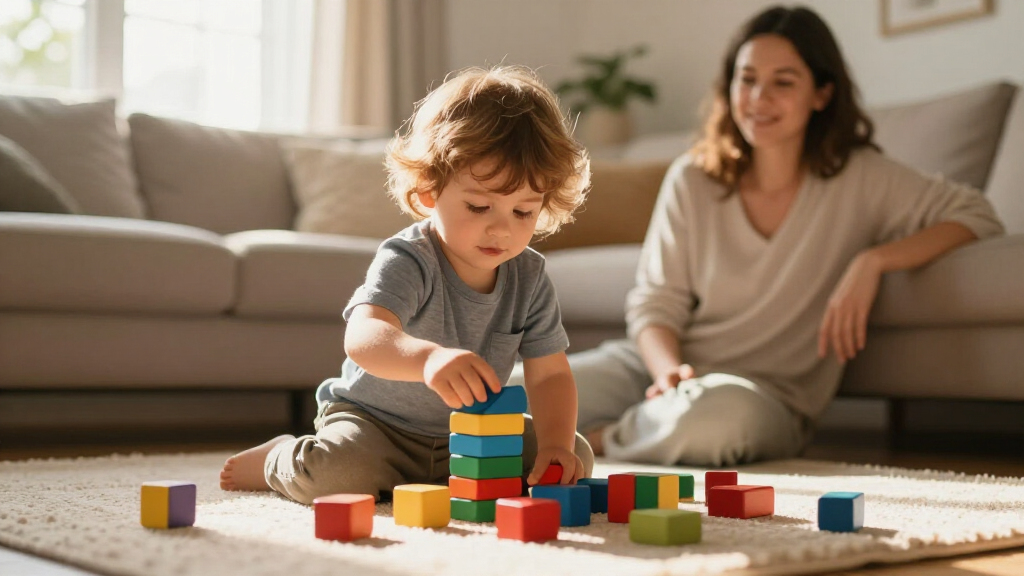
Imagine your 4-year-old eagerly building a tower of blocks. Choosing a sturdy set with smooth edges isn’t just about safety; it’s about enabling hours of creative, safe play that supports fine motor development, spatial reasoning, and confidence. Well-chosen toys are investments in your child’s developmental journey, giving them tools to explore and learn with less risk and more joy.
Digital or Traditional? Which Educational Toys Pack the Biggest Punch?
| Type | Advantages | Drawbacks |
|---|---|---|
| Traditional Toys | Encourage hands-on exploration, foster creativity, and develop fine motor skills. Examples include building blocks, art supplies, and pretend play sets. These tactile experiences help children understand physical properties, like weight and balance, which are foundational for STEM learning. | Less tech-driven, might lack interactivity for some kids, and can sometimes be less engaging if not matched to the child’s interests. |
| Digital Toys | Offer interactive learning, personalized challenges, and immediate feedback that can adapt to your child’s pace. Examples include tablets with educational apps or AR games. These tools can introduce complex concepts in engaging ways, fostering curiosity and technological literacy from an early age. | Potential for excessive screen time, which can hinder physical activity and social interaction; some digital toys may lack tactile engagement or pose privacy concerns, requiring careful selection and moderation. |
Both types serve important roles in development. Experts recommend a balanced approach—using digital tools to introduce new ideas and traditional toys to reinforce skills through physical, imaginative play. For example, a coding app can help children grasp logic, while building a robot with real parts teaches mechanical understanding and patience. This blend nurtures a well-rounded skill set, preparing children for diverse learning environments and future challenges.
Latest Trends in Preschool Educational Toys You’ll Want to Know About
Recent innovations are reshaping how preschoolers learn through play. One major trend is integrating technology with physical toys. Think AR-enhanced puzzles or smart plush toys that respond to touch, which create immersive, multisensory learning experiences. This fusion helps children connect digital concepts with tangible objects, deepening understanding and engagement.
Another hot trend is sustainability. Eco-friendly toys made from biodegradable plastics or sustainably sourced wood aren’t just better for the environment—they often encourage a sense of responsibility and environmental awareness from a young age. Moreover, these materials tend to be safer, reducing exposure to harmful chemicals and promoting healthier play environments.
Plus, personalized toys that adapt to your child’s learning pace are hitting the shelves. Imagine a puzzle that gets slightly harder as your child masters each level, or a robot that learns their favorite stories and themes—these foster intrinsic motivation and cater to individual developmental trajectories, making learning more effective and enjoyable.
Finally, there’s a growing emphasis on social-emotional learning (SEL). Toys designed to teach empathy, cooperation, and emotional regulation—like plush dolls that express feelings or games that require turn-taking—are becoming integral to early childhood education. These tools help children develop essential life skills alongside cognitive abilities, ensuring well-rounded growth and better peer interactions.
What Features Should You Look for in the Best Educational Toys?
- Age-appropriate complexity that matches your child’s developmental stage, ensuring the toy neither overwhelms nor under-stimulates, which is critical for sustained engagement and learning. Toys that are too simple may bore your child, hindering cognitive growth, while overly complex toys can lead to frustration and disengagement. Striking the right balance encourages persistent exploration and confidence-building, which are vital for long-term development.
- Variety of skills targeted, from motor control to language and social skills, because a diverse skill set supports comprehensive development and prepares children for various challenges. Toys that focus on multiple domains help create neural connections across different areas, fostering adaptability and resilience. For example, combining a puzzle that develops spatial reasoning with storytelling activities enhances both cognitive and language skills simultaneously.
- Durable, non-toxic materials that withstand rough handling, preventing safety hazards and reducing the need for frequent replacements, which makes play safer and more economical. Choosing high-quality materials reflects an understanding of safety standards and long-term value, ensuring that your investment supports ongoing growth without exposing your child to harmful substances or breakage risks.
- Encourages open-ended play—think building blocks or art supplies—rather than just pre-programmed activities, as this fosters creativity, problem-solving, and independent thinking. Open-ended toys allow children to imagine, experiment, and develop their unique ideas, cultivating intrinsic motivation and adaptability, which are essential skills in an ever-changing world.
- Inclusivity features—diverse characters and themes that reflect a broad world—help children develop empathy and understanding of different cultures, promoting social awareness and inclusivity from a young age. Exposure to diverse representations through toys lays the groundwork for acceptance and respect, shaping socially responsible individuals capable of navigating multicultural environments.
For example, a set of multicultural dolls with different skin tones and stories can teach children about diversity while they role-play, fostering acceptance and cultural awareness. These features not only enhance learning but also shape positive attitudes and social skills that last a lifetime.
Frequently Asked Questions
What are the best educational toys for 3- to 5-year-olds?
Look for toys that develop fine motor skills, like building blocks or puzzles, and those that encourage imaginative play, such as pretend kitchens or dress-up sets. Digital options like interactive storybooks can also boost language skills.
How do I choose safe and age-appropriate toys?
Always check the recommended age on packaging, look for safety certifications like ASTM or CE, and choose non-toxic, durable materials. Reading reviews can also reveal how well a toy holds up and if it’s truly safe for your child.
Are digital or electronic toys beneficial or harmful for preschoolers?
Digital toys can boost learning when used in moderation, offering interactive challenges and personalized feedback. However, balancing screen time with tactile, real-world play is key—think of digital tools as supplements, not replacements.
How can educational toys support my child’s learning at home?
Use a variety of toys to target different skills—mix puzzles, art projects, and simple STEM kits. Play alongside your child to guide their exploration and turn play into meaningful learning moments.
What are some eco-friendly or sustainable options?
Look for toys made from biodegradable plastics, sustainably sourced wood, or recycled materials. Brands focusing on eco-friendly production are increasingly available and often meet strict safety standards.
Conclusion
Smart playtime isn’t about flashy gadgets; it’s about choosing toys that genuinely help your preschooler grow. Focus on safety, engagement, and skill-building, and you’ll turn every moment into a mini-lesson in disguise.
Remember, the best educational toys spark curiosity, encourage exploration, and make learning feel like play. When your child reaches for that colorful block or plush animal, you’re giving them a tiny step toward lifelong learning—and that’s a gift worth giving.
Cold & flu season Picks
humidifiers
As an affiliate, we earn on qualifying purchases.