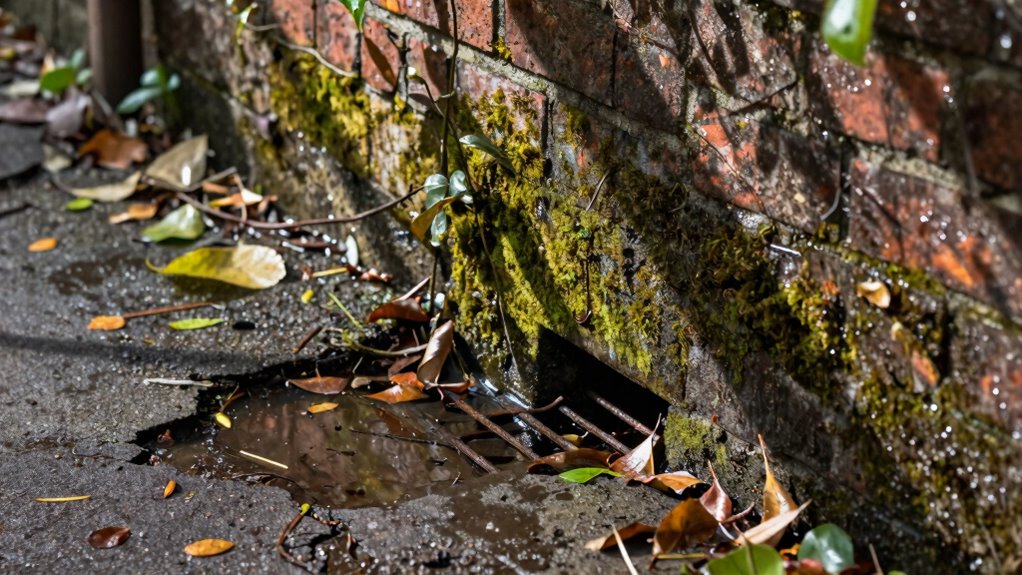

You’re most likely to trap moisture and pollutants in home zones with poor airflow, sealed surfaces, and dense landscaping that blocks air movement. Areas like patios, driveways, and spots with asphalt or concrete reflect heat and trap moisture underneath. Potted plants, outdoor furniture, and tight landscaping can also restrict airflow and cause dampness. To reduce these issues and create healthier outdoor spaces, understanding these factors will help you find effective solutions and improve your environment.

Turn the school run and nap time into listening time
- Thousands of audiobooks, podcasts and originals
- Listen on your phone, tablet or Echo — also offline
- Cancel anytime
Key Takeaways
- Enclosed or poorly ventilated indoor areas with limited airflow tend to trap moisture and pollutants.
- Densely landscaped outdoor zones with blocked airflow and minimal permeable surfaces retain moisture and airborne contaminants.
- Sealed surfaces like concrete, asphalt, and pavers reflect heat and trap underlying moisture, promoting mold growth.
- Areas with dense outdoor furniture or landscaping that block airflow hinder proper ventilation and moisture escape.
- Zones lacking adequate drainage and ventilation, such as paved driveways or patios, are prone to moisture buildup and pollutant accumulation.
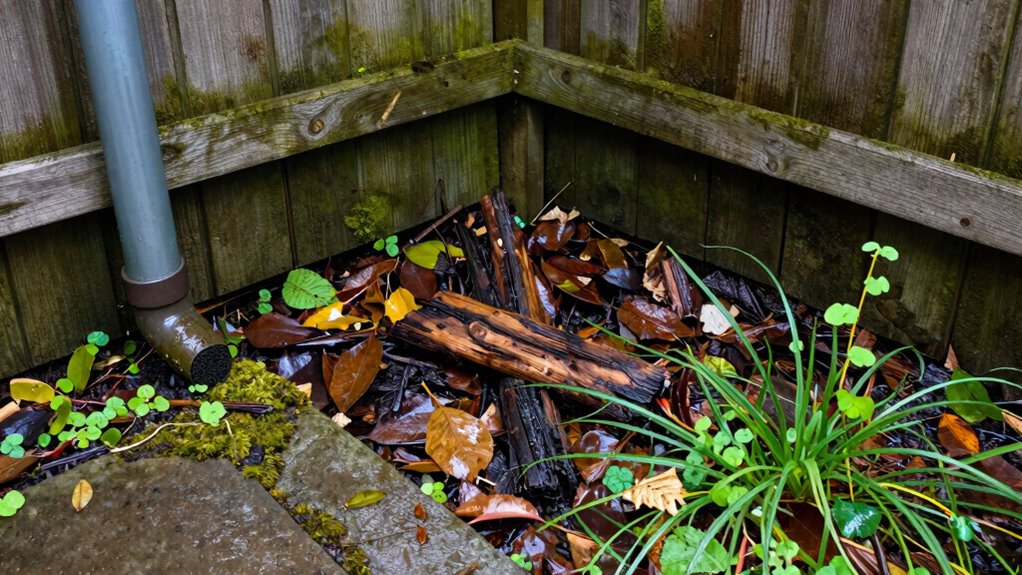
Although home zones aim to create safer and more accessible spaces, they can inadvertently trap moisture and pollutants. When designing these areas, poor air circulation often becomes a hidden problem that leads to moisture buildup. Without proper ventilation, moisture from rain, dew, or daily activities can accumulate on surfaces, creating a damp environment that’s hard to dry out. This moisture doesn’t just sit idle; it fosters mold growth, weakens building materials, and can even cause structural issues over time. If you notice persistent dampness or a musty smell, it’s a clear sign that air circulation isn’t effective enough to disperse excess moisture.
Poor air circulation in home zones leads to moisture buildup, mold, and structural damage over time.
In many home zones, the layout and materials used can contribute to poor airflow. For example, densely packed landscaping or outdoor furniture can block natural ventilation pathways, trapping warm, humid air close to surfaces. When air isn’t flowing freely, pollutants like dust, pollen, or pet dander tend to settle and linger longer than they should. This can degrade indoor air quality, especially if your home zone is poorly ventilated or lacks adequate exhaust systems. Over time, these pollutants can accumulate, making the space less healthy and harder to breathe comfortably. Incorporating proper ventilation during the design phase can significantly improve airflow and reduce these issues.
You might also find that certain construction choices increase the likelihood of moisture and pollutant buildup. For instance, sealed surfaces such as concrete or asphalt can reflect heat and trap moisture underneath, especially if there’s little room for air to circulate. If you have a paved driveway or a compacted patio, the lack of gaps or permeable materials prevents air from moving beneath the surface, trapping heat and moisture. This environment becomes a breeding ground for mold, mildew, and even pests, which thrive in damp conditions. Understanding how air circulation impacts moisture control is crucial in designing healthier outdoor zones. Incorporating permeable materials can significantly improve drainage and reduce moisture retention. Additionally, considering ventilation strategies during the design process can help prevent these issues from developing initially. Regularly inspecting and maintaining drainage systems is also essential to keep moisture levels in check and preserve the integrity of your outdoor space.
Products Worth Considering

Philips Hue Smart Light Starter Kit with Bridge and 4 White and Color A19 Bulbs

Ring Alarm 14-Piece Kit

Philips Hue Festavia Permanent Outdoor String Lights, 80 Lights, 150 ft
As an affiliate, we earn on qualifying purchases.
Frequently Asked Questions
How Can I Identify Moisture-Prone Areas in My Home?
You can identify moisture-prone areas by inspecting for signs like mold, mildew, or a musty smell. Focus on spaces with poor ventilation, such as bathrooms, basements, and kitchens. Improve ventilation by installing exhaust fans or ventilation improvements. Check for leaks or condensation, and consider adding moisture barriers in vulnerable spots. Regularly monitoring these areas helps prevent moisture buildup and keeps your home healthier.
What Are the Health Risks of Trapped Pollutants Indoors?
You should know that poor indoor air quality increases respiratory issues by up to 30%. Trapped pollutants from sources like mold, dust, and chemicals can cause allergies, asthma, and other health problems. When these pollutants linger in moisture-prone areas, your exposure rises, risking long-term health effects. It’s essential to identify and improve ventilation and cleaning routines to reduce indoor pollutants and protect your health.
Are Certain Home Zones More Prone to Mold Growth?
Certain home zones are more prone to mold growth, especially areas with high humidity or poor airflow. You should focus on using mold-resistant materials in these zones, like bathroom or basement walls, and improve ventilation to reduce moisture buildup. Proper ventilation helps dry out damp spaces, preventing mold from thriving. Regularly maintaining these areas and addressing leaks promptly also plays a vital role in controlling mold growth.
How Often Should I Inspect These High-Risk Zones?
You should inspect high-risk zones at least once a month, like a vigilant lighthouse keeper watching for storm clouds. Use proper ventilation techniques to keep air flowing and humidity monitoring tools to spot excess moisture early. Regular checks help you catch issues before mold takes hold, ensuring your home stays dry and healthy. Don’t wait for a musty smell—be proactive, and your home will thank you with lasting comfort.
What Simple Steps Can Prevent Moisture Buildup?
To prevent moisture buildup, you should improve ventilation techniques by regularly opening windows or using exhaust fans, especially in high-risk zones. Consider using dehumidifier options to reduce humidity levels effectively. Keep an eye on damp areas, fix leaks promptly, and guarantee good airflow. These simple steps help control moisture, prevent mold growth, and keep your home safe and dry.
Conclusion
To keep your home safe and healthy, pay close attention to areas prone to trapping moisture and pollutants. Think of these zones as hidden pockets where trouble can hide, quietly brewing problems. By staying vigilant and maintaining good airflow and cleanliness, you can prevent damage and improve air quality. Remember, a well-maintained home is like a fortress—ready to keep out unwanted moisture and pollutants, ensuring your sanctuary stays fresh and comfortable.