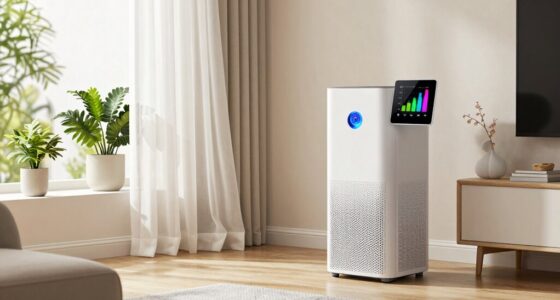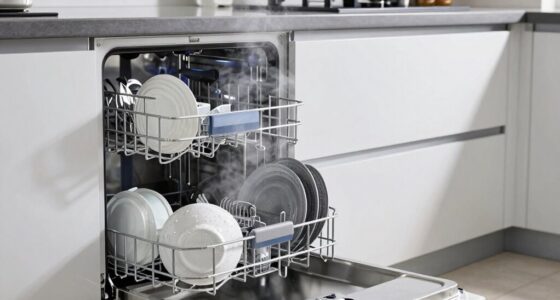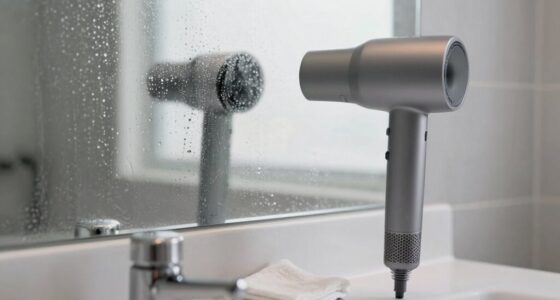

Your kitchen air can be much dirtier than you think due to fumes, smoke, and steam from cooking, which release airborne pollutants. If you don’t have proper ventilation, these contaminants—like VOCs and tiny particles—stick around and build up quickly, risking your respiratory health. Using air filters, exhaust fans, and opening windows can make a big difference. Keep exploring how to improve your kitchen’s air quality to breathe easier and protect your health.

Turn the school run and nap time into listening time
- Thousands of audiobooks, podcasts and originals
- Listen on your phone, tablet or Echo — also offline
- Cancel anytime
Key Takeaways
- Cooking fumes, steam, and smoke release airborne pollutants that can quickly accumulate in confined kitchen spaces.
- Poor ventilation traps indoor pollutants, increasing exposure and potential respiratory issues.
- Using air purifiers with HEPA and activated carbon filters effectively reduces particulate matter and VOCs.
- Properly ventilating during and after cooking with exhaust fans or open windows minimizes pollutant buildup.
- Regular maintenance of filters and monitoring air quality help sustain a cleaner, healthier kitchen environment.
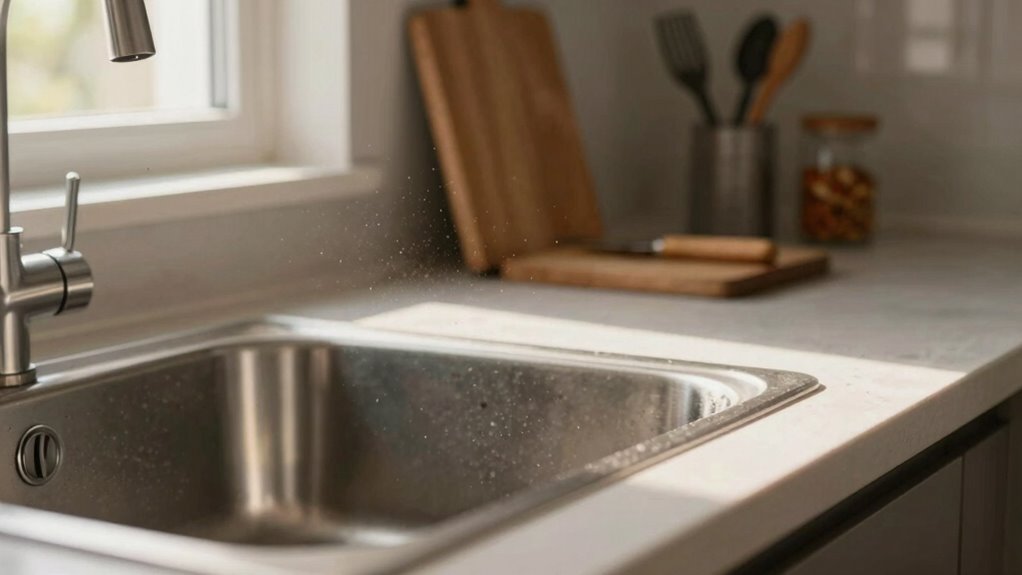
Many people assume that their kitchens are relatively clean spaces, but in reality, the air here can be dirtier than you think. Every time you cook, you’re releasing a variety of indoor pollutants into the air—fumes from frying, steam from boiling, and smoke from grilling all contribute to this. These pollutants include airborne particles, volatile organic compounds (VOCs), and other irritants that can diminish your indoor air quality. While you might focus on keeping countertops spotless, the air quality often gets overlooked, even though it’s just as important for your health. Additionally, indoor pollutants tend to accumulate quickly in the confined space of your kitchen, especially if there’s poor ventilation. Without proper air circulation, these pollutants linger, making the air you breathe potentially harmful. Prolonged exposure to airborne contaminants can lead to respiratory issues, allergies, and even asthma flare-ups. This is why addressing indoor pollutants is essential, and effective air filtration becomes a key part of maintaining a healthier indoor environment. Air filtration systems serve as your frontline defense against these invisible threats. High-quality air purifiers with HEPA filters can trap tiny particles, including dust, pet dander, and cooking smoke, before they reach your lungs. Activated carbon filters, on the other hand, excel at removing VOCs and odors that often linger after cooking spicy dishes or frying greasy foods. By investing in a combination of these filtration methods, you create a barrier that considerably reduces indoor pollutants, making your kitchen’s air safer to breathe. You might also consider the placement of your air filtration devices. Positioning them near cooking areas ensures they actively capture pollutants before they disperse throughout your home. Regular maintenance, like changing filters as recommended, keeps your air filtration system functioning at peak efficiency. Also, don’t forget to use exhaust fans or open windows whenever possible—ventilation is key to carrying away airborne contaminants and reducing their concentration. Proper ventilation and airflow not only improves air quality but also helps prevent the buildup of pollutants over time. Implementing air quality monitoring can help you track pollutant levels and adjust your ventilation strategies accordingly. Additionally, choosing appliances and cleaning products with low emissions can further reduce the introduction of pollutants into your kitchen environment.
Products Worth Considering

Levoit Vital 100S-P Air Purifier with Washable Pre-Filter

Levoit Eleva 300X Air Purifier with Sealed HEPA Filtration

LEVOIT Vital 200S-P Smart Air Purifier for Large Rooms, White
As an affiliate, we earn on qualifying purchases.
Frequently Asked Questions
How Often Should I Clean My Kitchen Exhaust Fan?
You should clean your kitchen exhaust fan at least once every three months. Regular exhaust fan maintenance helps remove grease and dust buildup caused by cooking fumes, ensuring it runs efficiently and keeps your air clean. If you cook frequently or notice reduced airflow, clean it more often. Staying on top of exhaust fan maintenance not only prolongs its lifespan but also improves indoor air quality by effectively ventilating cooking fumes.
Can Kitchen Air Purifiers Eliminate All Airborne Contaminants?
Kitchen air purifiers can’t eliminate all airborne contaminants because of their limitations. While they effectively reduce common contaminant types like smoke, odors, and some allergens, they struggle with gases, bacteria, or airborne viruses. You should still guarantee good ventilation and regular cleaning. An air purifier helps improve air quality, but it’s not a complete solution, so understanding its limitations is key to maintaining a healthier kitchen environment.
Do Natural Cleaning Products Improve Indoor Air Quality?
Think of natural cleaning products as a gentle breeze clearing away dust rather than a storm. They often improve indoor air quality because they use natural ingredients, reducing chemical concerns that can linger and cause irritation. By choosing these, you minimize exposure to harsh chemicals, making your kitchen air cleaner and healthier. It’s like swapping smoke for fresh air, allowing you to breathe easier and feel more comfortable in your space.
Are Certain Cooking Methods Safer for Indoor Air Quality?
Certain cooking methods are safer for your indoor air quality, especially when you avoid cooking smoke and grease buildup. Using a microwave or slow cooker produces less smoke and reduces airborne grease particles. Venting properly with range hoods or open windows also helps, as it minimizes smoke and grease residues that can worsen indoor air quality. Opting for these methods keeps your kitchen air cleaner and healthier.
How Does Humidity Affect Kitchen Air Cleanliness?
Balancing humidity levels in your kitchen is essential for maintaining air quality. When humidity is too high, it fosters mold growth, which can subtly degrade the air you breathe. Conversely, very low humidity can dry out the air, making it uncomfortable. Keep humidity levels in check, ideally between 30-50%, to prevent mold and promote a fresh, healthy environment. Proper ventilation and dehumidifiers can help you achieve this harmony effortlessly.
Conclusion
You might think cleaning your kitchen keeps the air fresh, but it’s not enough. Even with regular tidying, airborne particles from cooking and cleaning products can still linger. Don’t dismiss the importance of good ventilation or air purifiers—they’re simple, effective solutions. Improving your kitchen’s air quality isn’t complicated, and it’s worth it for your health. After all, you deserve a space where every breath is clean and safe.