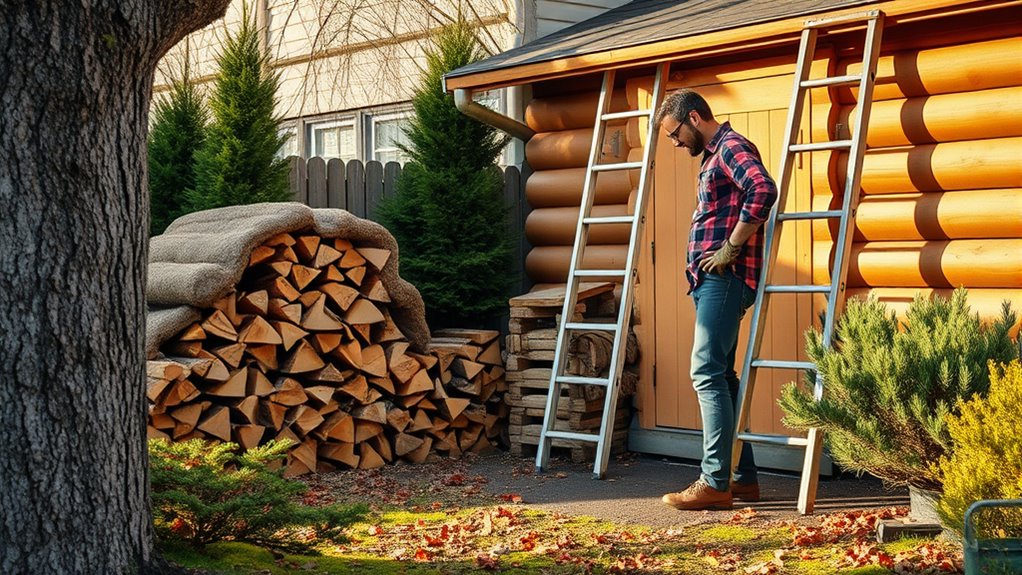

To prepare your home for winter, start by inspecting and upgrading insulation in your attic, walls, and basement to keep heat inside. Seal gaps around windows and doors to prevent drafts, and insulate pipes in unheated areas to prevent freezing. Service your heating system and clear gutters to avoid ice dams. Don’t forget to check your roof for damage. Taking these steps now will help you stay warm, safe, and save energy all winter long—discover more tips to perfect your home prep.
Key Takeaways
- Insulate attic, walls, and basement, and seal gaps around windows and doors to reduce heat loss.
- Identify and seal drafts around windows and doors for improved energy efficiency.
- Insulate pipes in unheated areas and set thermostats to prevent freezing.
- Service heating systems, clean gutters, and inspect roofs to prevent winter damage.
- Seal cracks and gaps, and use analytics tools to optimize home energy performance.
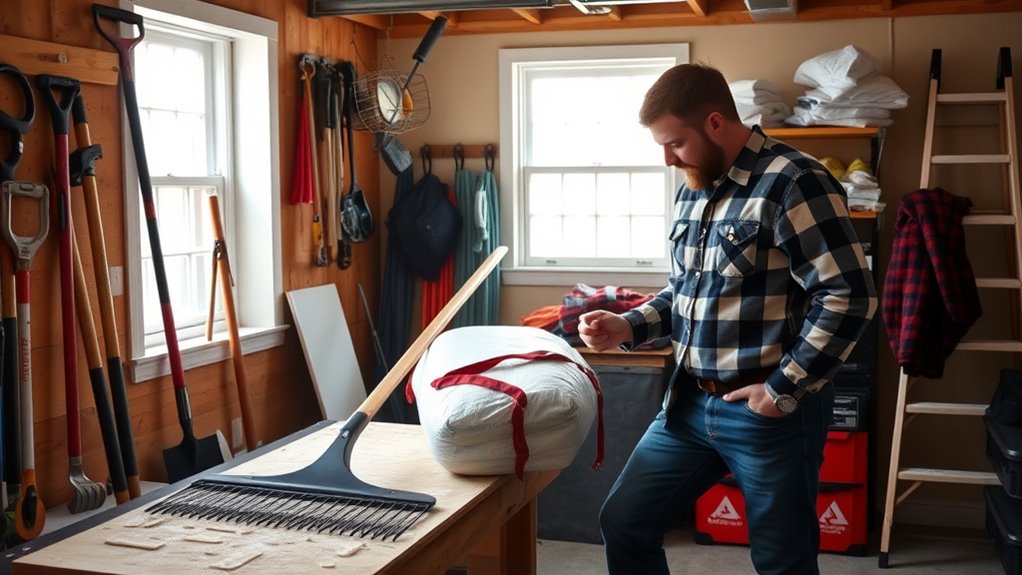
Winter is approaching, and it is essential to prepare your home to withstand the colder months. One of the most effective ways to do this is by investing in insulation upgrades. Improving your insulation helps keep the warm air inside and prevents cold drafts from sneaking in through gaps and leaks. Start by inspecting your attic, walls, and basement for existing insulation, and consider adding more if it’s inadequate. Upgrading your insulation can greatly reduce your heating bills and make your home more comfortable during winter. Don’t forget to check for areas where heat might escape, such as around windows and doors, and seal those gaps with weatherstripping or caulking. Proper insulation not only keeps your home warm but also protects your pipes from freezing. Incorporating analytics tools can help you identify problem areas and optimize your home’s energy efficiency during the winter months.
Speaking of pipes, pipe insulation plays an essential role in winter home maintenance. Exposed pipes are vulnerable to freezing when temperatures drop, which can lead to costly bursts and water damage. To prevent this, you should insulate pipes that run through unheated areas like garages, crawl spaces, and exterior walls. Pipe insulation sleeves or foam wraps are affordable and easy to install—simply slip them over vulnerable pipes and secure them in place. In addition to insulating the pipes, consider allowing a slow drip of water to run through your faucets during extremely cold nights. This minor effort keeps water moving and helps prevent freezing. If you’re going away for an extended period, set your thermostat to at least 55°F to avoid freezing pipes while you’re gone.
Beyond insulation, take some time to check your heating system, clean your gutters, and inspect your roof for any damage that could worsen with snow or ice accumulation. Clear gutters of leaves and debris to prevent ice dams, which can lead to leaks inside your home. Ensure your furnace or heat pump is serviced and functioning efficiently before the cold hits. Additionally, seal any cracks or gaps around windows and doors to keep cold air out and warm air in. Doing these small but essential tasks now will save you from emergency repairs later. Preparing your home for winter might seem like a lot of work upfront, but it pays off by keeping your home warmer, safer, and more energy-efficient throughout the season.
Top picks for "prepar winter home"
As an affiliate, we earn on qualifying purchases.
Frequently Asked Questions
How Often Should I Service My Heating System?
You should service your heating system at least once a year, ideally before winter hits. During this service, make certain your thermostat calibration is accurate so your system heats efficiently. Also, replace filters regularly—every 1-3 months—to keep airflow ideal and prevent strain on your system. Regular maintenance helps avoid unexpected breakdowns and keeps your home warm and comfortable all season long.
What Are Signs My Roof Needs Repair Before Winter?
You should schedule a roof inspection if you notice shingle damage, loose or missing shingles, or moss growth. Look for curled or cracked shingles, which indicate deterioration, and check for leaks or water stains inside your home. Addressing these issues early prevents leaks and further damage during winter. Regular inspections help catch problems before they worsen, ensuring your roof stays strong and durable through the cold months.
How Can I Prevent Frozen Pipes in Cold Weather?
To prevent frozen pipes, you should insulate your pipes with pipe insulation, especially those in unheated areas. Keep your home warm enough, ideally above 55°F, and let your faucets drip during extreme cold. Protect your faucets from freezing by installing faucet protection, like foam covers. These steps help maintain water flow and prevent pipes from freezing and bursting, saving you from costly repairs and water damage.
What Outdoor Maintenance Is Essential Before Snowfalls?
Before snowfalls, you should do a thorough garden cleanup to remove dead leaves and debris, which can clog gutters. Inspect your gutters for damage or blockages to make certain proper drainage and prevent ice dams. Clear your outdoor drains and check for any cracks or leaks. These steps help protect your home from winter weather, avoid water damage, and keep your property safe and well-maintained during the cold months.
Are There Eco-Friendly Options for Winter Home Insulation?
Yes, you can opt for eco-friendly materials like sheep’s wool, cellulose, or cork for sustainable insulation. These options keep your home warm and reduce environmental impact, but they also require careful installation to maximize efficiency. Imagine a cozy winter knowing you’re helping the planet—sustainable insulation not only protects your home but also supports eco-conscious living. Don’t wait; start exploring eco-friendly options now for a greener winter.
Conclusion
As winter approaches, think of your home as a sturdy ship ready to weather the storm. By taking these maintenance steps, you’re patching leaks, sealing drafts, and ensuring your house stands resilient against the cold. With each task you complete, you’re wrapping your home in a warm, protective embrace—like a cozy blanket on a frosty night. Prepare now, and you’ll sail smoothly through winter’s chill, safe and sound, all season long.