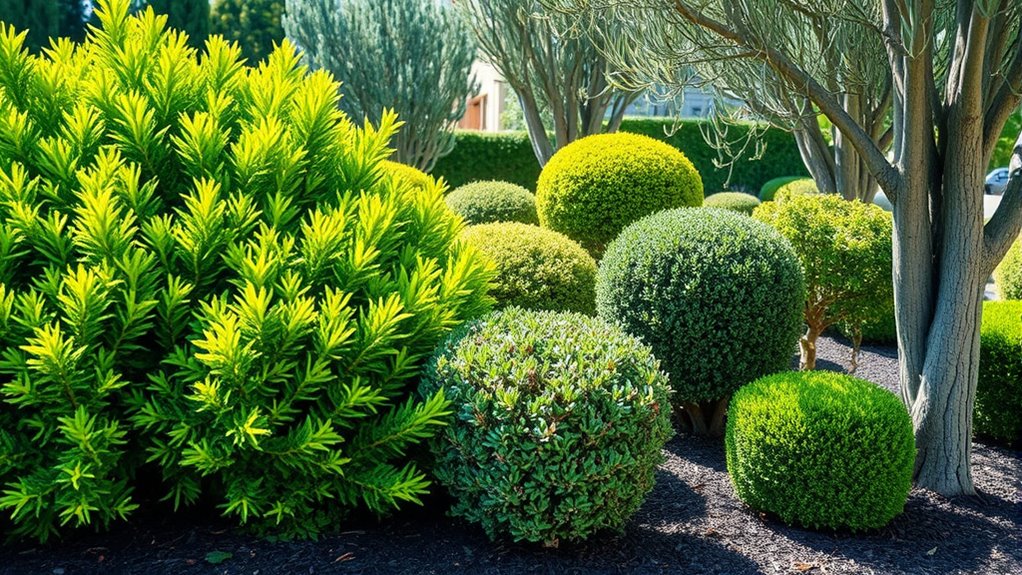

To choose low-maintenance shrubs and trees, focus on native species suited to your climate and soil conditions. These plants require less water, fertilizers, and pest control, making them easier to care for over time. Select healthy, regionally appropriate plants that blend well with your landscape design, and prune lightly to maintain their shape. Properly chosen native plants keep your garden resilient and beautiful with minimal effort—continue exploring how to make your garden both sustainable and low-effort.

Turn the school run and nap time into listening time
- Thousands of audiobooks, podcasts and originals
- Listen on your phone, tablet or Echo — also offline
- Cancel anytime
Key Takeaways
- Select native species adapted to your local climate and soil to reduce water, fertilizer, and pest management needs.
- Focus on low-maintenance shrubs and trees that require minimal pruning and are resilient to seasonal changes.
- Choose plants with natural growth habits to minimize pruning and support sustainable landscape design.
- Incorporate plants that support local pollinators and ecosystems, promoting a healthy, low-effort garden.
- Prioritize species with proven durability and low susceptibility to diseases for long-term, easy maintenance.
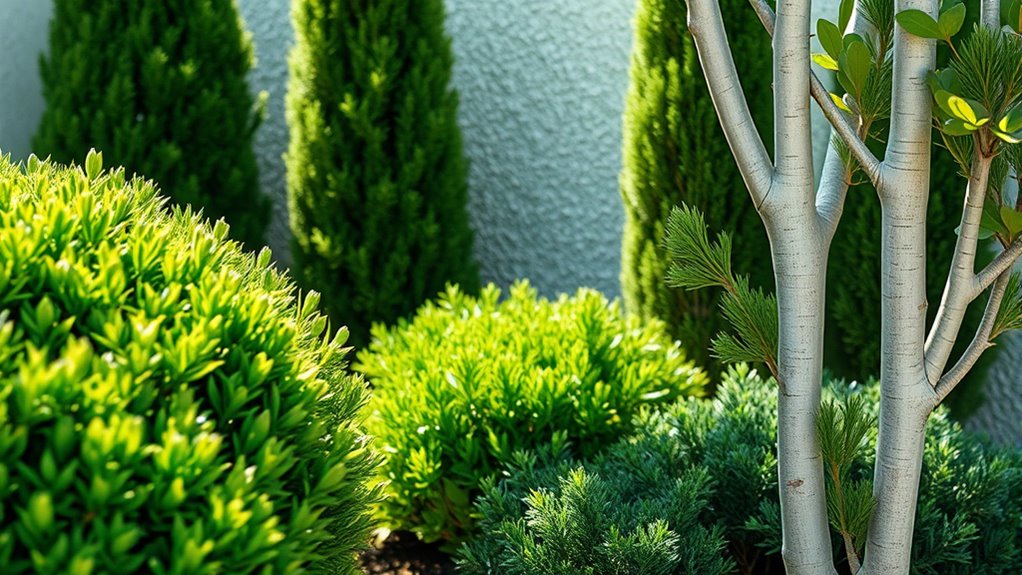
Selecting low-maintenance shrubs and trees can greatly simplify your gardening routine while enhancing your landscape’s beauty. When you focus on native plant selection, you choose species that are naturally adapted to your local climate and soil conditions. These plants typically require less water, fewer fertilizers, and minimal pest control, making them ideal for a low-effort garden. Native plants also tend to be more resilient and better suited to withstand seasonal changes, which reduces the need for frequent care. To maximize their benefits, learn about the specific varieties native to your region and incorporate them into your landscape design. This not only creates a more sustainable garden but also supports local ecosystems and pollinators.
Choose native, low-maintenance plants for a sustainable, resilient garden with minimal care.
Once you’ve selected appropriate native shrubs and trees, understanding proper pruning techniques becomes essential. Pruning helps maintain plant health, shape, and size while preventing disease and pest infestations. With low-maintenance plants, you’ll want to adopt simple pruning routines that don’t require intensive effort. For most native shrubs, annual or biannual light pruning to remove dead or damaged branches is sufficient. Use clean, sharp tools to make precise cuts, and always prune during the appropriate season—usually late winter or early spring—when plants are less vulnerable. Avoid heavy pruning that can stress the plant or lead to excessive growth, which would negate your goal of creating a low-maintenance landscape.
Familiarize yourself with specific pruning techniques tailored to each plant type. For example, some native shrubs respond well to thinning cuts, which help improve air circulation and encourage healthy growth. Others benefit from heading cuts, which promote bushier growth. When pruning trees, aim to remove crossing branches or those growing inward, maintaining a balanced structure. Keep in mind that over-pruning can set back a plant’s natural growth habit, so always prune thoughtfully and minimally. Remember, the goal is to keep your plants healthy and attractive without overextending your efforts.
Incorporating native plants and mastering simple pruning techniques will not only reduce your workload but also ensure your landscape remains vibrant and sustainable. By choosing the right species and caring for them properly, you create a garden that thrives with minimal intervention. This approach allows you to enjoy the beauty of your landscape without frequent, intensive maintenance. Over time, your yard will become a resilient, flourishing space where native plants flourish with just a little bit of your attention, saving you time and effort while providing lasting aesthetic appeal. Additionally, understanding the specific needs of native plants can help reduce maintenance requirements, making gardening more enjoyable and less labor-intensive.
Products Worth Considering

Shark Rocket Pet Plus Corded Stick Vacuum, Bordeaux, HV322

Dyson Ball Animal 2 Plus Corded Vacuum

Dyson Ball Animal Total Clean Upright Vacuum
As an affiliate, we earn on qualifying purchases.
Frequently Asked Questions
Which Shrubs and Trees Are Best for Shady Areas?
You should consider shade-tolerant species like Japanese pieris and mountain laurel for shady areas. They thrive with less sunlight and require minimal maintenance. Look for drought-resistant options such as sweet box and certain holly varieties, which handle dry, shady conditions well. These shrubs and trees will thrive in your yard without demanding too much attention, making your shady spots attractive and easy to care for.
How Do I Prevent Pests on Low-Maintenance Plants?
To prevent pests on low-maintenance plants, choose pest-resistant varieties whenever possible. Keep your plants healthy by watering properly and avoiding over-fertilizing, which can attract pests. Use natural pest control methods like introducing beneficial insects or applying neem oil as needed. Regularly inspect your plants for signs of pests so you can catch problems early. These simple steps help keep your plants healthy and pest-free with minimal effort.
Are There Specific Watering Needs for These Plants?
Did you know that over 60% of plant health issues stem from improper watering? For low-maintenance shrubs and trees, you should tailor your watering frequency to their soil moisture needs. Typically, these plants prefer deep, infrequent watering rather than frequent, shallow sessions. Check the soil regularly—if it feels dry a few inches down, it’s time to water. This approach keeps roots healthy without overdoing it, ensuring your landscape stays vibrant with minimal effort.
Can These Plants Tolerate Extreme Weather Conditions?
Many low-maintenance shrubs and trees are drought resistant and cold hardy, making them well-suited for extreme weather conditions. You’ll find that these plants tolerate droughts without extra watering and withstand cold temperatures, reducing your worries about seasonal changes. However, it’s still important to choose varieties suited to your specific climate and provide some initial care to ensure they thrive through harsh conditions.
What Is the Best Time to Plant Low-Maintenance Shrubs?
You should plant low-maintenance shrubs during seasonal planting times, typically in early spring or fall, to guarantee optimal growth. Before planting, prepare the soil by loosening it and adding organic matter, which helps the plants establish quickly. Avoid planting in extreme heat or cold, as this stresses the shrubs. By choosing the right season and preparing the soil properly, you give your shrubs the best start for long-term health.
Conclusion
Remember, a garden that’s easy to care for starts with smart choices. By selecting low-maintenance shrubs and trees, you save time and effort while still enjoying beautiful greenery. Think of your garden as a well-tended friend—if you plant the right companions, it’ll flourish with minimal fuss. As the saying goes, “A stitch in time saves nine.” Choose wisely now, and your outdoor space will reward you with effortless beauty all year round.