The Sennheiser HD 600 is my best overall pick for audiophile headphones, thanks to its open-back design and clear, balanced listening profile. The FiiO FT1 stands out as a closed-back wired choice, while the Sennheiser HDB 630 brings wireless convenience to serious listening. The main tradeoffs are open versus closed backs, wired fidelity versus wireless flexibility, and neutral tuning versus a more colored, engaging sound. Comfort, amplification needs, and noise isolation can matter as much as sound character. Read on for how all 15 options compare and which one fits your listening habits.

Turn the school run and nap time into listening time
- Thousands of audiobooks, podcasts and originals
- Listen on your phone, tablet or Echo — also offline
- Cancel anytime
Complete the kit


Key Takeaways
- The HD 600 leads for focused home listening: its open-back, wired design favors clear, balanced sound, but it offers little isolation and is not the best choice for noisy rooms.
- The FiiO FT1 fills a different gap from the open-back favorites: its closed-back construction makes it a more practical wired option when you want less sound leakage.
- Wireless models serve distinct priorities: the Px8 S2 and HDB 630 target audiophile-oriented wireless listening, while Momentum 4 adds long battery life and ANC for everyday use.
- Open-back does not automatically mean better for every listener: models such as the HD 560S, HD 505, and HD 599 suit different preferences and budgets, but all trade isolation for an open presentation.
- Studio models emphasize practical monitoring over a single audiophile sound: the DT 770 Pro X, ATH-M50x, HD 490 PRO, and MDR-7506 differ in fit, design, and intended workflow, so the right pick depends on use as much as tuning.
| FiiO FT1 32Ω Large Dynamic Driver Headphones with Solid Wood Cups |  | Best for Warm, Detailed Wired Listening | Impedance: 32Ω | Driver type: Large dynamic | Diaphragm material: Nano wood fibre composite: 90-year-old spruce and carbon fibre | VIEW ON AMAZON | See Our Full Breakdown |
| Bowers & Wilkins Px8 S2 Wireless Over-Ear Headphones, Onyx Black |  | Best Premium Wireless Pick | Driver size: 40 mm Carbon Cone | Audio processing: 24-bit DSP | Bluetooth: 5.3 with multipoint | VIEW ON AMAZON | See Our Full Breakdown |
| Sennheiser HD 569 Closed-Back Wired Headphones |  | Best for Shared Spaces and Calls | Design: Closed-back, over-ear | Transducers: 38 mm | Impedance: 23 ohms | VIEW ON AMAZON | See Our Full Breakdown |
| Sennheiser HD 505 Wired Open-Back Audiophile Headphones |  | Best for Spacious Open-Back Listening | Design: Open-back, over-ear | Connection: Wired | Cable length: 1.8 m | VIEW ON AMAZON | See Our Full Breakdown |
| beyerdynamic DT 770 Pro X 48 Ohm Closed-Back Studio Headphones |  | Best for Studio-Style Closed-Back Use | Design: Closed-back, over-ear | Impedance: 48 ohms | Connectivity: Wired, 3.5 mm headphone jack | VIEW ON AMAZON | See Our Full Breakdown |
| Sennheiser HD 600 Open-Back Wired Audiophile Headphones |  | Best for Natural Reference Listening | Type: Open-back, dynamic, over-ear headphones | Connectivity: Wired, detachable cable | Impedance: 300 ohms | VIEW ON AMAZON | See Our Full Breakdown |
| Sennheiser Momentum 4 Wireless Headphones, ANC, 60 Hr Battery, Black/Copper |  | Best Wireless for Travel | Battery life: Up to 60 hours | Charging: Fast charging via USB-C | Drivers: 42 mm transducers | VIEW ON AMAZON | See Our Full Breakdown |
| Audio-Technica ATH-M50x Professional Studio Monitor Headphones, Black | 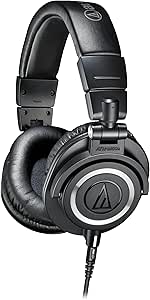 | Best for Closed-Back Monitoring | Brand: Audio-Technica | Model: ATH-M50x | Color: Black | VIEW ON AMAZON | See Our Full Breakdown |
| Sennheiser HD 560S Open-Back Over-Ear Wired Headphones |  | Best for Wide, Accurate Listening | Brand: Sennheiser | Model: HD 560S | Design: Open-back | VIEW ON AMAZON | See Our Full Breakdown |
| Sennheiser HD 490 PRO Open-Back Professional Headphones |  | Best for Mixing and Production | Design: Open-back | Frequency response: 5–36,000 Hz | Cable length: 1.8 m | VIEW ON AMAZON | See Our Full Breakdown |
| Sennheiser HDB 630 Wireless Audiophile Headphones with BTD 700 Bluetooth Adapter |  | Best Wireless for Detailed Listening | Driver size: 42 mm | Connectivity: Wireless Bluetooth and USB-C | Bluetooth codecs: aptX HD, aptX Adaptive | VIEW ON AMAZON | See Our Full Breakdown |
| Sennheiser HD 660S2 Open-Back Audiophile Headphones |  | Best for Focused Open-Back Listening | Design: Open-back, over-ear | Transducer size: 42 mm | Connectivity: Wired | VIEW ON AMAZON | See Our Full Breakdown |
| Sony MDR-7506 Professional Over-Ear Headphones | 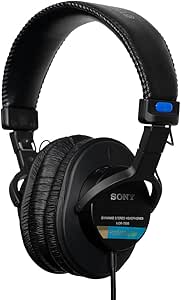 | Best for Studio Monitoring | Driver size: 40 mm | Frequency response: 10 Hz–20 kHz | Connectivity: Wired | VIEW ON AMAZON | See Our Full Breakdown |
| Meze Audio 109 Pro Over-Ear Open-Back Headphones |  | Best Premium, Repairable Pick | Driver: 50 mm dynamic | Impedance: 40 Ω | Ear cup material: Genuine walnut wood | VIEW ON AMAZON | See Our Full Breakdown |
| Sennheiser HD 599 Open-Back Wired Headphones, Ivory |  | Best for Comfortable Open-Back Entry | Type: Open-back, over-ear | Connectivity: Wired | Color: Ivory | VIEW ON AMAZON | See Our Full Breakdown |
| audiophile headphone | Design | Connectivity |
|---|---|---|
| FiiO FT1 32Ω Large Dynamic Dri | — | — |
| Bowers & Wilkins Px8 S2 Wirele | — | — |
| Sennheiser HD 569 Closed-Back | Closed-back, over-ear | Wired |
| Sennheiser HD 505 Wired Open-B | Open-back, over-ear | — |
| beyerdynamic DT 770 Pro X 48 O | Closed-back, over-ear | Wired, 3.5 mm headphone jack |
| Sennheiser HD 600 Open-Back Wi | — | Wired, detachable cable |
| Sennheiser Momentum 4 Wireless | — | — |
| Audio-Technica ATH-M50x Profes | Circumaural, sound-isolating | — |
| Sennheiser HD 560S Open-Back O | Open-back | Wired |
| Sennheiser HD 490 PRO Open-Bac | Open-back | — |
| Sennheiser HDB 630 Wireless Au | — | Wireless Bluetooth and USB-C |
| Sennheiser HD 660S2 Open-Back | Open-back, over-ear | Wired |
| Sony MDR-7506 Professional Ove | Closed-ear, foldable | Wired |
| Meze Audio 109 Pro Over-Ear Op | — | — |
| Sennheiser HD 599 Open-Back Wi | — | Wired |
More Details on Our Top Picks
FiiO FT1 32Ω Large Dynamic Driver Headphones with Solid Wood Cups
The FT1 is my pick for listeners who want a distinctive wired sound and flexible source connections. Its nano wood fibre composite diaphragm and W-shaped suspension are designed to support detailed, full-bodied playback; the 32Ω impedance also makes it a practical match for many everyday sources. Unlike the wireless Bowers & Wilkins Px8 S2, the FT1 skips noise cancellation and Bluetooth in favor of a straightforward listening setup, with both 3.5 mm and 4.4 mm cables included. That makes it more adaptable to compatible wired gear, though the balanced plug is useful only with a source that has a 4.4 mm output. The suede-padded adjustable headband adds a comfort-focused touch, but buyers who need to take calls, block surrounding noise, or listen cable-free should choose another model.
Pros:- Wood-fibre composite diaphragm and W-shaped suspension are designed for detailed, full-bodied sound
- Includes both 3.5 mm single-ended and 4.4 mm balanced cables
- 32Ω impedance suits a range of common wired sources
- Adjustable headband with suede padding supports a tailored fit
Cons:- Wired-only design lacks Bluetooth and active noise cancellation
- The 4.4 mm cable requires a compatible balanced output to be useful
Best for: Wired listeners who want a warm, detailed presentation and use sources with either 3.5 mm or 4.4 mm headphone outputs
Not ideal for: Commuters seeking Bluetooth, active noise cancellation, or a cable-free listening setup
- Impedance:32Ω
- Driver type:Large dynamic
- Diaphragm material:Nano wood fibre composite: 90-year-old spruce and carbon fibre
- Diaphragm thickness:0.1 mm
- Headband adjustment:0–11 notches
- Headband cover:Suede fabric
- Cable:Two 1.5 m oxygen-free copper cables with silver plating
- Connectors:3.5 mm single-ended and 4.4 mm balanced
Our verdict“Choose the FT1 if you want a warm-leaning wired headphone with flexible cable options, and skip it if wireless convenience is a priority.”
Bowers & Wilkins Px8 S2 Wireless Over-Ear Headphones, Onyx Black
The Px8 S2 is the most feature-rich choice in this group for listeners who want high-end audio without being tied to a headphone cable. Its 40 mm Carbon Cone drivers, 24-bit DSP, and dedicated DAC amplifier pair with Bluetooth 5.3, multipoint, active noise cancellation, and USB-C or 3.5 mm wired listening. Compared with the wired FiiO FT1, the Px8 S2 trades the FT1’s two included analogue cables for easier travel, device switching, and noise control. Up to 30 hours of playback and quick charging help make that flexibility usable day to day. Leather and die-cast aluminum give it a premium finish, but this complex wireless setup depends on battery power, and its noise-cancelling performance and runtime can vary with use. Choose it for an all-in-one commute and listening option, not a simple wired setup.
Pros:- 40 mm Carbon Cone drivers with 24-bit DSP and a dedicated DAC amplifier
- Bluetooth 5.3 multipoint plus USB-C audio and a 3.5 mm wired option
- Active noise cancellation supports listening in noisier surroundings
- Up to 30 hours of playback with a stated 15-minute fast-charge option
Cons:- Wireless listening depends on battery charge
- Noise-cancellation performance and battery life can vary with use
- More connectivity and processing features than listeners seeking a simple wired headphone may need
Best for: Listeners who want detailed wireless audio, active noise cancellation, and multipoint switching between devices
Not ideal for: Buyers who prefer a simple battery-free wired headphone or need longer playback than the stated up-to-30-hour runtime
- Driver size:40 mm Carbon Cone
- Audio processing:24-bit DSP
- Bluetooth:5.3 with multipoint
- Noise cancellation:Active, with 8 microphones
- Battery life:Up to 30 hours
- Fast charging:15 minutes provides up to 7 hours of listening
- Wired connections:USB-C audio and 3.5 mm cable
- Materials:Nappa leather and die-cast aluminum
Our verdict“Pick the Px8 S2 for premium wireless listening with noise cancellation and multiple connection choices, but choose the FT1 if you want a battery-free wired alternative.”
Sennheiser HD 569 Closed-Back Wired Headphones
The HD 569 suits listeners who need a closed-back headphone for home, portable use, and occasional calls, rather than an open design focused on a spacious presentation. Its closed-back earcups help limit sound leakage, while the included short cable adds an inline microphone and remote for call and music control. That makes it more practical for shared rooms than the open-back Sennheiser HD 505, though the HD 505 is the clearer match for buyers who prioritize an airy soundstage. The HD 569 also includes a longer 3 m cable with a 6.3 mm plug, giving it a more direct fit for some home audio setups. Its 23-ohm impedance and 38 mm transducers are specified, but there are no wireless features; choose it for flexible wired listening, not a commute where cables are unwelcome.
Pros:- Closed-back design helps limit sound leakage in shared spaces
- Includes a 1.2 m cable with inline microphone and remote
- Long 3 m cable with 6.3 mm plug supports stationary home setups
- Soft, replaceable ear pads
Cons:- Wired-only connectivity restricts movement compared with the Px8 S2
- Closed-back construction is less suited to listeners seeking the HD 505’s open presentation
Best for: Home listeners who need closed-back sound, a long cable for stationary listening, and an inline mic for calls
Not ideal for: Listeners seeking open-back spaciousness or wireless convenience
- Design:Closed-back, over-ear
- Transducers:38 mm
- Impedance:23 ohms
- Connectivity:Wired
- Long cable:3 m with 6.3 mm jack
- Short cable:1.2 m with 3.5 mm jack, inline microphone, and remote
- Ear pads:Soft and replaceable
Our verdict“Choose the HD 569 for versatile closed-back wired listening and calls, but look to the HD 505 if an open soundstage matters more.”
Sennheiser HD 505 Wired Open-Back Audiophile Headphones
The HD 505 is my choice for listeners who want an open presentation for music, audio work, or gaming and can listen in a quiet room. Its open-back design is intended to create a spacious soundstage, with clear mids, crisp highs, and controlled bass rather than the more enclosed experience of the Sennheiser HD 569. That openness comes with a clear limit: sound can escape and outside noise can intrude, so it is a poor fit for shared offices or commutes. A lightweight headband, reduced clamping force, and velour pads are aimed at longer sessions, while the 1.8 m cable gives reasonable reach without promising wireless freedom. The drawstring bag is convenient for storage, but the wired build remains less portable in daily use than the Px8 S2. Choose it for quiet-room listening, not isolation.
Pros:- Open-back design is intended to deliver a spacious soundstage
- Clear mids and crisp highs with controlled bass
- Lightweight headband, reduced clamping force, and velour ear pads suit longer sessions
- Includes a drawstring storage bag
Cons:- Open-back earcups let sound in and out, limiting use around other people
- Wired connection restricts movement compared with the Px8 S2
Best for: Home listeners, gamers, and audio workers who value an open, spacious presentation in a quiet environment
Not ideal for: Commuters or people in shared spaces who need isolation, privacy, or wireless listening
- Design:Open-back, over-ear
- Connection:Wired
- Cable length:1.8 m
- Plug:3.5 mm
- Ear pad material:Velour
- Included accessory:Drawstring bag
- Compatibility:HD 500 series cables and accessories
Our verdict“Choose the HD 505 for spacious wired listening in a quiet room, and choose the closed-back HD 569 when isolation matters more.”
beyerdynamic DT 770 Pro X 48 Ohm Closed-Back Studio Headphones
The DT 770 Pro X is aimed at listeners who want a closed-back wired headphone that can connect directly to common devices without requiring a separate headphone amp. Its 48-ohm impedance and 3.5 mm plug make it a more straightforward everyday match than setups that depend on a dedicated balanced output, such as the FiiO FT1’s 4.4 mm cable. In a recording environment, the closed-back design helps reduce headphone bleed, while the detachable mini-XLR cable makes cable replacement easier than on a fixed-cable design. Replaceable velour pads also support longer-term upkeep. Unlike the open-back Sennheiser HD 505, this beyerdynamic model better suits spaces where sound leakage is a concern, but it gives up the open design’s spacious presentation. It remains fully wired, and its 3 m cable may feel cumbersome for mobile use.
Pros:- 48-ohm drivers are specified for use with laptops, phones, interfaces, and consoles without a headphone amp
- Closed-back design helps reduce headphone bleed while recording
- Detachable 3 m mini-XLR cable is replaceable
- Replaceable velour ear pads and included carrying bag
Cons:- Wired-only design limits freedom of movement compared with the Px8 S2
- The 3 m cable may be unwieldy for portable listening
- Closed-back design does not offer the open presentation of the HD 505
Best for: Home-recording users and wired listeners who need closed-back isolation and a headphone that works with common devices
Not ideal for: Buyers who want Bluetooth, a short portable cable, or an open-back presentation for quiet-room listening
- Design:Closed-back, over-ear
- Impedance:48 ohms
- Connectivity:Wired, 3.5 mm headphone jack
- Cable:Detachable 3 m mini-XLR
- Ear pads:Replaceable velour
- Included:Headphones, detachable cable, and carrying bag
- Origin:Handmade in Germany
- Warranty:2 years
Our verdict“Choose the DT 770 Pro X for practical closed-back studio and everyday wired use, but skip it if you need wireless mobility or an open soundstage.”
Sennheiser HD 600 Open-Back Wired Audiophile Headphones
The HD 600 is the reference-minded pick here: its natural, detailed presentation and spacious stereo image suit close listening, studio work, and mastering. Compared with the HD 560S, it is the better fit for listeners prioritizing a balanced, familiar reference sound over the newer model’s emphasis on wide staging and extended low-end reach. Its 260 g weight and plush pads support long sessions, while the detachable reinforced cable makes replacement straightforward. The tradeoff is the open-back design: sound escapes and outside noise comes through, so it is poorly suited to commuting or shared rooms. At 300 ohms, it may also need a headphone amplifier to reach comfortable levels from some sources, and it has no built-in microphone.
Pros:- Natural, detailed presentation with spacious stereo imaging
- Lightweight 260 g build and plush ear pads suit extended sessions
- Detachable Kevlar-reinforced copper cable can be replaced
- Open metal mesh construction and optimized magnets are designed to minimize distortion
Cons:- Open-back cups provide little isolation and leak sound
- 300-ohm impedance may benefit from a dedicated headphone amplifier
- No built-in microphone for calls
Best for: Home listeners and audio professionals seeking a natural wired reference for focused listening, editing, or mastering
Not ideal for: Commuters, shared-office listeners, and buyers who need a microphone or want easy drive from every phone or laptop
- Type:Open-back, dynamic, over-ear headphones
- Connectivity:Wired, detachable cable
- Impedance:300 ohms
- Frequency response:12–39,000 Hz
- Total harmonic distortion:0.1%
- Weight:260 g
- Cable:Kevlar-reinforced oxygen-free copper
- Origin:Ireland
Our verdict“Choose the HD 600 for comfortable, natural reference listening at home, provided you can accommodate open-back leakage and its 300-ohm load.”
Sennheiser Momentum 4 Wireless Headphones, ANC, 60 Hr Battery, Black/Copper
The Momentum 4 Wireless is the practical choice for listeners who want serious sound without being tethered to a desk. Unlike the wired, open-back Sennheiser HD 600, it combines adaptive ANC and a transparency mode, making it far more useful on transport or in busy spaces. Its 42 mm drivers, aptX Adaptive support, and app EQ give you ways to shape playback, while up to 60 hours of battery life reduces charging interruptions on long trips. The foldable design and included case also make it easier to pack than a home-focused reference headphone. The compromise is that wireless convenience and noise control take priority over the open, unisolated listening experience of the HD 600. No water-resistance rating is specified, so I would not choose it for wet-weather use.
Pros:- Up to 60 hours of playback with fast USB-C charging
- Adaptive ANC and transparency mode suit travel and changing surroundings
- 42 mm transducers, aptX Adaptive, and app EQ offer flexible wireless listening
- Foldable design, carry case, and included wired accessories support travel
Cons:- Wireless and closed listening differs from the open, spacious presentation of the Sennheiser HD 600
- No water-resistance rating is specified
- Battery charging is required for wireless use
Best for: Frequent travelers and commuters who want wireless listening, adjustable sound, noise cancellation, and long battery life
Not ideal for: Listeners seeking a purely wired open-back reference setup, or buyers who need a stated water-resistance rating
- Battery life:Up to 60 hours
- Charging:Fast charging via USB-C
- Drivers:42 mm transducers
- Bluetooth codec:aptX Adaptive
- Noise cancellation:Adaptive ANC with transparency mode
- Microphones:Four digital beamforming microphones
- Included accessories:Carry case, USB-C charging cable, 3.5 mm to 2.5 mm audio cable, airplane adapter
Our verdict“Pick the Momentum 4 Wireless if noise control, portability, and long untethered listening matter more than an open-back reference setup.”
Audio-Technica ATH-M50x Professional Studio Monitor Headphones, Black
The ATH-M50x earns its place as the closed-back studio option for listeners who need isolation and practical monitoring features more than an open soundstage. Its around-ear design helps keep surrounding noise out, while 90-degree swiveling earcups make one-ear monitoring convenient for recording and DJ work. The 45 mm drivers are described as delivering clear sound with deep, accurate bass, giving this model a different emphasis from the open-back Sennheiser HD 560S, which is better suited to listening in a quiet room with more room around the presentation. The detachable cable adds flexibility for studio setups. That isolation makes the ATH-M50x less suitable if your priority is an airy, open listening experience; the supplied data also does not specify impedance or frequency response, so source matching is harder to judge from specs alone.
Pros:- Sound-isolating circumaural design helps in noisy recording spaces
- 45 mm drivers are described as providing clear sound and deep, accurate bass
- 90-degree swiveling earcups support one-ear monitoring
- Detachable cable adds flexibility for studio use
Cons:- Closed-back isolation gives a less open presentation than the Sennheiser HD 560S
- Impedance and frequency-response figures are not provided in the supplied specs
- No built-in wireless or noise-cancellation features are specified
Best for: Home-studio recordists, DJs, and listeners who need closed-back isolation and one-ear monitoring
Not ideal for: Audiophiles prioritizing open-back spaciousness or buyers who need published impedance and frequency-response figures before choosing
- Brand:Audio-Technica
- Model:ATH-M50x
- Color:Black
- Driver size:45 mm
- Design:Circumaural, sound-isolating
- Earcup feature:90-degree swiveling
- Cable:Detachable
- Warranty:2 years on parts and labor
Our verdict“Choose the ATH-M50x for practical closed-back studio monitoring and isolation, not for the open soundstage of a dedicated open-back headphone.”
Sennheiser HD 560S Open-Back Over-Ear Wired Headphones
The HD 560S suits listeners who want a natural, accurate sound with a broad sense of space and clear low-end reach. Its open-back design makes it a quiet-room headphone, much like the Sennheiser HD 600, but the HD 560S is specifically presented around wide soundstage, lifelike depth, and extended bass. That makes it a compelling choice for hearing placement and detail across recordings rather than for blocking out a busy environment. A wired 1/4-inch connection fits a home audio or studio setup, though it limits movement compared with the wireless Momentum 4. The main compromises are that outside sounds remain audible and the cable keeps you near your source. The listed 600 g weight is also worth checking against your comfort preferences for long sessions.
Pros:- Natural, accurate sound suits focused listening
- Wide soundstage and lifelike depth help convey spatial placement
- Extended low-end reach supports clear bass
- Wired 1/4-inch connection fits compatible home and studio equipment
Cons:- Open-back construction offers little isolation from surrounding sounds
- Wired connection restricts movement compared with the Momentum 4 Wireless
- Listed item weight is 600 g, which may not suit every listener for long sessions
Best for: Home listeners and audio learners who want an open, accurate presentation for focused listening or wired studio use
Not ideal for: Commuters, noisy-room listeners, and anyone seeking wireless freedom or strong sound isolation
- Brand:Sennheiser
- Model:HD 560S
- Design:Open-back
- Fit:Over-ear
- Connectivity:Wired
- Connector:1/4-inch
- Item weight:600 g
- Included components:Headphones, cable, user manual
- Warranty:2-year manufacturer warranty
Our verdict“Choose the HD 560S for spacious, accurate listening in a quiet home or studio, and skip it if isolation or wireless use is a priority.”
Sennheiser HD 490 PRO Open-Back Professional Headphones
The HD 490 PRO is the production-focused pick for buyers who want an uncolored response and precise localization for mixing. Its wide soundstage is intended to help distinguish placement across a mix, while two washable, replaceable ear-pad sets let producers adapt the headphones to different sessions and maintain them over time. That makes this a more explicitly work-oriented choice than the Sennheiser HD 600, which emphasizes natural reference listening and comfort for extended use. The included dearVR MIX-SE plugin adds a production tool to the package. This remains an open-back wired headphone, though, so room noise and sound leakage rule it out for many commutes or shared spaces. Buyers seeking ANC or a self-contained wireless option should look instead at the Momentum 4 Wireless.
Pros:- Uncolored frequency response is intended for accurate monitoring
- Wide soundstage supports precise localization while mixing
- Two switchable pad sets accommodate different production tasks
- Washable, replaceable ear pads and detachable cable support upkeep and setup flexibility
Cons:- Open-back design provides limited isolation and leaks sound
- Wired listening is less convenient for travel than the Momentum 4 Wireless
- Studio-focused features may be unnecessary for casual listening
Best for: Mixing and production professionals who work in quiet rooms and want precise localization, adaptable pads, and an included spatial-audio plugin
Not ideal for: Commuters, shared-office listeners, and buyers who need wireless playback or strong isolation
- Design:Open-back
- Frequency response:5–36,000 Hz
- Cable length:1.8 m
- Ear pads:Two switchable sets; washable and replaceable
- Included software:dearVR MIX-SE plugin
- Cable connection:Detachable; left and right ear jacks
Our verdict“Pick the HD 490 PRO for quiet-room mixing and production where localization and adaptable pads matter more than isolation or wireless convenience.”
Sennheiser HDB 630 Wireless Audiophile Headphones with BTD 700 Bluetooth Adapter
The HDB 630 is the wireless pick for listeners who want sound-shaping options and everyday noise control without giving up a focus on neutral tuning. Its 42 mm transducers are described as delivering detailed mids and a wide soundstage, while USB-C audio supports up to 24-bit/96 kHz for a wired digital connection. Compared with the open-back HD 660S2, the HDB 630 is better suited to shared spaces and travel: it adds adaptive ANC, transparency mode, and up to 60 hours of battery life, but cannot offer the same open-back listening setup.
The included BTD 700 adapter supports access to high-resolution wireless features where compatible, though device compatibility matters. The customizable parametric EQ gives careful listeners fine control, but takes more setup than a simple preset. I’d choose it for versatile, mobile listening, not for someone seeking a purely wired home headphone.
Pros:- Neutral tuning, detailed mids, and a wide soundstage
- USB-C audio supports up to 24-bit/96 kHz
- Adaptive ANC and transparency mode support listening in changing environments
- Up to 60 hours of battery life, with a 10-minute charge providing up to 7 hours
Cons:- Parametric EQ can take time to configure
- High-resolution wireless playback depends on compatible devices or the included adapter
- Wireless ANC convenience comes with a different listening approach from open-back wired alternatives
Best for: Listeners who want detailed, adjustable sound for commuting, work, and home use, with ANC and long battery life.
Not ideal for: Dedicated home listeners who prefer a wired open-back design, or buyers who do not want to check device compatibility or configure EQ.
- Driver size:42 mm
- Connectivity:Wireless Bluetooth and USB-C
- Bluetooth codecs:aptX HD, aptX Adaptive
- USB-C audio:Up to 24-bit/96 kHz
- Noise control:Adaptive ANC and Transparency Mode
- Battery life:Up to 60 hours
- Fast charging:10 minutes provides up to 7 hours of playback
- Included accessory:BTD 700 Bluetooth adapter
Our verdict“Choose the HDB 630 if you want adjustable, detailed wireless listening with ANC rather than a dedicated open-back home setup.”
Sennheiser HD 660S2 Open-Back Audiophile Headphones
The HD 660S2 is the most focused wired listening choice here for buyers who value rich mids, detailed highs, and controlled bass over mobility. Its open-back design supports a spacious presentation, while breathable cushions suit longer sessions. Unlike the wireless HDB 630, it has no ANC, battery, or Bluetooth connection; in return, its listening setup is direct and cable-based, with both 6.3 mm and 4.4 mm cables included.
The HD 599 also offers open-back comfort, but the HD 660S2’s listed tuning details call out low-frequency performance down to piano lows at 27.5 Hz and bass drums at 45–60 Hz. That makes this a stronger fit for listeners seeking a more considered home rig, not a headphone for noisy rooms. Sound leakage and the wired connection are real limits: people nearby may hear playback, and movement is tethered.
Pros:- Detailed highs, rich mids, and controlled bass
- Open-back design gives listening a spacious presentation
- Plush, breathable cushions suit extended sessions
- Includes 6.3 mm and 4.4 mm cables, an adapter, and a carry pouch
Cons:- Wired connection restricts movement
- Open-back construction leaks sound and offers little isolation
- Less suited to travel and noisy environments than the wireless HDB 630
Best for: Home listeners with a quiet space who want an open-back wired headphone, rich mids, and included cable options for compatible audio equipment.
Not ideal for: Commuters, shared-office listeners, and anyone who needs wireless freedom or isolation from surrounding noise.
- Design:Open-back, over-ear
- Transducer size:42 mm
- Connectivity:Wired
- Bass details:Piano lows at 27.5 Hz; bass drums at 45–60 Hz
- Included cables:6.3 mm and 4.4 mm, each 1.8 m
- Adapter:6.3 mm to 3.5 mm
- Warranty:2 years
Our verdict“Pick the HD 660S2 for focused, spacious home listening if you can accept a cable and sound leakage.”
Sony MDR-7506 Professional Over-Ear Headphones
The MDR-7506 earns its place as the practical closed-ear monitoring choice, rather than a comfort-first open-back headphone. Its 40 mm drivers, wired connection, and closed design suit studio work where hearing detail while reducing outside distraction matters. Compared with the Sennheiser HD 660S2, it gives up the open-back presentation and included cable variety, but offers a folding build and a long 9.8-foot cord that can reach across a work area.
That cord is also the main compromise: it is non-detachable, so replacement or storage is less convenient than with the detachable-cable HD 599. The included 1/4-inch adapter and soft case make it easier to connect to studio equipment and pack away. I’d favor this model for monitoring and practical work use, not for listeners whose priority is a wide, open home-listening presentation.
Pros:- Closed-ear design helps reduce external noise
- 40 mm drivers and a 10 Hz–20 kHz frequency response
- Folding design supports compact storage
- Includes a soft case and 1/4-inch adapter
Cons:- Non-detachable 9.8-foot cord can be awkward to manage
- Wired design limits mobility
- Closed-ear monitoring design does not provide the open-back presentation of the HD 660S2
Best for: Home-studio users and audio workers who need a wired, closed-ear headphone with a long reach and a 1/4-inch connection option.
Not ideal for: Listeners seeking an open, spacious presentation, a detachable cable, or a wireless option for travel.
- Driver size:40 mm
- Frequency response:10 Hz–20 kHz
- Connectivity:Wired
- Design:Closed-ear, foldable
- Cord:9.8 ft, non-detachable
- Plug:Gold-plated; 1/4-inch adapter included
- Included accessory:Soft case
Our verdict“Choose the MDR-7506 for practical wired monitoring and a closed design, provided its fixed long cord suits your workspace.”
Meze Audio 109 Pro Over-Ear Open-Back Headphones
The Meze Audio 109 Pro stands apart through its walnut ear cups, low 40 Ω impedance, and replaceable components. That combination suits a listener who wants a distinctive open-back headphone that can connect to a wide range of sources without requiring an amplifier, while keeping repairability in view. Compared with the Sennheiser HD 660S2, the 109 Pro emphasizes materials and serviceable construction; both are wired open-back options, but the Meze includes two cable lengths and a hard EVA pouch.
The 50 mm dynamic drivers and self-adjusting headband are aimed at detailed listening over longer sessions, though the open design is a poor match for noisy rooms or shared spaces. Its walnut grain gives each pair a distinct appearance, but the brown color is the only listed option. Buyers focused solely on a discreet or compact headphone may prefer the simpler, more conventional HD 599 instead.
Pros:- 40 Ω impedance allows use with a wide range of devices without an amplifier
- Walnut wood ear cups give the headphone a distinctive natural finish
- Self-adjusting headband is designed to distribute pressure for longer sessions
- Major components are replaceable, and two cable lengths are included
Cons:- Open-back design leaks sound and provides little isolation
- Only brown is listed as a color option
- Wired listening is less convenient for travel than the HDB 630
Best for: Listeners seeking an open-back headphone with distinctive wood construction, easy source compatibility, and replaceable major components.
Not ideal for: People who need sound isolation, wireless listening, a compact travel headphone, or a choice of color finishes.
- Driver:50 mm dynamic
- Impedance:40 Ω
- Ear cup material:Genuine walnut wood
- Headband material:Vegan leather with manganese spring steel core
- Weight:13 ounces
- Cable lengths:4.92 ft and 9.84 ft
- Jack:3.5 mm; includes 6.35 mm adapter
- Warranty:2 years
Our verdict“Choose the 109 Pro if you want a distinctive, repairable open-back headphone that can run from common sources without an amp.”
Sennheiser HD 599 Open-Back Wired Headphones, Ivory
The HD 599 is the approachable open-back choice for listeners who want natural spatial sound and long-session comfort without a complicated cable setup. Its replaceable velour ear pads and padded headband are useful for extended listening, and the two detachable cables cover common connection needs: a 3 m cable with a 6.3 mm jack and a shorter 1.2 m cable with a 3.5 mm jack. Compared with the HD 660S2, the HD 599 puts more emphasis on comfort and flexible everyday connections than on the more specifically detailed bass description supplied for its sibling.
Like the HD 660S2 and Meze 109 Pro, it is open-back, so it is best in a quiet room where sound leakage is not a problem. The wired design also rules out untethered listening; the HDB 630 is the better fit for commuting or shared spaces. I’d pick the HD 599 for relaxed home listening, not for isolation or mobility.
Pros:- Open-back design supports natural spatial sound
- Soft replaceable velour ear pads and a padded headband suit long sessions
- Includes detachable 3 m and 1.2 m cables with different jack sizes
- Ivory finish gives it a distinct look among the lineup
Cons:- Wired connection limits mobility
- Open-back construction provides little isolation and lets sound escape
- Less suitable for noisy environments than the closed-ear Sony MDR-7506
Best for: New open-back headphone buyers who want comfortable home listening and cable options for both 3.5 mm and 6.3 mm connections.
Not ideal for: Commuters, shared-space listeners, and buyers who need wireless playback or strong isolation from surrounding noise.
- Type:Open-back, over-ear
- Connectivity:Wired
- Color:Ivory
- Cable options:Detachable 3 m cable with 6.3 mm jack; detachable 1.2 m cable with 3.5 mm jack
- Ear pads:Replaceable velour
- Voice coils:Aluminum
- Warranty:1 year
Our verdict“Choose the HD 599 for comfortable, relaxed open-back listening at home, rather than isolation or wireless convenience.”

How We Picked
I ranked these headphones by how well they serve a clear listening need, not by treating one tuning style as universally best. Sound presentation, design type, comfort potential, connectivity, portability, and likely source requirements all shaped the comparison. I gave greater weight to options that combine a recognizable role with broad usefulness, then placed specialist studio, travel, and premium models where their extra focus is an advantage for some buyers but a limitation for others.
The order also reflects practical tradeoffs. Open-back wired headphones can be strong fits for quiet-room listening but are poor companions for commuting; closed-back designs contain sound better but can feel less open. Wireless models add convenience and noise control, while studio headphones prioritize work-oriented utility. I distinguish the best overall from the best value, beginner, premium, and specific-use picks so readers can choose by listening environment and habits.
| audiophile headphone | Design | Connectivity |
|---|---|---|
| FiiO FT1 32Ω Large Dynamic Dri | — | — |
| Bowers & Wilkins Px8 S2 Wirele | — | — |
| Sennheiser HD 569 Closed-Back | Closed-back, over-ear | Wired |
| Sennheiser HD 505 Wired Open-B | Open-back, over-ear | — |
| beyerdynamic DT 770 Pro X 48 O | Closed-back, over-ear | Wired, 3.5 mm headphone jack |
| Sennheiser HD 600 Open-Back Wi | — | Wired, detachable cable |
| Sennheiser Momentum 4 Wireless | — | — |
| Audio-Technica ATH-M50x Profes | Circumaural, sound-isolating | — |
| Sennheiser HD 560S Open-Back O | Open-back | Wired |
| Sennheiser HD 490 PRO Open-Bac | Open-back | — |
| Sennheiser HDB 630 Wireless Au | — | Wireless Bluetooth and USB-C |
| Sennheiser HD 660S2 Open-Back | Open-back, over-ear | Wired |
| Sony MDR-7506 Professional Ove | Closed-ear, foldable | Wired |
| Meze Audio 109 Pro Over-Ear Op | — | — |
| Sennheiser HD 599 Open-Back Wi | — | Wired |
Factors to Consider When Choosing Audiophile Headphones
Before choosing a model, I’d match the headphone to the room, source, and amount of isolation you need. The label “audiophile” does not settle those questions: a revealing open-back headphone can be a frustrating purchase if you listen beside other people, while a convenient wireless set may be more useful than a dedicated home pair.
Open-Back or Closed-Back?
Open-back headphones let air and sound pass through the earcups, which can create a more spacious presentation, but people nearby may hear your music and outside noise remains audible. Closed-back models better contain sound, making them more suitable for shared rooms, recording, and travel. A common mistake is buying open-back headphones for their reputation without checking whether the listening space is quiet enough. If you need one pair for both home and public settings, a closed-back design may be the more useful compromise. Choose based on where you listen most, not on an assumption that one construction is inherently superior.
Check the Source and Connection
Wired headphones vary in how demanding they are to drive, so check sensitivity and impedance alongside the device you plan to use. A phone or laptop may work well with some models but leave others quieter than you prefer or short on headroom. An external headphone amplifier can help with a demanding setup, yet it adds cost, equipment, and another point of connection. Wireless models avoid that specific issue but depend on their built-in electronics, battery, and supported connection features. Before buying, confirm that the headphone works with your everyday source rather than assuming a specification alone predicts sound quality.
Prioritize Fit for Long Sessions
Comfort depends on more than padding: clamp force, earcup depth, headband shape, and the weight distribution all affect how a pair feels over time. Large pads can still press on ears, and a snug fit may become tiring during long listening or work sessions. If possible, check return terms and fit measurements before committing, especially if glasses or larger ears affect your comfort. Removable or replaceable parts can also matter because worn pads change both the fit and the seal. A headphone that sounds excellent but does not suit your head is unlikely to become your daily listening choice.
Separate Detail from Preferred Tuning
Clear detail does not require a bright or bass-light sound, and a strong bass response does not automatically mean a headphone lacks refinement. Some listeners prefer a neutral balance for comparing recordings, while others want fuller low frequencies or a more forward presentation for enjoyment. Avoid judging quality from a single track or from the first impression of extra treble; use familiar music across several genres. Equalization can alter a headphone’s balance, but it cannot make every tuning equally comfortable or suitable for every listener. Decide whether you want faithful monitoring or a sound signature that makes your own library more enjoyable.
Choose Wireless for the Right Reasons
Wireless headphones trade some upgrade flexibility for fewer cables and built-in features such as active noise cancellation and app controls. Those features are especially useful for travel and shared spaces, but they add battery dependence and can make long-term repair or component replacement less straightforward. Bluetooth codecs and adapters matter only when they match your phone, computer, and listening habits; they should not outweigh fit or sound preference. If you mostly listen at a desk, a wired model can avoid charging and connection management. If you move between places often, convenience may deliver more real value than a strictly wired setup.
Pay for a Better Fit to Your Use, Not a Label
Moving up a product tier makes sense when it solves a problem you actually have, such as a better fit, a needed wireless feature, or a construction suited to regular studio work. A premium headphone may offer refined materials and a distinctive presentation, but those gains can be wasted if you mainly listen in a noisy setting or prefer a different tuning. Entry-level and midrange models can be more sensible for first-time buyers who are still learning their preferences. Think about how often you will use the headphones and what your current pair fails to do. The best upgrade is the one that improves your listening routine, not simply the one with the most ambitious positioning.
Frequently Asked Questions
Can I use open-back audiophile headphones in an office or shared room?
You can, but open-back headphones do not block much outside noise and may let your music reach nearby people. That can make them distracting for both you and others in a quiet office or shared home. A closed-back wired model or a wireless headphone with active noise cancellation is usually a more practical fit for those spaces. If you still prefer an open presentation, reserve it for a private room or listen at a low volume when others are close by. Match the design to the room rather than expecting the headphone to create isolation it was not built to provide.
Do I need a headphone amplifier for the HD 600 or other wired picks?
Not automatically. Whether an amplifier is useful depends on the headphone’s electrical demands, your source, and how loudly you listen. Start by checking whether your current device reaches a comfortable level without strain or noise; if it does, extra hardware may offer little practical benefit. If volume is limited or playback sounds compromised, a suitable amplifier can provide more headroom. I would choose the headphones first and add an amp only after confirming that the source is a genuine limitation.
Should I choose the HD 600 or a wireless model for everyday listening?
Choose the HD 600 if most listening happens in a quiet place and you value a wired, open-back experience. A wireless option such as the HDB 630, Px8 S2, or Momentum 4 makes more sense if movement, fewer cables, or noise-control features shape your daily routine. Wireless models depend on battery charge, while the HD 600 requires a compatible wired source and offers no isolation. There is no single winner across those use cases. If both matter, decide which inconvenience you are more willing to accept: cables and sound leakage, or charging and wireless limits.
Are studio headphones a good choice for casual music listening?
They can be, but studio models are designed around practical work needs such as monitoring, durability, or use in a recording setup, rather than one shared listening preference. The DT 770 Pro X, ATH-M50x, HD 490 PRO, and MDR-7506 represent different approaches, so the “studio” label does not tell you which will suit your music. Some listeners enjoy a monitor-oriented balance, while others prefer a fuller or less analytical presentation. If possible, compare the sound with familiar tracks and check comfort before choosing. Buy for the way you plan to listen, not only for the intended professional use.
Is it worth paying more for premium wireless headphones over a wired pair?
Paying more for wireless makes sense when its convenience, noise control, and everyday portability solve a real problem. It is less compelling if you listen at a fixed desk, already have a suitable source, and do not need wireless features. Premium materials and extra controls may improve ownership, but they cannot guarantee that the tuning will match your taste. Compare the wireless model against wired alternatives by use case, not by assuming a higher tier means better sound for everyone. If you rarely leave home with your headphones, a wired pair may put more of your budget toward the listening experience you actually want.
Conclusion
For one versatile starting point among these picks, I recommend the Sennheiser HD 600 as best overall for quiet-room listening and balanced, wired sound. The FiiO FT1 is my best value-style choice for buyers who need a closed-back wired option, while the Sennheiser HD 505 or HD 560S make approachable open-back starting points for beginners comparing straightforward home-listening options. For a premium experience, consider the Meze Audio 109 Pro if its open-back format suits your room and priorities; choose the Bowers & Wilkins Px8 S2 or Sennheiser HDB 630 when premium wireless convenience matters more. For commuting, the Momentum 4 is the better fit for ANC and long battery life; for studio work, compare the HD 490 PRO, DT 770 Pro X, ATH-M50x, and MDR-7506 by fit and workflow. Your best pick comes down to where you listen and which tradeoff you are willing to live with.