
Environmental design trends in memory care communities are transforming support for individuals with dementia. These trends focus on natural light, intuitive layouts, and sensory-enhancing textures. You'll find personalized spaces reflecting residents' histories and color schemes that boost emotional well-being. Outdoor areas promote connections with nature, while flexible furniture arrangements encourage movement. Innovative technology enhances safety and independence, creating a nurturing environment. Discover how these trends can elevate the quality of life for residents and foster a sense of belonging.
Key Takeaways
- Incorporation of natural elements, such as gardens and large windows, enhances mood and reduces agitation in memory care environments.
- Use of color contrast and high-contrast designs improves visibility and aids navigation, particularly in essential areas like bathrooms.
- Intuitive pathways and clear wayfinding techniques empower residents by enhancing their confidence and independence in navigating spaces.
- Personalized decor and memory objects foster a sense of identity and belonging among residents, improving emotional well-being.
- Integration of smart technologies, such as wearable devices and automated systems, supports safety and promotes resident autonomy.
The Importance of Environmental Design in Memory Care
When considering the well-being of individuals with dementia, the importance of environmental design can't be overstated. Thoughtfully designed spaces greatly impact cognitive accessibility, allowing people living with dementia to experience higher levels of independence and comfort.
By making small modifications—like enhancing color contrast and rearranging furniture—you can improve physical access and facilitate daily living activities. Well-structured environments help reduce anxiety and agitation, fostering a sense of security.
Integrating outdoor areas and sensory elements not only enhances emotional well-being but also encourages social connections among residents. Following evidence-based guidelines that create homelike settings while maximizing visual access allows for a supportive atmosphere that truly meets the unique needs of individuals with dementia.
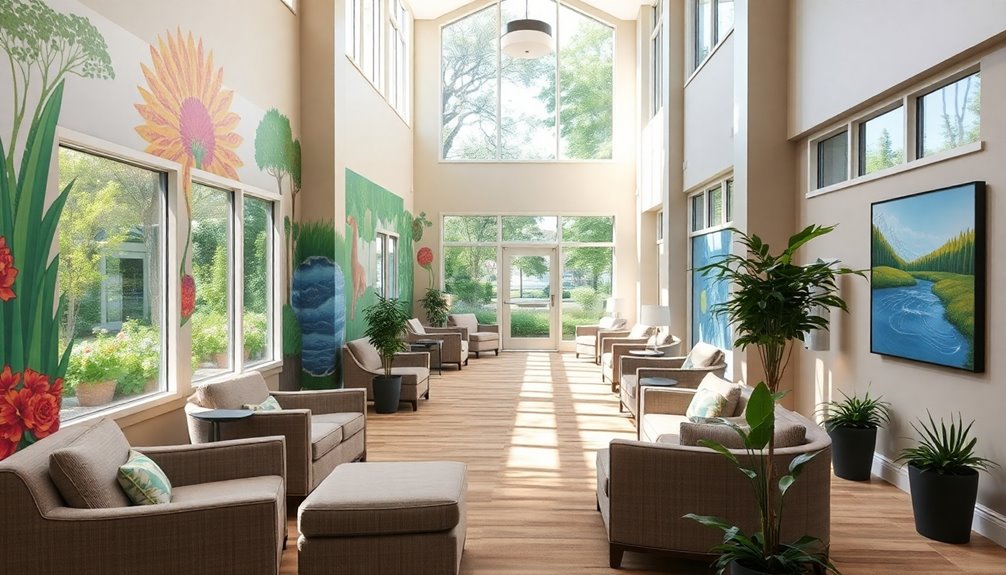
Incorporating Natural Light for Well-Being

Creating a supportive environment in memory care communities involves more than just thoughtful layouts and calming colors; incorporating natural light plays a pivotal role in enhancing residents' well-being.
Research shows that exposure to natural light improves mood and reduces agitation, making it essential in memory care settings. It helps regulate circadian rhythms, promoting better sleep patterns and decreasing reliance on sleep medications for those with dementia.
Design strategies like larger windows and skylights can flood spaces with light, fostering a comforting atmosphere. Not only does natural light support emotional health, but it also aids visual perception, easing navigation and reducing disorientation. Additionally, environments that prioritize high vibrational energy can further enhance residents' overall wellness and sense of peace.
Ultimately, environments rich in natural light contribute to lower stress levels and improved overall quality of life.
Promoting Navigation Through Familiar Layouts

When you design memory care spaces, adopting intuitive pathways can make a world of difference for residents.
By integrating recognizable landmarks, you help them navigate their environment with greater ease and confidence.
This thoughtful layout not only promotes safety but also enhances their overall sense of independence.
Intuitive Pathway Design
Intuitive pathway design plays a vital role in memory care communities, guiding residents with dementia through familiar layouts that promote confidence and independence.
By creating continuous loops or circular paths, you can facilitate wandering while reducing confusion. Incorporating high-contrast colors and textures helps differentiate pathways, aiding residents in distinguishing surfaces and preventing disorientation.
Visual access to recognizable cues, like art or memory boxes, enhances spatial orientation, making navigation easier. Avoiding dead-end corridors is essential, as they can lead to increased anxiety and frustration.
Well-planned pathways that connect to outdoor spaces not only improve navigation but also encourage exploration, allowing residents to engage their senses with nature and enjoy a more fulfilling experience in their environment.
Recognizable Landmarks Integration
Recognizable landmarks can transform memory care communities, helping residents navigate their surroundings with greater confidence. By integrating familiar objects and clear visual cues, you enhance wayfinding and promote better spatial orientation. Memory boxes and themed decor act as cognitive anchors, reducing confusion and anxiety.
| Landmark Type | Purpose | Benefits |
|---|---|---|
| Memory Boxes | Personal touchpoints | Sense of belonging |
| Artwork | Visual guidance | Reduces disorientation |
| Curio Cabinets | Familiar objects | Encourages exploration |
| Circular Paths | Safe wandering | Promotes autonomy |
| Identifiable Spaces | Engages residents | Improves overall well-being |
Utilizing Textures to Enhance Sensory Experience
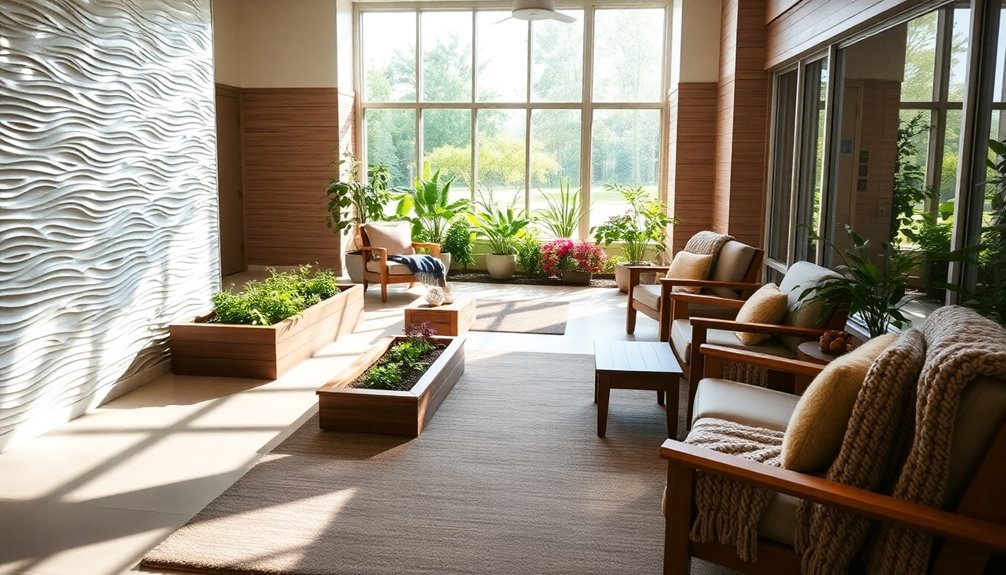
Textures play an essential role in enhancing the sensory experience within memory care communities. By incorporating a variety of textures, you can engage residents' senses and promote tactile exploration, which is beneficial for cognitive stimulation and emotional well-being.
Utilizing smooth, soft, and contrasting textures helps distinguish different areas and objects, aiding spatial orientation for individuals with dementia. Textured surfaces, like tactile wall panels or sensory pathways, encourage movement and interaction, fostering autonomy among residents.
Natural materials such as wood, stone, and plants not only provide aesthetic benefits but also create a familiar and comforting environment. Research shows that sensory-rich spaces with varied textures lead to increased engagement, reduced agitation, and improved mental health outcomes for those living with dementia.
Creating Personalized Spaces Reflecting Residents' Histories

Creating personalized spaces in memory care communities is all about incorporating meaningful memory objects and decor that reflect residents' unique histories.
When you add items like heirlooms or familiar decorations, you help foster a sense of identity and belonging.
This thoughtful approach not only enriches their environment but also enhances their overall well-being.
Meaningful Memory Objects
When you incorporate meaningful memory objects into a resident's space, you're not just decorating; you're crafting a personalized environment that echoes their unique history and identity. Recognizable items, like family photographs or memorabilia, foster a sense of belonging in memory care communities.
Memory boxes filled with personal treasures can aid residents in maneuvering their surroundings while recalling cherished experiences. Research shows that these familiar objects enhance emotional well-being, reduce anxiety, and encourage positive interactions among residents.
Knowledge of each resident's history allows staff to select meaningful accessories that resonate deeply. By designing personalized spaces that reflect these histories, you promote autonomy and self-expression, ultimately enhancing the overall quality of life for individuals living with dementia.
Personalized Decor Choices
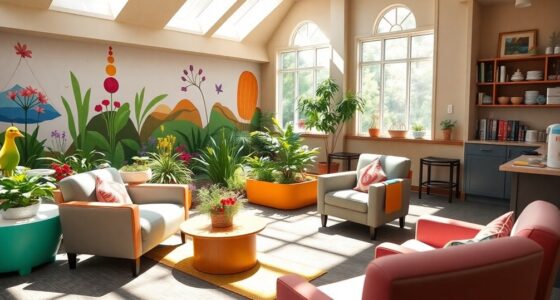
Personalized decor choices play an essential role in shaping the living spaces of residents in memory care communities. By incorporating recognizable objects and memorabilia from their pasts, you enhance their sense of identity and belonging.
Staff knowledge of residents' histories is key; it allows for personalized decor that truly reflects individual life stories and preferences. Memory boxes and curio cabinets serve as personal landmarks, helping residents recall cherished memories and navigate their environment more effectively.
When choosing design elements, prioritize comfortable and accessible furniture to encourage engagement with these personalized spaces. Additionally, opting for simpler, tailored designs over busy patterns can reduce overwhelm, creating a more comforting atmosphere for residents with dementia. Incorporating calming environments can further enhance the residents' overall well-being and comfort levels.
Strategies for Unobtrusive Safety Features
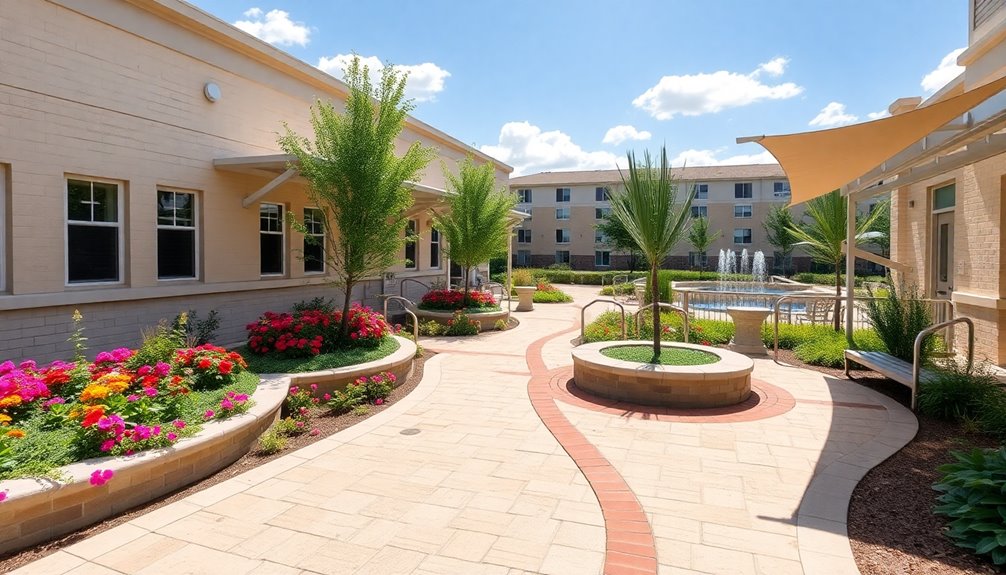
To guarantee a safe environment for individuals with dementia, integrating unobtrusive safety features is essential. You can enhance mobility and reduce fall risks by using color-coded pathways and textured floor surfaces in the physical environment.
Clear covers for fire alarm pull stations minimize distractions while ensuring safety, preventing false alarms that could agitate residents. Rounded furniture edges and avoiding sharp corners markedly lower injury risks.
Hidden safety features, like magnet lock devices for medicine cabinets, secure items without causing anxiety. Additionally, effective wayfinding techniques—such as visual cues and recognizable landmarks—support residents' navigation, fostering independence and confidence.
Encouraging Social Interaction and Engagement
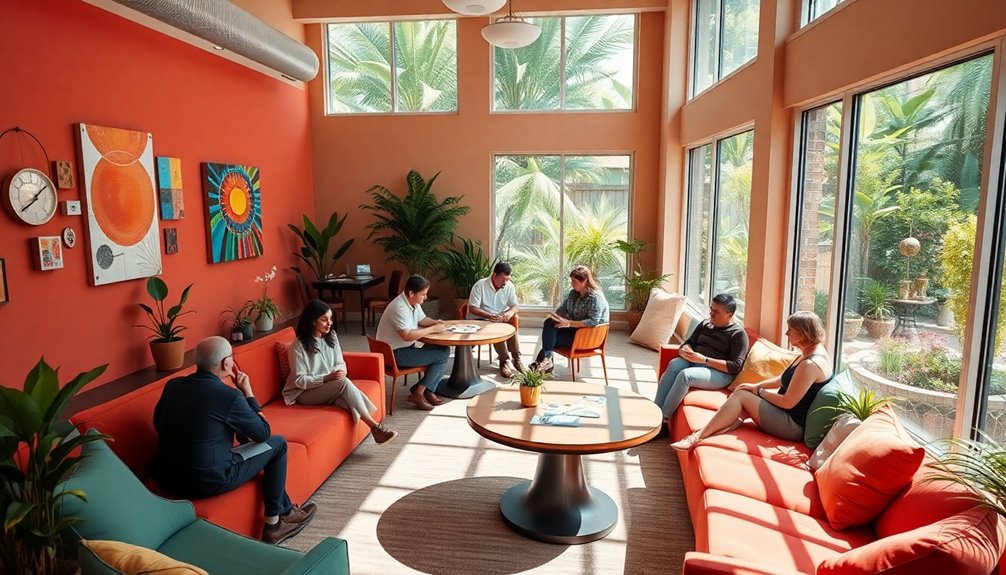
Creating an environment that encourages social interaction and engagement is essential for residents in memory care communities. Therapeutic gardens play a pivotal role in this by fostering social support among residents.
With design elements like looping pathways and accessible planters, these gardens invite exploration and interaction in a safe setting. Research shows that social interactions in garden environments can spark conversations, reducing feelings of isolation for individuals with dementia.
Balancing Privacy and Community Connection
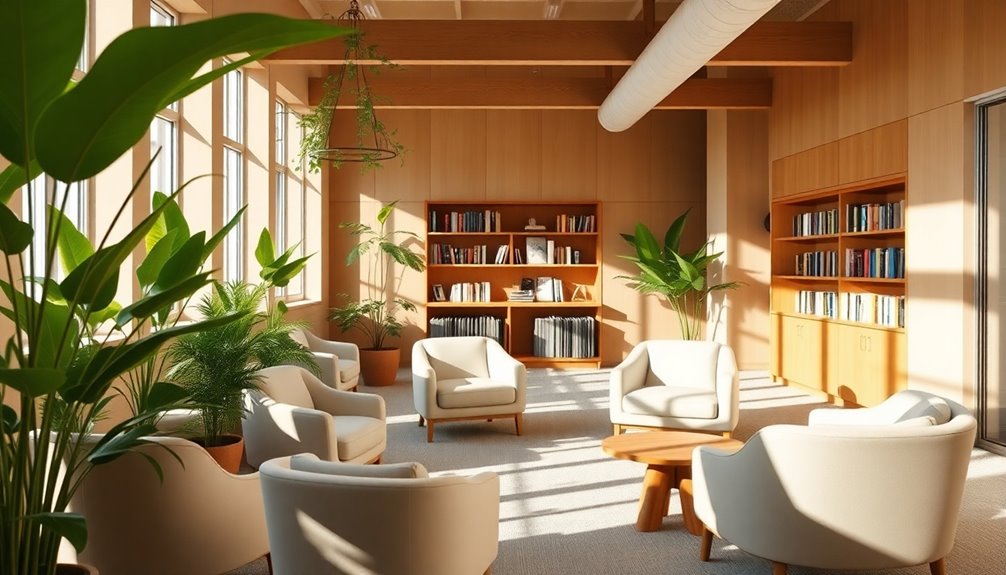
While fostering a sense of community is essential in memory care environments, it's equally important to respect residents' need for privacy. A well-designed space can create a balance between these two aspects.
Here are three key design elements to take into account:
- Intimate Areas: Incorporate small nooks where residents can retreat and feel secure.
- Thoughtful Furniture Arrangements: Use seating that encourages interaction without overwhelming residents, allowing for both community connection and personal reflection.
- Effective Wayfinding: Implement clear signage and recognizable objects to help residents navigate shared spaces while maintaining their comfort and privacy.
The Role of Color in Emotional Well-Being
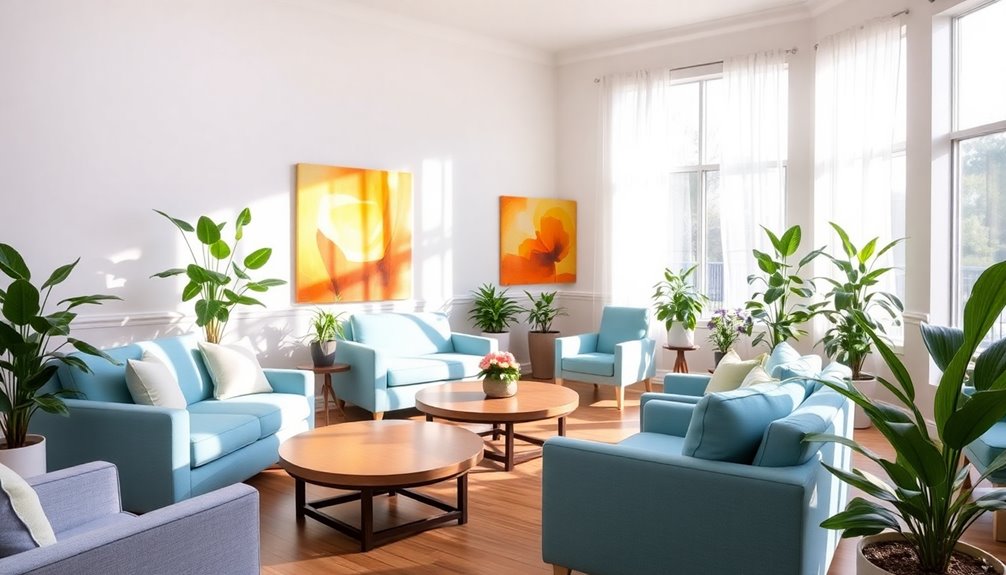
Color plays an essential role in shaping your mood, with warm tones creating a sense of happiness and comfort.
When you incorporate color contrast, it not only enhances visibility but also helps residents navigate their surroundings more safely.
Understanding these effects can make a significant difference in the emotional well-being of those in memory care communities.
Warm Tones Impact Mood
Emotional well-being thrives in environments that embrace warm tones like reds, oranges, and yellows.
These colors evoke feelings of warmth, energy, and happiness, which can markedly benefit individuals with dementia. By incorporating warm tones, you can create inviting spaces that foster comfort and ease, leading to better moods and reduced agitation.
Consider these three impactful benefits:
- Enhanced Social Interactions: Warm colors promote a sense of belonging, reducing feelings of isolation.
- Increased Comfort: Warm tones create cozy environments that make residents feel secure.
- Positive Emotional Responses: Thoughtful color choices can improve cognitive functioning and emotional well-being.
Color Contrast Enhances Visibility
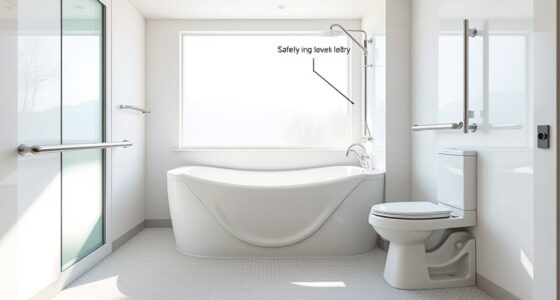
Creating an inviting environment with warm tones is just one way to enhance the well-being of individuals with dementia. However, color contrast plays an essential role in improving visibility, helping residents navigate their surroundings safely. High-contrast designs can reduce confusion and disorientation, especially in vital areas like bathrooms.
| Color Type | Emotional Impact |
|---|---|
| Warm Tones | Energy and Happiness |
| Cool Tones | Calm and Stability |
| High Contrast | Enhanced Visibility |
Implementing strategic color contrast, such as differentiating walls and floors, fosters mobility and instills a sense of security. Research shows that effective color contrast not only enhances visibility but also boosts moods and reduces agitation in individuals with dementia.
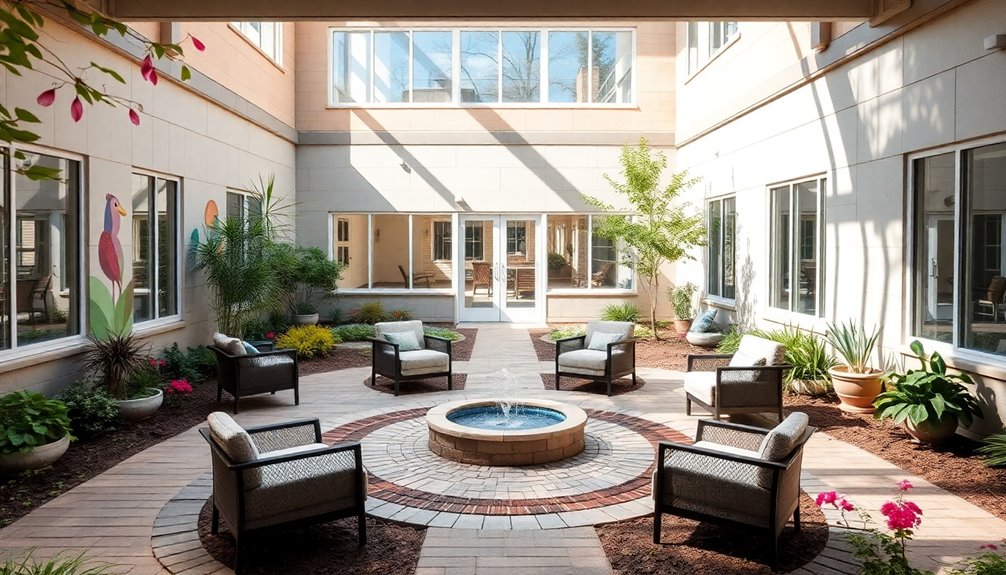
Outdoor Spaces for Connection With Nature
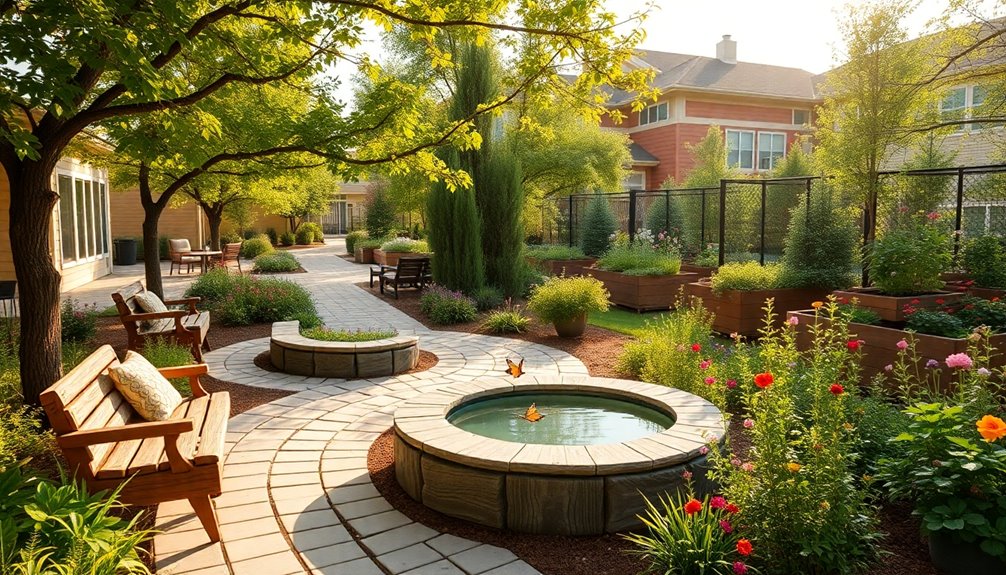
As you step into thoughtfully designed outdoor spaces within memory care communities, you'll find that these areas not only invite residents to connect with nature but also play an essential role in their overall well-being.
Access to outdoor gardens can greatly benefit people with dementia by:
- Promoting Engagement: Interactions with nature can evoke long-term memories and reduce agitation.
- Enhancing Health: Natural elements lower blood pressure and stress levels, contributing to improved overall health.
- Encouraging Socialization: Gardening activities foster social connections, leading to increased happiness and a sense of belonging.
With 25% hardscape and 75% vegetation, these gardens offer safe pathways and accessible planters, ensuring all residents can enjoy the calming benefits of nature.
Flexible Furniture Arrangements for Movement
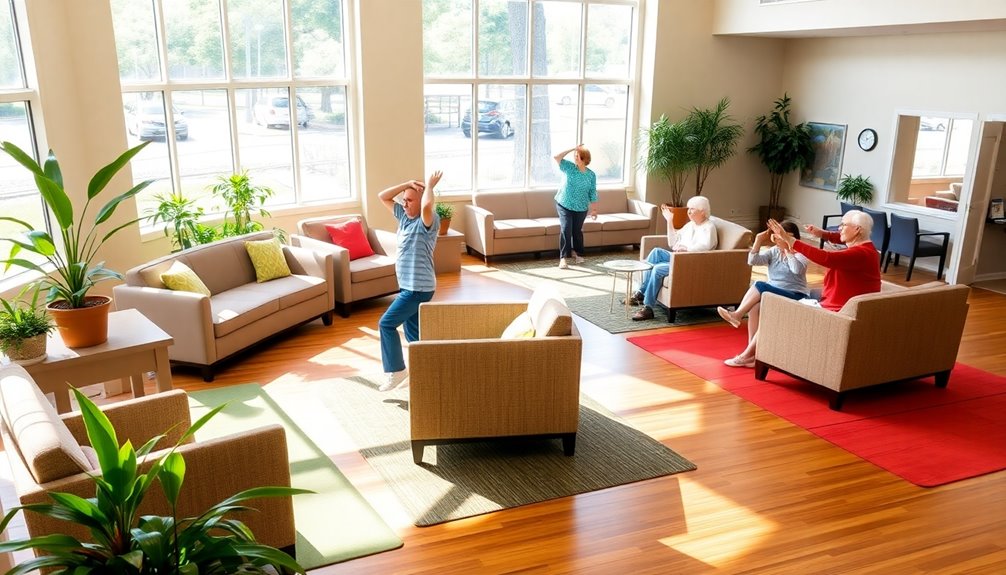
While maneuvering a memory care community, residents benefit considerably from flexible furniture arrangements that promote movement and comfort.
In senior living environments, clear pathways are crucial, reducing confusion and anxiety for those with dementia. By grouping furniture into smaller clusters, you create intimate spaces that encourage social interaction while ensuring safety.
Comfortable and accessible furniture invites residents to engage in activities, enhancing their overall quality of life. Additionally, avoiding sharp edges and hazardous materials is essential for injury prevention, fostering a secure environment.
Clear delineation of spaces through thoughtful furniture arrangements supports spatial literacy, allowing residents to navigate their surroundings with greater confidence and independence. This flexibility ultimately enriches their experience within the community, promoting social interaction and enhancing overall well-being.
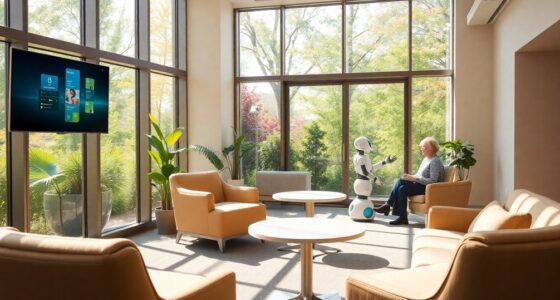
Integration of Technology in Memory Care Design
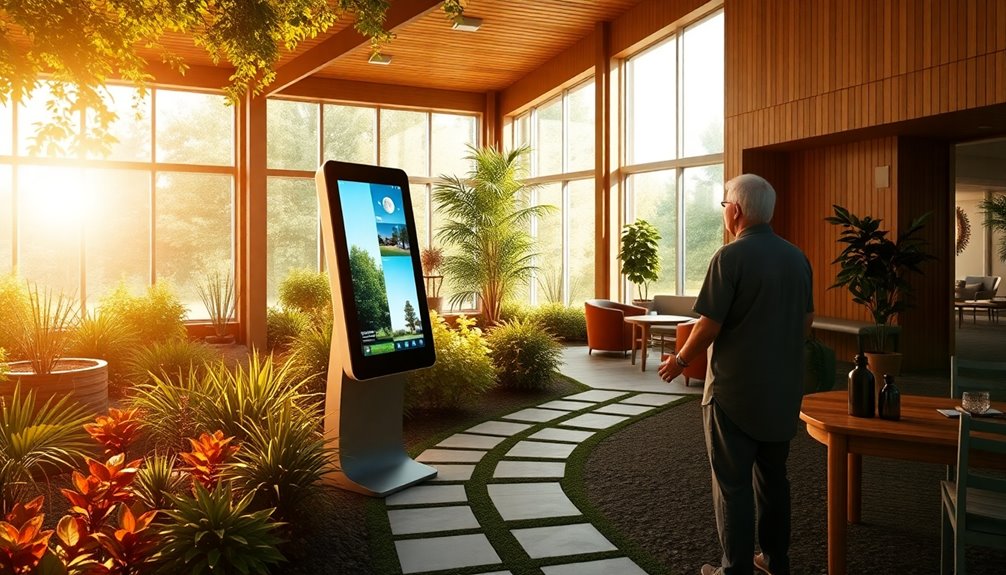
Flexible furniture arrangements not only enhance movement and comfort but also pave the way for the integration of technology in memory care design. By incorporating smart home features, you can empower residents, allowing them to maintain a sense of autonomy.
Here are three key tech elements to contemplate:
- Wearable devices that monitor health metrics, ensuring safety and proactive interventions.
- Automated lighting and voice-activated systems that enable easier navigation within the environment.
- Digital wayfinding tools like interactive maps that help residents orient themselves and promote independence.
These technology-driven solutions foster connections with families through communication platforms, enhancing social engagement and emotional well-being.
Embracing this tech integration transforms memory care environments into supportive, enriching spaces.
Frequently Asked Questions
How to Design a Dementia Friendly Care Environment?
To design a dementia-friendly care environment, focus on creating clear pathways that promote independence and mobility.
Use recognizable objects and color contrast for wayfinding, helping residents navigate confidently.
Incorporate memory gardens with looping paths and sensory plants to encourage social interaction and physical activity.
Opt for warm, soft colors in interiors to evoke comfort, and minimize busy patterns to reduce anxiety.
Finally, include outdoor spaces to enhance mood and overall well-being.
What Are the Environmental Supports for Dementia Patients?
Imagine walking into a futuristic space where every corner supports your needs.
For dementia patients, environmental supports include clear wayfinding signs, familiar objects, and suitable color contrasts to make navigation easier.
Access to gardens lets you enjoy nature, reducing stress and boosting physical activity.
Comfortable furniture encourages social interactions, while unobtrusive safety measures help you feel secure.
Thoughtfully arranged layouts promote independence, enhancing overall well-being in everyday life.
What Are 5 Strategies to Create an Appropriate Environment for a Person With Dementia?
To create an appropriate environment for a person with dementia, you can start by using clear wayfinding elements, like color-coded paths.
Next, choose warm, calming colors with high contrast for visibility.
Arrange furniture to promote movement and social interaction while keeping spaces clutter-free.
Incorporate access to outdoor areas for nature exposure, and create a homelike atmosphere by including personal items and familiar decor that reflect their history, enhancing their sense of identity and comfort.
What Is the Best Environment for Dementia Patients?
Imagine stepping into a space that feels like home, where sunlight pours in and gardens invite you outside.
For dementia patients, the best environment prioritizes natural light, outdoor access, and familiar objects that spark joy and memories.
You'll notice high-contrast colors aiding navigation, while looping pathways in gardens promote exploration.
Creating a non-institutional, cozy atmosphere fosters autonomy and social interactions, leading to improved mood and overall well-being for those you care about.
Conclusion
In memory care communities, thoughtful environmental design isn't just a luxury; it's a necessity. By embracing natural light, familiar layouts, and personalized spaces, you're gently guiding residents toward comfort and connection. The use of soothing colors and engaging textures can brighten their days while outdoor areas invite a refreshing atmosphere. By integrating flexible furniture and technology, you're crafting an environment that truly feels like home, nurturing both well-being and cherished memories without losing sight of the journey.