
Understanding appliance sound ratings helps you pick quieter models that fit seamlessly into your home. Look for decibel (dB) levels—lower numbers mean less noise. Consider features like sound insulation and proper placement, which can reduce disturbance. Keep in mind, higher-rated appliances may cost more but improve your daily comfort in the long run. Want to discover how to maximize your quiet space? Keep going to find out more about making your home more peaceful.

Turn the school run and nap time into listening time
- Thousands of audiobooks, podcasts and originals
- Listen on your phone, tablet or Echo — also offline
- Cancel anytime
Key Takeaways
- Lower decibel ratings indicate quieter appliances, enhancing home comfort and reducing noise disruptions.
- Sound insulation features can significantly decrease appliance noise during operation.
- Proper placement and vibration-absorbing accessories help minimize noise transmission.
- Comparing sound ratings helps select appliances that fit your noise tolerance and lifestyle.
- Considering both sound ratings and insulation options ensures a peaceful, tranquil home environment.
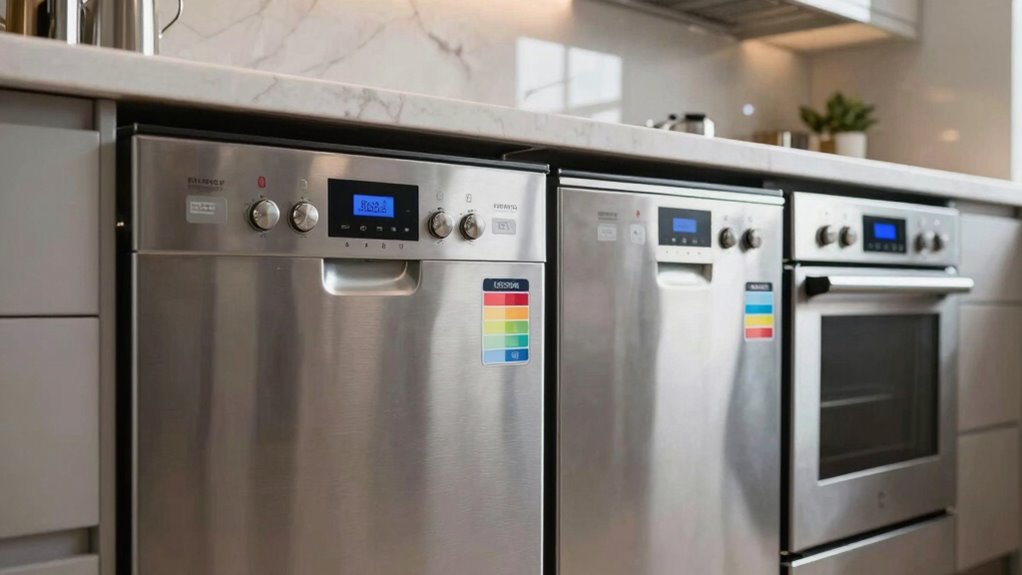
When choosing appliances for your home, understanding their sound ratings can make a vital difference in your daily comfort. Noise levels aren’t just about annoyance; they impact your peace, concentration, and overall environment. Appliance sound ratings measure how loud a device is during operation, giving you a clear idea of its potential disruption. These ratings are usually expressed in decibels (dB), with lower numbers indicating quieter appliances. For instance, a refrigerator operating at 40 dB is noticeably quieter than one at 50 dB. By paying attention to these numbers, you can select appliances that blend seamlessly into your living space without creating unnecessary noise.
Understanding appliance sound ratings helps you choose quieter devices for a more peaceful home environment.
One essential aspect that influences how loud an appliance feels in your home is noise reduction. Manufacturers often include features like sound insulation to minimize noise output. Sound insulation involves adding materials or design elements that absorb or block sound waves, preventing them from traveling into other rooms. Appliances with effective sound insulation tend to operate more quietly, which is especially valuable in open-concept homes or spaces where you work or relax. When comparing products, look for those that specify enhanced sound insulation or noise reduction features, as these can greatly improve your daily comfort. Additionally, sound insulation can be achieved through thoughtful design choices that target specific noise sources, further enhancing the quietness of your appliances. Incorporating noise reduction features can also help mitigate the impact of vibration and operational sounds, making the appliance even less noticeable. Recognizing the importance of proper installation can also significantly influence noise levels, as incorrect placement may amplify operational sounds.
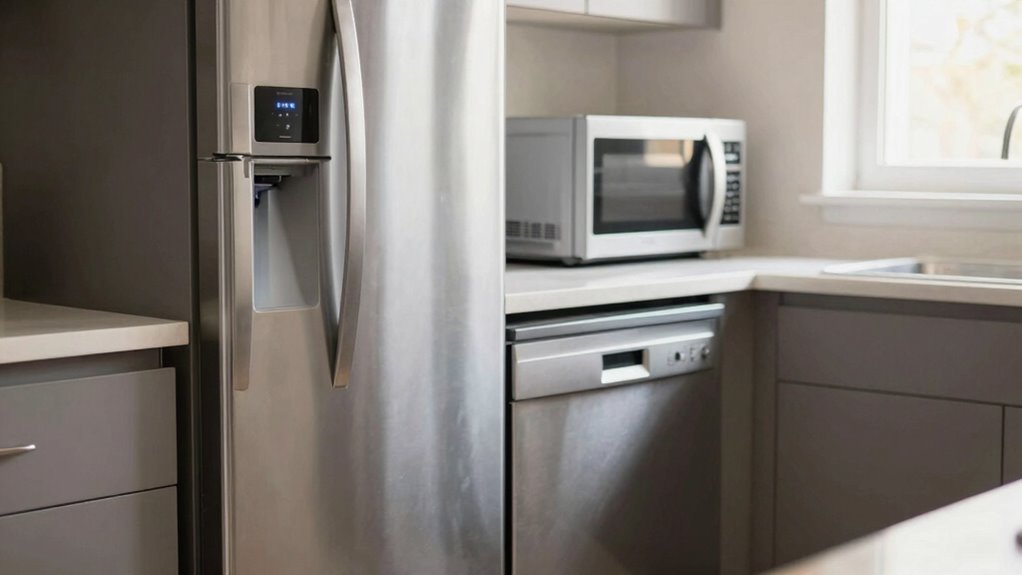
Another factor to consider is the appliance’s placement within your home. Proper sound insulation isn’t solely about the appliance itself; how and where you install it matters too. For example, placing a noisy dishwasher or washing machine on a vibration-absorbing mat or inside an insulated cabinet can further reduce sound transmission. Similarly, positioning appliances away from quiet areas, like bedrooms or home offices, helps maintain a peaceful environment. Combining good sound insulation within the appliance with strategic placement maximizes noise reduction, making your space more serene. Additionally, understanding appliance sound ratings can help you make more informed choices when selecting new devices. Recognizing that a quieter refrigerator or dishwasher may cost more upfront, you can weigh the benefits of long-term comfort against initial investment. Sometimes, choosing a slightly pricier model with superior sound insulation and lower noise ratings offers greater satisfaction over time. By being informed about these factors, you avoid surprises and guarantee that your appliances won’t compromise your daily tranquility. In the end, paying attention to noise reduction and sound insulation details ensures your home remains a calm, comfortable refuge, free from unnecessary appliance noise.
As an affiliate, we earn on qualifying purchases.
Frequently Asked Questions
How Do Sound Ratings Impact Appliance Energy Efficiency?
Sound ratings don’t directly impact an appliance’s energy efficiency, but they do influence your comfort. Higher sound ratings usually mean better sound insulation and vibration reduction, making appliances quieter. When shopping, consider appliances with lower decibel levels, as they often feature enhanced soundproofing. This way, you enjoy a peaceful environment without sacrificing performance. So, while sound ratings don’t change energy use, they improve your overall experience.
Are Higher Sound Ratings Always Better for Quieter Appliances?
Higher sound ratings aren’t always better if noise reduction isn’t your priority. Quieter appliances usually have lower decibel levels, aligning with user preferences for a peaceful environment. If you prefer minimal noise, look for appliances with lower dB ratings, which indicate better noise reduction. However, if loudness doesn’t bother you, a higher sound rating might not impact your satisfaction. Always consider your personal preferences when evaluating appliance sound ratings.
Do Sound Ratings Vary Between Different Brands and Models?
Sound ratings do vary between brands and models, like different notes in a symphony. A brand with a reputation for quality often invests in better sound isolation, making their appliances quieter despite similar ratings. So, don’t rely solely on numbers; consider brand reputation and how well the appliance isolates sound. This way, you’ll find appliances that truly operate more quietly, giving you peace without the noise.
Can Noise Levels Change Over an Appliance’s Lifespan?
Yes, noise levels can change over an appliance’s lifespan. You might notice fluctuations in noise level as parts wear out or become loose, affecting lifespan sound considerations. Over time, appliances may become louder or quieter depending on maintenance, usage, and age. Regularly checking and servicing your appliances helps minimize noise level fluctuations, ensuring they remain as quiet as possible throughout their lifespan.
How Should I Interpret Decibel Differences Between Similar Appliances?
Think of decibel differences like a musical score; a small change can dramatically alter the experience. When comparing appliances, remember that a 3-dB difference roughly doubles the noise perceived, affecting your sound perception. Slight differences matter for noise mitigation—look for appliances with lower decibel ratings for quieter operation. Understanding these variations helps you choose appliances that blend into your home environment, keeping noise levels pleasant and manageable.
Conclusion
Understanding appliance sound ratings helps you choose quieter, more comfortable appliances for your home. By paying attention to these ratings, you can avoid surprises and enjoy a more peaceful living space. Isn’t it worth investing a little extra time to guarantee your appliances won’t disrupt your daily life? When you know what to look for, making informed decisions becomes easier, letting you create a home environment that’s both functional and serene.
Fall Picks
fall essentials
As an affiliate, we earn on qualifying purchases.