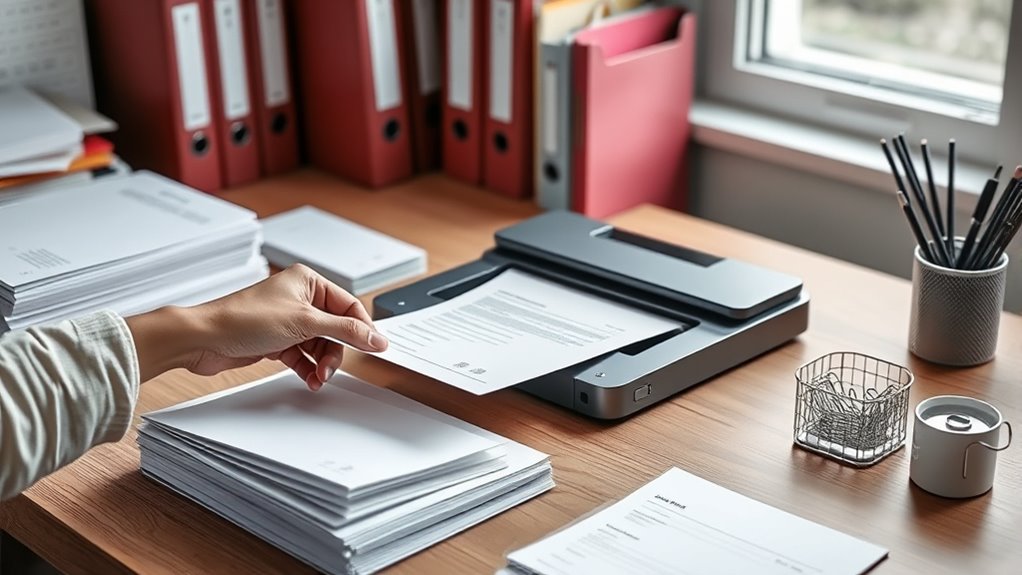

To avoid drowning in paper, embrace digital tools like electronic health records and mobile apps to streamline your documentation. Break down tasks into smaller parts, using simple, adaptable templates to stay organized and efficient. Focus on clear, concise notes that highlight essential information, and integrate documentation seamlessly into your workflow. Keep your records up-to-date and standardized, ensuring accuracy and safety. Continue exploring ways to optimize your process, and you’ll find better ways to manage care notes effectively.
Key Takeaways
- Transition to electronic health records and mobile apps to reduce paper reliance and streamline documentation.
- Use templates and standardized forms to speed up note-taking and ensure consistency.
- Break down documentation into manageable tasks, focusing on relevant information close to the care activity.
- Incorporate documentation seamlessly into workflows to prevent it from feeling like an extra burden.
- Seek training and share best practices to improve efficiency and prevent overload.

Keeping detailed documentation is essential in healthcare, but it can quickly become overwhelming if not managed properly. You might find yourself buried under mountains of paperwork, notes, and forms, making it difficult to keep track of critical information without losing efficiency. The key is to develop strategies that streamline your documentation process, so it supports your workflow instead of hindering it. First, embrace digital tools whenever possible. Electronic health records (EHRs) and mobile apps can help you record, access, and update patient information quickly. They reduce paper clutter and allow for real-time updates, which enhances accuracy. Make it a priority to familiarize yourself with your system’s features. Automate routine entries, like vitals or medication lists, to save time and minimize errors. When documentation feels overwhelming, breaking it into smaller, manageable tasks can help. Instead of tackling an entire chart at once, focus on updating one section or note at a time. This approach prevents burnout and ensures nothing slips through the cracks. Additionally, develop templates or standardized forms for common procedures or assessments. These tools speed up your documentation process and promote consistency across records. Keep templates simple and adaptable, so you can customize them when necessary without starting from scratch each time. Maintain a disciplined routine by documenting as close to the care activity as possible. Waiting too long to record details increases the chance of forgetting important information or making mistakes. Incorporate documentation into your workflow naturally, so it becomes an integral part of patient care rather than an afterthought. Be concise but thorough—use clear language, avoid unnecessary details, and focus on critical information that impacts patient safety and care decisions. Avoid duplicating entries by cross-referencing notes or consolidating related data. Regularly review and clean up your records to prevent clutter and ensure accuracy. If you’re working with a team, establish clear protocols for documentation standards and responsibilities. Sharing best practices helps everyone stay organized and reduces redundant work. Incorporating an understanding of the mind-body connection can also enhance your overall approach to holistic patient care, ensuring that documentation captures all relevant aspects of patient well-being. Finally, don’t hesitate to seek training or support when needed. Many institutions offer workshops or resources to help you optimize your documentation methods. Remember, effective documentation isn’t about creating more work; it’s about making your workflow smoother and more efficient. When you implement these strategies, you’ll find that documenting care becomes a tool to enhance patient safety and your overall productivity, rather than a source of stress.
Frequently Asked Questions
How Can Digital Tools Improve Care Documentation Accuracy?
Digital tools can substantially boost your care documentation accuracy by reducing errors and streamlining data entry. They offer real-time updates, prompts for missing information, and standardized templates, helping you capture complete and correct details effortlessly. Automated alerts notify you of inconsistencies, ensuring compliance with protocols. Overall, these tools save time, enhance precision, and allow you to focus more on patient care rather than paperwork, improving outcomes for everyone involved.
What Are Common Pitfalls in Paper-Based Documentation?
You might overlook details or make errors when relying on paper-based documentation. Illegible handwriting can cause misunderstandings, and incomplete records often lead to gaps in patient care. Paper forms are vulnerable to damage, loss, or misfiling, which jeopardizes accuracy and accountability. Additionally, the time-consuming nature of manual documentation can cause delays, reducing your efficiency and impacting timely patient care. These pitfalls highlight the need for more reliable, streamlined methods.
How to Ensure Patient Confidentiality With Digital Records?
Imagine your digital records are a fortress guarding treasure. You guarantee patient confidentiality by using strong passwords, encrypting data, and controlling access like guards at gates. Regularly update security protocols and train your team to recognize threats. Just as a fortress needs vigilant watchmen, your digital system requires ongoing oversight to keep patient information safe, ensuring trust and compliance without risking breaches.
What Training Is Needed for Effective Documentation Practices?
You need thorough training on accurate and clear documentation, including understanding legal and ethical standards. Focus on learning proper charting techniques, abbreviations, and electronic health record (EHR) systems. Practice consistent documentation habits, double-check entries for accuracy, and stay updated on facility policies. Engaging in workshops and seeking feedback from experienced colleagues will boost your confidence and guarantee your documentation remains effective, compliant, and easy to interpret.
How to Handle Documentation During Emergencies or High Workload?
In emergencies or high workload moments, you must stay focused and act swiftly. Prioritize critical information first—document essential details like patient condition, interventions, and time stamps quickly. Use shorthand or abbreviations you’re familiar with, and don’t get bogged down in perfect wording. Once the situation stabilizes, fill in the gaps thoroughly. Staying calm and organized guarantees you capture indispensable data without losing precious time.
Conclusion
By streamlining your documentation process and focusing on essential details, you can avoid feeling overwhelmed by paperwork. Embrace efficient tools and clear protocols to keep your records organized and accessible. Remember, isn’t quality care more important than endless paperwork? With a little planning, you’ll find it’s possible to document effectively without drowning in paper, freeing you to focus on what truly matters—your patients’ well-being.