
Understanding veterans’ benefits for elder care is essential to accessing the support you or your loved ones deserve. These benefits include pensions for veterans, survivor payments for families, and programs that honor service and sacrifice. They provide financial stability, help cover healthcare, and ease aging challenges. Ensuring you meet eligibility and gather proper documentation speeds up the process. To discover how these programs can support your family’s needs, explore more details and options available to you.
Key Takeaways
- Veterans’ pensions provide a steady income to support elderly veterans’ healthcare and daily needs.
- Survivor benefits help widows or dependents maintain financial stability after a veteran’s death.
- Proper documentation and understanding eligibility are essential for successful benefit applications.
- Staying informed about policy updates ensures access to the latest support programs and benefits.
- These benefits honor service, ensure financial security, and facilitate elder care planning.

Are you aware of the benefits available to veterans to support their elder care needs? If you’re a veteran or caring for one, understanding these benefits can make a considerable difference in ensuring a comfortable and secure retirement. One of the primary sources of support is military pensions. If you served a qualifying period in the armed forces, you may be entitled to a military pension that provides a steady income during your elder years. These pensions are designed to recognize your service and sacrifice, offering financial stability when you need it most. The amount varies depending on your length of service, rank, and circumstances, but it’s a critical benefit that can help cover everyday expenses, healthcare, and other needs associated with aging.
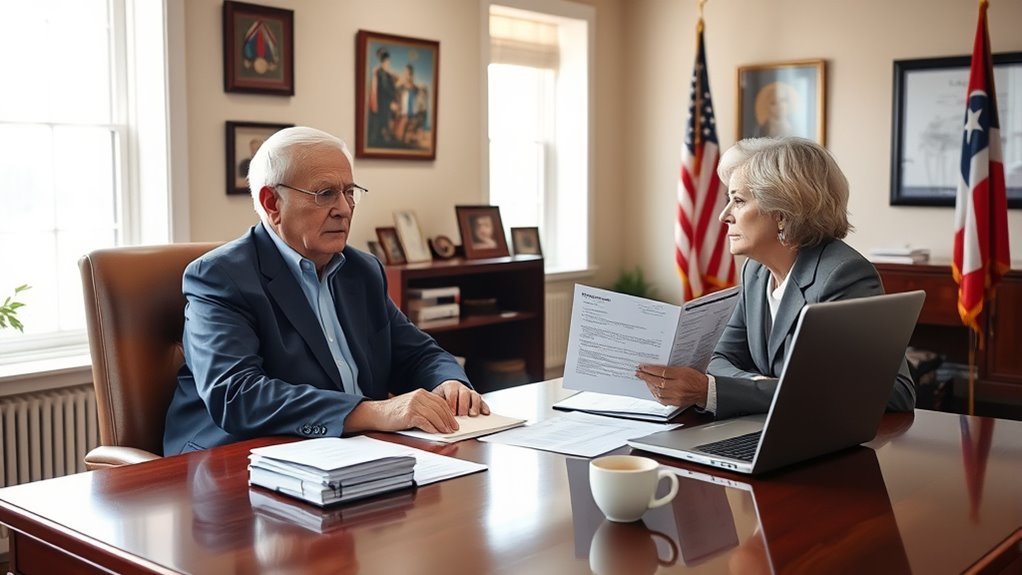
Veterans may qualify for military pensions to support elder care and ensure financial stability.
In addition to pensions, survivor benefits play an essential role in supporting the families of deceased veterans. If you’re a surviving spouse or dependent, you might qualify for survivor benefits that ensure you continue to receive financial assistance after your loved one’s passing. These benefits can include monthly payments, which help maintain your quality of life and cover essential costs like housing, food, and healthcare. Survivor benefits are especially important because they provide a safety net that alleviates the financial strain often felt after losing a loved one who served in the military. To access these benefits, you typically need to apply through the Department of Veterans Affairs (VA) and demonstrate your relationship to the deceased veteran.
Understanding how military pensions and survivor benefits work can seem overwhelming at first, but taking the time to learn about your options is worthwhile. Many veterans and their families are unaware of the full scope of benefits available to them, which can lead to missed opportunities for assistance. It’s essential to gather all necessary documentation, such as military service records and death certificates, when applying. You can also consult with VA representatives or veteran service organizations, which can guide you through the application process and help you maximize your eligible benefits. Being aware of benefit eligibility requirements can ensure you do not miss out on any support programs designed specifically for veterans and their families. Additionally, understanding program application procedures can help streamline the process and prevent delays in receiving benefits. Recognizing the importance of proper documentation can also significantly impact the approval process and the speed at which you receive your benefits.
Furthermore, staying informed about benefit updates and recent policy changes can help you access new or expanded support options as they become available. Ultimately, these benefits are designed to honor your service and provide financial security as you age or face the loss of a loved one. Whether it’s the steady support of a military pension or the peace of mind offered by survivor benefits, knowing what’s available enables you to plan better for the future. Don’t hesitate to explore all your options, as these benefits can greatly ease the challenges of elder care, allowing you to focus on what truly matters—your well-being and peace of mind.
Frequently Asked Questions
How Do I Determine My Eligibility for Veterans’ Elder Care Benefits?
You can determine your eligibility for veterans’ elder care benefits by reviewing your military service record and disability compensation status. Start by checking if your service qualifies you for specific programs, such as VA healthcare or Aid and Attendance. Contact the VA or visit their website to access eligibility criteria, which often depend on factors like service length, disability ratings, and income. This helps you understand what benefits you may qualify for.
What Documentation Is Required to Apply for Veterans’ Elder Care Benefits?
When applying for veterans’ elder care benefits, you need to gather specific veterans’ documentation like your DD-214 discharge papers and proof of service. Additionally, prepare elder care paperwork such as medical records, a list of current medications, and proof of income. These documents help verify your eligibility and guarantee a smooth application process. Make sure to review the specific requirements from the VA, as they can vary.
Are Veterans’ Benefits Transferable to Family Members or Caregivers?
Imagine revealing a treasure chest of support for your loved ones—that’s what beneficiary transfer can do for veterans’ benefits. While most benefits aren’t fully transferable, some programs like Aid and Attendance may allow benefit eligibility to extend to family members or caregivers. You should check specific rules and consult with VA officials, because a well-informed transfer can drastically improve your family’s care, making a real difference when it matters most.
How Do Veterans’ Benefits Coordinate With Medicare and Medicaid?
You should know that veterans’ benefits often coordinate with Medicare and Medicaid to guarantee thorough healthcare. You’ll find some benefit overlap, especially for services like skilled nursing and home care, but they also complement each other. It’s important to review each program’s specifics and work with providers to optimize healthcare coordination, avoiding gaps or duplicate coverage. This way, you can maximize benefits for your loved one’s elder care needs.
What Are the Recent Changes or Updates to Veterans’ Elder Care Benefits?
You should stay informed about benefits updates and policy changes to maximize your veteran elder care options. Recently, there have been updates expanding access to home-based services and streamlining application processes. Some policy changes aim to improve coordination with Medicare and Medicaid, guaranteeing you receive thorough care. Regularly check official veteran affairs sources or consult a benefits counselor to keep up with the latest benefits updates and make sure you’re leveraging all available support.
Conclusion
Now that you understand the benefits available, imagine the peace of mind you’ll gain knowing your loved one’s needs are covered. But don’t wait too long—hidden opportunities and updates could slip away, leaving you in uncertainty. Stay informed, act promptly, and secure their comfort now. The future’s waiting, full of hope and reassurance—if you take the first step today. Your loved one’s well-being depends on what you do next.