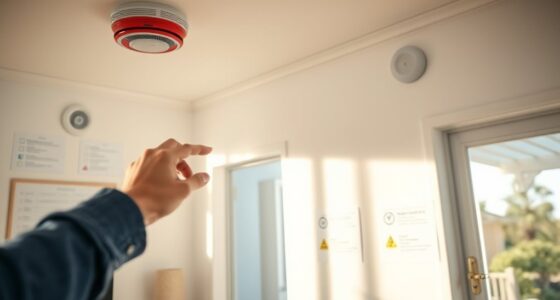
Testing emergency systems and equipment regularly is vital to guarantee they work properly when you need them most. You should routinely check batteries, alarm sensors, control panels, and sirens to prevent failures during emergencies. Document all inspections and address issues immediately. Staying proactive with maintenance reduces risks, keeps systems compliant, and enhances safety. If you want to find out more about how to keep your emergency systems reliable, continue exploring essential best practices.
Key Takeaways
- Conduct regular testing of alarm systems, sensors, and control panels to ensure proper functionality during emergencies.
- Perform routine battery inspections and maintenance to verify charge levels and replace batteries proactively.
- Document all tests and inspections, noting any issues to monitor system performance and ensure compliance.
- Inspect alarm components for damages or corrosion, and verify sensor sensitivity to prevent false or missed alerts.
- Maintain a proactive maintenance schedule to minimize system failures and ensure emergency equipment readiness at all times.
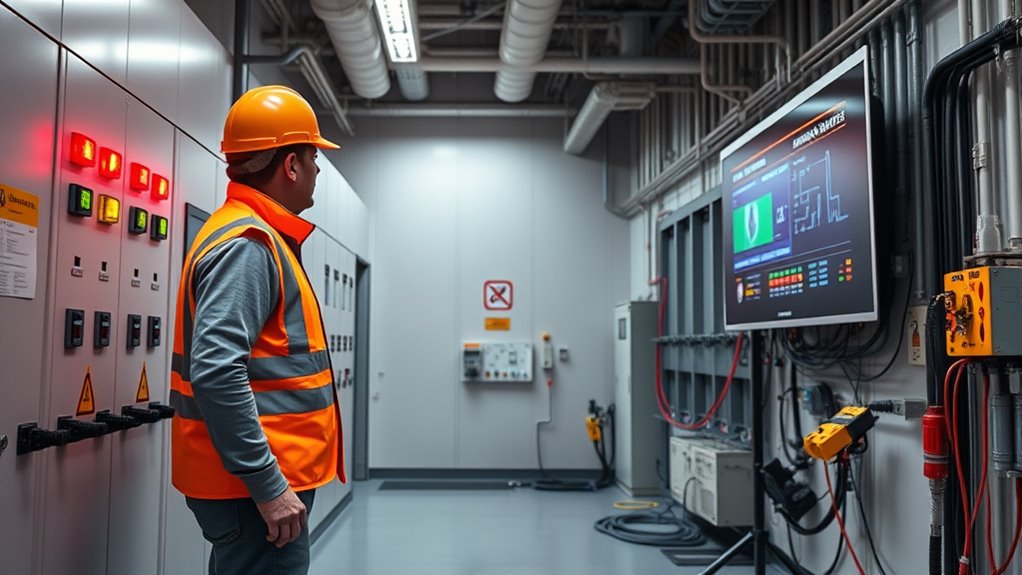
Regular testing of emergency systems and equipment is essential to guarantee they function properly when needed most. You can’t afford to rely on systems that haven’t been checked recently, as failures during an emergency could have serious consequences. One critical aspect of this process is battery testing. Batteries power many emergency devices, including alarm systems, backup lighting, and communication tools. Regular battery testing ensures these power sources are fully operational and capable of providing energy during power outages or system failures. You should schedule routine checks to verify battery charge levels, inspect for corrosion, and replace batteries before they fail. This proactive approach prevents unexpected breakdowns when emergencies strike, saving you time, stress, and potential danger. Additionally, incorporating preventive maintenance strategies can help identify potential issues before they compromise your safety systems.
Alongside battery testing, alarm system inspection plays a vital role in maintaining emergency preparedness. An alarm system is often the first line of defense, alerting occupants and emergency responders to fires, intrusions, or other hazards. During an alarm system inspection, you’ll examine sensors, control panels, and sirens to confirm they’re working correctly. Testing sensors for proper placement and sensitivity helps prevent false alarms or missed alerts. You should also verify that control panels are responding accurately to sensor inputs and that sirens and visual alerts are loud and clear enough to be noticed. Regular inspection and testing of the alarm system ensure it will activate correctly during an emergency, providing vital early warning that can save lives and reduce property damage.
It’s important to document each test and inspection, noting any issues and the actions taken to resolve them. Keeping detailed records helps you track the performance of your emergency systems over time and provides evidence of compliance with safety regulations. When testing, don’t rush; take the time to thoroughly evaluate each component, and if you find problems, address them immediately. Remember, emergency systems aren’t just about compliance—they’re about safety. Regular testing, including battery testing and alarm system inspection, guarantees that your emergency response tools are ready to perform when it matters most. By staying diligent and proactive, you minimize the risk of failure during critical moments, ensuring your safety and that of everyone around you.
Frequently Asked Questions
How Often Should Emergency Systems Be Tested for Optimal Performance?
You should test emergency systems at least quarterly to guarantee peak performance. Regular maintenance schedules help catch issues early, preventing failures during emergencies. Additionally, equipment calibration is essential during these tests to maintain accuracy and reliability. By sticking to a consistent testing routine, you ensure all safety equipment functions correctly when needed, reducing risks and enhancing overall safety in your facility.
What Are Common Issues Found During Emergency System Testing?
During emergency system testing, you often find false alarms and equipment malfunctions. False alarms can occur due to sensor issues or environmental factors, while malfunctions might be caused by outdated components or poor maintenance. These issues can compromise safety, so you should regularly inspect, maintain, and update your systems. Addressing false alarms and malfunctions promptly guarantees reliable performance, helping protect people and property during actual emergencies.
Are There Specific Regulations Governing Emergency Equipment Testing?
Yes, there are specific regulations governing emergency equipment testing. You must guarantee regulatory compliance by following standards set by agencies like OSHA and NFPA, which dictate testing frequency, procedures, and documentation. Equipment certification is essential to verify that your systems meet safety requirements. By adhering to these regulations, you guarantee your emergency systems are reliable, effective, and ready to protect lives when needed, maintaining safety and legal standards simultaneously.
How to Document and Report Testing Results Effectively?
To log and report testing results effectively, follow documentation best practices by recording clear, detailed, and timely information. Guarantee reporting accuracy by double-checking test data and noting any issues or failures. Use standardized forms or digital tools for consistency. Include date, time, tester’s name, and specific system details. Regularly review reports to identify trends or recurring problems, and communicate findings promptly to relevant personnel for swift corrective action.
What Training Is Required for Personnel Performing Emergency System Tests?
You need specialized training certifications to perform emergency system tests confidently. Imagine yourself steering testing protocols like a skilled captain steering through a storm, ensuring safety and compliance. Your training should cover system operation, safety procedures, and troubleshooting. By completing certified courses, you gain the expertise to conduct tests accurately and respond effectively to emergencies, safeguarding everyone. This preparation guarantees you’re fully equipped to handle testing procedures with precision and confidence.
Conclusion
Testing emergency systems might seem like a routine task, but it’s your first line of defense when chaos strikes. Just as a well-tuned alarm calms a panic, neglect turns safety into vulnerability. You hold the power to make certain these systems work seamlessly, transforming potential disaster into safety. Remember, in moments of crisis, the quiet strength of tested equipment stands between you and chaos—making preparedness your ultimate safeguard.