
To get LEDs done right, focus on matching the brightness in lumens to your space’s needs—brighter for kitchens, softer for cozy rooms. Choose the right color temperature to set the mood, with warm tones for relaxing and cooler for task areas. Opt for energy-efficient LEDs with high lumen-per-watt ratios and look for ENERGY STAR labels to save money. Keep these tips in mind, and you’ll discover how to maximize your lighting’s comfort and savings.
Key Takeaways
- Choose LEDs with appropriate lumens for your space, focusing on brightness rather than wattage.
- Match color temperature (Kelvin) to create the desired ambiance and improve functionality.
- Prioritize energy-efficient LEDs with high lumen-per-watt ratios and ENERGY STAR certification for savings.
- Utilize dimming features to customize lighting levels and enhance energy conservation.
- Consider long-term benefits like reduced maintenance and lower energy bills when selecting LED options.
When it comes to lighting your space, choosing the right LEDs can make all the difference. The quality of your lighting impacts everything from your mood to your energy bills. LED technology has evolved rapidly, offering more brightness, better color options, and notable savings. But knowing how to select the best LEDs for your needs guarantees you get the most out of your investment.
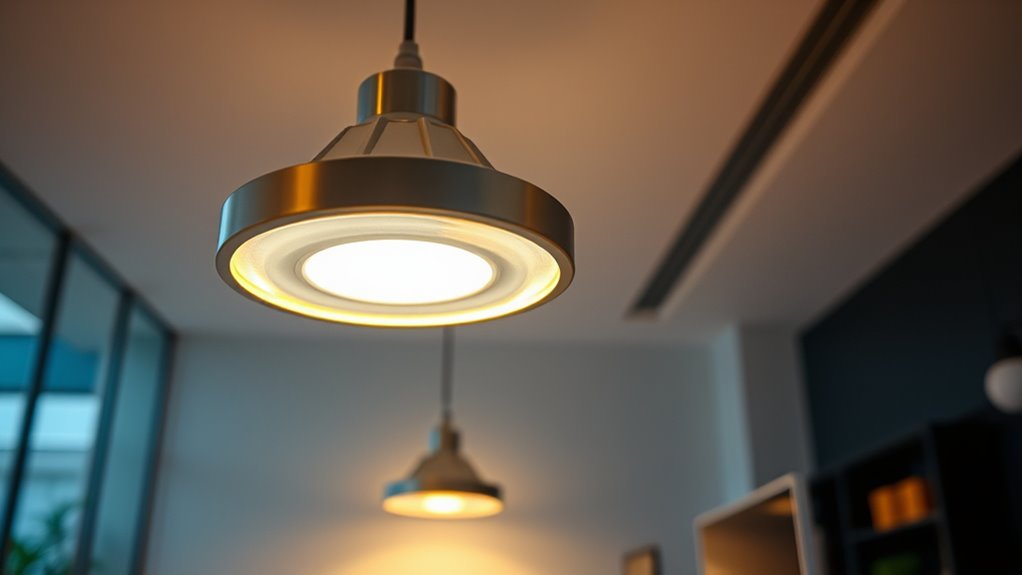
First, consider brightness, which is measured in lumens. A brighter light isn’t always better; it depends on your space’s purpose. For example, a cozy living room might need softer lighting, around 1,000 to 2,000 lumens, while a kitchen or workspace may require 3,000 lumens or more. When shopping, don’t just look at wattage—wattage indicates energy consumption, not brightness. Instead, focus on lumens to gauge how much light you’ll get. This way, you can pick an LED that provides enough illumination without wasting energy or creating glare.
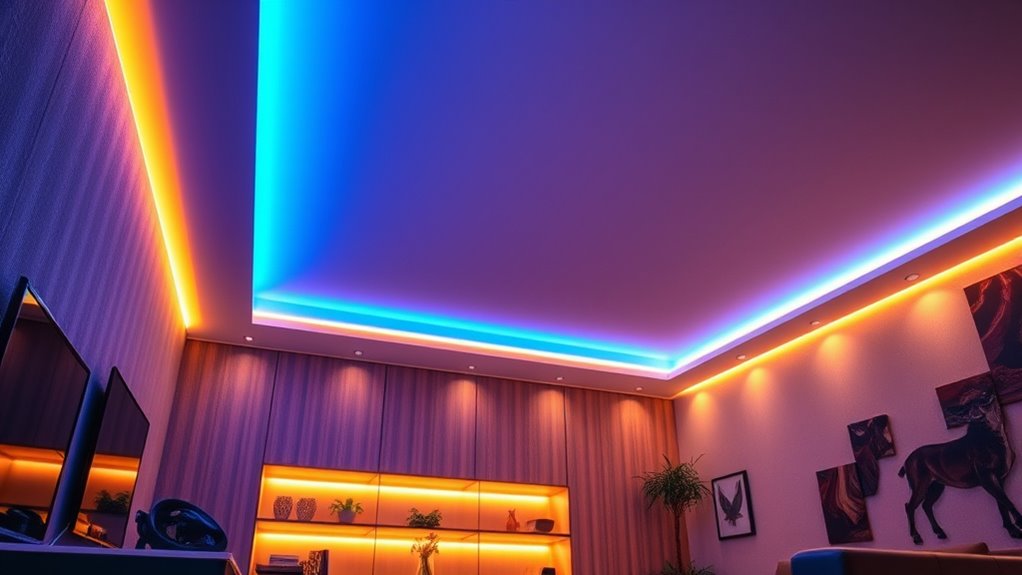
Color temperature is another vital factor. It influences the atmosphere of your space. Measured in Kelvins (K), warmer tones around 2700K to 3000K produce a cozy, yellowish glow, perfect for living rooms or bedrooms. Cooler tones, from 4000K to 5000K, emit a crisp, bluish light suited for task lighting in kitchens or offices. Choosing the right color temperature helps you create an ambiance that matches your activities and mood, making your space feel more inviting and functional.
Savings are a primary benefit of LEDs, but only if you pick energy-efficient options. Look for LEDs with a high lumen-per-watt ratio; these deliver more light for less power. Additionally, check for ENERGY STAR ratings, which certify that the bulb meets strict efficiency standards. While LEDs might cost more upfront, they use considerably less electricity and last much longer than traditional bulbs, translating into lower energy bills and fewer replacements. Some LEDs even come with dimming capabilities, allowing you to adjust brightness according to your needs, further conserving energy and extending the lifespan of the bulb. Incorporating LEDs with efficient design features enhances both savings and performance over time.

Stroller Organizer with Cup Holder, Non-Slip Stroller Caddy Baby Essentials
- Large Capacity Storage: Holds bottles, diapers, toys, snacks
- Ideal Baby Shower Gift: Perfect for new moms and dads
- Universal Compatibility: Fits Uppababy, Baby Jogger, more
As an affiliate, we earn on qualifying purchases.
Frequently Asked Questions
How Long Do LED Lights Typically Last Before Needing Replacement?
LED lights typically last between 25,000 to 50,000 hours before needing replacement. You can expect them to last several years, depending on usage and quality. To maximize their lifespan, avoid frequent switching on and off, and guarantee proper installation. High-quality LEDs tend to last longer and perform better over time. When they start to dim or flicker, it’s a sign it’s time to replace them.
Can LEDS Be Dimmed Without Affecting Their Lifespan?
Yes, you can dim LEDs without affecting their lifespan if you use compatible dimmers and proper wiring. Dimming reduces the electrical stress on the LED components, which can actually help extend their life. Just make sure to choose dimmers specifically designed for LEDs, as incompatible ones can cause flickering or damage over time. Proper installation and using quality products will guarantee your LEDs last longer, even when dimmed.
Are There Eco-Friendly Options for Disposal of LED Bulbs?
Imagine your LED bulb as a tiny eco-warrior on a mission. When it’s time to part ways, you can recycle it through specialized e-waste programs or drop it at designated recycling centers. These options are like sending your warrior to a safe haven, ensuring hazardous materials are handled responsibly. By choosing eco-friendly disposal, you help protect our planet, giving your LED’s energy-saving spirit a sustainable farewell.
Do LED Lights Emit Any Harmful Radiation or UV Rays?
No, LED lights don’t emit harmful radiation or UV rays. They produce light through a process called electroluminescence, which doesn’t involve the UV spectrum or produce ionizing radiation. This makes LEDs safer for your eyes and skin compared to some traditional lighting options. You can use them confidently indoors and outdoors without worry about harmful radiation exposure, making them a healthier, eco-friendly lighting choice.
How Do Outdoor LED Lighting Systems Withstand Extreme Weather Conditions?
Outdoor LED lighting systems are built to withstand extreme weather conditions by using durable materials like die-cast aluminum and high-quality seals. You’ll find they are often rated with an IP (Ingress Protection) rating, which indicates resistance to dust and water. These features make certain your lights won’t falter during heavy rain, snow, or high winds. Proper installation and regular maintenance also help extend their lifespan in harsh environments.
Conclusion
When you choose LEDs done right, you’re not just lighting up your space—you’re making a smart move for your wallet and the environment. With the right brightness, color, and savings, you’ll see the difference in both atmosphere and expenses. Don’t let this opportunity slip through your fingers; now’s the time to switch and shine brighter than ever. Remember, a little effort today can brighten your future in ways you never imagined.