Many people overlook how much money they waste on devices left on standby, called phantom loads. Even when turned off, items like chargers, smart TVs, and electronics still draw power, adding up over time. This constant energy drain can silently inflate your bills year after year. By unplugging devices or using power strips, you can cut these costs considerably. Keep exploring to discover simple habits that can save you money and reduce your environmental impact.
Key Takeaways
- Many devices, like chargers and smart TVs, draw power constantly, even when not in use, increasing energy costs unnoticed.
- Leaving appliances plugged in during idle periods can add dozens of dollars annually to energy bills.
- Using power strips to switch off multiple devices simultaneously prevents energy vampires from draining power.
- Devices with standby or low-power modes still consume energy, often more than users realize.
- Small, habitual unplugging of unused electronics significantly reduces unnecessary phantom load expenses.
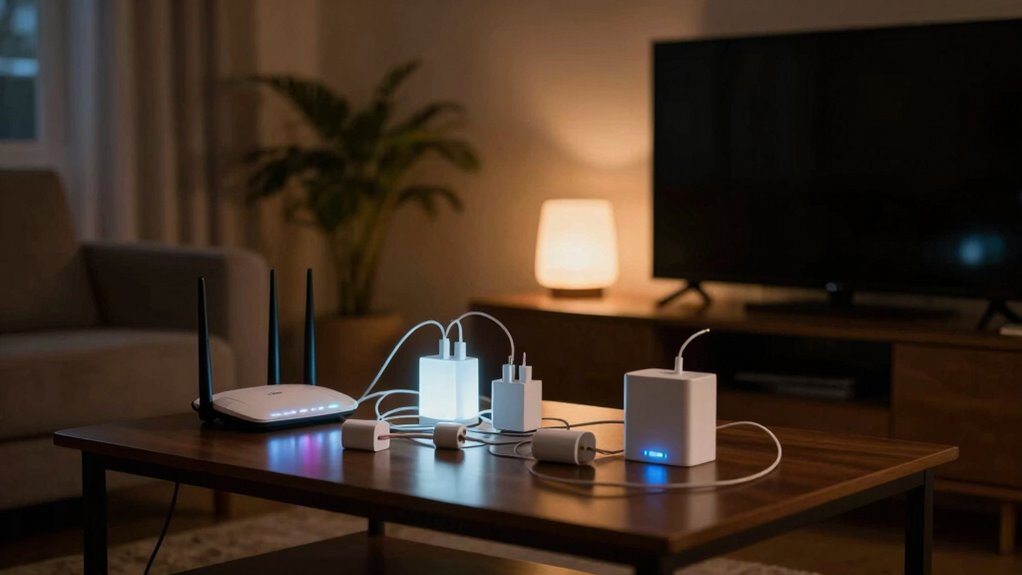
Many of us unknowingly waste energy and money every day by leaving electronic devices on standby—these are the phantom loads. These little energy vampires quietly drain power, even when you’re not actively using the device. It’s easy to overlook how much standby power can add up over time, but the truth is, it’s a significant contributor to your energy bill. Every TV, computer, or charger left plugged in continues to draw electricity, often at a low rate, but collectively, it can become a costly habit. Recognizing these energy vampires is the first step toward cutting your unnecessary energy consumption.
Unplug devices to stop energy vampires and save money on your power bill.
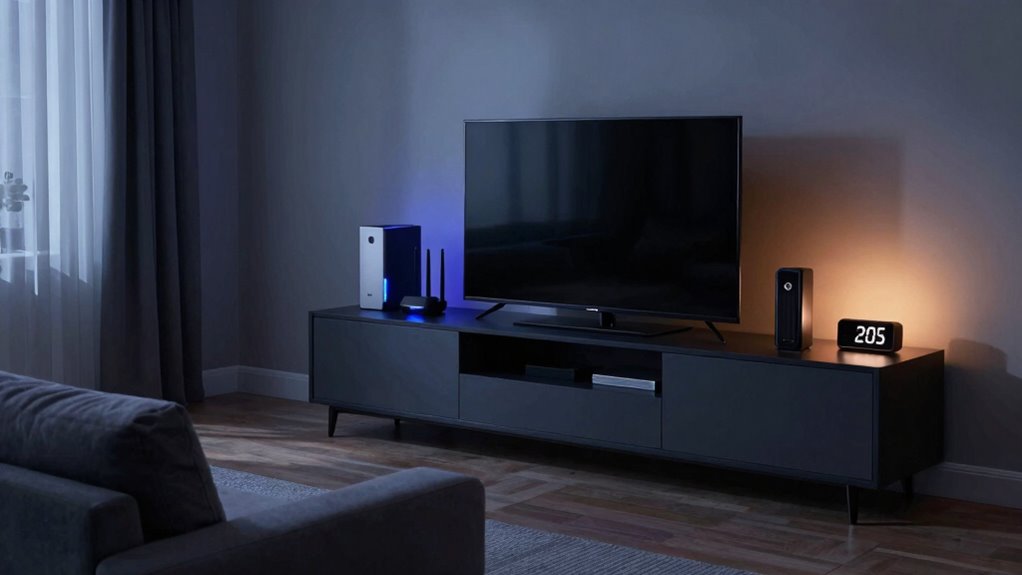
Standby power is the hidden culprit behind much of this waste. It’s the electricity used by appliances and electronic devices when they’re turned off but still plugged in. Many devices don’t fully power down; instead, they enter a low-power state that keeps certain functions ready for quick use—like instant-on features or remote controls. While convenient, this constant trickle of power can add up to a hefty sum over months and years. For example, leaving a smart TV plugged in can cost you dozens of dollars annually in standby power, simply because it’s always drawing a small amount of energy. It’s easy to dismiss it as insignificant, but when multiplied across multiple devices, the costs grow quickly. Additionally, choosing energy-efficient appliances can help minimize standby power consumption through energy-saving certifications****.
You can take simple steps to reduce these phantom loads. Unplug devices when you’re not using them for extended periods, especially chargers, gaming consoles, and kitchen gadgets. Using power strips makes this easier—you can cut power to multiple devices with a single switch instead of unplugging each one individually. Smart power management features in newer appliances can further help reduce standby power. Also, look for appliances and electronics with energy-efficient features or those labeled with energy-saving certifications. Some newer models have smarter power management and consume less standby power. Being aware of and managing these energy vampires can significantly cut your ongoing costs and impact. Incorporating energy efficiency into your home routines not only saves money but also helps reduce overall energy demand, contributing to environmental conservation efforts.
It’s also worth noting that energy-efficient appliances often incorporate innovative technologies designed to minimize idle power consumption, further benefiting your savings and the environment. Being mindful about standby power isn’t just about saving money; it’s also about reducing your overall energy footprint. The more energy you save by turning off or unplugging devices, the less demand there is on power plants and the environment. It’s a small change that can make a meaningful difference, especially as more devices become connected and energy consumption continues to rise. By actively managing your electronic devices and resisting the pull of these energy vampires, you’re not only trimming your bills but also contributing to a more sustainable lifestyle. The effort is simple, and the impact is substantial—cutting down on phantom loads is a smart move for your wallet and the planet.
power strip with switch for electronics
As an affiliate, we earn on qualifying purchases.
As an affiliate, we earn on qualifying purchases.
Frequently Asked Questions
How Can I Measure My Home’s Phantom Load Accurately?
To measure your home’s phantom load accurately, use an energy monitor designed for this purpose. Plug the monitor into your outlets and then connect appliances to it. Turn off or unplug devices when not in use to see how much energy they consume in standby mode. Regular energy monitoring helps you identify which appliances are draining power unnecessarily, so you can unplug them and save money.
Are There Specific Appliances That Contribute Most to Phantom Loads?
Coincidences often reveal hidden truths, like how certain appliances quietly drain power. Appliances with constant standby mode, such as TVs, gaming consoles, and chargers, contribute most to phantom loads. Their power consumption persists even when off, silently increasing your energy bill. You can reduce these costs by unplugging devices or using smart power strips. Recognizing these culprits helps you cut waste and save money without much effort.
Can Smart Devices Help Reduce Phantom Energy Consumption?
Yes, smart devices can help reduce phantom energy consumption. Smart plugs, when paired with energy monitoring features, let you easily turn off appliances when not in use and track their energy use. This way, you identify which devices draw power even when idle. By controlling and monitoring your appliances through smart plugs, you cut down on unnecessary phantom loads, saving you money and energy in the long run.
What Is the Environmental Impact of Phantom Loads?
Think of phantom loads as silent thieves draining your energy, contributing to unseen environmental harm. These hidden costs of energy wastage add up, increasing pollution and carbon emissions, which accelerate climate change. By ignoring these small, constant power draws, you unknowingly support a system that harms ecosystems and depletes resources. Reducing phantom loads helps protect the environment, saving energy and minimizing your carbon footprint—making a big difference with small actions.
Are There Cost-Effective Ways to Eliminate Phantom Loads Completely?
Yes, there are cost-effective ways to eliminate phantom loads. You can start with energy auditing to identify devices with high standby power consumption. Use smart power strips or unplug electronics when not in use, which often costs less than continuous energy savings. Conducting a cost comparison shows these methods save money over time, making them practical solutions for reducing unnecessary energy waste and lowering your electricity bills effectively.
Conclusion
You might not realize it, but those phantom loads quietly drain your energy and wallet. Did you know that these standby power habits can account for up to 10% of your household energy use? By unplugging devices or using smart power strips, you can cut costs and reduce waste. Taking small steps today not only saves money but also helps protect the environment. So, be mindful of those phantom habits—you’ll notice the difference in your bills and your planet.