
Recirculation pumps help end the long wait for hot water by instantly delivering it to your faucets. They improve energy efficiency, reduce water waste, and lower your bills. You can choose models with timers, thermostats, or motion sensors, so the pump runs only when needed. While installation costs vary, the long-term savings and added convenience make it a smart upgrade. Keep exploring to discover how these systems can fit into your home.
Key Takeaways
- Recirculation pumps deliver instant hot water by maintaining constant flow near faucets.
- Modern systems use timers, thermostats, or motion sensors to run only when needed.
- Proper installation minimizes wait time and enhances overall hot water availability.
- Smart controls optimize pump operation, reducing energy use and water waste.
- Investing in recirculation systems improves comfort and reduces household water and energy costs.
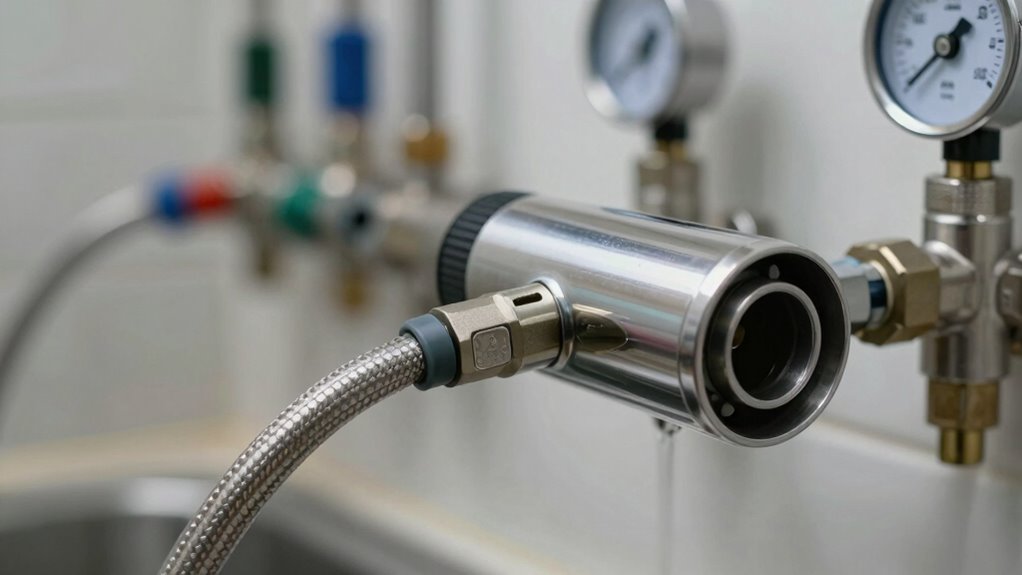
Recirculation pumps are designed to improve energy efficiency in your home’s hot water system. By maintaining a constant flow of hot water near your faucets, they minimize the amount of water wasted while waiting for hot water to arrive. This means you’re using less water overall, which can lower your water bills and reduce the strain on your municipal water supply. Additionally, modern recirculation systems are equipped with timers, thermostats, or motion sensors. These features help ensure the pump runs only when needed, further improving energy efficiency by preventing unnecessary operation. As a result, you get the convenience of instant hot water without significantly increasing your energy consumption, especially if you opt for energy-efficient models. Understanding the home theater and gaming gear can also help you create a comfortable environment while managing energy use effectively.
However, installing a recirculation pump isn’t without its costs. The installation costs can vary depending on your home’s plumbing layout and whether your existing system requires modifications. If your plumbing is straightforward and close to your water heater, installation might be relatively simple and affordable. Conversely, if your pipes are long or complex, installing a recirculation pump could involve more labor and higher expenses. You might need additional piping, a dedicated return line, or upgrades to your water heater. While the initial investment can be a few hundred to over a thousand dollars, many homeowners find that the savings on water bills and increased comfort justify the expense over time. Proper system design can also optimize performance and energy savings. Installing a recirculation pump with smart controls can further enhance efficiency by adapting to your household’s usage patterns. It’s also important to consider long-term maintenance to ensure the system continues to operate efficiently over the years. Keep in mind that professional installation is recommended to ensure the system is set up correctly and safely.
In the end, a recirculation pump offers a practical solution to the age-old problem of waiting for hot water. It enhances your home’s energy efficiency by reducing water waste and can be quite cost-effective in the long run. Although the upfront installation costs vary, the convenience and savings make it a worthwhile investment for many households. With the right system and professional setup, you’ll enjoy instant hot water at your fingertips and do your part to conserve water and energy.
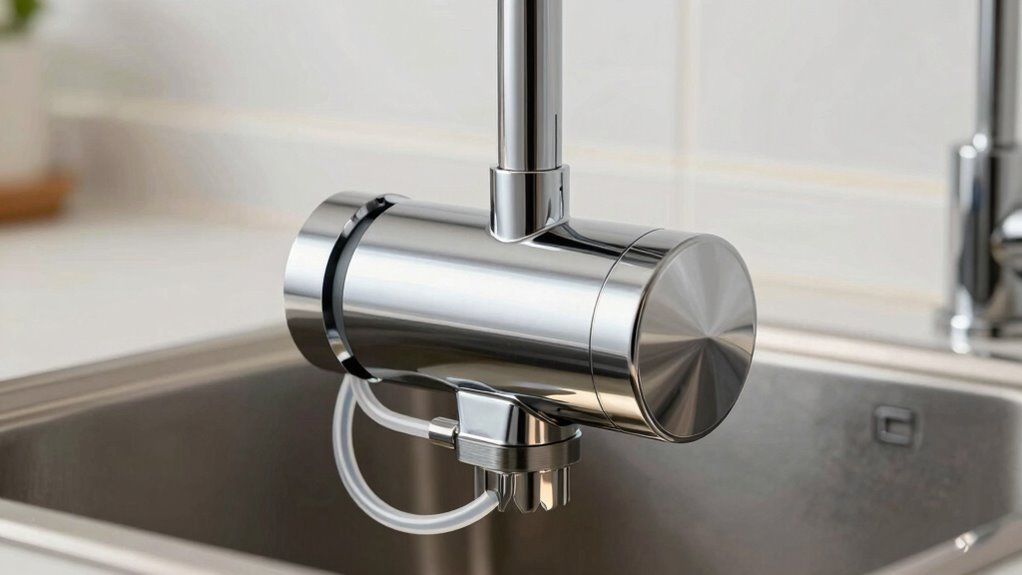
recirculation pump for hot water
As an affiliate, we earn on qualifying purchases.
As an affiliate, we earn on qualifying purchases.
Frequently Asked Questions
How Do Recirculation Pumps Save Energy?
Recirculation pumps save energy through advanced pump technology that reduces unnecessary operation and minimizes heat loss. By efficiently circulating hot water only when needed, they prevent wasteful running times, boosting energy efficiency. You’ll notice lower utility bills and a more sustainable home. Modern pumps often feature smart controls, allowing you to customize operation schedules, ensuring the system runs only when necessary, conserving energy, and providing hot water instantly.
Are Recirculation Pumps Suitable for All Home Sizes?
Think of recirculation pumps like a central nervous system, coordinating hot water flow in your home. They’re suitable for many home sizes, especially when integrated with home automation systems. Small homes benefit from quick hot water access, while larger homes might need multiple pumps or zoning. Regular pump maintenance guarantees efficiency, preventing failures. Always assess your home’s plumbing layout to determine if a recirculation pump fits your needs and maximizes energy savings.
What Is the Average Lifespan of a Recirculation Pump?
You can expect a recirculation pump to last around 5 to 10 years with proper pump maintenance. Regularly checking for leaks, listening for unusual noises, and guaranteeing the system runs smoothly help extend its lifespan. Keep cost considerations in mind, as maintenance may involve occasional repairs or replacements. Investing in quality pumps and routine upkeep can save you money in the long run and ensure your hot water system performs reliably.
Can Recirculation Pumps Be Installed in Existing Plumbing?
Installing a recirculation pump in your existing plumbing is like fitting a new gear into a well-oiled machine. It’s generally possible, but you might face some installation challenges, especially with complex or older systems. Consider cost factors too, as installation may require additional parts or modifications. However, with proper planning, you can enjoy instant hot water and better energy efficiency, making it a worthwhile upgrade.
Do Recirculation Pumps Increase Water Pressure?
Recirculation pumps don’t considerably increase water pressure; instead, they improve water flow by circulating hot water more efficiently. You might notice a slight boost in flow rate, but the main purpose isn’t pressure enhancement. Be aware that some pumps can create noise, which might bother you, especially if installed near living spaces. Overall, they optimize hot water delivery without markedly affecting your home’s water pressure or causing excessive pump noise.
Conclusion
Installing a recirculation pump can dramatically cut down your wait for hot water, saving you time and frustration. Did you know that households waste up to 12,000 gallons of water each year just waiting for hot water to arrive? That’s enough to fill a small swimming pool! By investing in a recirculation pump, you not only enjoy instant hot water but also contribute to water conservation efforts. Make the switch and experience the convenience today.