Proper venting and airflow are essential because they help your HVAC system run efficiently by ensuring smooth air movement and reducing strain on equipment. When airflow is blocked or venting is poor, your system works harder, consumes more energy, and wears out faster. Good ventilation improves indoor air quality and temperature balance, saving you money and prolonging your system’s lifespan. Keep going to discover how maintaining airflow and venting benefits your comfort and savings even more.

Turn the school run and nap time into listening time
- Thousands of audiobooks, podcasts and originals
- Listen on your phone, tablet or Echo — also offline
- Cancel anytime
Key Takeaways
- Proper venting and airflow optimize HVAC system performance by preventing strain and ensuring efficient operation.
- Adequate airflow reduces pollutant buildup, maintaining indoor air quality and preventing system overloads.
- Balanced airflow ensures consistent temperature distribution, decreasing energy waste from hot or cold spots.
- Regular maintenance keeps airflow unobstructed, prolonging equipment lifespan and reducing repair costs.
- Poor ventilation causes increased energy consumption due to inefficient operation and system strain.
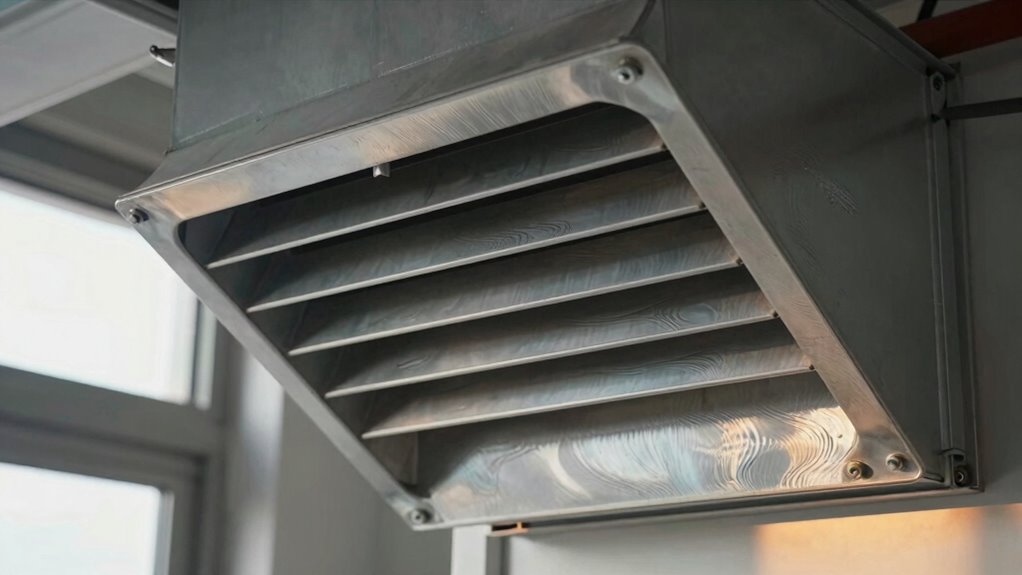
Have you ever wondered how proper venting and airflow can boost the efficiency of your heating, cooling, or ventilation systems? The truth is, these elements play a crucial role in maintaining good indoor air quality and ensuring your systems operate smoothly. When ventilation systems are designed and maintained correctly, they move air effectively, removing pollutants, excess humidity, and stale air that can otherwise diminish efficiency. Poor ventilation leads to stagnant air, which makes your systems work harder to achieve comfort, ultimately increasing energy consumption and costs.
Good airflow isn’t just about comfort; it directly impacts how well your systems perform. When air circulates freely, your heater or air conditioner doesn’t have to overcompensate for blockages or poor circulation. This means your systems can operate at their most effective capacity, using less energy while providing better temperature control. Conversely, restricted airflow caused by clogged filters, closed vents, or poorly designed ductwork can cause your equipment to strain, leading to increased wear and tear, higher utility bills, and a shorter lifespan for your appliances. Proper ventilation design ensures that airflow is optimized throughout your space, preventing these issues. Additionally, ensuring your ductwork is properly sealed minimizes leaks that can reduce system efficiency.
Indoor air quality is tightly linked to how well your ventilation systems function. Properly ventilated spaces reduce the buildup of indoor pollutants, allergens, and moisture that can foster mold growth. When airflow is inadequate, these issues worsen, and your systems have to work even harder to maintain a healthy environment. This increased workload not only lowers efficiency but can also compromise your health and comfort. Ensuring your ventilation systems are correctly balanced and free of obstructions guarantees that fresh air replenishes indoor spaces, helping to keep air clean and your systems running smoothly. Regular inspections and air quality management can further enhance the overall effectiveness of your ventilation.
Furthermore, airflow influences the distribution of heated or cooled air throughout your home or workspace. Even airflow ensures consistent temperatures and prevents hot or cold spots, which reduces unnecessary cycling of your HVAC units. When your systems don’t have to compensate for uneven airflow, they operate more efficiently, saving energy and reducing wear. Proper venting also prevents pressure imbalances that can cause backdrafting or leaks, which further compromise indoor air quality and system performance. Regularly checking airflow balance can help identify and correct issues before they impact efficiency.
In essence, effective venting and airflow are the backbone of a high-performing HVAC setup. They keep indoor air quality high, reduce strain on your systems, and lower energy bills. Regular maintenance—like cleaning filters, inspecting ductwork, and ensuring vents aren’t blocked—keeps airflow unobstructed and your ventilation systems functioning at peak efficiency. When you prioritize proper venting and airflow, you’re not just improving comfort; you’re making your systems more durable, energy-efficient, and capable of providing a healthier indoor environment.
Products Worth Considering

eufy Security SoloCam E42 4-Camera Kit, 4K Solar Security Camera System

Levoit Vital 100S-P Air Purifier with Washable Pre-Filter

Levoit Air Purifier for Home, Pets, Bedroom – Smart Wi‑Fi for Large Rooms
As an affiliate, we earn on qualifying purchases.
Frequently Asked Questions
How Does Vent Size Influence Overall System Performance?
You’ll see that vent size directly impacts system performance. If the vent is too small, it restricts airflow, causing your system to work harder and reducing efficiency. Conversely, a properly sized vent guarantees smooth airflow, helping your system operate at its best. Larger vents improve ventilation, prevent overheating, and boost overall performance. So, choosing the right vent size is essential for maintaining efficiency and guaranteeing your system runs reliably.
Can Poor Airflow Cause Increased Energy Bills?
Poor airflow can definitely raise your energy bills because your HVAC system works harder to maintain comfortable indoor air quality. When airflow is restricted, it strains the system, leading to increased energy consumption. Additionally, inadequate venting can cause noise issues, making your space less comfortable. Ensuring proper airflow not only improves indoor air quality but also reduces noise and keeps energy costs in check.
What Materials Are Best for Optimal Venting?
Is choosing the right vent material selection key to airflow optimization? Absolutely. You should opt for durable, corrosion-resistant materials like galvanized steel, aluminum, or flexible PVC, which promote smooth airflow and prevent blockages. These materials are easy to install and maintain, ensuring efficient venting. By selecting the best vent materials, you maximize airflow, reduce energy costs, and improve overall system performance. Have you checked your vent materials lately?
How Often Should Vents Be Inspected or Cleaned?
You should inspect and clean your vents at least once a year to maintain proper duct maintenance. Regular cleaning helps prevent dust buildup that can obstruct airflow, ensuring airflow balance throughout your system. If you notice reduced airflow or increased energy bills, consider more frequent inspections. Proper vent upkeep keeps your HVAC system running efficiently, saves energy, and prolongs its lifespan. Prioritize periodic checks for peak performance and comfort.
Do Different Climates Require Different Ventilation Strategies?
Yes, different climates require tailored ventilation strategies to meet climate adaptation needs. In humid areas, you need enhanced airflow and dehumidification, while colder regions focus on retaining heat with proper vent placement. Following ventilation standards specific to your climate ensures ideal airflow, energy efficiency, and indoor air quality. Adjusting your ventilation approach based on climate helps you maintain comfort and prevent issues like mold or heat loss, making your system more effective.
Conclusion
By now, you realize that proper venting and airflow are the unsung heroes of efficiency, transforming your space into a powerhouse of productivity. Neglecting these elements is like trying to run a marathon with a flat tire—utterly futile. When you optimize airflow, you reveal the full potential of your environment, making your efforts feel effortless and your results extraordinary. Don’t underestimate the power of good ventilation; it’s the breath of life your efficiency desperately needs.