
TL;DR

Turn the school run and nap time into listening time
- Thousands of audiobooks, podcasts and originals
- Listen on your phone, tablet or Echo — also offline
- Cancel anytime
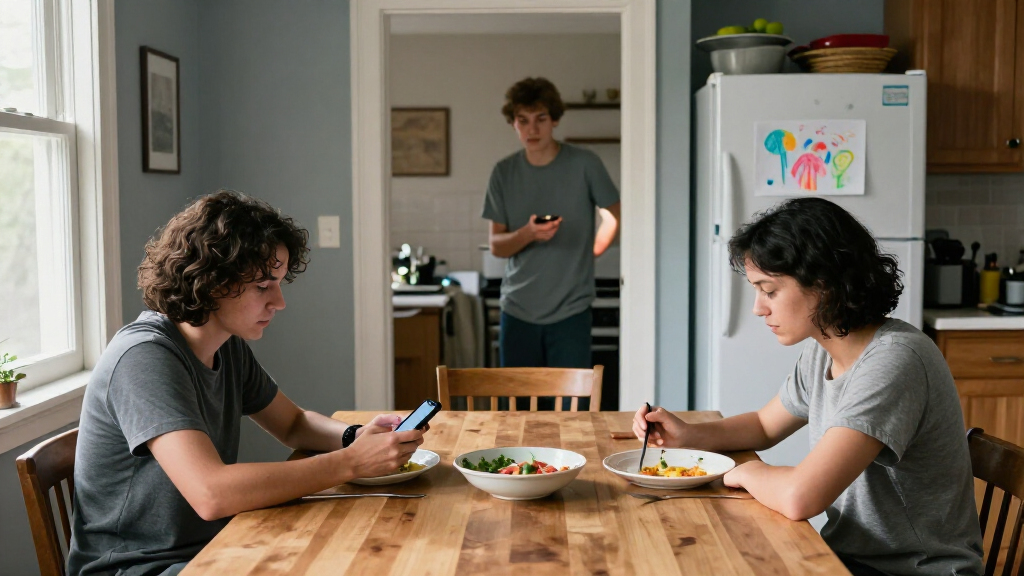
Family solicitor Grant Stephens says increased device privacy, new attention to finances, reluctance to make future plans, emotional distance and a stronger focus on independence can appear before a separation. He presents them as possible signs, not proof that a partner intends to divorce. The report offers no data showing how often these behaviors lead to divorce.
A MadeForMums feature linked to January’s rise in divorce enquiries lists five behavior changes that family solicitor Grant Stephens says may appear when a partner is considering separation: greater privacy around devices, new attention to finances, reluctance to make future plans, emotional distance and a stronger focus on independent routines. Stephens presents these as possible signs, not proof of an intention to divorce.
Stephens, managing director of Grant Stephens Family Law, says people may show small changes rather than make a dramatic announcement. The feature describes the behaviors as patterns that can become noticeable over time, particularly when a relationship has already been under strain. It does not say that any one behavior establishes what a partner is thinking.
The five examples include becoming more guarded with a phone or other device; asking more questions about joint money or opening a separate bank account; avoiding trips or discussions about plans for the coming year; becoming irritable, withdrawn or indifferent; and spending more time on personal interests, friendships or routines. Stephens says device privacy is not necessarily evidence of an affair: a person might also be researching legal options or confiding in someone.
The feature cites online searches for “how to get a divorce,” reporting 3,600 searches in January 2024 and saying the pattern repeated in January 2025. Those are search counts, not a measure of divorces filed, and the source does not provide a comparison baseline or explain the search-data methodology. Stephens also says family law firms often see more divorce enquiries around January, though the feature provides no enquiry figures.
Reading Relationship Changes Carefully
The list may give readers language for changes they have noticed, but treating ordinary behavior as a diagnosis could increase suspicion or conflict. These signs are ambiguous: financial questions, private device use, a new hobby or reluctance to book a trip can have explanations unrelated to divorce. The report does not establish that the behaviors predict a separation or say how frequently they occur before one.
Stephens says noticing patterns may help someone decide whether to talk through concerns, seek support from people they trust or get legal advice. For parents, he says children should remain central to decisions. The feature also notes that finances, shared assets and the home may need consideration if separation is being discussed. It does not offer individualized legal advice or say that staying together is always best for children.
As an affiliate, we earn on qualifying purchases.
January Searches and Divorce Enquiries
The feature refers to January 6 as National Divorce Day and describes a seasonal increase in divorce enquiries and searches after the holiday period. Stephens attributes some of the timing to people reflecting on relationships during the festive season and deciding to make changes in the New Year. The report frames this as his account of a pattern seen in family law work, not as a demonstrated cause of divorce.
The cited search figure is specific to the term “how to get a divorce” in January 2024; the source says searches also peaked in January 2025 but gives no count for that month. Search activity can indicate interest in information, but it does not show whether searchers pursued legal action or separated.
“A sudden need for privacy, especially if it hasn’t been an issue before, can be an early sign that something is changing.”
— Grant Stephens
Signs Cannot Confirm a Divorce Plan
The feature does not provide research showing that the five behaviors reliably predict divorce, nor does it report how often they occur in couples who later separate. Stephens’s list reflects his professional experience, as presented by MadeForMums, and individual behavior can have many causes. The cited January search counts also do not establish a corresponding rise in divorce filings.
It is not clear whether the behaviors described are occurring in any particular reader’s relationship, or whether a partner is considering separation. The source does not identify the underlying search-data provider or explain how the January 2025 pattern was measured. Those limits mean the list should not be treated as a test or a substitute for direct discussion and qualified advice.
Support and Advice if Concerns Grow
The feature advises people who are worried to consider addressing concerns, speaking with trusted loved ones or seeking legal advice. If a couple is discussing separation, Stephens says parents should keep children’s needs in view and consider practical matters such as finances, the home and other shared assets. The article does not describe a specific legal process or set out steps that apply to every family.
For readers, the next meaningful development would be a direct conversation or advice based on their own circumstances—not an assumption drawn from one behavior. No further data, legal announcement or follow-up study is included in the source material.
Key Questions
What five behaviors does the family lawyer identify?
Grant Stephens lists increased privacy around devices, unusual attention to finances, avoiding future plans, emotional withdrawal or irritability, and a new focus on independent interests, friendships or routines.
Do these behaviors mean a partner is planning to divorce?
No. Stephens describes them as possible signs, not proof. The feature does not provide evidence that these behaviors reliably predict divorce, and each may have other explanations.
What January divorce-search figure does the report cite?
MadeForMums reports 3,600 searches for “how to get a divorce” in January 2024 and says the pattern repeated in January 2025. The source gives no count for 2025 and does not equate searches with divorce filings.
What does Stephens suggest if someone is concerned?
He says a person may address concerns, seek legal advice or reach out to trusted people. For parents considering separation, he says children should be central to decisions.
Source: rss
Fall Picks
fall essentials
As an affiliate, we earn on qualifying purchases.