TL;DR
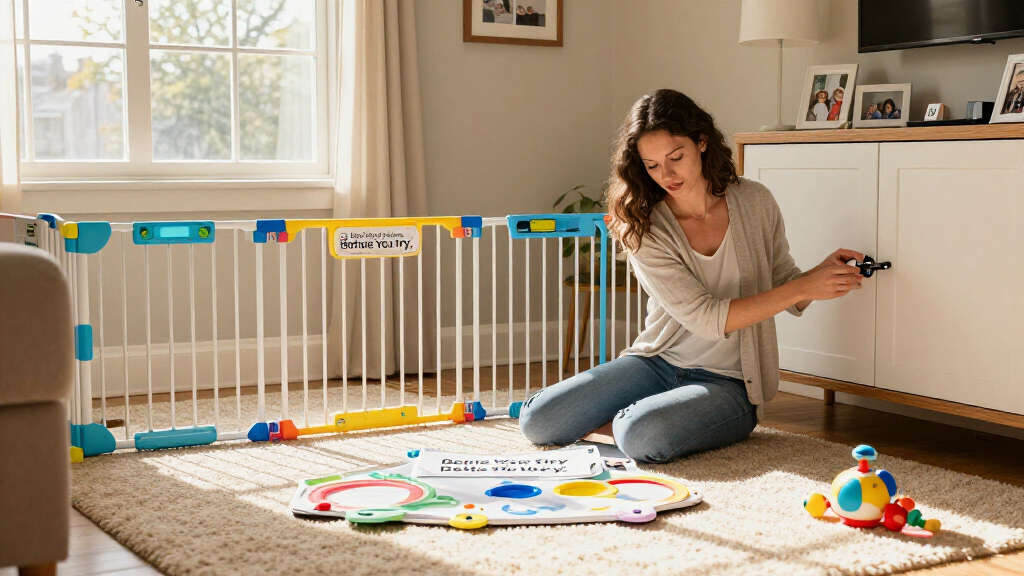
The Baby Safety Alliance has launched a new campaign called ‘Before You Try’ to promote verifying parenting advice amid a surge in viral, unverified tips online. The initiative aims to improve child safety by encouraging parents to seek trusted information before acting on trending advice.
The Baby Safety Alliance has launched a new initiative called ‘Before You Try’, aimed at encouraging parents to verify parenting advice before acting on viral tips circulating online. This development comes amid a significant increase in the popularity of unverified parenting trends, which have raised concerns about child safety and misinformation.
The Baby Safety Alliance, a nonprofit organization dedicated to child safety, announced the launch of ‘Before You Try’ on March 2024. The campaign is designed to promote critical evaluation of parenting advice that gains popularity on social media and online platforms. According to the Alliance, the initiative emphasizes consulting trusted sources such as pediatricians, official health organizations, and verified parenting resources before implementing new tips or routines.
While the campaign’s full scope is still being finalized, officials confirmed that it will include educational materials, online awareness efforts, and partnerships with pediatric healthcare providers. The launch follows a noticeable spike in searches related to viral parenting advice, some of which have been linked to unsafe practices or unproven methods.
Experts have expressed concern that the rapid spread of unverified advice can lead to harmful outcomes, especially when parents follow tips without consulting professionals. The Alliance aims to combat this trend by empowering parents with tools and information to make safer choices for their children.
Why Verifying Parenting Advice Matters for Child Safety
The launch of ‘Before You Try’ is significant because it addresses a growing public health concern: the proliferation of unverified parenting advice online. Misinformation can lead to unsafe practices, such as improper feeding techniques, incorrect sleep routines, or the use of untested products, all of which pose risks to infants and young children.
By promoting verification and trusted sources, the campaign aims to reduce the incidence of harm caused by following unproven tips. It also underscores the importance of parental education and the role of healthcare professionals in guiding safe parenting practices. The initiative could influence how information is shared and consumed among parents, potentially setting a standard for responsible advice dissemination in the digital age.
As an affiliate, we earn on qualifying purchases.
Over the past year, there has been a marked increase in social media content offering parenting tips that go viral, often without scientific backing. These tips frequently spread rapidly among parent communities seeking quick solutions or innovative ideas. Some of these viral trends have included untested sleep aids, dietary recommendations, or sleep training methods that lack endorsement from pediatric experts.
This trend has prompted concern from child safety advocates and healthcare professionals, who warn that unverified advice can sometimes lead to unsafe practices. The increase in online searches related to trending parenting tips has coincided with reports of injuries and safety issues linked to unproven methods. The Baby Safety Alliance’s new campaign responds to this context by emphasizing the importance of verification and trusted information sources.
While social media platforms have taken steps to flag or remove harmful content, the sheer volume of advice remains a challenge. The campaign’s focus on parental verification aims to fill a gap by encouraging critical evaluation before adopting new practices.
Scope and Implementation of the ‘Before You Try’ Campaign Still Unclear
Details about the full rollout, specific materials, and partnerships for the ‘Before You Try’ campaign are still being finalized. It is not yet clear how widely the campaign will be promoted or how it will be integrated into existing parenting resources. Additionally, the effectiveness of the initiative in changing parental behavior remains to be seen, as it is a new launch.
Experts and parents alike are awaiting further information on how the campaign will be executed and measured for impact, as well as how social media platforms might support verification efforts.
Next Steps for the ‘Before You Try’ Initiative
The Baby Safety Alliance plans to release detailed campaign materials and educational resources in the coming months. It will also collaborate with healthcare providers and parent organizations to promote the message of verification.
Monitoring the campaign’s reach and impact will be a priority, with potential adjustments based on feedback and observed outcomes. Additionally, the Alliance may expand partnerships with social media platforms to help flag or verify trending advice.
Parents and caregivers are encouraged to stay informed through official channels and consult trusted medical sources before trying new parenting tips circulating online.
Key Questions
What is the main goal of the ‘Before You Try’ campaign?
The campaign aims to promote verifying parenting advice before following viral tips to ensure child safety and prevent harm from unproven practices.
Who is launching the ‘Before You Try’ campaign?
The Baby Safety Alliance, a nonprofit dedicated to child safety, announced the initiative in March 2024.
How will the campaign be implemented?
Details are still being finalized, but it will include educational materials, online awareness efforts, and partnerships with healthcare providers and parent organizations.
Why is there concern about viral parenting advice?
Unverified advice can lead to unsafe practices, such as improper sleep routines or the use of untested products, which pose risks to children’s health and safety.
What should parents do now?
Parents are encouraged to consult trusted healthcare professionals and verify advice through reputable sources before trying new tips they see online.
Source: rss