
TL;DR

Get baby and family essentials delivered free — and shop member deals
- Fast, free delivery on millions of items
- Access to Prime Big Deal Days deals on October 6–7
- Prime Video, Amazon Music and more included
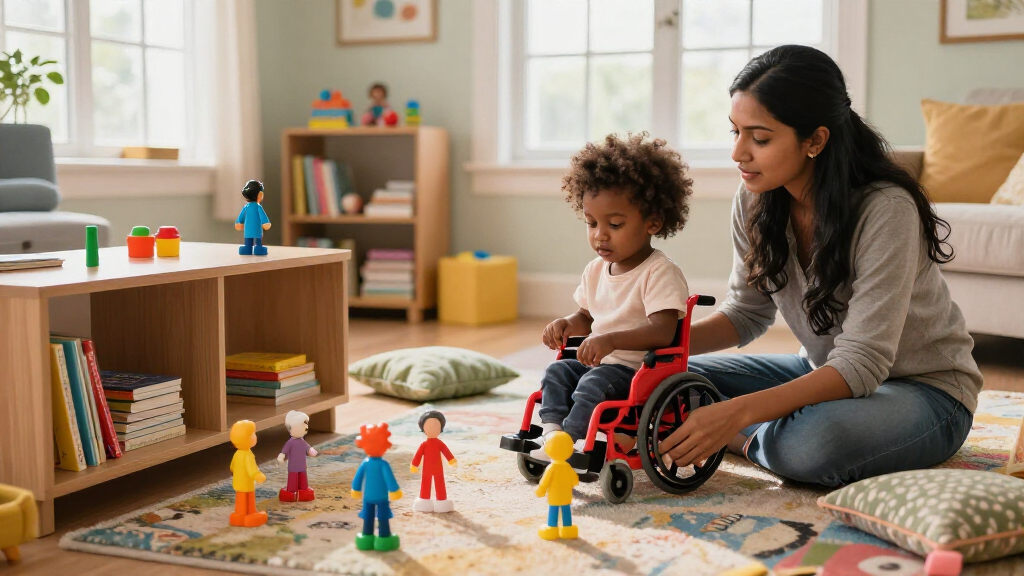
A new report by Inclusive Books for Children finds that the number of UK children’s books featuring Black, South Asian, and disabled main characters declined in 2025. While some categories saw slight increases from low baselines, overall representation for marginalized groups fell by 8%. Experts warn against relying solely on ‘diversity as the plot’ and call for more incidental representation.
Representation of Black, South Asian, and disabled main characters in UK children’s books declined in 2025, according to a new report by the charity Inclusive Books for Children (IBC). The analysis of 2,189 traditionally published titles revealed an 8% drop in books featuring marginalized main characters compared to 2024, raising concerns among educators and authors about the narrowing scope of stories available to young readers.
The IBC’s Excluded Voices 2026 report examined books for children aged 1 to 9, including picture books and fiction. It found that only 150 titles (6.9%) featured main characters from marginalized groups. While the overall proportion of diverse books appeared to rise slightly, this was largely due to the children’s publishing market shrinking more sharply than the decline in diverse titles. Specifically, books with Black main characters fell by 7.8%, representing just 2.1% of the sample, despite Black children comprising about 8.5% of the 1- to 9-year-old population in England and Wales.
The disparity was even wider for South Asian and MENA (Middle Eastern and North African) representation. South Asian main characters appeared in only 1.4% of books, compared to 12.4% of the child population. MENA representation was negligible, with only three books (0.1%) featuring such characters. The report highlights that while 27% of children in this age group identify as belonging to a minoritized ethnicity, only 5.8% of books featured a main character from these backgrounds.
A sharp decline was also recorded in disabled representation within picture books, where titles featuring disabled main characters fell by 60% to just two books. Neither of these titles was created by a disabled Own Voice creator, defined as an author or illustrator who shares the identity of the character. In fiction for 5- to 9-year-olds, only three books featured disabled main characters, with just one created by an Own Voice author.
Impact on Child Identity and Empathy
The decline in diverse representation matters because books serve as both mirrors and windows for children. According to the IBC, exposure to a wide range of literature helps children develop empathy and confidence in their own identities. When children from marginalized backgrounds rarely see themselves as the heroes of ordinary stories, it can reinforce feelings of exclusion. The report argues that the lack of incidental representation—where a character’s identity is present but not the central plot—limits children’s understanding of the diverse world around them.
diverse children's picture books with Black characters
As an affiliate, we earn on qualifying purchases.
As an affiliate, we earn on qualifying purchases.
Rise of Neurodivergent Titles
Not all trends were negative. The report noted a significant increase in neurodivergent representation in picture books, rising from three titles in 2024 to 13 in 2025. There was also a modest increase in children’s fiction for 5- to 9-year-olds, from four to five books. In the baby and toddler category, books featuring marginalized main characters increased by 29.4%. However, the IBC stresses that these gains come from a very low starting point, and the absolute numbers remain small compared to the general population demographics.
Causes Behind Publishing Shifts
While the data on declining numbers is clear from the IBC analysis, the underlying causes for the drop in specific categories like Black and disabled representation are not fully detailed in the report. It is unclear whether this shift reflects changes in publisher acquisition strategies, market demand, or broader industry economic pressures. Additionally, the long-term impact of this decline on children’s literacy and social development remains a subject for future longitudinal studies.
Calls for Industry-Wide Action
The IBC is calling on publishers, booksellers, librarians, teachers, and parents to take active roles in diversifying children’s literature. The charity emphasizes the need for more incidental representation and stories created by Own Voice authors. Industry stakeholders are expected to review their acquisition and stocking policies to ensure children encounter a wider range of voices, particularly moving beyond stories that define characters solely by their marginalized identities or trauma.
Key Questions
What is ‘incidental representation’?
Incidental representation refers to stories where a character’s identity (such as being disabled or from a specific ethnic background) is present but does not drive the plot. The character is simply the hero of an ordinary story about friendship, adventure, or everyday life, rather than the story being about their diversity.
What does ‘Own Voice’ mean in this context?
The report defines an Own Voice creator as an author or illustrator who shares the marginalized identity of the main character they create. The IBC advocates for more Own Voice creators to ensure authentic and nuanced storytelling.
Did any categories see an increase in diversity?
Yes. Neurodivergent representation in picture books increased from three titles in 2024 to 13 in 2025. Additionally, baby and toddler books featuring marginalized main characters rose by 29.4%, though this remains a small absolute number.
Why did the proportion of diverse books seem to increase?
The report explains that while the number of diverse books fell by 8%, the overall proportion appeared to increase because the total number of children’s books published shrank by an even larger margin. This means the market contracted more sharply than the segment of diverse titles.
Source: rss
Cold & flu season Picks
humidifiers
As an affiliate, we earn on qualifying purchases.