TL;DR

Turn the school run and nap time into listening time
- Thousands of audiobooks, podcasts and originals
- Listen on your phone, tablet or Echo — also offline
- Cancel anytime
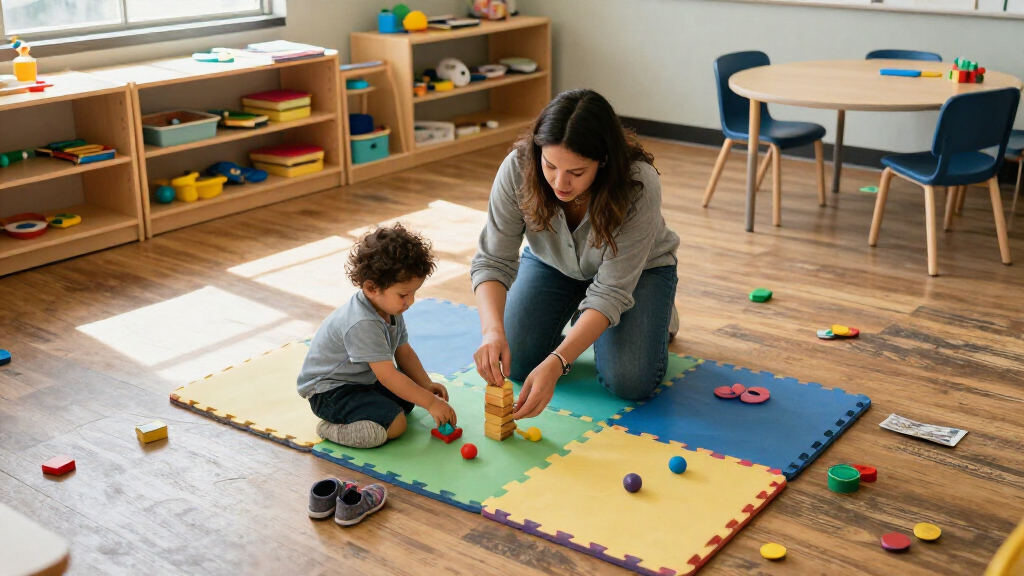
California districts facing declining school enrollment are expanding infant, toddler and preschool care in underused school buildings. The programs respond to a shortage of affordable childcare, but whether families will later enroll their children in district schools remains uncertain.
California school districts facing falling enrollment are converting underused classrooms and campuses into care for infants, toddlers and preschoolers, aiming to serve families who need affordable childcare and build ties before children reach school age. The effort is expanding as state investment supports more subsidized care, but it is not yet clear whether early-childhood programs will bring enough students into district schools to change enrollment trends.
Berryessa Union School District, north of San Jose, added child-sized sinks and toilets at its Toyon campus to accommodate about 150 infants, toddlers and preschoolers. The center opened less than a year after declining enrollment led the district to close three elementary schools. Berryessa leased the campus to Kidango, a nonprofit childcare provider that serves about 4,000 children in the East Bay region.
Superintendent Roxane Fuentes said the district wants to reach families before children turn four. Toyon’s operator holds parenting education events at the former school, and district staff plan to use the site to share information about transitional kindergarten and kindergarten enrollment. Berryessa has not set an admissions rule giving children in its childcare program priority for district schools.
Los Angeles Unified’s board voted earlier this year to expand early education, including preschool in unused elementary classrooms, reopening previously closed childcare centers and doubling the district’s infant-care programs. Board members said the plan addresses childcare demand as well as a potential opportunity to connect with future students. The district is still determining where need is greatest; any use of space released through school consolidations would come as LAUSD confronts a reported $3.6 billion deficit.
Childcare Meets Empty Classrooms
The plans respond to two pressures at once: districts have underused school space as enrollment drops, while many families cannot find or afford early care. A 2024 study cited in the report found that only 11% of children eligible for subsidized childcare in Los Angeles County were enrolled in a program. The figure points to a gap between eligibility and participation, though it does not by itself show how many families would choose a district-run or district-based center.
District leaders also see early care as a way to build relationships with parents before school enrollment decisions. If families use a school-based center and later choose district transitional kindergarten or kindergarten, the program could help stabilize future enrollment. But that is a strategy, not a demonstrated outcome in the California examples described in the report.
The space conversions also carry practical and financial consequences. Childcare centers must meet licensing requirements, including appropriately sized sinks and toilets, and some sites may need changes such as separate entrances and exits. Those costs mean empty classrooms are not automatically ready for infant care, even when a district and provider agree to use them.
As an affiliate, we earn on qualifying purchases.
State Funding and Falling Rolls
The districts’ plans sit within a longer period of declining school enrollment. The report identifies lower birth and immigration rates and rising costs for families as factors behind the trend; these are wider pressures that local districts have limited ability to control. Converting schools into early-learning sites offers one use for space left vacant, but it does not address every cause of declining enrollment.
California’s 2021 investment in subsidized childcare added 200,000 slots and increased hourly reimbursement rates for caregivers, according to Kidango CEO Scott Moore. He said that funding enabled the nonprofit to expand services. Kidango has often leased unused school classrooms as districts’ enrollments declined, while Toyon represents a larger conversion of a former elementary campus into an early-learning center.
Researcher Erica Greenberg of the Urban Institute said efforts in Washington, D.C., Boston and Tulsa to reach families with young children helped boost enrollment in those cities. She attributed part of the appeal to lower costs and convenience. Those examples offer relevant experience, but they do not establish that California’s current programs will produce the same results.
“It was really about trying to find another avenue of getting to families before age four.”
— Roxane Fuentes, Berryessa Union School District superintendent
Future Enrollment Effects Remain Unknown
The central uncertainty is whether families who use infant, toddler or preschool programs will later enroll in the same district’s transitional kindergarten or elementary schools. Greenberg cautioned that attracting families with young children does not necessarily translate into more kindergarten students. The California districts cited have not supplied enrollment results showing that these programs have reversed or slowed declines.
Los Angeles Unified is still identifying where childcare need is greatest, and the report gives no final site-by-site implementation schedule or projected enrollment gains. Berryessa has not established an eligibility guideline linking Toyon attendance to admission in district schools. It is also unclear how much each campus conversion will cost; licensing and building changes can vary by site.
Districts Plan Sites and Outreach
Los Angeles Unified’s next steps include identifying areas with the greatest childcare need, adding preschool to available classrooms and reopening former childcare centers. The district may also consider facilities made available by school consolidations as it addresses its budget deficit. The report does not specify when all planned changes will be completed.
At Toyon, Berryessa leaders plan to use events and the district’s spring open-enrollment period to explain transitional kindergarten and kindergarten options to families already connected to the campus. The outcomes to watch are whether more families can access care, whether the centers remain financially workable, and whether children who attend later enter district schools.
Key Questions
Why are California school districts opening childcare programs?
Districts are using underused classrooms and campuses to meet demand for affordable care and to connect with families before children reach school age. Some leaders also hope these relationships will lead families to enroll in district schools later.
How many children does the Toyon Early Learning Center serve?
The Berryessa Union School District campus was adapted to serve about 150 infants, toddlers and preschoolers. The district leased the site to nonprofit provider Kidango.
Will children in these programs automatically attend district schools?
Not based on the information reported. Berryessa has not set an admissions eligibility guideline that gives Toyon participants priority, and the report does not establish that attending early care leads to later district enrollment.
What is Los Angeles Unified planning?
The board voted to expand early education by using empty elementary classrooms for preschool, reopening previously closed childcare centers and doubling infant-care programs. The district is still working out where care is most needed.
What remains uncertain about the expansion?
It is not yet clear how many families will use the new programs, what each conversion will cost or whether early-care participation will increase later school enrollment. The report gives no measured enrollment impact for the California programs.
Source: rss
Halloween Picks
halloween
As an affiliate, we earn on qualifying purchases.