One common mistake that leaves your room under-cleaned is improper filter placement and neglecting regular maintenance. If you install the filter backwards or out of alignment, airflow gets obstructed, reducing its ability to trap pollutants. Skipping scheduled filter replacements allows dust and bacteria to build up, further diminishing effectiveness. This means your air purifier isn’t working at its best, and pollutants still circulate freely. Keep these issues in mind to improve your air quality—more tips are ahead.

Turn the school run and nap time into listening time
- Thousands of audiobooks, podcasts and originals
- Listen on your phone, tablet or Echo — also offline
- Cancel anytime
Key Takeaways
- Incorrect filter placement can block airflow, reducing the purifier’s effectiveness in cleaning the room.
- Failing to follow proper maintenance schedules leads to dirty filters that trap fewer pollutants.
- Installing filters backwards or misaligned diminishes pollutant removal, leaving the air under-cleaned.
- Neglecting regular filter replacements causes buildup, decreasing filtration efficiency over time.
- Poor maintenance and improper installation combine to allow pollutants to circulate, leaving rooms less clean.
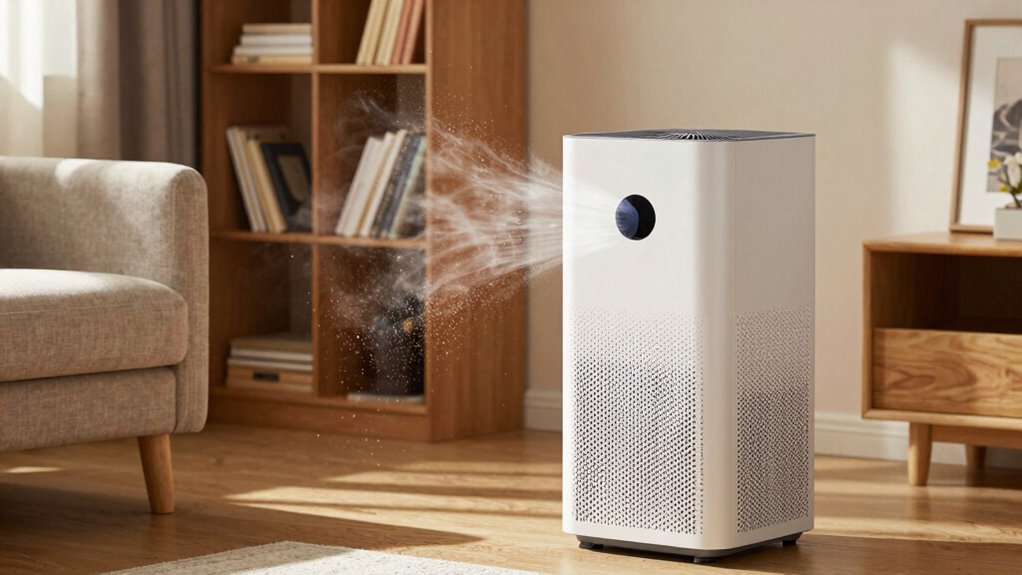
Have you ever thought that your air purifier might not be working as effectively as it should? If so, you’re not alone. Many people assume that simply turning on their device is enough, but the real secret to clean, fresh air lies in proper filter placement and sticking to a maintenance schedule. When these aspects are overlooked, your room remains under-cleaned, and the purifier’s performance drops significantly.
One common mistake is incorrect filter placement. You might think that just inserting the filter in any available slot works fine, but that’s not the case. For an air purifier to be truly effective, the filter needs to be placed correctly according to the manufacturer’s instructions. If it’s misaligned or installed backwards, airflow gets obstructed, and the device can’t trap pollutants efficiently. This can cause dust, allergens, and other particles to circulate freely, defeating the purpose of having an air purifier in the first place. Always double-check the placement each time you replace the filter, ensuring it sits snugly and faces the right direction. Proper filter placement maximizes airflow and filtration, ensuring pollutants don’t bypass the filter or get trapped in dead zones. Additionally, understanding how filter placement impacts overall performance helps in maintaining optimal indoor air quality. Knowing how filters work and where they should be positioned can significantly improve your device’s efficiency. Moreover, ignoring proper filter maintenance can lead to reduced air quality over time, even if the filter is correctly installed.
Equally important is maintaining a consistent maintenance schedule. Many users forget that filters need regular replacement or cleaning, depending on the type. Neglecting this can lead to a buildup of dust and debris, which not only reduces the purifier’s effectiveness but can also strain the motor, shortening its lifespan. You should set a specific schedule based on your air purifier’s guidelines—typically every 3 to 6 months for HEPA filters or more frequently if you live in a high-pollution area. Remember, a dirty filter doesn’t just stop working; it can also become a breeding ground for mold and bacteria, which could worsen indoor air quality. Regularly checking, cleaning, or replacing your filters keeps your device functioning at peak performance. Establishing a maintenance routine ensures your air purifier continues to operate effectively and promotes healthier indoor environments.
HEPA air purifier filter replacement
As an affiliate, we earn on qualifying purchases.
As an affiliate, we earn on qualifying purchases.
Frequently Asked Questions
Can Air Purifiers Remove All Types of Indoor Pollutants?
Air purifiers can’t remove all types of indoor pollutants. They effectively target indoor allergens like dust, pet dander, and pollen, reducing allergy symptoms. However, chemical odors from cleaning products or paints might linger if the purifier doesn’t have specialized filters like activated carbon. To truly improve your indoor air quality, choose a device designed for both allergen removal and chemical odor absorption, and guarantee proper ventilation.
How Often Should I Replace or Clean the Filters?
You should replace or clean your air purifier filters based on the filter lifespan and your usage. Typically, filters need replacing every 3 to 6 months, but high pollution levels or pets may require more frequent cleaning. Check your manufacturer’s recommendations for cleaning frequency, and inspect filters regularly for dirt buildup. Keeping filters clean guarantees your purifier works efficiently and maintains the best air quality in your room.
Are Air Purifiers Effective Against Airborne Viruses?
Yes, air purifiers with high HEPA efficiency effectively filter airborne viruses through virus filtration. HEPA filters can trap particles as small as 0.3 microns, including many viruses, reducing your risk of exposure. To maximize protection, choose an air purifier designed for virus filtration, run it continuously in shared spaces, and regularly replace filters as recommended. This way, you’ll guarantee your room stays as clean and safe as possible from airborne viruses.
Can Using Multiple Air Purifiers Improve Air Quality Significantly?
Think of multiple air purifiers as a team of guardians, each fighting to clear the air. Yes, using more can improve air quality considerably, especially when placed strategically around the room. Pay attention to air purifier placement to avoid dead zones, and consider noise level considerations to keep your space comfortable. This approach guarantees thorough coverage, creating a cleaner, healthier environment where fresh air circulates freely and quietly.
Do Air Purifiers Produce Ozone or Other Harmful Byproducts?
Air purifiers can produce ozone emissions and chemical byproducts, especially those with ozone generators or certain filters. Ozone emissions may cause respiratory issues and worsen allergies, so you should select models that are ozone-safe. Look for purifiers with low or no ozone emissions, and avoid devices that generate chemical byproducts during operation. Always check product labels and reviews to make certain you’re not exposing yourself to harmful emissions.
Conclusion
Think of your air purifier as a diligent gardener tending a lush garden. If you neglect to prune or clean the tools, weeds can overrun the space, and the plants won’t thrive. Similarly, overlooking the necessary maintenance of your purifier allows dirt and pollutants to hide in the corners, leaving your room under-cleaned. To keep your indoor air fresh and healthy, stay vigilant—prune, clean, and maintain your purifier regularly. Your indoor oasis depends on it.
Halloween Picks
halloween
As an affiliate, we earn on qualifying purchases.