Good indoor air quality makes you feel fresh, alert, and comfortable in your space. You’ll notice easier breathing, fewer sneezes, and less congestion. Your lungs feel unburdened, and you stay focused with a clear mind. A well-ventilated, clean environment creates a lighter atmosphere that promotes better sleep and reduces headaches. If you want to discover how to achieve this perfect air balance, keep exploring what makes indoor air truly healthy.

Turn the school run and nap time into listening time
- Thousands of audiobooks, podcasts and originals
- Listen on your phone, tablet or Echo — also offline
- Cancel anytime
Key Takeaways
- You experience a refreshing, clean feeling and find it easy to breathe effortlessly indoors.
- There are fewer sneezes, congestion, and respiratory discomfort.
- The environment feels comfortable, calm, and free from stale or musty odors.
- You notice improved sleep quality and reduced allergy symptoms.
- You feel alert, focused, and less fatigued in a well-ventilated, purified space.
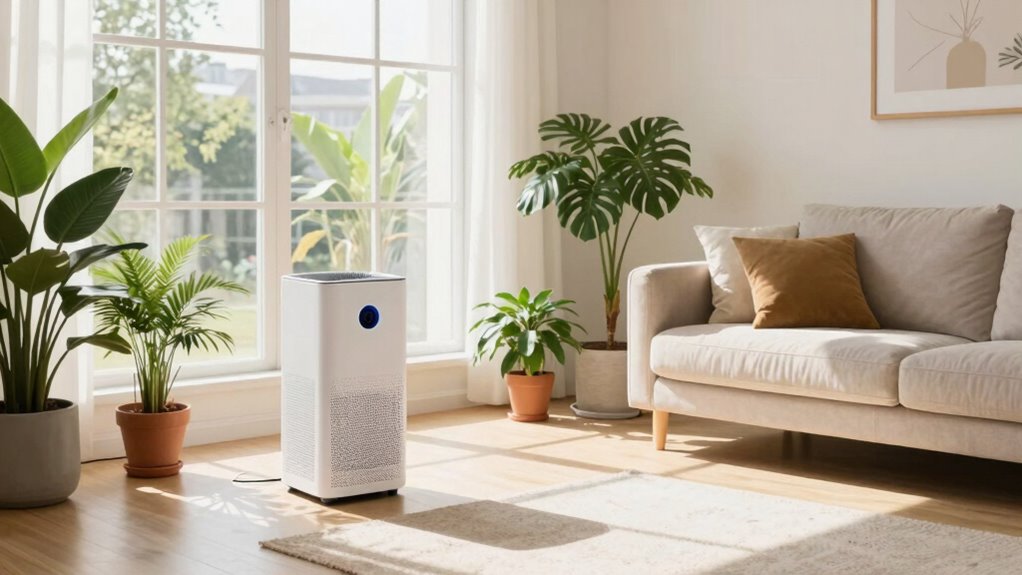
Have you ever wondered how the air inside your home affects your health? It’s easy to overlook, but the quality of the air you breathe daily has a direct impact on your well-being. Good indoor air quality isn’t just about avoiding unpleasant odors or stuffiness—it’s about creating a space where you feel comfortable, alert, and healthy. When your home’s air is clean and well-circulated, you notice it in how you breathe, sleep, and go about your day.
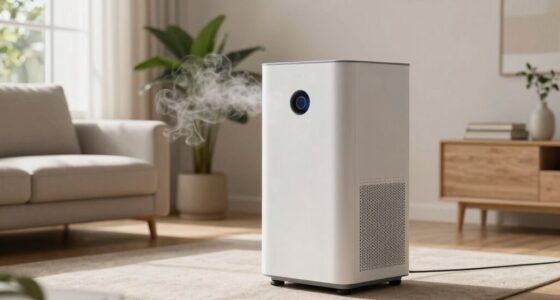
One of the key signs of good indoor air quality is a sense of freshness and ease in your breathing. You shouldn’t feel like you’re fighting against the air or constantly clearing your throat. Instead, your lungs should feel unburdened, and your breathing should be smooth and effortless. This comfort often results from effective air purification systems that remove pollutants, allergens, and airborne irritants. When your home is equipped with air purifiers, you notice fewer sneezes, less congestion, and a significant reduction in respiratory discomfort. These systems trap dust, pet dander, mold spores, and even tiny particles from cooking fumes or outdoor pollution, which all contribute to healthier air.
Good indoor air quality means effortless breathing, fewer allergies, and a healthier, more comfortable home environment.
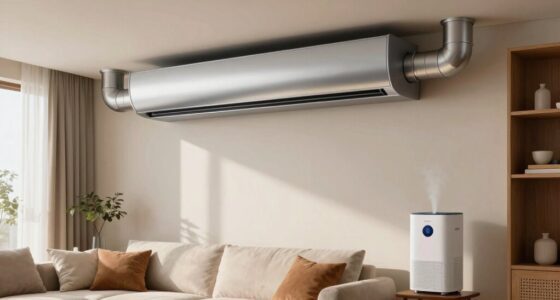
Ventilation systems play an equally vital role in maintaining good indoor air quality. They ensure that stale air is replaced with fresh, outdoor air, preventing the build-up of indoor pollutants. When your home’s ventilation is working properly, you feel a subtle but constant flow of clean air circulating around you. This process helps control humidity levels, reducing the risk of mold growth and musty odors that can linger and cause health issues. Proper air circulation also helps to prevent the accumulation of airborne irritants and maintain a balanced indoor environment. Additionally, good ventilation can help reduce indoor carbon dioxide levels, which is important for maintaining alertness and overall health. Maintaining indoor air quality is also supported by reducing sources of indoor pollution and ensuring proper filtration systems are in place. A well-ventilated space also keeps you alert and focused because you’re not battling the effects of stagnant, contaminated air. Furthermore, incorporating air quality sensors allows for real-time monitoring and adjustment of indoor conditions, enhancing overall comfort.
In a home with good indoor air quality, you’ll notice a lighter, more pleasant atmosphere. It’s easier to relax and concentrate without the distracting presence of lingering smells or airborne irritants. Sleep quality improves because breathing becomes more comfortable and less interrupted by allergens or dry air. You might also find that you’re less prone to headaches, fatigue, or allergy symptoms. All these signs point to an environment where air purification and ventilation work seamlessly together, creating a healthier, more comfortable living space. When you prioritize these elements, you’re not just improving your home’s air—you’re enhancing your overall health and quality of life.
As an affiliate, we earn on qualifying purchases.
Frequently Asked Questions
How Does Indoor Air Quality Affect Sleep Quality?
Good indoor air quality directly impacts your sleep quality by promoting better air circulation, which keeps the air fresh and reduces pollutants. When the air is clean and well-ventilated, you’ll experience greater sleep comfort, falling asleep faster and waking up feeling more refreshed. Poor air quality, on the other hand, can cause discomfort, allergies, and disrupted sleep, making it harder to rest properly throughout the night.
Can Poor Air Quality Cause Long-Term Health Problems?
Yes, poor air quality can cause long-term health problems. When airborne allergens and VOC emissions build up indoors, they can trigger respiratory issues, allergies, and even asthma over time. You might notice persistent coughing, fatigue, or headaches. Prolonged exposure weakens your immune system and increases your risk of chronic illnesses. To protect your health, guarantee proper ventilation and use air purifiers to reduce airborne allergens and VOC emissions.
What Are the Signs of Indoor Air Pollution?
You might notice sneezing, coughing, or itchy eyes—signs of indoor air pollution. Did you know that indoor allergens can be two to five times higher than outdoor levels? Poor ventilation solutions trap pollutants, making these symptoms worse. If you experience persistent respiratory issues, it’s a clear sign your indoor air quality needs improvement. Regularly check for musty odors or dust buildup, which also indicate compromised air quality.
How Often Should Indoor Air Be Tested?
You should test your indoor air at least once a year through air quality monitoring to guarantee it stays healthy. If you notice symptoms like allergies or mold, increase testing frequency to every few months. Regular testing helps identify pollutants early, especially in homes with pets, smokers, or recent renovations. Staying proactive with air quality monitoring keeps your indoor environment safe and comfortable for everyone.
Do Air Purifiers Really Improve Indoor Air Quality?
Yes, air purifiers can improve indoor air quality by effectively reducing indoor pollutant sources like dust, pet dander, and smoke. Their effectiveness depends on choosing the right model for your space and maintaining it properly. Air purifier effectiveness varies, so look for ones with HEPA filters for better results. Regular use helps create a cleaner, healthier environment, especially if your home has poor ventilation or specific allergy triggers.
Conclusion
Think good indoor air quality is just a myth? Think again. The truth is, when your air is clean, you’ll notice it—no stuffy noses, lingering odors, or constant sneezing. You might even breathe easier and feel more energized. It’s not just a theory; fresh indoor air genuinely boosts your well-being. So, invest in air purification and ventilation—your lungs will thank you, and you’ll finally experience what truly good air feels like.
Halloween Picks
halloween
As an affiliate, we earn on qualifying purchases.