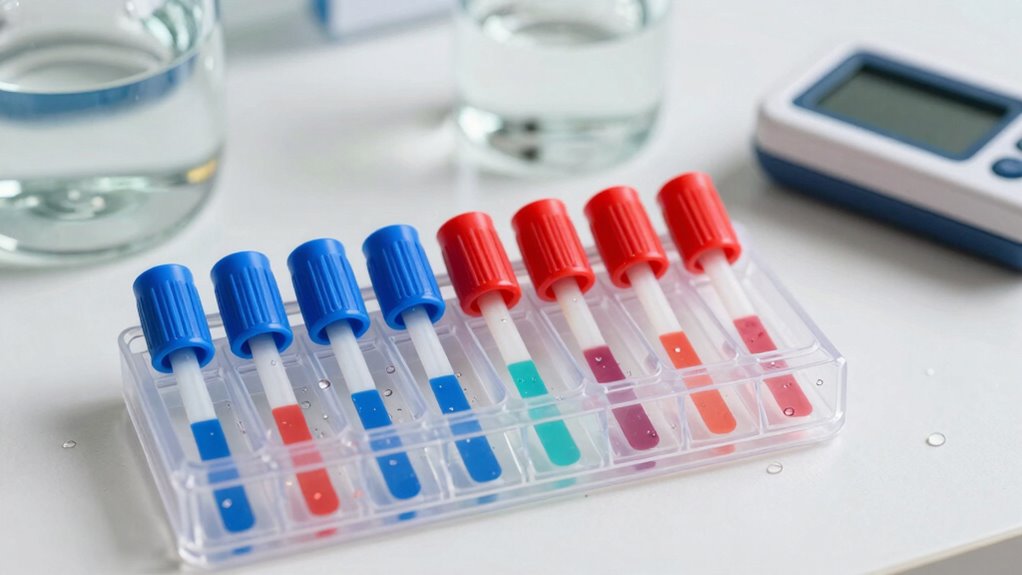

Before investing in expensive water filtration, testing your water is essential. It helps you identify specific contaminants like lead, bacteria, or nitrates, so you don’t waste money on unnecessary features. Using a water-test kit is affordable, quick, and easy, giving you clear data to choose the right system. This targeted approach not only protects your health but also extends your equipment’s lifespan. Keep exploring to discover how to make the most of your water tests.
Key Takeaways
- Water testing identifies specific contaminants, ensuring filtration systems target actual water issues effectively.
- Testing prevents unnecessary expenses by matching filters to actual contamination levels.
- It reveals hidden pollutants not shown in municipal reports, guiding proper filtration choices.
- Conducting tests before buying filters extends their lifespan and avoids premature replacements.
- Targeted testing supports health and environmental safety by accurately addressing water quality risks.
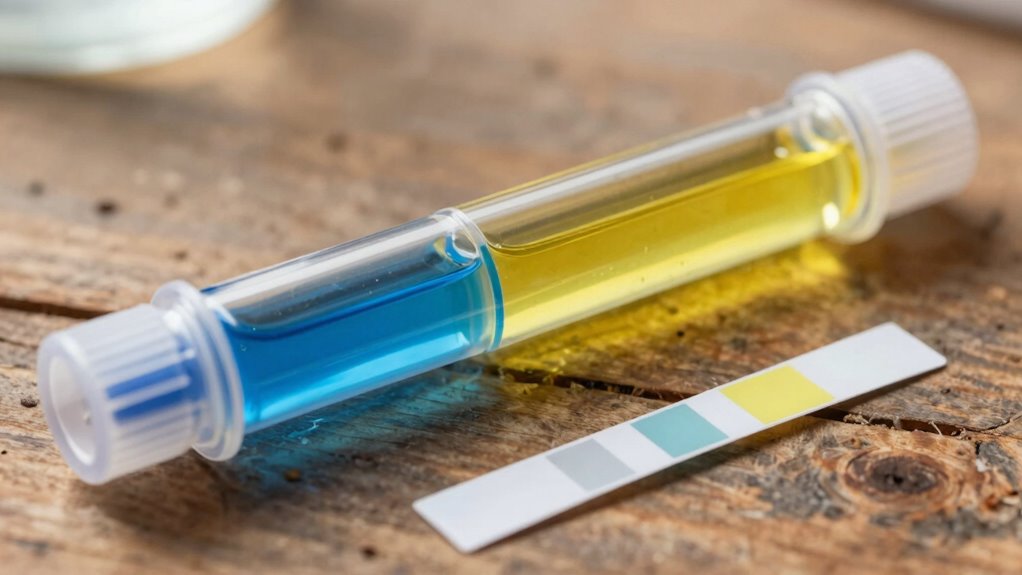
Before investing in a water filtration system, it’s important to test your water to identify potential contaminants. Many people assume their tap water is safe, but water contamination can hide in plain sight. Without proper testing, you might buy an expensive filtration system that doesn’t address the specific issues in your water supply. Using water-test kits allows you to understand exactly what’s in your water, making sure you choose a filtration system that meets your needs. These kits can detect common contaminants like bacteria, lead, nitrates, chlorine, pH levels, and other harmful substances. Knowing what’s in your water helps you avoid overpaying for features you don’t need or, worse, installing a filter that won’t effectively remove the contaminants present.
Testing your water first ensures you choose the right filtration system and protects your health.
Water contamination can stem from various sources—old pipes, agricultural runoff, industrial waste, or natural mineral deposits. Each source introduces different pollutants, and not all filtration systems are designed to handle every type. For instance, a system that filters out chlorine won’t necessarily remove heavy metals or bacteria. By testing your water first, you can match the filtration standards of your chosen system with the contaminants present. This targeted approach guarantees you get the most effective protection without overspending. It also prolongs the lifespan of your filtration system since you won’t be replacing filters prematurely or unnecessarily. Additionally, understanding the specific contaminants in your water helps support biodiversity by reducing the environmental impact of unnecessary or ineffective filtration choices. Conducting a comprehensive water analysis enables you to identify the full range of pollutants and select the most appropriate solutions. Proper testing can also reveal hidden risks that might otherwise go unnoticed until health issues arise. An accurate assessment can also inform you about the long-term health effects associated with certain contaminants, guiding safer choices.
Furthermore, accurate testing can help identify remediation needs that might be overlooked if you rely solely on municipal reports or assumptions. Many consumers skip testing altogether, assuming their municipal water treatment suffices. But municipal water still faces contamination issues, and private wells are especially vulnerable. Water-test kits are affordable and easy to use, providing quick results that guide your decision-making process. They empower you to make informed choices based on actual data rather than assumptions. This step is essential because it minimizes guesswork, helping you select a filtration system that aligns with the filtration standards necessary to keep your water safe and clean.
As an affiliate, we earn on qualifying purchases.
Frequently Asked Questions
How Often Should I Test My Water at Home?
You should test your water at least once a year to guarantee home safety. Regular water testing helps identify contaminants and keeps you informed about water quality. If you notice changes in taste, smell, or appearance, test more often. Using water-test kits allows you to detect issues early, so you can address them before buying costly filtration systems. Staying proactive with testing keeps your water safe and your home healthier.
Are Water-Test Kits Accurate for All Contaminants?
Water-test kits are reliable for many common contaminants but aren’t perfect for all. They often excel in detecting specific issues like bacteria or lead but may lack contaminant specificity for certain chemicals or metals. You should consider test kit reliability and whether it covers the contaminants you’re most concerned about. For extensive results, specialized lab testing might be necessary, especially for less common or more complex pollutants.
Can I Test for Bacteria With Standard Water-Test Kits?
You can’t rely solely on standard water-test kits for bacterial detection, as they have limitations. Most test kits are designed to detect specific contaminants and often lack the sensitivity needed for bacteria. For accurate bacterial detection, you should use specialized test methods or professional lab testing. Recognizing these test kit limitations helps guarantee you identify bacteria effectively, avoiding false negatives and ensuring your water is genuinely safe.
How Do I Interpret the Results From a Water-Test Kit?
To interpret your water-test kit results, compare the readings to contaminant thresholds provided in the kit instructions. If levels exceed safe limits, your water may be unsafe to drink. Remember, test result accuracy depends on following the testing procedure carefully. If results are unclear, consider retesting or consulting a professional. This step helps you decide whether you need additional filtration or treatment to guarantee your water’s safety.
Are There Professional Testing Options Beyond Home Kits?
Yes, professional lab testing is available beyond home kits. You should consider using certified laboratories that meet industry certification standards. These labs provide thorough analysis, detecting contaminants that home kits might miss. By opting for professional testing, you get precise results, ensuring your water meets safety standards. It’s a reliable way to identify specific issues and determine the most effective filtration system for your needs.
Conclusion
So, before you blow a fortune on fancy filters, don’t skip the water-test kit. It’s the secret weapon that reveals hidden horrors lurking in your water—things that could turn your entire house into a toxic wasteland! Think of it as your superhero shield, saving you from the nightmare of unnecessary expenses and health risks. Trust me, a quick test now could save your entire family from a water disaster of epic proportions!