
To prevent osteoporosis as you age, focus on getting enough calcium from dairy, leafy greens, and fortified foods, while spreading intake throughout the day for better absorption. Regular weight-bearing exercises like walking, dancing, or resistance training strengthen your bones and improve balance. Combining proper nutrition with consistent activity reduces fracture risk and enhances overall strength. Keep exploring ways to support your bone health; there’s more to learn that can make a difference in your long-term wellbeing.
Key Takeaways
- Maintain adequate calcium intake through dairy, leafy greens, and fortified foods, spread throughout the day for optimal absorption.
- Engage in regular weight-bearing exercises like walking, dancing, or resistance training to stimulate bone growth.
- Ensure sufficient vitamin D levels to enhance calcium absorption and support bone remodeling.
- Adopt a healthy lifestyle by avoiding smoking and excessive alcohol to reduce osteoporosis risk.
- Incorporate fall prevention strategies, including balance and strength exercises, to minimize fracture risk.
Have you ever wondered what it takes to keep your bones strong and healthy? The good news is, maintaining bone strength isn’t complicated, but it does require consistent effort. One of the most important factors is your calcium intake. Calcium is the primary mineral that makes your bones dense and resilient. If you’re not getting enough calcium from your diet, your bones can become fragile over time, increasing your risk of osteoporosis as you age. Dairy products like milk, cheese, and yogurt are excellent sources, but leafy greens, almonds, and fortified foods also contribute considerably. Ensuring you consume adequate calcium daily is a proactive step toward bone health. It’s best to spread your calcium intake throughout the day because your body absorbs it more efficiently in smaller amounts.
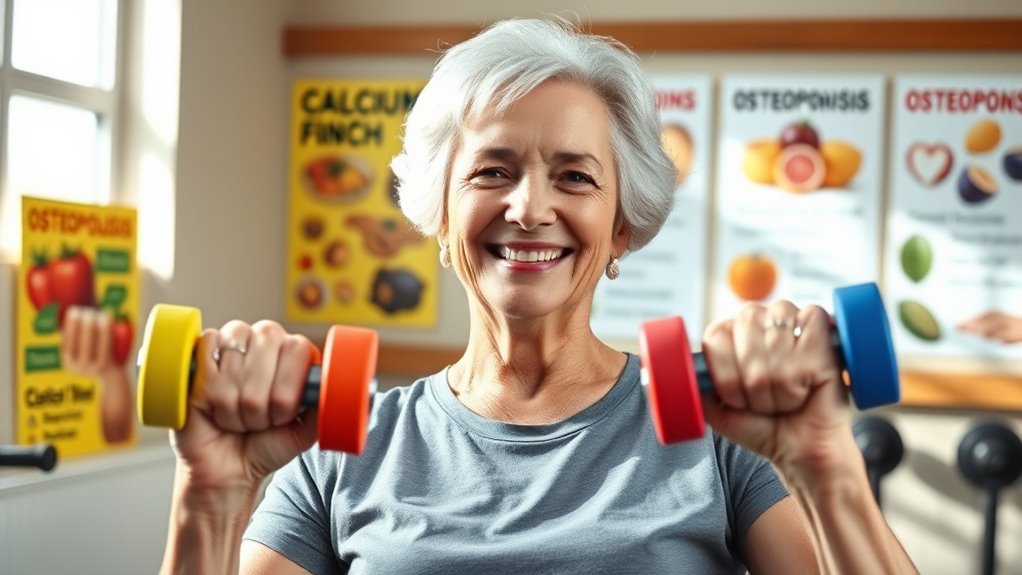
In addition to dietary choices, engaging in weight bearing exercises plays an essential role in strengthening bones. These exercises are activities that make you work against gravity while staying upright, such as walking, jogging, dancing, or resistance training. When you put weight on your bones through movement, it signals your body to build new bone tissue, increasing density and strength. Regular weight bearing exercises are especially critical as you age because they counteract the natural decline in bone mass that occurs over time. You don’t need to be a sports enthusiast; even simple routines like brisk walking or stair climbing can make an important difference. The key is consistency—aim for at least 30 minutes most days of the week to see noticeable benefits. Incorporating exercise with impact can further stimulate bone growth and improve overall skeletal health. Additionally, nutritional support from vitamins like vitamin D enhances calcium absorption, optimizing your efforts to maintain strong bones. Furthermore, understanding the importance of halal dietary guidelines can help ensure that your nutritional choices align with your beliefs and health needs, especially when selecting supplements or fortified foods to support bone health.
Adding adequate nutrition can further support bone health by providing essential vitamins and minerals that assist in calcium absorption and bone remodeling. Combining proper calcium intake with weight bearing exercises creates a powerful duo for bone health. It’s not just about preventing osteoporosis but also improving your overall strength, balance, and coordination. These benefits help reduce the risk of falls and fractures, common concerns for seniors. Remember, lifestyle choices matter a lot, but so does early action. Even if you’re already in your senior years, it’s never too late to start incorporating more calcium-rich foods into your meals and adding weight bearing activities into your routine. Always consult with your healthcare provider before beginning any new exercise program or making considerable dietary changes, especially if you have underlying health conditions.
Frequently Asked Questions
Can Diet Alone Prevent Osteoporosis?
While diet plays a key role, it can’t solely prevent osteoporosis. You need to focus on increasing your calcium intake through dairy, leafy greens, and fortified foods, along with vitamin D enhancement via sunlight and supplements. These elements help maintain bone density, but regular weight-bearing exercises and lifestyle choices are also essential. Combining proper nutrition with activity gives you the best chance to keep your bones strong as you age.
How Does Alcohol Affect Bone Health?
Imagine alcohol as an uninvited guest that interferes with your body’s natural processes. It hampers bone density by slowing down the cells responsible for building bones and increasing the activity of those that break them down. This interference weakens your bones over time, making them more brittle and susceptible to fractures. Limiting alcohol intake helps preserve bone strength, reducing your risk of osteoporosis and supporting healthier aging.
Are There Specific Exercises for Osteoporosis Prevention?
You should focus on weight bearing activities and resistance training to prevent osteoporosis. These exercises help build and maintain bone density, making your bones stronger. Activities like walking, jogging, or dancing provide weight bearing benefits, while lifting weights or using resistance bands enhance bone strength through resistance training. Incorporating both into your routine regularly can markedly reduce your risk of osteoporosis and improve overall bone health.
What Are Early Signs of Osteoporosis?
You might not notice early signs of osteoporosis because it develops silently. However, watch for signs like frequent fractures, loss of height, or stooped posture. These changes occur as bone density decreases and calcium absorption becomes less efficient, weakening your bones. Regular check-ups and bone density scans can help detect osteoporosis early, so you can take steps to maintain healthy bones and prevent future fractures.
How Do Medications Impact Long-Term Bone Health?
Medications are like double-edged swords; they can strengthen your bones but also come with potential side effects. When you take osteoporosis drugs, they often improve bone density, reducing fracture risk over time. However, regular bone density monitoring is essential to track progress and catch any adverse effects early. Stay informed about medication side effects and consult your doctor to make certain your long-term bone health remains solid and resilient.
Conclusion
By taking proactive steps now, you can markedly reduce your risk of osteoporosis later in life. Remember, engaging in weight-bearing exercises and maintaining a calcium-rich diet make a real difference. Did you know that nearly 1 in 3 women over 50 will experience osteoporotic fractures? Staying proactive with your bone health can help you avoid this statistic, ensuring stronger bones and a more active, independent senior years. Start today for a healthier tomorrow.