To develop effective intergenerational activity programs, start by understanding your community’s interests and needs. Choose inclusive activities like storytelling, gardening, or cooking that appeal to all ages. Partner with local organizations and use accessible spaces to make certain everyone can participate easily. Focus on creating meaningful interactions and gather feedback to improve future programs. If you keep exploring, you’ll find ways to build stronger, lasting connections that benefit everyone involved.
Key Takeaways
- Identify community needs and interests to select inclusive, appealing activities that foster collaboration across generations.
- Build partnerships with local organizations, schools, and senior centers to expand resources and promote the program.
- Design engaging activities like storytelling, gardening, or cooking that encourage participation and shared experiences.
- Facilitate social interactions through pairing or group activities to promote understanding, empathy, and bonding.
- Gather feedback, adapt programs over time, and ensure accessibility to sustain engagement and strengthen community ties.

Intergenerational activity programs bring together people of different ages to foster meaningful connections and shared experiences. When you develop these programs thoughtfully, you create opportunities for family bonding and strengthen community engagement. By uniting diverse age groups, you help bridge generational gaps and promote understanding, respect, and collaboration. These programs are essential in cultivating a sense of belonging, encouraging people to learn from each other, and building a more connected community.
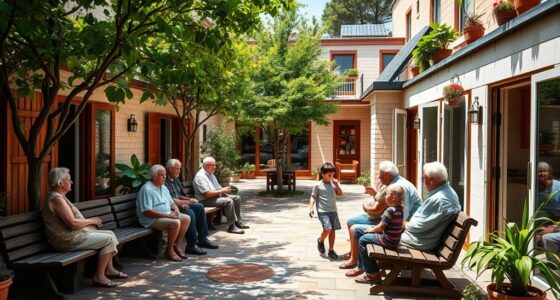
Intergenerational programs foster connections, bridge gaps, and build a stronger, more inclusive community through shared experiences.
To start, you need to identify the interests and needs of the community members you want to involve. Ask yourself who could benefit most from participation and what activities would resonate across age groups. For example, you might consider activities like storytelling sessions, art projects, gardening, or cooking classes that appeal to both young and old. When planning, focus on creating inclusive environments where everyone feels comfortable contributing. This inclusivity not only enhances the quality of interactions but also motivates sustained participation. Remember, successful intergenerational programs hinge on shared purpose; the activities should promote collaboration, learning, and fun.
Engaging local organizations, schools, and senior centers can be a great way to expand your reach. These groups often have existing networks and resources that can support your efforts. Forming partnerships allows you to coordinate logistics, promote the activities, and ensure a diverse turnout. Leveraging community spaces like parks, community centers, or libraries makes participation accessible and convenient. Additionally, involving families directly can amplify the impact, turning casual participants into active contributors and fostering stronger family bonds through shared experiences.
When executing your program, pay attention to the social dynamics at play. Facilitate activities that encourage interaction rather than passive observation. For example, pair a child with a senior for a craft project or organize team-based games that require cooperation. This approach not only makes the activities more engaging but also helps participants develop empathy and understanding. Be sure to gather feedback afterward, so you can refine your offerings and better meet the evolving needs of the community. Incorporating insights from anime movies about storytelling and emotional depth can inspire more engaging and meaningful activities.
Developing effective intergenerational activity programs is an ongoing process. As you gain experience, you’ll discover what works best for fostering family bonding and community engagement. Consistency and adaptability are key; the more you tailor your programs to reflect the interests and cultures of your community, the more successful they will be. Ultimately, your efforts will contribute to a stronger, more connected community where every generation feels valued and included.
Frequently Asked Questions
How Do I Secure Funding for Intergenerational Programs?
You can secure funding by exploring grant opportunities from local government, foundations, and nonprofits focused on community development. Build strong community partnerships with schools, senior centers, and local organizations to strengthen your case and access shared resources. Craft a compelling proposal that highlights the program’s benefits, sustainability, and community impact. Reach out to potential funders early, demonstrate collaboration, and show how your program aligns with their funding priorities.
What Are Effective Ways to Engage Reluctant Participants?
To engage reluctant participants, you should use motivational strategies that highlight the benefits of intergenerational activities. Make activities inclusive by catering to diverse interests and abilities, ensuring everyone feels comfortable and valued. Encourage participation through gentle invitations and positive reinforcement. Creating a welcoming environment helps build confidence, so participants see the value and enjoyment in joining, ultimately increasing their willingness to engage actively in your programs.
How Can Programs Be Adapted for Diverse Cultural Backgrounds?
You should embrace cultural sensitivity and inclusive design to adapt programs for diverse backgrounds. Start by listening carefully to community voices, ensuring activities respect different traditions and values. Use flexible formats that allow participants to share their cultural stories and customs comfortably. Incorporate multilingual materials and diverse representations to foster understanding. This approach creates a welcoming environment, making everyone feel valued and engaged, regardless of their cultural background.
What Safety Protocols Are Recommended for Mixed-Age Activities?
You should conduct thorough risk assessments before starting mixed-age activities to identify potential hazards. Guarantee emergency procedures are clear and accessible for all participants, including age-specific needs. Assign trained staff or volunteers to oversee safety, and keep first aid supplies handy. Regularly review safety protocols to adapt to any changes. By prioritizing these measures, you create a secure environment where everyone can enjoy intergenerational interactions confidently.
How Do I Measure the Long-Term Impact of These Programs?
You can gauge the long-term impact by conducting impact assessments and tracking success metrics over time. Start by collecting qualitative feedback and quantitative data from participants to see how relationships and skills improve. This approach helps you see if the program truly hits the mark. Remember, measuring success is like planting seeds—patience and consistent evaluation grow meaningful insights into the lasting effects of your intergenerational activities.
Conclusion
By creating intergenerational activity programs, you’re not just bridging generations—you’re transforming lives forever. Imagine a world where every moment shared between young and old sparks joy so immense it could light up an entire city. Your efforts can ignite a ripple effect of love, understanding, and unity that echoes through generations for centuries. Don’t underestimate the power you hold—your work can change the course of history in the most beautiful way imaginable.