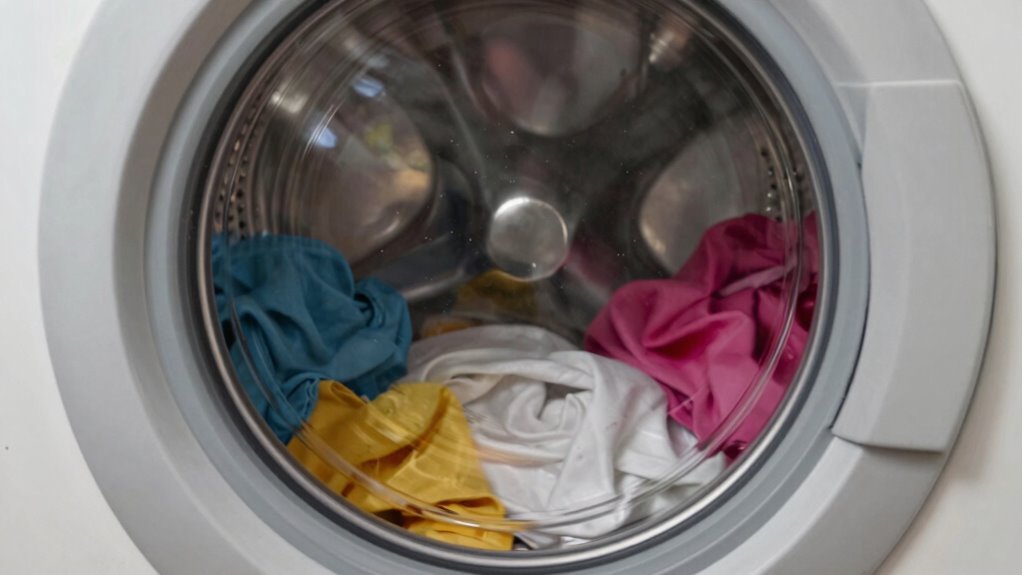

Excessive vibration usually means your washer has balance issues, such as uneven load distribution or an unlevel machine. It could also point to mechanical problems like worn motor bearings or loose components. Flooring that’s uneven or poor leveling of the machine’s legs can make shaking worse. If you ignore these signs, it might cause further damage. Keep going to discover simple solutions to stop the vibration and keep your washer running smoothly.

Turn the school run and nap time into listening time
- Thousands of audiobooks, podcasts and originals
- Listen on your phone, tablet or Echo — also offline
- Cancel anytime
Key Takeaways
- Excessive shaking often indicates imbalance due to uneven load distribution or an unlevel machine.
- Worn motor bearings or loose components can cause abnormal vibrations during operation.
- An uneven or unstable floor surface may contribute to persistent washer shaking.
- Overloading the washer or improper leveling can lead to noisy, excessive vibrations.
- Persistent vibrations should be inspected promptly to prevent further mechanical or electrical damage.
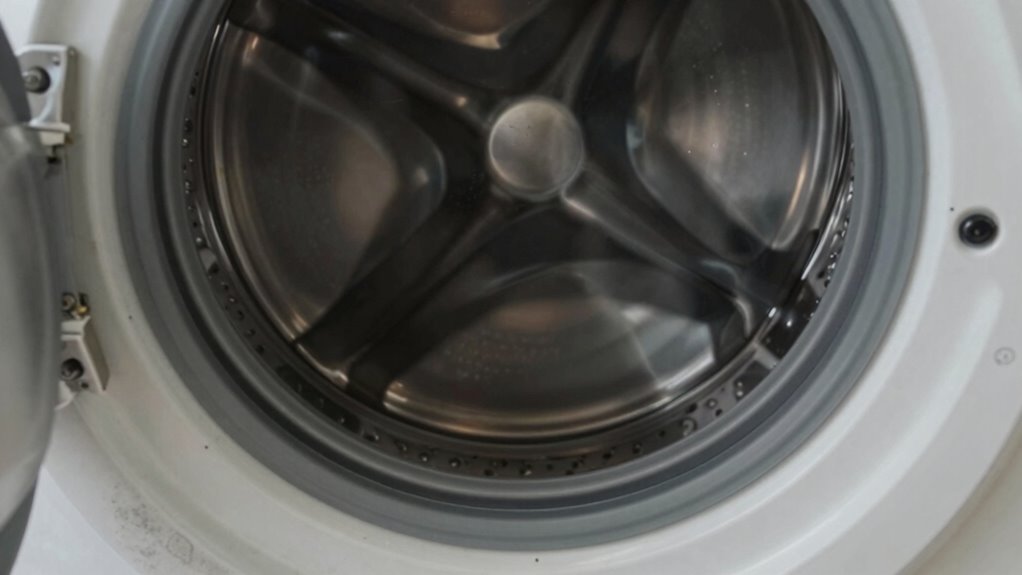
Ever notice your washing machine shaking more than usual during a cycle? That’s often a sign that something’s off, and it’s worth paying attention to. Excessive vibration isn’t just annoying—it can also point to underlying problems that might lead to bigger issues if left unchecked. Two common causes are balance issues and motor problems, each affecting how smoothly your washer operates.
Excessive washing machine shaking signals underlying balance or motor issues needing attention.
When your washer vibrates excessively, the first thing to take into account is balance issues. Washing machines need to be level on the floor to run correctly. If the machine isn’t sitting flat, the uneven weight distribution during a cycle causes it to shake violently. You might notice that your clothes aren’t spinning evenly, or that the machine is rocking back and forth. To fix this, you can check the leveling legs and adjust them to ensure the appliance sits squarely on the floor. Sometimes, overloading or unevenly distributing laundry can throw off the balance, so make sure you’re not packing the drum unevenly. Properly balancing loads and leveling your machine can often resolve vibration problems caused by imbalance. Additionally, regular maintenance can help identify mechanical issues early before they worsen, ensuring the longevity of your appliance. Regular inspections of mechanical parts can also prevent vibrations caused by loose or worn components. Moreover, ensuring the floor surface beneath the washer is stable and even can help minimize unnecessary vibrations.
But if adjusting the leveling doesn’t help, the issue might be with the motor or its components. Motor problems can cause irregular spinning or excessive vibrations if the motor’s bearings are worn out or if the motor itself is malfunctioning. When the motor isn’t functioning smoothly, it can cause the drum to spin unevenly, leading to noisy operation and shaking. Motor issues are more complex and might require professional diagnosis and repair. If you’ve checked the balance and the problem persists, it’s wise to inspect the motor or call in a technician who can identify if the motor’s parts are worn or if there’s an electrical fault. Regularly inspecting motor components can prevent unexpected breakdowns and keep your washer running efficiently.
In some cases, a combination of issues might be at play, making it necessary to examine both the mechanical and electrical components of your washer. Regular maintenance, such as checking for loose parts, ensuring the machine is level, and avoiding overloading, can prevent many vibration problems. If these steps don’t resolve the shaking, don’t ignore it. Persistent vibrations could damage your washer or cause further mechanical issues down the line. Recognizing whether the root cause is balance issues or motor problems helps you take the right steps—whether adjusting the level, redistributing laundry, or seeking professional repair—to keep your washer running smoothly and quietly.
As an affiliate, we earn on qualifying purchases.
Frequently Asked Questions
Can Overloading Cause Excessive Washer Vibration?
Yes, overloading can cause excessive washer vibration. When you overload your washer, it creates uneven distribution of clothes, which leads to imbalance and vibration causes. This not only results in noisy operation but also risks damaging your machine. To reduce noise and vibration, make sure you load clothes evenly and avoid exceeding the washer’s weight limit. Proper loading helps maintain stability and noise reduction during cycles.
How Often Should I Check My Washer’s Leveling?
You should check your washer’s leveling every few months as part of regular maintenance. Proper leveling helps prevent excessive vibration causes and keeps your machine running smoothly. Use a bubble level or the washer’s built-in indicators to verify it’s even on all sides. If you notice vibration issues, re-level it promptly, since uneven placement often leads to noise and damage. Regular checks save you time and potential repair costs.
Are There Specific Washer Models More Prone to Vibration?
Some washer brands, like Samsung and LG, are more prone to vibration due to their design, much like a delicate dancer might wobble on an uneven stage. These models often have higher vibration frequency, especially during spin cycles. If you notice persistent shaking, it’s worth checking your washer’s brand and model, as some are more sensitive to imbalance. Ensuring proper leveling can help reduce excessive vibration regardless of the brand.
What Tools Are Needed to Fix Washer Vibration Issues?
To fix washer vibration issues, you’ll need a few basic tools. Start with a socket set and a level to check drum alignment. You may also need screwdrivers to remove panels and access motor mounts. Inspect the motor mounts for wear or damage, replacing them if necessary. Ensuring the drum is properly aligned and motor mounts are secure can substantially reduce vibration, making your washer run smoothly again.
Can Water Level Imbalance Lead to Increased Vibration?
Yes, water level imbalance can lead to increased vibration during the spin cycle. When water distribution isn’t even, the washer becomes unbalanced, causing it to shake more than usual. This uneven weight makes the machine wobble, especially during high-speed spins. To fix this, guarantee the load is evenly distributed, and check that the water level is properly calibrated. Proper water distribution helps stabilize the washer and reduces excessive vibration.
Conclusion
When your washer trembles like a runaway horse, it’s a sign to pause and listen. Behind the vibrations lies a story—of imbalance, wear, or misalignment—each one whispering for attention. Addressing these issues restores harmony, turning chaos into calm. Think of your washer as a steady drum, beating in tune with your home’s rhythm. By fixing the cause, you bring back the steady beat, ensuring your laundry’s journey remains smooth and serene.
Cold & flu season Picks
humidifiers
As an affiliate, we earn on qualifying purchases.