

TL;DR
The UK government has announced plans to make mental health support available to children and young people earlier, without requiring a formal diagnosis first. The proposals include more support in schools, colleges and communities, but the Government has not yet set out how or when families will access the changes.
The UK Government has announced plans to help children and young people access mental health support before receiving a formal diagnosis, as part of a proposed overhaul focused on earlier intervention. The plans include a greater role for schools, colleges and local communities, but the Government has not yet confirmed how the support will be delivered or when families will see changes.

Turn the school run and nap time into listening time
- Thousands of audiobooks, podcasts and originals
- Listen on your phone, tablet or Echo — also offline
- Cancel anytime
The proposals are intended to make help available according to a young person’s needs, rather than making a diagnosis the gateway to all support. The Government says the approach is meant to help children sooner, reduce waits and limit the risk of difficulties escalating to a crisis. Clinical assessment and diagnosis would still be available where needed.
Commitments outlined in the announcement include more advice and support in education settings, improved access to help in local communities, and support for families dealing with ADHD and autism concerns both before and after diagnosis. NHS leaders have also been asked to examine how people can access advice, assessments and treatment more easily. The announcement does not specify new waiting-time targets.
The plans are due to form part of a new Mental Health Strategy, expected in the coming months. Alongside them, the Government has announced a £4 billion SEND package aimed at improving inclusion in mainstream schools, widening access to specialist help and providing training for teachers. The Government says six million pupils can already access NHS mental health support in schools; it intends to build on existing provision.
Support Before a Diagnosis
For families seeking help for a child’s emotional wellbeing, behaviour or development, the proposed shift could reduce reliance on a diagnosis as the first step toward assistance. That may matter particularly to people waiting for an ADHD or autism assessment, although the announcement does not guarantee a particular service or faster assessment for any individual child.
The approach also places more responsibility on schools and community services to recognise needs and connect children with appropriate help. If implemented, earlier support could allow difficulties to be addressed while a child remains in education and before they become more severe. Those are aims of the plans, not outcomes established by the announcement.
Parents of babies, toddlers and nursery-aged children should note that the Government has not announced a separate package for early years settings. It has described a broad approach across childhood, with further information still to come.
Products Worth Considering

Levoit Vital 100S-P Air Purifier with Washable Pre-Filter

Philips Hue Festavia Permanent Outdoor String Lights, 80 Lights, 150 ft
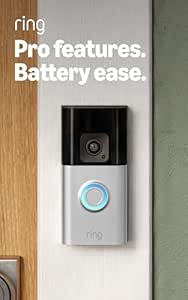
Ring Battery Doorbell Pro, 1536p HD+ Head-to-Toe Video
As an affiliate, we earn on qualifying purchases.
Review Behind the New Plans
The announcement follows an independent review chaired by clinical psychologist Professor Peter Fonagy. The review found that mental distress among children and young people has risen substantially. It identified social media, financial pressures, poor sleep and worries about the future among factors associated with that increase.
The review also reported that referrals and diagnoses for ADHD and autism have increased significantly, while the underlying prevalence of those conditions across the population appears broadly stable. One of its central recommendations was that diagnosis should not be the only route to support. That recommendation does not mean diagnosis is unnecessary: the Government’s account says clinical assessments remain available and diagnosis remains important where appropriate.
The Government also plans to strengthen oversight of ADHD and autism assessments, working toward having all diagnostic assessments subject to Care Quality Commission regulation, including those conducted by private providers. The announcement does not give a timetable or describe the regulatory arrangements in detail.
“The findings demonstrated the need for earlier intervention, particularly to help young people remain in education and employment.”
— Yvette Cooper, Health and Social Care Secretary
Delivery Details Still Pending
The announcement does not set out when families will be able to use the proposed services, which organisations will provide them, or how much support will be available in each area. It also gives no new access criteria, service standards or specific waiting-time commitments.
It remains unclear how the broader pledge will apply to young children outside schools and colleges, including babies, toddlers and children in nursery settings. The Government has not announced a dedicated early-years programme. Nor has it detailed how the planned regulation of ADHD and autism assessments will be introduced or timed.
The £4 billion SEND package is a separate, related commitment, but the announcement does not explain how its funding will be distributed or how schools’ existing mental health provision will connect with the proposed wider support. These details are expected to be addressed in the forthcoming strategy.
Mental Health Strategy to Set Out Delivery
The next expected step is publication of the Government’s Mental Health Strategy in the coming months. Families, schools and service providers will be looking for practical details on eligibility, referral routes, local provision, staffing and the timetable for putting the commitments into effect.
Until those details are published, the announcement sets out the Government’s intended direction rather than a new service families can rely on from a specified date. The Government has not said when the changes will begin or whether all areas will receive the same support at the same time.
Key Questions
Will children be able to get mental health help without a diagnosis?
The Government’s plan is to make support available according to need without requiring a formal diagnosis first. The types of help, eligibility rules and start date have not yet been confirmed.
Does this mean ADHD and autism assessments will no longer be needed?
No. The announcement says clinical assessments and diagnosis remain available where needed. The proposed change is that diagnosis should not be the only route to support.
Are new services specifically planned for babies and toddlers?
The announcement does not include a separate package for babies, toddlers or nursery-aged children. It describes a broader early-intervention approach, with further details expected in the Mental Health Strategy.
When will the new support start?
The Government has not announced a start date. It expects to provide further details in its Mental Health Strategy, due in the coming months.
What is the £4 billion SEND package for?
The package is intended to improve inclusion in mainstream schools, widen access to specialist support and provide training for teachers to support pupils with special educational needs and disabilities. Specific funding and delivery details have not been provided in the announcement.
Source: rss