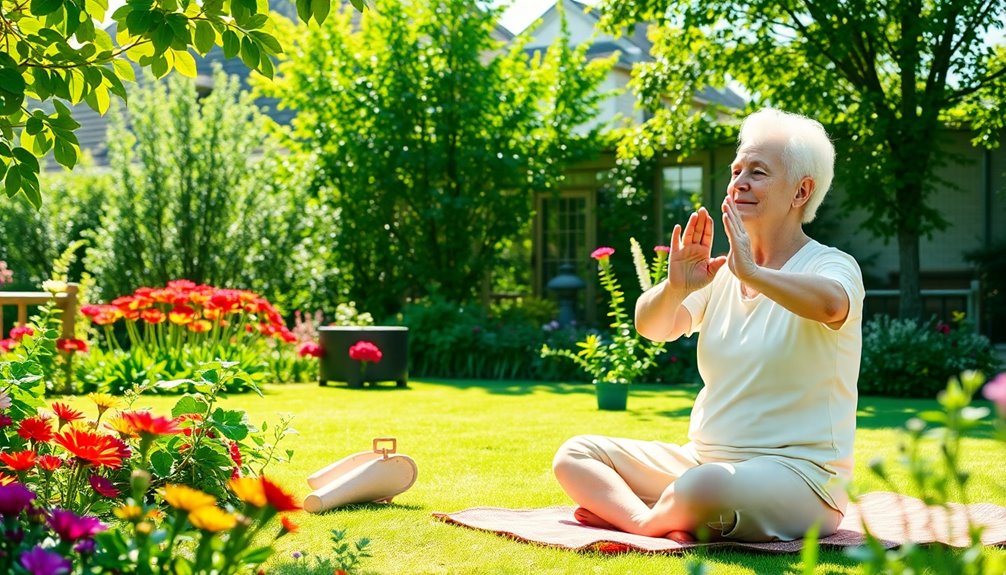

To transform your mental health in later years, focus on building social connections through regular engagement and volunteering. Stay active with at least 150 minutes of exercise weekly to boost mood, and embrace hobbies that inspire creativity and joy. Incorporate mindfulness practices to enhance relaxation, while also working on cognitive health with puzzles or new skills. Don't forget to care for a pet for companionship, and seek professional support when needed. Discover more impactful practices to enrich your life.
Key Takeaways
- Foster social connections through regular community events and volunteering to combat loneliness and enhance emotional well-being.
- Engage in at least 150 minutes of moderate physical activity weekly to improve mental health and cognitive function.
- Pursue meaningful hobbies and creative outlets to stimulate the mind and foster social interactions for self-expression.
- Practice mindfulness and relaxation techniques daily to reduce anxiety, improve sleep quality, and enhance emotional regulation.
- Utilize cognitive health strategies, such as puzzles and therapy, to promote mental sharpness and provide support for emotional challenges.
Foster Social Connections

When you foster social connections, you greatly enhance your mental health and well-being. Social engagement is essential for reducing feelings of loneliness and isolation, which can considerably impact your emotional well-being. Engaging in social activities not only creates bonds but also helps in protecting energy during challenging times. Additionally, emotional healing from grief or loss can be supported through these connections.
By scheduling regular social events like game nights or group outings, you maintain connections and cultivate meaningful relationships. Community groups and senior centers offer fantastic opportunities to interact with others, helping you build friendships that contribute to your overall happiness.
Volunteering is another excellent way to give back while promoting social interaction; it provides a sense of purpose and belonging. Engaging in shared activities, such as art classes or book clubs, not only strengthens your bonds with friends and family but also enhances your mental wellness through socialization. Additionally, incorporating digital creativity tools into these activities can further enrich social interactions and foster collaboration among participants.
Engage in Regular Physical Activity

Engaging in regular physical activity is essential for maintaining both physical and mental health as you age. It greatly reduces symptoms of depression and anxiety, while promoting cognitive function. Aim for at least 150 minutes of moderate-intensity exercise weekly, like walking or swimming, to boost your mental well-being. Additionally, creating an environment that supports aging in place can further enhance the benefits of physical activity. Regular exercise can also help manage various health conditions that may arise in older adults, especially since critical periods of development can impact overall health throughout the lifespan.
| Benefits of Physical Activity | Impact on Quality of Life |
|---|---|
| Reduces Depression & Anxiety | Enhances Independence |
| Improves Cognitive Function | Fosters Social Interaction |
| Releases Endorphins | Promotes Sense of Accomplishment |
| Boosts Mood | Increases Mental Clarity |
| Improves Strength & Balance | Encourages Meaningful Relationships |
Pursue Meaningful Hobbies

Pursuing meaningful hobbies can bring joy and purpose to your life. Whether you explore creative outlets, join hobby groups, or learn new skills, these activities keep your mind engaged and foster social connections. Embracing these pursuits not only enhances your mental health but also enriches your daily experiences. Additionally, participating in social connections can significantly improve your overall well-being. Engaging in hobbies can also lead to the development of creative outlets that allow for self-expression and emotional release. For example, adopting a dog can provide companionship and encourage outdoor activities, which are beneficial for mental health.
Explore Creative Outlets
Exploring creative outlets not only enriches your life but also boosts your mental well-being. Engaging in creative hobbies like painting, knitting, or writing provides a sense of accomplishment and enhances your emotional well-being through self-expression.
These activities stimulate cognitive function, challenging your brain and potentially slowing cognitive decline while improving memory. Additionally, sharing your artistic creations fosters social interaction, helping you build meaningful connections and combat feelings of loneliness.
Research shows that participating in creative pursuits can greatly reduce symptoms of depression and anxiety, promoting overall mental health. Furthermore, integrating these practices aligns with the Law of Attraction principles, encouraging positive thoughts and emotional well-being.
Join Hobby Groups
Joining hobby groups can be a game changer for seniors looking to enhance their mental well-being. By engaging in meaningful activities, you can considerably reduce feelings of loneliness and isolation. These groups foster social connections and friendships, providing essential emotional support that helps combat depression. Whether you're painting, crafting, or participating in physical activities like dance or gardening, you'll stimulate your cognitive function while enjoying a sense of accomplishment and purpose. Regular involvement in hobby groups also helps establish a routine, promoting mental health stability and a sense of normalcy in your life. Additionally, participating in social connections can significantly improve overall well-being. Engaging in interactive play not only boosts cognitive growth but can also provide a sense of joy and fulfillment. Research shows that emotional regulation is enhanced through supportive social interactions, which further contributes to your mental health. Embrace the joy of shared interests and watch how it positively transforms your overall well-being!
Learn New Skills
Learning new skills can be incredibly rewarding for seniors, offering both cognitive stimulation and emotional fulfillment. Engaging in meaningful hobbies like painting, gardening, or playing a musical instrument enhances your cognitive health and provides a sense of accomplishment. Research shows that when you learn new skills, you can stimulate brain activity, potentially slowing cognitive decline and improving memory. Activities such as puzzles or memory games are especially beneficial. Additionally, large indoor plants can be a wonderful hobby that promotes relaxation and adds beauty to your living space.
Additionally, engaging in these hobbies can encourage self-regulation, which is essential for managing emotions and maintaining mental health. Pursuing creative hobbies fosters social connections, allowing you to share your work and reduce feelings of isolation. Joining group classes or workshops not only boosts cognitive engagement but also offers essential socialization opportunities. Additionally, establishing consistent routines while engaging in these hobbies can further enhance feelings of stability and well-being.
Ultimately, regularly engaging in hobbies leads to higher life satisfaction and lower depression levels, highlighting the mental health benefits of these activities.
Practice Mindfulness and Relaxation

Practicing mindfulness and relaxation can greatly enhance your mental well-being, especially as you navigate the challenges of aging. Engaging in mindfulness activities, like meditation and deep breathing, reduces anxiety and depression, promoting relaxation and emotional health.
Simple techniques, such as focusing on your breath or observing thoughts without judgment, are accessible and require no special equipment, making them easy to incorporate into your daily routine. Regular mindfulness practice not only improves sleep quality, which is crucial for your overall mental health, but also enhances cognitive function, improving attention and memory.
Work on Cognitive Health
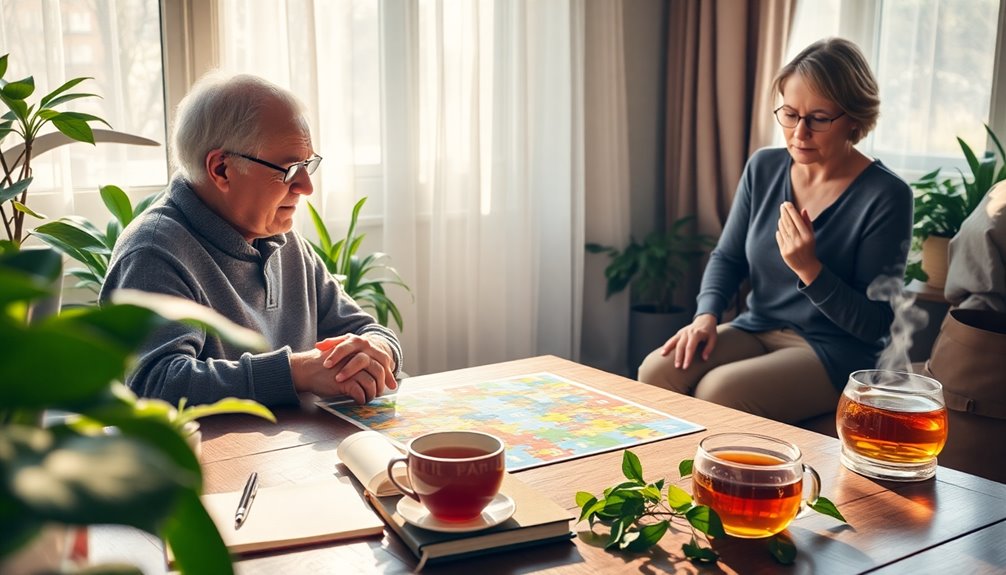
Building on mindfulness and relaxation techniques, focusing on cognitive health can greatly boost your mental well-being as you age. Engaging in cognitive activities not only strengthens your brain but also helps reduce the risk of cognitive decline.
Consider these strategies:
- Puzzles and Memory Games: These can enhance mental sharpness.
- Social Engagement: Join discussions or group activities to challenge your brain and foster connections.
- Learning New Skills: Take classes or pick up hobbies to keep your brain active.
- Creative Arts: Activities like reading can slow down cognitive decline.
Volunteer or Give Back to the Community

When you choose to volunteer or give back to your community, you not only enrich the lives of others but also enhance your own mental health.
Volunteering provides a sense of purpose and accomplishment, which can greatly lower rates of depression. Engaging in community service fosters social interaction, helping combat loneliness and isolation, common issues among seniors.
Many opportunities also include physical activity, boosting mood and cognitive function. Plus, volunteering keeps your mind active, promoting cognitive health by allowing you to learn new skills.
Research shows that older adults who volunteer feel more connected to their communities, leading to better overall health outcomes and contributing to a longer, healthier life.
Care for a Pet
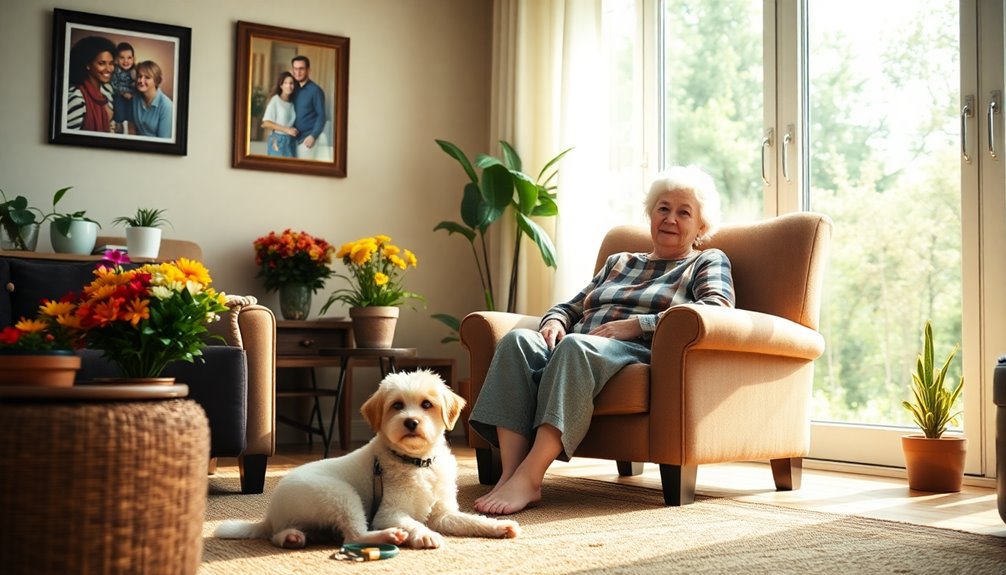
Caring for a pet can bring you companionship, helping to ease feelings of loneliness and isolation.
The daily routines and responsibilities involved in pet care can also give your life purpose and structure.
Plus, those joyful moments with your furry friend can boost your mood and encourage social interactions, enhancing your overall well-being.
Companionship Benefits
Having a pet can transform your daily routine and profoundly enhance your mental well-being. The companionship of a furry friend can considerably reduce feelings of loneliness and depression.
Here are some key benefits:
- Emotional Connection: Interacting with pets releases oxytocin, fostering bonding and improving your mood.
- Physical Activity: Engaging in pet-related activities like walking can boost your physical health and reduce anxiety.
- Social Opportunities: Pets can help you meet new people, strengthening your social networks and enhancing your sense of community.
- Purpose and Structure: Caring for a pet instills responsibility, providing you with a sense of purpose and routine.
Responsibility and Routine
While many seniors seek companionship, the responsibility of caring for a pet can provide an essential sense of routine and structure in daily life. Engaging with a pet not only boosts your mental health but also encourages physical activity, which can enhance overall well-being. Daily tasks like feeding and walking create a schedule that fosters responsibility and can greatly reduce stress and anxiety.
| Activity | Benefits | Frequency |
|---|---|---|
| Feeding | Establishes routine | Daily |
| Walking | Promotes physical health | Once or twice daily |
| Grooming | Strengthens bond | Weekly |
| Playing | Increases joy | Daily |
Seek Professional Support When Needed

If you're feeling overwhelmed by emotions or facing challenges like grief or loneliness, seeking professional support can be a vital step toward improving your mental health.
Here are four reasons why you should consider this path:
- Structured Environment: Therapy offers a safe space to explore your feelings and develop coping strategies.
- Emotional Well-Being: Regular sessions can enhance your emotional health and improve social connections.
- Tailored Approaches: Specialized therapy for seniors addresses unique challenges such as cognitive decline and loneliness.
- Reducing Stigma: Accessing mental health services empowers you to tackle mental health disorders proactively.
Establish a Daily Routine

Finding professional support is an important step in managing mental health, but establishing a daily routine can also play a significant role in enhancing your well-being.
As a senior adult, you'll find that a structured schedule brings predictability, reducing feelings of anxiety and depression. Incorporating meaningful activities—like exercise, meals, and social interactions—into your day boosts mood and cognitive health.
A consistent routine improves sleep quality, helping your body develop a natural rhythm. Engaging in hobbies or volunteer work fosters a sense of purpose, contributing positively to your mental health.
Ultimately, routines lead to greater emotional stability, providing a comforting framework to navigate daily stressors and enrich your life.
Stay Informed About Mental Health Resources
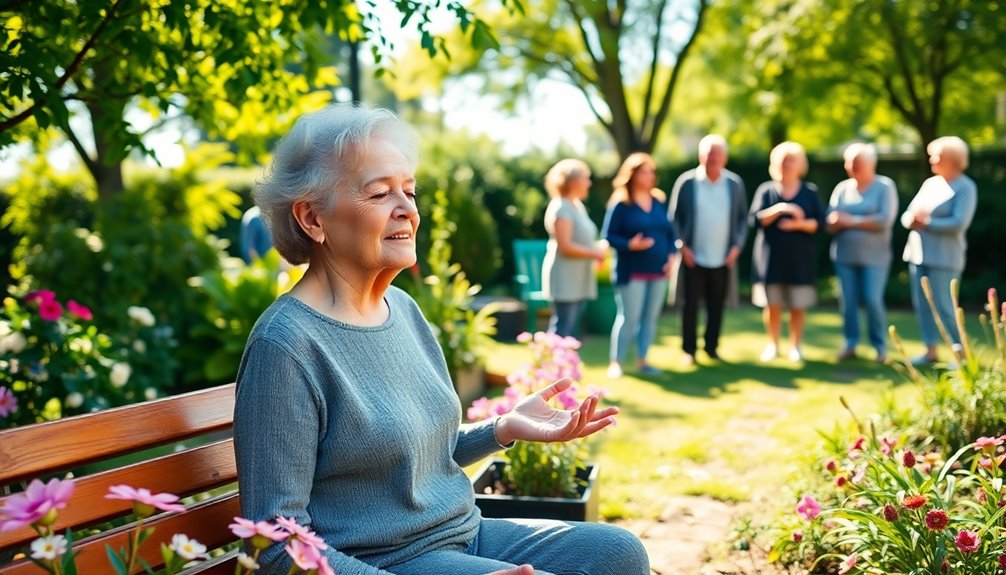
Staying informed about mental health resources is essential for seniors seeking support and guidance. By knowing where to turn, you can effectively address mental health problems and improve your well-being.
Here are some key resources to take into account:
- Administration on Aging – Access tailored mental health resources for older adults.
- National Council on Aging – Explore programs enhancing mental health through community engagement.
- Health in Aging – Find guidance on treatments for mental health concerns, helpful for you and family members.
- Behavioral Health Treatment Services Locator – Locate nearby facilities for cognitive behavioral therapy and other treatments.
Engaging with these resources in senior living communities can transform your mental health and overall quality of life.
Frequently Asked Questions
How to Improve Mental Health for the Elderly?
To improve mental health for the elderly, you should encourage regular social interactions, like joining local groups or volunteering.
Incorporating cognitive activities, such as puzzles, keeps the mind sharp.
Don't forget the importance of physical exercise; aim for at least 150 minutes of moderate activity each week.
A balanced diet rich in nutrients is essential too.
Finally, schedule regular health check-ups to catch any issues early and guarantee appropriate support.
Why Is Mental Health Important for the Elderly?
Mental health's essential for you as you age, impacting your overall quality of life.
You might face increased risks of anxiety and depression due to life changes, and it's common for cognitive decline to occur.
Prioritizing your mental well-being helps you stay engaged socially and cognitively, reducing the risk of serious consequences like disability.
How Do We Address the Mental Health Crisis Among Older Adults?
Imagine a garden left untended, where flowers wilt and weeds take over.
To address the mental health crisis among older adults, you need to cultivate connections. Engage them in social activities, provide access to resources, and encourage regular health check-ups.
When you foster a supportive environment, it helps reduce loneliness and cognitive decline. By nurturing their mental well-being, you can help them bloom, creating a vibrant community for all.
What Are 5 Strategies for Improving an Individual's Mental Health?
To improve your mental health, consider these five strategies:
Engage in regular social activities to combat loneliness, volunteer to foster a sense of purpose, and challenge your mind with puzzles or new skills to enhance cognitive function.
Make time for regular exercise; aim for at least 150 minutes a week to boost your mood.
Finally, establish a routine for health check-ups and discuss your emotional well-being with a healthcare professional to catch potential issues early.
Conclusion
By embracing these mental health practices, you can truly transform your life and the lives of those around you. It's not just about staying busy; it's about fostering connections and finding joy in the little things. Remember, the theory that happiness comes from within holds true—when you prioritize your mental well-being, you cultivate resilience and a sense of purpose. So, take these steps and watch how they enrich your life, bringing brighter days ahead.