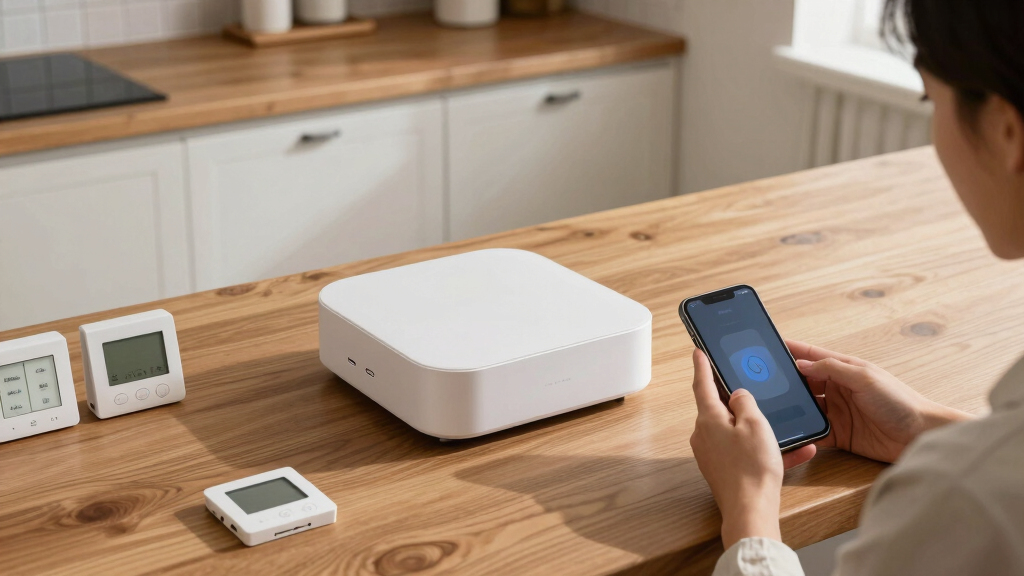

Choosing the best smart home hub with local control means prioritizing privacy, reliability, and seamless device integration. The Hubitat Elevation C-8 Pro stands out for its robust local processing and support for Z-Wave and Zigbee devices. The Home Assistant Green offers advanced automation features for tech-savvy users, while the Aqara M3 provides a versatile, budget-friendly option with broad protocol support. Each of these options balances local operation with ease of use, but they differ in complexity, device compatibility, and price. Continue reading to see how these and other models compare, and find the best fit for your smart home setup.
Key Takeaways
- Local control is most reliable and privacy-focused, but may require technical setup for some models.
- Device compatibility varies: some hubs excel with Zigbee and Z-Wave, others focus on Wi-Fi and IP-based systems.
- Ease of use and app interface differ widely; user-friendly options tend to limit advanced automation capabilities.
- Price range for top-tier local control hubs varies from budget-friendly to high-end premium options.
- Choosing the right hub depends heavily on your existing ecosystem and future device plans.



More Details on Our Top Picks
SMLIGHT SMHUB Essential – Professional Smart Home Control Hub with Zigbee, Thread, Wi-Fi & Bluetooth – Run Zigbee2MQTT, Matterbridge, MQTT Locally for Google Home & Apple Home
This professional-grade hub stands out for its Linux-based system that hosts open-source apps directly on the device, offering unparalleled local control and stability. Unlike the Amazon Echo Hub, which focuses on user-friendly setup, this model caters to advanced users who want full control over their automations and device integrations. It supports multiple radios—Zigbee, Thread, Wi-Fi, Bluetooth—and can run apps like Zigbee2MQTT, MQTT, and Matterbridge without relying on cloud services. The key tradeoff is its complexity: setup and configuration require technical knowledge, making it less suitable for beginners. Its hardware peripherals, such as IR and SD/eMMC, provide additional flexibility, but the device is more expensive and less plug-and-play than simpler options.
This hub makes the most sense for DIY enthusiasts or professionals seeking a customizable, local-only control point.Pros:- Runs open-source Linux apps locally for maximum control and stability
- Supports multiple radios including Zigbee, Thread, Wi-Fi, and Bluetooth
- Hosts apps like Zigbee2MQTT and MQTT broker directly on the device
- Offers expansion options with additional modules (Z-Wave, 4G LTE)
Cons:- Requires technical knowledge for setup and configuration
- No native Z-Wave support without expansion modules
- Less intuitive user interface compared to consumer-focused hubs
Best for: Advanced smart home users, DIYers, or professionals who want full local control and customization.
Not ideal for: Casual users or those seeking plug-and-play simplicity, as setup and maintenance are more complex.
- Radio Support:Zigbee, Thread, Wi-Fi, Bluetooth
- Operating System:Linux-based
- Apps Hosted:Zigbee2MQTT, MQTT, Matterbridge, Z-Wave JS
- Connectivity:Ethernet, SD/eMMC
- Expansion Modules:Z-Wave, 4G LTE
- Peripherals:IR receiver/transmitter, audio out
Bottom line: Ideal for tech-savvy users seeking a customizable, robust, and offline-capable smart home hub.
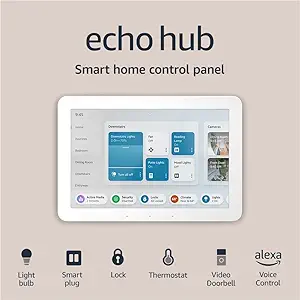
Like-New Amazon Echo Hub, 8” smart home control panel, Designed for Alexa+, Compatible with thousands of devices
This refurbished Echo Hub offers a straightforward, user-friendly experience, making it a strong choice for those new to smart home systems, especially compared to the more complex SMLIGHT SMHUB. Its 8-inch touch screen simplifies device control, routines, and camera viewing, all integrated with Alexa for voice commands and automation. The setup is quick, and its compatibility with thousands of Alexa-compatible devices makes it versatile for most households. However, it relies heavily on cloud services, which can result in slower response times and less control during internet outages. Its focus on ease of use means it lacks the advanced customization options of more technical hubs like the Aqara M3 or Hubitat Elevation C-8 Pro. The device’s hardware and interface are designed for everyday users, but it may fall short for those who want local-only control or complex automations.
This pick is perfect for households wanting a simple, integrated, and voice-enabled smart hub without the need for extensive technical setup.Pros:- Easy to set up with a clear touch-screen interface
- Deep Alexa integration for voice commands and routines
- Supports thousands of compatible devices including Zigbee and Bluetooth
- Refurbished, tested, and comes with warranty
Cons:- Relies on cloud connectivity for most features
- Limited customization for automation beyond Alexa routines
- No native Z-Wave support
Best for: Homeowners seeking easy setup, Alexa voice control, and compatibility with a wide range of devices.
Not ideal for: Advanced users or those wanting full local automation with minimal reliance on cloud services.
- Display:8-inch touch screen, 1280×800
- Compatibility:Alexa, Zigbee, Bluetooth, Matter (via cloud)
- Power:AC-powered with included adapter
- Connectivity:WiFi, Bluetooth
- Size:Approx 8 inches
- Warranty:Limited warranty, tested & certified refurbished
Bottom line: Best suited for users desiring a simple, Alexa-centric control panel with broad device compatibility.
Aqara Smart Home Hub M3 for Advanced Automation, Matter Controller, Thread Border Router, Features Zigbee, Bluetooth, Wi-Fi, PoE, IR, Supports Apple HomeKit, Alexa, SmartThings, Home Assistant, IFTTT
The Aqara M3 hub excels in supporting a broad array of protocols—Zigbee, Thread, Wi-Fi, Bluetooth—and integrates seamlessly with third-party ecosystems like Apple HomeKit, SmartThings, and Home Assistant. Compared to the Hubitat Elevation C-8 Pro, which emphasizes local control and platform updates, the M3 offers a more versatile, multi-protocol approach with extensive device support. Its IR blaster adds unique remote control capabilities, making it suitable for complex automations involving traditional appliances. The tradeoff is its focus on Aqara-specific devices, limiting compatibility with other Zigbee brands unless they are Aqara-certified. Setup is straightforward, especially with the Aqara app, but advanced automations may require some familiarity with ecosystems like HomeKit or IFTTT. Its wired options via PoE add stability, but it’s less flexible for purely DIY custom automations.
This device is perfect for users who want a robust, multi-protocol hub with extensive ecosystem integration for advanced automations.Pros:- Supports Zigbee, Thread, Wi-Fi, Bluetooth, IR, and PoE
- Compatible with Apple HomeKit, Alexa, SmartThings, and more
- Supports up to 127 Zigbee and Thread devices (with limitations)
- Includes IR blaster with learning capabilities
Cons:- Limited to Aqara devices for Zigbee support
- Slightly more complex setup for non-Aqara devices
- Primarily designed for advanced users with ecosystem familiarity
Best for: Smart home enthusiasts seeking comprehensive protocol support and ecosystem compatibility.
Not ideal for: Beginners or users primarily interested in local control with minimal setup complexity.
- Protocols:Zigbee, Thread, Wi-Fi, Bluetooth, IR
- Supports:127 Zigbee, 127 Thread devices
- Connectivity:PoE, Wi-Fi, Bluetooth
- Compatibility:Apple HomeKit, Alexa, SmartThings
- Size:Approx 4.13″ x 4.13″ x 1.41″
- Additional Features:IR learning, Thread Border Router
Bottom line: Ideal for users who want multi-protocol support, extensive ecosystem integration, and wired stability for complex automations.
Hubitat Elevation C-8 Pro Smart Home Automation Hub – Latest Platform Updates – Matter 1.5, Z-Wave 800 LR, Zigbee 3.0 & Bluetooth – Local Control (No Cloud) – Alexa, Apple HomeKit & Google Home
The Hubitat Elevation C-8 Pro offers a powerful local automation platform focusing on privacy and reliability, making it a strong alternative to the Aqara M3 for those who prefer a more open and customizable environment. Its support for Matter 1.5, Z-Wave 800 LR, Zigbee 3.0, and Bluetooth ensures wide compatibility with many devices, unlike the Aqara M3’s Aqara-only Zigbee support. The device’s emphasis on local control means automations continue functioning during internet outages, unlike the Amazon Echo Hub, which depends on cloud services. Its robust hardware, external antennas, and regular platform updates make it suitable for larger or device-dense homes. The tradeoff is a steeper learning curve and the need to review device compatibility lists to ensure smooth operation. It’s best suited for users who want full control and privacy without sacrificing protocol diversity.
This hub makes the most sense for tech-savvy users with larger or complex smart homes seeking local-only automations and privacy.Pros:- Supports Matter 1.5, Z-Wave 800 LR, Zigbee 3.0, and Bluetooth
- Local control with no reliance on cloud servers
- Regular firmware updates and platform evolution
- High-performance external antennas for larger coverage
Cons:- Requires some technical knowledge for setup and automation creation
- Limited out-of-the-box device compatibility list
- No integrated voice assistant, relies on external systems
Best for: Users wanting local automation, privacy, and support for Z-Wave, Zigbee, and Matter devices in larger homes.
Not ideal for: Beginners or those seeking quick setup with minimal configuration.
- Protocols Supported:Zigbee 3.0, Z-Wave 800 LR, Bluetooth, Matter 1.5
- Automation Type:Local, Rule-based, AI-enhanced
- Connectivity:External antennas, Ethernet
- Device Support:Supports many devices, check compatibility
- Size:Approx 4.13 x 4.13 x 1.41 inches
- Power:Wired, external power supply
Bottom line: Best suited for experienced users seeking a highly customizable, privacy-focused, and local automation hub for larger or complex homes.
Smart Multi-mode Gateway: ZigBee 3.0 & Bluetooth & Mesh Hub, App Remote Control, Intelligent Bridge Wireless Smart Home Gateway Voice Control via Alexa/Google Home (ONLY Supports Tuya Smart Devices)
This multi-mode gateway excels as a bridge for Tuya-compatible Zigbee, Bluetooth, and Wi-Fi devices, making it a practical choice for users heavily invested in the Tuya ecosystem. Its support for Zigbee 3.0 and Bluetooth mesh allows you to connect up to 128 devices, including sensors and switches, with remote control via the Tuya or Smart Life app. Compared to the Aqara M3, which supports multiple ecosystems but is Aqara-specific, this gateway is simpler to set up and manage, but it only works with Tuya-compatible devices. It’s ideal for small to medium homes with device-specific automation needs, but it falls short if you want broad protocol support or local control without cloud dependency. Voice control is available via Alexa and Google, but automations are mostly cloud-based, limiting offline functionality.
This gateway is best for Tuya ecosystem users who want a straightforward, multi-protocol bridge for small to mid-sized smart homes.Pros:- Supports Zigbee 3.0, Bluetooth mesh, and Wi-Fi protocols
- Supports up to 128 devices within Tuya ecosystem
- Easy to install with app control and remote management
- Voice control via Alexa and Google Assistant
Cons:- Limited to Tuya/Smart Life compatible devices
- Cloud dependency limits offline automation
- No native support for ecosystems like HomeKit or Z-Wave
Best for: Tuya users seeking a simple, multi-protocol device bridge compatible with their existing Tuya/Smart Life devices.
Not ideal for: Advanced automation enthusiasts or users seeking full local control and broad device compatibility outside Tuya.
- Protocols:ZigBee 3.0, Bluetooth Mesh, Wi-Fi
- Device Support:Up to 128 Tuya-compatible devices
- App Control:Tuya Smart, Smart Life
- Voice Support:Alexa, Google
- Size:Compact, specific dimensions not specified
- Additional Features:Remote control, group management
Bottom line: Best suited for Tuya ecosystem users wanting a simple, multi-protocol bridge for device management and voice control.
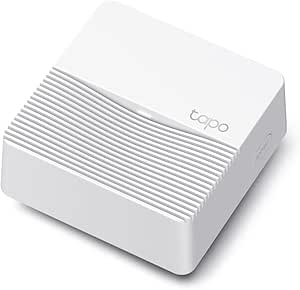
TP-Link Tapo Smart Hub with Built-In Chime, REQUIRES 2.4GHz Wi-Fi, Connect up to 64 Smart + 4 Camera Devices, Sub-1G Low-Power Wireless Protocol, 512GB Local Storage, Tapo H200
The TP-Link Tapo H200 stands out for its focus on local control, especially with built-in microSD storage up to 512GB, making it an appealing choice for users who prioritize data privacy and on-site recording. Compared to the Amazon Echo Hub, which emphasizes voice control and seamless Alexa integration, the Tapo hub offers a more dedicated solution for security-focused setups without relying heavily on cloud services. The low-power Sub-1G protocol extends sensor battery life, but it limits compatibility to specific regional frequencies, which can complicate setups in some areas. Its ability to connect up to 64 devices plus 4 cameras makes it scalable, yet the absence of a display or direct user interface means it’s less suited for users wanting a visual control panel. Overall, this hub makes the most sense for those with existing Tapo or Kasa cameras wanting local footage storage and straightforward automation. Pros include extensive device capacity, local video storage, low-power protocol, and simple app integration. Cons involve regional frequency limitations, lack of a visual interface, and potential compatibility restrictions. Verdict: This is ideal for security-conscious users who want local control and storage without extra cloud fees. Specs: Control Method: App, Voice; Compatibility: Smart Home; Dimensions: 2.81 x 2.81 x 1.23 inches; Weight: 73 grams; Storage: 512GB microSD; Wireless Protocol: Sub-1G Low-Power; Works with: Tapo devices; Connectivity: Wi-Fi 2.4GHz; Number of devices: Up to 64+4 cameras.
Amazon Echo Hub, 8” smart home control panel, Designed for Alexa+, Compatible with thousands of devices
The Amazon Echo Hub makes a compelling case for those who want a centralized visual interface with deep Alexa compatibility. Its 8-inch touch screen allows quick adjustments, live camera feeds, and customized dashboards, unlike the Tapo hub which is purely app-driven. The built-in Zigbee, Thread, and Matter support mean it can directly control a vast array of compatible smart devices, making it highly versatile. However, it relies on cloud services for most functions, which can introduce delays and dependency issues, especially during internet outages. Unlike Home Assistant Green, which keeps everything local and private, the Echo Hub’s privacy controls are robust but still tied to Amazon’s ecosystem, potentially raising privacy concerns. It’s best suited for users who want a sleek, all-in-one display for quick control and voice commands. Pros include a large touchscreen, wide compatibility, integrated Zigbee and Matter, and easy installation. Cons involve reliance on cloud connectivity, higher cost, and less control over local automation compared to Home Assistant Green. Verdict: Perfect for users seeking a visually engaging, Alexa-compatible hub with broad device support. Specs: Display: 8” touchscreen; Compatibility: Alexa, Zigbee, Thread, Matter; Connectivity: WiFi, Bluetooth; Power: USB-C PD, optional PoE; Size: 7.9″W x 5.4″H x 0.6″D; Weight: 12.9 ounces; System: Built-in sensors, stereo speakers.
Home Assistant Green | Smart Home hub with Advanced Automation | Official Home Assistant Hardware
Home Assistant Green delivers a straightforward, yet powerful, local control hub designed specifically for automation enthusiasts who value privacy and customization. Its plug-and-play setup with pre-installed Home Assistant OS makes it accessible, while the support for Z-Wave, Zigbee, and Thread via USB expandability offers extensive device compatibility. This hub is optimized for local processing, minimizing delays and avoiding cloud dependency, making it ideal for users who want reliable automation that respects data privacy. Compared with the Echo Hub, it lacks a touchscreen or voice interface but compensates with a flexible, open-source environment that can grow with complex setups. Its fanless, compact design is perfect for discreet integration into any home. However, it’s less user-friendly for those unfamiliar with Home Assistant or needing a simple out-of-the-box solution. Pros include local automation, expandability via USB, privacy focus, and silent operation. Cons involve a steeper learning curve, no native display, and reliance on user setup. Verdict: Best suited for tech-savvy users seeking a customizable, privacy-focused local hub. Specs: Processor: ARM; RAM: 4GB; Storage: 32GB; Connectivity: Ethernet, USB; Compatibility: Z-Wave, Zigbee, Thread; Size: 4.41″L x 4.41″W x 1.26″H; Weight: 12 ounces; Operating System: Home Assistant OS.
How We Picked
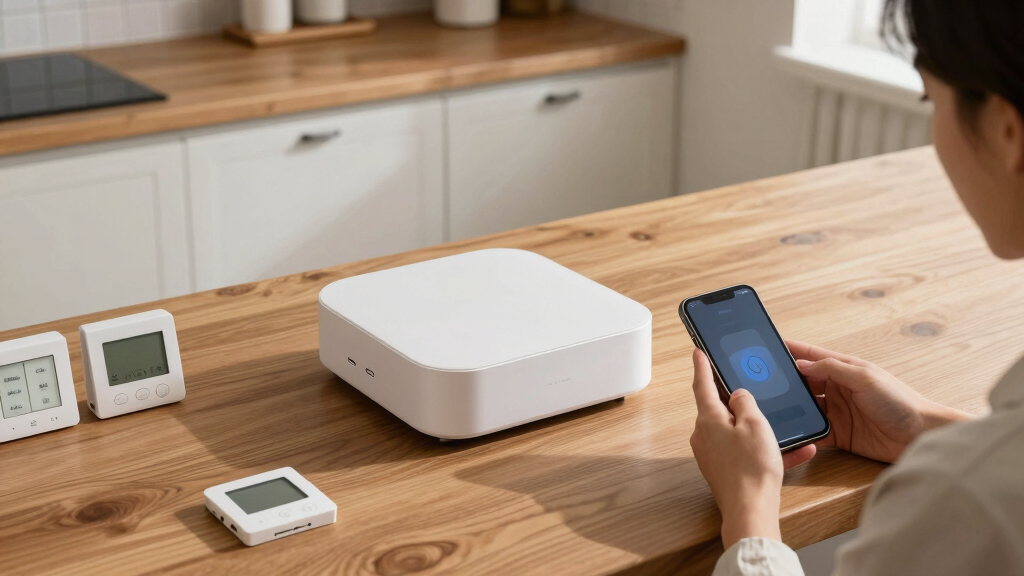
We evaluated each smart home hub based on core factors like local processing power, device compatibility, ease of setup, and support for popular protocols such as Zigbee, Z-Wave, and Thread. Reliability and user control over automation were prioritized, with a focus on products that minimize reliance on cloud services. Value was considered both in terms of features and price, ensuring options fit different budgets and technical skill levels. We ranked these products by how well they balance local control with versatility, ease of use, and future-proofing for expanding smart homes.Factors to Consider When Choosing Best Smart Home Hub With Local Control
When selecting a smart home hub with local control, it’s important to consider several factors that influence your overall experience, security, and scalability. A good hub should support your existing devices, be easy to set up, and offer reliable automation without constant internet dependency. Understanding these factors can help prevent common pitfalls like incompatible protocols or overly complex interfaces that could hinder your smart home growth.Compatibility and Protocol Support
Look for a hub that supports the protocols used by your current devices, such as Zigbee, Z-Wave, or Thread. Some hubs are more versatile and support multiple protocols, making future expansion easier. Avoid hubs with limited protocol support if you plan to grow your device ecosystem, as this could lead to compatibility issues down the line.
Ease of Setup and Use
Consider how user-friendly the setup process is, especially if you’re not technically inclined. Some hubs offer intuitive apps and straightforward configuration, while others require more technical knowledge or command-line interface experience. The simplest options may limit automation complexity, so balance ease of use with your automation needs.
Local Control and Reliability
Prioritize hubs with strong local processing capabilities to ensure your automations run even if your internet goes down. Devices that rely heavily on cloud servers can introduce delays or failures, especially during internet outages. Local control enhances privacy and security, making it ideal for those concerned about data sharing.
Price and Future-Proofing
Decide how much you’re willing to invest, keeping in mind that higher-priced hubs often support more protocols and offer advanced automation features. Cheaper options may be sufficient for basic setups but could limit your growth. Consider whether the hub supports upcoming standards like Matter, which promises broader device compatibility.
Ecosystem and Integration
Think about your existing ecosystem — whether you’re invested in Alexa, Google Assistant, Apple HomeKit, or SmartThings. Some hubs work seamlessly across multiple ecosystems, while others are more closed. Compatibility with your preferred voice assistants and ecosystem ensures a smoother, more integrated experience.
Frequently Asked Questions
Can I upgrade my existing smart devices to work with a new local control hub?
Yes, many hubs support a range of protocols like Zigbee and Z-Wave, which are common standards for smart devices. However, compatibility depends on the specific device and hub. Before purchasing, verify that your existing devices are compatible with the hub’s supported protocols and that the hub’s firmware supports those devices for seamless integration.
Is it better to choose a dedicated local control hub or a smart speaker with hub capabilities?
Dedicated hubs typically offer greater reliability and flexibility, especially for complex automations and device support. Smart speakers with hub features, like certain Amazon Echo models, are more convenient but often rely on cloud services and may have limited automation control. For a more robust, private, and expandable smart home, dedicated hubs generally provide better long-term value.
How important is future-proofing when choosing a smart home hub?
Future-proofing is very important, especially as new standards like Matter emerge to unify device compatibility. Investing in a hub that supports upcoming protocols and has regular firmware updates can save money and frustration later, ensuring your smart home remains compatible with new devices and features without needing a complete overhaul.
Do I need a hub if I only plan to use Wi-Fi connected smart devices?
While Wi-Fi devices can operate without a hub, using a dedicated hub can improve reliability, reduce network congestion, and enhance automation capabilities. Hubs with local control can still coordinate these devices more effectively and provide centralized management, especially if you want more complex automations or enhanced privacy.
What should I consider if I want to integrate my smart home with voice assistants?
Check that the hub supports your preferred voice assistant, whether Alexa, Google Assistant, or Apple Siri. Compatibility ensures voice commands can control your devices directly via the hub, providing convenience and seamless automation. Some hubs are more tightly integrated with specific ecosystems, so choose one aligned with your existing setup for the best experience.
Conclusion
For most users seeking a reliable, privacy-focused setup, the Hubitat Elevation C-8 Pro offers a compelling balance of local control, device support, and automation flexibility. The Home Assistant Green is ideal for tech-savvy enthusiasts who want extensive customization and future-proofing. Budget-conscious buyers or those new to smart homes may find the Aqara M3 to be a versatile, affordable choice. If you prioritize ease of use and integrated ecosystems, a dedicated panel like the Amazon Echo Hub makes sense. Ultimately, your decision should match your existing devices, automation needs, and comfort with technical setup.