
Choosing a Mac Studio for photography workflows means deciding whether you want a powerful fixed workstation, a smaller desktop, or a MacBook Pro that can edit away from the desk. I rank the M5 Max Mac Studio first for photographers building a high-capacity multi-display setup, while the M5 Pro Mac mini is the compact desktop pick and the 16-inch M5 Max MacBook Pro is the strongest all-in-one option. The tradeoff is straightforward: a desktop gives you a dedicated workstation footprint and room to build around it, while a laptop includes its own display and works wherever a shoot takes you. The older renewed M1 Max Mac Studio can suit a tighter workflow, but its condition and operating-system details deserve extra scrutiny.

Turn the school run and nap time into listening time
- Thousands of audiobooks, podcasts and originals
- Listen on your phone, tablet or Echo — also offline
- Cancel anytime
Complete the kit


Key Takeaways
- The M5 Max Mac Studio is the clearest fit for a permanent photo workstation, with support for up to five displays and a broad selection of ports; confirm the listed memory and storage configuration before choosing it.
- The M5 Pro Mac mini takes less desk space than the Mac Studio, but its listed details do not specify memory or SSD capacity, so verify those before planning large RAW catalogs.
- The 16-inch M5 Max MacBook Pro combines a large built-in XDR screen, an SDXC slot, and 2TB of listed SSD storage, making it the most self-contained option for editing on location.
- The 14-inch M5 Max MacBook Pro is easier to carry than the 16-inch model, but its 36GB memory and 32-core GPU make it a more restrained mobile configuration.
- The renewed M1 Max Mac Studio is the legacy-hardware choice here; its 32GB memory and 1TB SSD are specified, but its renewed status and listed macOS High Sierra call for careful verification.
| Apple Mac Studio Desktop Computer with M5 Max Chip and 3-Year AppleCare+ |  | Best Overall for a Permanent Photography Workstation | Processor: Apple M5 Max | Maximum unified memory: Up to 128GB | Memory bandwidth: Up to 614GB/s | VIEW ON AMAZON | See Our Full Breakdown |
| Apple Mac mini Desktop Computer with M5 Pro |  | Best Compact Desktop for a Photo Desk | Chip: Apple M5 Pro | Dimensions: 5 × 5 inches | Memory bandwidth: 307GB/s | VIEW ON AMAZON | See Our Full Breakdown |
| Apple MacBook Pro 16.2-inch with M5 Max, 18-core CPU, 40-core GPU, 48GB Memory, 2TB SSD, Wi-Fi 7, Space Black | 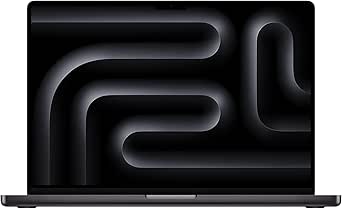 | Best All-in-One for Editing at the Desk and on Location | Chip: Apple M5 Max | CPU: 18-core | GPU: 40-core | VIEW ON AMAZON | See Our Full Breakdown |
| Apple 14.2-inch MacBook Pro with M5 Max, 18-core CPU, 32-core GPU, 36GB Unified Memory, and 2TB SSD, Space Black |  | Best Smaller Laptop for Mobile Editing | Processor: Apple M5 Max, 18-core CPU | Graphics: 32-core GPU | Display: 14.2-inch Liquid Retina XDR | VIEW ON AMAZON | See Our Full Breakdown |
| Apple Mac Studio with M1 Max, 10-Core CPU, 24-Core GPU, 32GB RAM, 1TB SSD (Renewed) |  | Best Legacy Mac Studio for a Clearly Stated Desktop Configuration | Processor: Apple M1 Max, 10-core CPU | Graphics: 24-core GPU | Memory: 32GB | VIEW ON AMAZON | See Our Full Breakdown |
| mac studio for photography workflow | Processor | Wireless | Memory | Storage |
|---|---|---|---|---|
| Apple Mac Studio Desktop Compu | Apple M5 Max | Wi-Fi 7, Bluetooth 6 | — | — |
| Apple Mac mini Desktop Compute | — | Wi-Fi 7, Bluetooth 6 | — | — |
| Apple MacBook Pro 16.2-inch wi | — | — | 48GB unified memory | 2TB SSD |
| Apple 14.2-inch MacBook Pro wi | Apple M5 Max, 18-core CPU | Wi-Fi 7, Bluetooth 6 | 36GB unified memory | 2TB SSD |
| Apple Mac Studio with M1 Max | Apple M1 Max, 10-core CPU | — | 32GB | 1TB SSD |
More Details on Our Top Picks
Apple Mac Studio Desktop Computer with M5 Max Chip and 3-Year AppleCare+
I put this M5 Max Mac Studio first for photographers who want a central desktop system and plan to connect a serious monitor setup. Its compact 7.7-inch-square body leaves room for card readers, external SSDs, and other desk gear, while the listed four Thunderbolt 5 ports, SDXC slot, HDMI, and USB connections help reduce adapter juggling. Support for up to five external displays is the strongest multi-screen claim in this group, a practical distinction for editors who want an image canvas alongside tools, folders, or reference material.
Compared with the M5 Pro Mac mini, this is the more workstation-oriented choice: it is described with an M5 Max chip, higher memory support, and greater display capacity. It also has a stated thermal system aimed at demanding creative work, although the supplied information does not give a particular memory or SSD configuration. That gap matters. I would check the exact included configuration before treating its advertised maximum of 128GB unified memory as what arrives in the box. Unlike the MacBook Pro picks, the Studio has no built-in screen, so the total setup depends on a separate monitor and peripherals. The included three-year AppleCare+ is a coverage distinction, but not a substitute for checking configuration details.
Pros:- M5 Max platform is positioned for demanding creative workflows.
- Supports up to five external displays.
- Four Thunderbolt 5 ports plus SDXC, HDMI, USB-A, and headphone connections.
- Compact desktop body and listed three-year AppleCare+ coverage.
Cons:- The listing does not specify the included memory or storage configuration.
- A monitor, keyboard, and pointing device are separate parts of the workstation setup.
- Less suitable than either MacBook Pro for editing away from a desk.
Best for: Photographers building a fixed editing desk with multiple displays, fast external storage, and a preference for a compact desktop.
Not ideal for: Photographers who need a built-in display, travel frequently, or require confirmed included memory and SSD capacities before purchasing.
- Processor:Apple M5 Max
- Maximum unified memory:Up to 128GB
- Memory bandwidth:Up to 614GB/s
- Thunderbolt:Four Thunderbolt 5 ports
- Other ports:Two USB-C, two USB-A, HDMI, SDXC card slot, headphone jack
- External displays:Up to five
- Wireless:Wi-Fi 7, Bluetooth 6
- Coverage:Three-year AppleCare+
Our verdict“I rank the M5 Max Mac Studio first for a permanent photo desk, provided the buyer confirms the actual memory and SSD configuration.”
Apple Mac mini Desktop Computer with M5 Pro
The M5 Pro Mac mini is my compact desktop choice for photographers who want a dedicated editing station without giving a large computer much desk space. Its 5-by-5-inch footprint can sit beneath a monitor, and its front USB-C ports make it easier to attach a card reader or a drive without reaching behind the display. Three Thunderbolt 5 ports, HDMI, and 2.5Gb Ethernet at the rear give a home studio room to connect a monitor, fast storage, and a wired network.
Compared with the M5 Max Mac Studio, the mini is the space-saving and display-limited option: it supports up to three external displays rather than five, and its stated memory bandwidth is 307GB/s rather than the Studio’s listed maximum of 614GB/s. That comparison points to different workloads, not a universal winner. A photographer with one calibrated display and a focused editing setup may prefer the mini’s footprint. The important caveat is that the listing does not specify memory or SSD capacity. Those omissions make it harder to judge the cost and practicality of running a sizable catalog locally. It also does not include a display, so it is less ready to use than either MacBook Pro.
Pros:- Small 5-by-5-inch desktop footprint.
- M5 Pro chip is specified for demanding creative and technical workflows.
- Front USB-C and headphone connections complement rear Thunderbolt 5, HDMI, and Ethernet.
- Supports up to three external displays.
Cons:- Memory and storage capacities are not specified in the supplied listing.
- No display is included or described.
- Display support is below the Mac Studio’s stated five-display maximum.
Best for: Photographers who want a small desktop for one to three displays and already have a suitable monitor and peripherals.
Not ideal for: Buyers who need a stated memory and SSD configuration, a built-in screen, or the Studio’s higher multi-display ceiling.
- Chip:Apple M5 Pro
- Dimensions:5 × 5 inches
- Memory bandwidth:307GB/s
- Rear ports:Three Thunderbolt 5, HDMI, 2.5Gb Ethernet
- Front ports:Two USB-C ports, headphone jack
- External displays:Up to three
- Wireless:Wi-Fi 7, Bluetooth 6
Our verdict“I recommend the M5 Pro Mac mini for a compact desk, but only after confirming the memory and SSD configuration that will ship.”
Apple MacBook Pro 16.2-inch with M5 Max, 18-core CPU, 40-core GPU, 48GB Memory, 2TB SSD, Wi-Fi 7, Space Black
This 16-inch M5 Max MacBook Pro is the most complete portable photography setup in the group. It pairs an 18-core CPU and 40-core GPU with 48GB unified memory and a specified 2TB SSD, so the core configuration is clearer than the desktop listings that leave memory or storage unstated. The built-in 16.2-inch Liquid Retina XDR display gives an editor a large working canvas without requiring a separate monitor, and the SDXC slot makes camera-card imports more direct. Thunderbolt 5, HDMI, and support for up to four external displays help it serve as a desk system too.
Compared with the 14-inch M5 Max MacBook Pro, this model has the larger screen, more listed memory, a 40-core rather than 32-core GPU, and the same stated 2TB SSD. That makes it the stronger fit when the laptop will double as the main editing station. The downside is its 4.73-pound weight, which makes frequent travel less appealing than the smaller laptop. It also cannot match the Mac Studio’s stated five external displays, and photographers buying a desktop-only setup may be paying for a built-in screen and portability they will rarely use. I would choose it when flexibility matters more than keeping the computer anchored to one desk.
Pros:- M5 Max with an 18-core CPU and 40-core GPU.
- 48GB unified memory and a specified 2TB SSD.
- 16.2-inch Liquid Retina XDR display and SDXC card slot.
- Thunderbolt 5, HDMI, and support for up to four external displays.
Cons:- At 4.73 pounds, it is the heaviest portable option listed here.
- The Mac Studio supports up to five external displays rather than four.
- Its built-in display adds less value for buyers who will edit only at a desktop.
Best for: Photographers who need a large built-in display, generous stated storage, and the option to edit both at home and on location.
Not ideal for: People who want the most compact travel computer or a desktop workstation centered on several external displays.
- Chip:Apple M5 Max
- CPU:18-core
- GPU:40-core
- Display:16.2-inch Liquid Retina XDR
- Memory:48GB unified memory
- Storage:2TB SSD
- Ports:Three Thunderbolt 5, MagSafe 3, SDXC, HDMI, headphone jack
- Weight:4.73 pounds
Our verdict“I choose the 16-inch MacBook Pro for photographers who want a powerful, clearly specified editing system that can leave the studio.”
Apple 14.2-inch MacBook Pro with M5 Max, 18-core CPU, 32-core GPU, 36GB Unified Memory, and 2TB SSD, Space Black
For photographers who want a capable laptop but find the 16-inch model too large, this 14.2-inch M5 Max MacBook Pro is the more portable pick. Its listed 3.59-pound weight is lower than the 16-inch model’s 4.73 pounds, and the 2TB SSD keeps a substantial amount of working storage inside the computer. The Liquid Retina XDR screen, SDXC slot, HDMI, and three Thunderbolt 5 ports make it practical for both card imports on location and a monitor-based setup at home.
This is not simply the 16-inch model in a smaller shell: it has a 32-core GPU and 36GB unified memory, compared with the larger laptop’s 40-core GPU and 48GB. For a photographer who values carrying convenience, that difference may be a sensible tradeoff; for complex projects, heavier multitasking, or frequent use of the laptop’s display as a broad editing canvas, I would lean to the 16-inch configuration. The M5 Max platform and four-external-display support keep it flexible, but its listed weight still makes it a substantial portable computer rather than an ultra-light travel machine. The listing also gives no battery runtime, so I would not pick it based on assumptions about all-day untethered editing.
Pros:- M5 Max chip with an 18-core CPU and 32-core GPU.
- 36GB unified memory and 2TB SSD are specified.
- 14.2-inch Liquid Retina XDR display with SDXC and HDMI.
- Lighter than the 16-inch M5 Max MacBook Pro and supports up to four external displays.
Cons:- Has less listed memory and a smaller GPU configuration than the 16-inch M5 Max laptop.
- At 3.59 pounds, it may still feel heavy for frequent travel.
- Battery runtime is not specified in the supplied details.
Best for: Photographers who need an M5 Max laptop with 2TB of stated storage but prefer a smaller screen and lower listed weight than the 16-inch model.
Not ideal for: Buyers who prioritize the largest laptop workspace, the 48GB memory and 40-core GPU configuration, or a fixed desktop with greater display support.
- Processor:Apple M5 Max, 18-core CPU
- Graphics:32-core GPU
- Display:14.2-inch Liquid Retina XDR
- Memory:36GB unified memory
- Storage:2TB SSD
- Wireless:Wi-Fi 7, Bluetooth 6
- Ports:Three Thunderbolt 5, MagSafe 3, SDXC, HDMI, headphone jack
- Weight:3.59 pounds
Our verdict“I recommend this 14-inch MacBook Pro when carrying a capable system matters more than matching the larger model’s memory and screen size.”
Apple Mac Studio with M1 Max, 10-Core CPU, 24-Core GPU, 32GB RAM, 1TB SSD (Renewed)
This renewed M1 Max Mac Studio earns a place for photographers who want a desktop with defined memory and storage figures instead of an open-ended configuration description. The supplied listing specifies 32GB memory and a 1TB SSD, making it easier to plan a modest local catalog and leave room for external photo storage. Its 10-core CPU and 24-core GPU are an older platform than the M5 Max Studio or M5 Pro mini, so I rank it below those newer desktop choices for buyers starting a long-term workstation build.
Compared with the M5 Max Mac Studio, this model gives up the newer chip family, listed support for up to five external displays, and the stated 128GB maximum-memory option. In exchange, its main appeal is the known 32GB/1TB configuration and its Mac Studio desktop form. The renewed status changes the purchase decision: the listing says it is inspected and tested, but it is not Apple certified, accessories may not be original, and packaging may be generic. More importantly, the supplied operating-system field says macOS High Sierra. That is an unusual detail for this product and should be confirmed with the seller before purchase, including what system is actually installed and whether it meets the buyer’s software needs. I would not choose it without resolving that mismatch.
Pros:- M1 Max with a 10-core CPU and 24-core GPU.
- 32GB memory and 1TB SSD are specified.
- Compact Mac Studio desktop format.
- Listing describes inspection, testing, cleaning, and a 90-day replacement or refund eligibility period.
Cons:- Renewed and not Apple certified; accessories may be non-original.
- The listing names macOS High Sierra, a detail to verify before purchase.
- Older M1 Max platform compared with the M5 desktop options in this roundup.
Best for: Photographers considering an older Mac Studio who value stated 32GB memory and 1TB storage and are comfortable verifying renewed-product details.
Not ideal for: Buyers seeking current-generation hardware, Apple-certified renewal, a newer stated operating system, or a system ready for a long upgrade cycle without extra checks.
- Processor:Apple M1 Max, 10-core CPU
- Graphics:24-core GPU
- Memory:32GB
- Storage:1TB SSD
- Dimensions:10 × 7.7 × 3.7 inches
- Weight:5.9 pounds
- Operating system listed:macOS High Sierra
- Condition:Renewed; not Apple certified
Our verdict“I would consider this renewed M1 Max Studio only after confirming its actual operating system, included accessories, and condition terms.”

How We Picked
I ranked these options around the parts of a photography workflow that change the buying decision: how well each can anchor a photo-editing desk, how much display and connection flexibility it offers, whether memory and storage are clearly stated, and how easily it fits work away from the studio. A chip name alone does not tell me whether a system is a sensible match for Lightroom or Photoshop. Memory capacity, a fast local working drive, card import convenience, and support for a suitable calibrated monitor all matter alongside processing capability.
The list includes Mac Studio and Mac mini desktops as well as MacBook Pro models because the supplied options span all three formats. I give the dedicated M5 Max Mac Studio the highest place for a fixed workstation, but I do not assume that optional memory or storage configurations are included in its listing. The Mac mini earns its own role for space-conscious desk setups, while the laptops rank by their mix of screen size, portability, and specified hardware. I place the renewed M1 Max last because it is the oldest platform here and its listing raises verification questions, not because the supplied details prove it cannot edit photos. I have judged every model by the stated specifications and workflow fit rather than by unstated performance claims.
| mac studio for photography workflow | Processor |
|---|---|
| Apple Mac Studio Desktop Compu | Apple M5 Max |
| Apple Mac mini Desktop Compute | — |
| Apple MacBook Pro 16.2-inch wi | — |
| Apple 14.2-inch MacBook Pro wi | Apple M5 Max, 18-core CPU |
| Apple Mac Studio with M1 Max | Apple M1 Max, 10-core CPU |
Factors to Consider When Choosing Mac Studio For Photography Workflows
I would choose around the whole photo setup, not just the computer’s chip. A Mac may process edits quickly, but an undersized internal drive, an unsuitable display, or inconvenient card import can still slow the daily workflow. The products here differ most in desktop versus laptop use, confirmed versus unspecified configuration, and how many screens they can support.
Start with the shape of your workday
If editing happens almost entirely at one desk, I would begin with the M5 Max Mac Studio or M5 Pro Mac mini. The Studio is the stronger match for a broad multi-display workstation, while the mini saves more room and can still support up to three displays. Neither listing includes a display, so factor in the monitor and the connections it needs. If work moves between home, a studio, and client locations, the MacBook Pro models include their own screens and make a more self-contained kit. The 16-inch version favors screen area; the 14-inch version reduces the listed carrying weight.
Treat memory and storage as workflow capacity
Photo libraries grow, and applications may have a catalog, previews, exports, and source files open around the same time. For this reason, I give extra weight to options with a clearly stated configuration. The 16-inch MacBook Pro lists 48GB memory and a 2TB SSD, the 14-inch lists 36GB and 2TB, and the renewed M1 Max Studio lists 32GB and 1TB. The newer Studio advertises support for up to 128GB, but that is a maximum rather than a confirmed included configuration. The Mac mini listing does not state either capacity. I would verify those two desktop configurations before comparing them with a laptop that has specified storage.
Match display support to the editing desk
A calibrated external monitor remains central to many color-managed photography workflows. The Mac Studio’s stated support for up to five external displays makes it the most flexible listing for a multi-screen setup. The MacBook Pro models support up to four external displays, while the Mac mini supports up to three. Those maximums help distinguish the products, but they do not tell me which monitor resolutions or combinations are supported; check the exact display requirements before building a specialized desk. A laptop’s built-in XDR screen offers a useful editing surface, but it does not remove the value of a separate monitor when consistent viewing conditions matter.
Plan card imports and external storage
Both MacBook Pro listings and the M5 Max Mac Studio specify an SDXC card slot, which may simplify importing from compatible camera cards. The supplied M5 Pro Mac mini details list front USB-C and rear Thunderbolt 5, HDMI, and Ethernet, but no SDXC slot, so a reader may be part of that setup. For a large photo archive, I would also plan an external drive or network storage rather than treating the internal SSD as the sole home for every original. Port count helps, but the right arrangement depends on the monitor, card reader, backup drive, and any dock already in the studio.
Check listing details before committing
Configurations matter more than product-family names. The M5 Max Studio and M5 Pro mini descriptions leave memory and SSD capacities unspecified, so verify the exact unit configuration. The renewed M1 Max Studio needs extra checks because it is not Apple certified, may include non-original accessories, and lists macOS High Sierra; ask what operating system is actually installed and confirm the seller’s renewal and return terms. Laptop buyers should compare the 14-inch and 16-inch models by weight and workspace, not assume the smaller model has identical memory and graphics. Those checks help translate a headline model name into a useful photography workstation.
Frequently Asked Questions
Which option is the best fit for a dedicated Mac Studio photography workstation?
I would start with the M5 Max Mac Studio if the goal is a fixed editing desk with several external displays and a broad set of ports. It has the strongest stated display support in this group and a compact desktop body. The listing does not specify the included memory or SSD capacity, though, so confirm the exact configuration before choosing it. If desk space matters more than maximum display capacity, the M5 Pro Mac mini is the alternative to investigate.
Should I choose a Mac Studio or a MacBook Pro for photo editing?
I would choose a Mac Studio when the computer will stay at a workstation and a separate monitor is already part of the plan. A MacBook Pro makes more sense if I need to edit on location or want a screen included in the computer. The 16-inch model offers a larger display and higher stated memory than the 14-inch model, while the 14-inch is lighter. Neither format is universally better; the deciding factor is whether portability or a stationary multi-display setup matters more.
Is the M5 Pro Mac mini suitable for a photography workflow?
The M5 Pro Mac mini may suit an editing desk with up to three external displays, especially when a compact footprint and front USB-C access are useful. Its listing does not state memory or SSD capacity, so I would verify both before relying on it for a large local catalog or demanding multitasking. It also has no described built-in display and no listed SDXC slot, so plan for a monitor and, if needed, a card reader.
Which MacBook Pro is better for editing photos away from home?
I would pick the 14-inch M5 Max MacBook Pro when lower listed weight and a smaller screen are the priority. It still lists a 2TB SSD, an SDXC slot, and an XDR display. The 16-inch model is the better fit when a larger editing canvas, 48GB memory, and a 40-core GPU matter more than its 4.73-pound weight. The supplied information does not state battery runtime for the 14-inch model, so I would not base a purchase on assumed untethered working time.
What should I verify before buying the renewed M1 Max Mac Studio?
I would confirm the installed operating system, the exact condition and included accessories, and the seller’s replacement or refund process. The listing describes the unit as renewed and not Apple certified, says accessories may be non-original, and identifies macOS High Sierra. That operating-system detail merits direct confirmation before purchase. The stated 32GB memory and 1TB SSD are useful configuration facts, but they do not remove the need to check software compatibility and the renewal terms.
Conclusion
For a fixed photography desk, I recommend the M5 Max Mac Studio because its stated support for five external displays and broad port selection best match a multi-screen workstation; I would confirm the included memory and SSD first. For a smaller desktop around a monitor you already own, the M5 Pro Mac mini is my space-conscious pick, pending configuration checks. Choose the 16-inch M5 Max MacBook Pro if you want a large built-in XDR display, 48GB memory, and 2TB storage in a system that can travel. Choose the 14-inch MacBook Pro when a smaller, lighter laptop matters more than the larger model’s higher listed memory and GPU configuration. I would reserve the renewed M1 Max Mac Studio for buyers comfortable with older hardware who verify the unusual operating-system listing and renewal details before ordering.