Among premium dash cameras with night vision, my best overall pick is the VIOFO A229 Pro, which pairs 4K HDR front recording with rear coverage for a strong balance of detail and everyday usefulness. The Vantrue N4 Pro S stands out for drivers who want three-channel recording and STARVIS 2 HDR, while the Vantrue N5S suits buyers who want a broad, four-channel view of the cabin and surroundings. The main tradeoff is coverage versus simplicity: adding cameras can capture more angles, but brings more installation work and more footage to manage. Low-light performance also depends on exposure, glare control, and scene conditions—not just a night-vision label. Read on for my full comparison and buying advice.

Turn the school run and nap time into listening time
- Thousands of audiobooks, podcasts and originals
- Listen on your phone, tablet or Echo — also offline
- Cancel anytime
Complete the kit


Key Takeaways
- The VIOFO A229 Pro is my best overall pick because its 4K HDR front and rear setup emphasizes useful road detail without the extra camera count of 360-degree systems.
- Three-channel models serve a different job than dual-channel cameras: the Vantrue N4 Pro S adds cabin coverage, making it a stronger fit for rideshare and interior recording needs.
- Four-channel coverage is about angles, not automatically clearer evidence. The Vantrue N5S and IIWEY N6 PRO prioritize broad coverage, while buyers should check each camera’s resolution and placement before choosing.
- STARVIS 2 appears across several standout options, including the REDTIGER F7NP and Vantrue N4S, but sensor branding alone cannot guarantee readable night footage in every lighting condition.
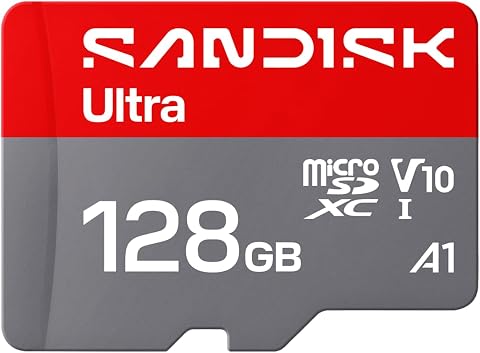
- Included memory cards reduce setup friction, not long-term storage needs. Several models bundle a 128GB card, but multi-camera recording can fill storage faster than a simpler front-and-rear setup.
| Vantrue N5S 4-Channel 360° Dash Cam |  | Best for Maximum Cabin Coverage | Channels: 4 | Front resolution: 2.7K | Recording modes: 1CH, 2CH, 3CH, or 4CH | VIEW ON AMAZON | See Our Full Breakdown |
| REDTIGER F7NP 4K Front and Rear Dash Cam with STARVIS 2 Sensor and 128GB Memory Card |  | Best for 4K Front Detail | Front video resolution: 4K (2160p) | Rear video resolution: 1080p | Front field of view: 170° | VIEW ON AMAZON | See Our Full Breakdown |
| ROVE R2-4K Dual Pro Front and Rear Dash Cam |  | Best for High-Resolution Front and Rear Footage | Front video: 3840 × 2160 (4K) at 30 fps | Rear video: 2560 × 1440 (2K) at 30 fps | Image sensors: Sony STARVIS 2 IMX678 front and IMX675 rear | VIEW ON AMAZON | See Our Full Breakdown |
| Vantrue N4S 2.7K Three-Channel Dash Cam with STARVIS 2 Night Vision |  | Best Three-Channel Night-Vision Pick | Channels: 3 (front, cabin, and rear) | Video resolution: 2.7K front; 1440P cabin and rear | Lens angles: 158° front; 165° cabin; 160° rear | VIEW ON AMAZON | See Our Full Breakdown |
| 70mai A800SE 4K Front and 1080p Rear Dash Cam with 128GB Card |  | Best for Everyday Setup and Driver Assistance | Front video resolution: 4K (2160p) | Rear video resolution: 1080p | Screen size: 3 inches | VIEW ON AMAZON | See Our Full Breakdown |
| ROVE R2-4K Dual Dash Cam with Front and Rear Cameras and 128GB Card |  | Best for Included Storage and Everyday Dual-Camera Coverage | Front video: Upscaled 4K (2160p) from 2.5K QHD | Rear video: 1080p Full HD | Front sensor: Sony STARVIS 2 IMX675, 5MP | VIEW ON AMAZON | See Our Full Breakdown |
| VIOFO A229 Pro 4K HDR Front and Rear Dash Cam |  | Best for High-Detail Night Recording | Front camera: 4K 2160p | Rear camera: 2K 1440p | Image sensors: Sony STARVIS 2 IMX678 front and IMX675 rear | VIEW ON AMAZON | See Our Full Breakdown |
| 1080p Dash Camera with Night Vision and 120° Wide-Angle View |  | Best for Simple, Budget-Conscious Night Recording | Resolution: 1080p | Night vision: Infrared | Field of view: 120° | VIEW ON AMAZON | See Our Full Breakdown |
| IIWEY N6 PRO 4K 4-Channel Dash Cam with 360° View and 128GB Card |  | Best for All-Around Cabin and Exterior Coverage | Video resolution: 4K front; 1080p on three additional channels | Camera coverage: Four channels; 160° field of view listed | Low-light features: STARVIS 2, HDR, and infrared lamps | VIEW ON AMAZON | See Our Full Breakdown |
| 4K Front and Rear Dual Dash Cam with 128GB Card and Night Vision |  | Best for Matching 4K Front-and-Rear Recording | Front camera resolution: 3840 × 2160 | Rear camera resolution: 3840 × 2160 | Field of view: 170° front; 150° rear | VIEW ON AMAZON | See Our Full Breakdown |
| THINKWARE ARC800 4K Front and Rear Dash Cam |  | Best for Balanced Night Recording | Front resolution: 4K UHD at 30fps or 2K QHD at 60fps | Rear resolution: Full HD 1080p | Image sensor: Sony STARVIS IMX515 CMOS | VIEW ON AMAZON | See Our Full Breakdown |
| IIWEY N6 4-Channel 360° Dash Cam with 128GB Card and Night Vision |  | Best for Four-Way Coverage | Channels: 4 | Video resolution: 1440p front; 1080p rear and sides | Field of view: 170° front and rear; 150° sides | VIEW ON AMAZON | See Our Full Breakdown |
| Vantrue N4 Pro S 4K 3-Channel Dash Cam with Triple STARVIS 2 HDR |  | Best for Nighttime Three-Channel Detail | Video resolution: 4K front, 2.5K interior, and 1080p rear at 30fps | Camera angles: 155° front, 160° interior, 165° rear | Image sensors: Triple STARVIS 2 | VIEW ON AMAZON | See Our Full Breakdown |
| Vantrue S1 Pro Max 4K Front and 2.5K Rear Dash Cam |  | Best for High-Resolution Front and Rear Night Footage | Front video: 4K (2160p) at 30fps | Rear video: 2.5K (1440p) at 30fps | Field of view: 155° front; 160° rear | VIEW ON AMAZON | See Our Full Breakdown |
| REDTIGER F17 4K 3-Channel Dash Cam with STARVIS 2 Sensor |  | Best for Included Storage and Cabin Coverage | Video resolution: 2160p front; 1080p interior and rear | Recording channels: 3 | Image sensor: STARVIS 2 IMX675 CMOS | VIEW ON AMAZON | See Our Full Breakdown |
| premium dash cameras with night vision | Connectivity | Field of view |
|---|---|---|
| Vantrue N5S 4-Channel 360° Das | — | — |
| REDTIGER F7NP 4K Front and Rea | 5.8 GHz Wi-Fi | — |
| ROVE R2-4K Dual Pro Front and | USB and dual-band Wi-Fi 6 (2.4 GHz and 5 GHz) | 150° front; 140° rear |
| Vantrue N4S 2.7K Three-Channel | — | — |
| 70mai A800SE 4K Front and 1080 | — | 140° |
| ROVE R2-4K Dual Dash Cam with | — | 150° front, 140° rear |
| VIOFO A229 Pro 4K HDR Front an | — | — |
| 1080p Dash Camera with Night V | USB | 120° |
| IIWEY N6 PRO 4K 4-Channel Dash | 5GHz Wi-Fi with app control | — |
| 4K Front and Rear Dual Dash Ca | — | 170° front; 150° rear |
| THINKWARE ARC800 4K Front and | Wi-Fi, Bluetooth, USB-C | 147.2° front; 124.5° rear |
| IIWEY N6 4-Channel 360° Dash C | Wi-Fi 6 (5.8 GHz) and 2.4 GHz | 170° front and rear; 150° sides |
| Vantrue N4 Pro S 4K 3-Channel | USB and 5 GHz Wi-Fi | — |
| Vantrue S1 Pro Max 4K Front an | USB and 5 GHz Wi-Fi | 155° front; 160° rear |
| REDTIGER F17 4K 3-Channel Dash | 2.4GHz and 5GHz Wi-Fi | 150° front, 160° interior, 155° rear |
More Details on Our Top Picks
Vantrue N5S 4-Channel 360° Dash Cam
The Vantrue N5S is the strongest fit here for drivers who need more than front-and-rear evidence: its four-channel setup adds cabin coverage, while STARVIS 2 sensors and infrared cabin lighting support recording in low light. Compared with the Vantrue N4S, it offers an additional camera channel and more recording configurations, making it better suited to rideshare or family vehicles where activity inside the car matters. Its 2.7K front resolution is less compelling for detail-focused buyers than the REDTIGER F7NP’s 4K front footage, though. The N5S also supports GPS, 5 GHz Wi-Fi, voice control, and cards up to 1 TB. Parking mode needs a separately purchased hardwire kit, and the microSD card is not included.
Pros:- Four-channel coverage captures more of the vehicle than the three-channel Vantrue N4S.
- STARVIS 2 sensors and infrared cabin lighting support low-light recording.
- Multiple recording modes let owners choose which camera views to use.
- Supports GPS, 5 GHz Wi-Fi, voice control, OTA updates, and microSD cards up to 1 TB.
Cons:- Parking mode requires a separately sold hardwire kit.
- MicroSD card is sold separately.
- Front resolution is 2.7K rather than the 4K offered by the REDTIGER F7NP and ROVE R2-4K Dual Pro.
Best for: Rideshare drivers and family-car owners who want simultaneous views of the road, cabin, and rear area, with flexible camera configurations.
Not ideal for: Drivers who mainly want the sharpest front-facing detail or a ready-to-use parking setup, since the front camera is 2.7K and parking mode needs a separate hardwire kit.
- Channels:4
- Front resolution:2.7K
- Recording modes:1CH, 2CH, 3CH, or 4CH
- Wi-Fi:5 GHz
- GPS:Dual-system GPS
- Maximum microSD capacity:1 TB
- Parking mode:Buffered motion detection with 10-second pre-recording; hardwire kit required
- Operating temperature:-4°F to 140°F
Our verdict“Choose the N5S if cabin coverage and flexible four-camera recording matter more than 4K front detail or included storage.”
REDTIGER F7NP 4K Front and Rear Dash Cam with STARVIS 2 Sensor and 128GB Memory Card
The REDTIGER F7NP suits drivers who prioritize sharp forward footage but still want a rear view and low-light tools. Its 4K front recording, STARVIS 2 sensor, WDR, and HDR are intended to retain useful detail across uneven lighting, while the 1080p rear camera adds coverage behind the vehicle. Compared with the ROVE R2-4K Dual Pro, the F7NP includes a 128GB card and has a wider stated front field of view, but the ROVE records in 2K at the rear rather than 1080p. Built-in GPS and 5.8 GHz Wi-Fi make route data and clip retrieval accessible through the app. The listed maximum frame rate of 1 FPS is a serious specification concern for motion footage, and parking modes require a separately obtained hardwire kit.
Pros:- Records 4K front and 1080p rear video.
- STARVIS 2, WDR, and HDR support recording in low or uneven light.
- Includes a 128GB memory card and supports up to 512GB.
- Built-in GPS, 5.8 GHz Wi-Fi, and app control aid clip review and downloads.
Cons:- Product specifications list a maximum frame rate of 1 FPS, a major limitation for capturing motion.
- Parking modes require a separately obtained hardwire kit.
- Rear resolution is 1080p, below the ROVE R2-4K Dual Pro’s 2K rear recording.
Best for: Drivers who want 4K forward footage, a rear camera, GPS, and included storage for day-to-day incident recording.
Not ideal for: Buyers who need dependable high-frame-rate motion capture or a complete parking-monitoring installation without sourcing extra hardware.
- Front video resolution:4K (2160p)
- Rear video resolution:1080p
- Front field of view:170°
- Rear field of view:140°
- Sensor:STARVIS 2 CMOS
- Connectivity:5.8 GHz Wi-Fi
- Included memory card:128GB
- Maximum supported memory:512GB
- Parking mode requirement:Hardwire kit needed
Our verdict“Pick the F7NP for its 4K front camera and included card, but verify the frame-rate specification before relying on it for moving incidents.”
ROVE R2-4K Dual Pro Front and Rear Dash Cam
The ROVE R2-4K Dual Pro stands out for balanced detail from both ends of the car: it records 4K front and 2K rear at 30 fps, backed by Sony STARVIS 2 sensors and HDR. That rear resolution gives it an advantage over the REDTIGER F7NP, whose rear camera records at 1080p, while the ROVE’s 150° front view is narrower than the REDTIGER’s stated 170°. Dual-band Wi-Fi 6, four-system satellite positioning, and a 3-inch IPS display support clip access and location tracking. A 128GB card and CPL filter are included, and storage can expand to 1 TB. The tradeoff for its strong front-and-rear specification is installation: parking monitoring requires a separately sold hardwire kit.
Pros:- Records 4K front and 2K rear video at 30 fps.
- Sony STARVIS 2 sensors and HDR support low-light image capture.
- Includes a 128GB microSD card and CPL filter.
- Dual-band Wi-Fi 6 and four-system GPS support wireless access and location tracking.
Cons:- Parking mode requires a separately sold hardwire kit.
- The 150° front field of view is narrower than the REDTIGER F7NP’s stated 170°.
- The windshield-mount design requires a suitable mounting position for the display and cameras.
Best for: Drivers who want detailed, 30-fps footage from both front and rear cameras, plus included storage and a CPL filter.
Not ideal for: Owners who need a broad front field of view or want parking monitoring without buying and installing a separate hardwire kit.
- Front video:3840 × 2160 (4K) at 30 fps
- Rear video:2560 × 1440 (2K) at 30 fps
- Image sensors:Sony STARVIS 2 IMX678 front and IMX675 rear
- Field of view:150° front; 140° rear
- Connectivity:USB and dual-band Wi-Fi 6 (2.4 GHz and 5 GHz)
- GPS:GPS, BeiDou, Galileo, and GLONASS
- Included storage:128GB microSD card
- Maximum supported storage:1 TB microSD
- Parking modes:1 FPS time-lapse, motion detection, and collision detection; hardwire kit required
Our verdict“Choose the ROVE R2-4K Dual Pro if clear 4K front and 2K rear footage at 30 fps matters more than a wider front view or plug-in parking monitoring.”
Vantrue N4S 2.7K Three-Channel Dash Cam with STARVIS 2 Night Vision
The Vantrue N4S is a practical middle ground for drivers who want front, cabin, and rear footage without moving to the N5S’s four-channel setup. Its STARVIS 2, HDR, and PlatePix features target low-light clarity, while the rotating rear camera can be aimed to suit different vehicle layouts. The front records at 2.7K and the cabin and rear cameras at 1440P, so the mix favors broad coverage over the 4K front detail of the 70mai A800SE. Four parking modes, 5 GHz Wi-Fi, and GPS add useful monitoring and retrieval options, but the memory card is sold separately. Correct rear-camera wiring also matters: loose or incorrect connections can cause malfunctions, making installation less forgiving than a simple front-and-rear setup.
Pros:- Three-camera recording covers the road, cabin, and rear of the vehicle.
- STARVIS 2, HDR, and PlatePix are designed to support clearer low-light footage.
- Rotating rear camera accommodates different mounting angles.
- Offers four parking modes, 5 GHz Wi-Fi, GPS, and support for cards up to 1 TB.
Cons:- MicroSD card is sold separately.
- Loose or incorrect rear-camera wiring may cause malfunctions.
- Its 2.7K front resolution trails the 4K front recording of the 70mai A800SE.
Best for: Drivers who want night-focused front, cabin, and rear recording in a three-channel system, especially those who need an aimable rear camera.
Not ideal for: Buyers seeking 4K front footage, included storage, or a setup that avoids running and carefully connecting a rear-camera cable.
- Channels:3 (front, cabin, and rear)
- Video resolution:2.7K front; 1440P cabin and rear
- Lens angles:158° front; 165° cabin; 160° rear
- Night vision:STARVIS 2, HDR, and PlatePix
- Parking modes:4
- Wi-Fi:5 GHz
- Maximum memory card capacity:1 TB microSD
- GPS:Quad-mode GPS and BeiDou
- Operating temperature:-4°F to 140°F
Our verdict“Choose the N4S if three-camera coverage and low-light features matter more than 4K front detail or included storage.”
70mai A800SE 4K Front and 1080p Rear Dash Cam with 128GB Card
The 70mai A800SE is aimed at drivers who want a straightforward front-and-rear system with useful connected features. Its 4K front camera, adjustable 1080p rear camera, night vision, and Dual HDR cover common recording needs, while the included 128GB card means storage is ready from the start. Compared with the ROVE R2-4K Dual Pro, the 70mai adds ADAS alerts and Wi-Fi 6, but the ROVE captures more rear detail at 2K and records both cameras at 30 fps. The 70mai’s F1.55 maximum aperture and 140° field of view are listed alongside 24 or 30 FPS recording. Optional 24-hour parking monitoring means buyers seeking continuous parked-car coverage may need extra setup or should choose a model with a clearer included parking solution.
Pros:- Records 4K front and 1080p rear video, with an adjustable rear camera.
- Night vision and Dual HDR support recording in challenging lighting.
- Includes a 128GB microSD card and supports up to 512GB.
- Wi-Fi 6 app control, GPS, ADAS alerts, and a G-sensor add practical everyday features.
Cons:- Rear video is 1080p, below the ROVE R2-4K Dual Pro’s 2K rear resolution.
- 24-hour parking monitoring is optional.
- Its listed frame rate is 24 or 30 FPS rather than a single fixed recording rate.
Best for: Commuters who want 4K front recording, an adjustable rear camera, included storage, app access, and driver-assistance alerts.
Not ideal for: Drivers who require higher-resolution rear footage or want 24-hour parking monitoring without optional equipment or setup.
- Front video resolution:4K (2160p)
- Rear video resolution:1080p
- Screen size:3 inches
- Field of view:140°
- Wi-Fi:Wi-Fi 6
- GPS:Built in
- Included memory card:128GB microSD
- Maximum supported storage:512GB
- Frame rate:24 or 30 FPS
Our verdict“Pick the A800SE for a feature-rich daily front-and-rear setup with included storage, but look elsewhere if 2K rear detail or ready-to-use parking monitoring is a priority.”
ROVE R2-4K Dual Dash Cam with Front and Rear Cameras and 128GB Card
The ROVE R2-4K is a practical choice for drivers who want front-and-rear low-light coverage without needing to source a memory card separately. Its Sony STARVIS 2 IMX675 sensor and HDR support detail in challenging light, while the included 128GB card, GPS, and dual-band Wi-Fi make getting started and managing clips more straightforward. The main tradeoff is the front camera’s headline resolution: its 4K image is upscaled from 2.5K QHD, not native 4K. Compared with the VIOFO A229 Pro, it also records at a lower rear resolution, but ROVE includes storage and has a larger screen than the A229 Pro’s listed feature set specifies. Parking modes are available, though using them requires a separately purchased hardwire kit.
Pros:- Records front and rear footage simultaneously, including low-light support from a STARVIS 2 sensor and HDR
- Includes a 128GB microSD card for immediate recording
- Built-in GPS and dual-band Wi-Fi support location logging and wireless clip access
- Offers time-lapse, motion-detection, and collision-detection parking modes
Cons:- Front 4K is upscaled from 2.5K QHD rather than captured natively
- Rear footage is limited to 1080p, below the VIOFO A229 Pro’s 2K rear resolution
- Parking-mode hardwire kit is sold separately
Best for: Drivers who want a dual-camera setup, an included memory card, and GPS without buying core recording storage separately.
Not ideal for: Buyers prioritizing native 4K front footage or sharper-than-1080p rear recording; the front resolution is upscaled and the rear camera records in 1080p.
- Front video:Upscaled 4K (2160p) from 2.5K QHD
- Rear video:1080p Full HD
- Front sensor:Sony STARVIS 2 IMX675, 5MP
- Field of view:150° front, 140° rear
- Display:3-inch IPS
- Connectivity and GPS:2.4GHz and 5.8GHz Wi-Fi, USB; built-in GPS
- Included storage:128GB microSD card
- Parking modes:Time-lapse, motion detection, and collision detection; hardwire kit required
Our verdict“Choose the ROVE if included storage and low-light front-and-rear coverage matter more than native 4K or higher-resolution rear video.”
VIOFO A229 Pro 4K HDR Front and Rear Dash Cam
For buyers who place image detail ahead of out-of-box convenience, the VIOFO A229 Pro is the strongest fit here: it pairs native 4K front video with 2K rear recording and STARVIS 2 sensors on both cameras. HDR helps manage mixed lighting, a useful trait when bright headlights and darker surroundings share a frame. Its buffered parking recording captures 15 seconds before and 30 seconds after an event, giving more context than a clip that begins only after impact. Compared with the ROVE R2-4K, VIOFO offers higher specified front and rear resolution, but the ROVE includes a 128GB card while this model includes none. A microSD card and hardwire kit are separate purchases, so setup takes more planning if parked-car monitoring is part of the goal.
Pros:- Native 4K front and 2K rear recording with STARVIS 2 sensors and HDR
- Buffered parking events include 15 seconds before and 30 seconds after detection
- Voice control and 5GHz Wi-Fi support hands-light operation and app access
- GPS logging and an included front CPL filter add useful recording controls
Cons:- MicroSD card is not included, unlike the ROVE R2-4K and IIWEY N6 PRO
- Hardwire kit is not included for parking-mode power
- Rear camera cable is 6 m, which may constrain installation in some vehicles
Best for: Drivers who want native 4K front and 2K rear footage, HDR, and event context from buffered parking recording.
Not ideal for: Buyers who want a ready-to-record package with included storage, or who do not want to purchase a separate hardwire kit for parking mode.
- Front camera:4K 2160p
- Rear camera:2K 1440p
- Image sensors:Sony STARVIS 2 IMX678 front and IMX675 rear
- Parking recording:Auto Event Detection, Low Bitrate, and Time Lapse
- Buffered event clips:15 seconds before and 30 seconds after detection
- Voice control:12 voice commands
- Connectivity and GPS:5GHz Wi-Fi; GPS, BEIDOU, GALILEO, and GLONASS
- Power and included accessory:Supercapacitor; front CPL filter included
Our verdict“Pick the VIOFO A229 Pro if recording detail and buffered parking evidence outweigh the need for included storage and a simpler setup.”
1080p Dash Camera with Night Vision and 120° Wide-Angle View
This 1080p camera is the straightforward pick for drivers who need a basic record of the road rather than a feature-rich security system. Its infrared night vision and 120° view cover a useful central portion of the scene, while the G-sensor can lock footage after a collision. Impact-triggered parking monitoring adds a layer of parked-car coverage, though the listing does not specify buffered recording or a multi-camera arrangement. Compared with the ROVE R2-4K, this model gives up rear-camera coverage, GPS, and higher-resolution recording; its appeal is a simpler single-camera setup with a smaller 2.4-inch screen. A memory card is not included, and the stated 32GB storage capacity does not clarify whether that is built-in or a supported card limit, so I would verify storage compatibility before buying.
Pros:- 1080p recording with infrared night vision
- G-sensor can lock footage after a collision
- Parking monitoring can trigger recording after an impact
- Compact 2.4-inch screen keeps playback controls relatively simple
Cons:- Records only one camera view, unlike the ROVE R2-4K or VIOFO A229 Pro
- Memory card is not included, and the storage specification is unclear about card support
- No GPS or Wi-Fi connectivity is listed for location logging or wireless clip access
Best for: Drivers seeking a basic dashboard-mounted camera with infrared night vision and collision-triggered footage locking.
Not ideal for: Drivers who need front-and-rear evidence, GPS location data, or clearly specified high-capacity removable storage.
- Resolution:1080p
- Night vision:Infrared
- Field of view:120°
- Display:2.4 inches
- Mounting:Dashboard mount
- Connectivity:USB
- Storage:32GB capacity stated; memory card not included
- Dimensions and warranty:4.6 × 2.6 × 3.8 inches; 1-year warranty
Our verdict“Choose this model for simple single-camera night recording, but skip it if you need rear coverage, GPS, or well-defined storage support.”
IIWEY N6 PRO 4K 4-Channel Dash Cam with 360° View and 128GB Card
The IIWEY N6 PRO is the most coverage-focused choice in this group. Its four channels record the front in 4K and three additional views in 1080p, making it better suited than the dual-camera ROVE R2-4K for drivers who want cabin, side, and rear footage alongside the road ahead. STARVIS 2, HDR, and infrared lamps are aimed at keeping those views useful in low light, while the included 128GB card avoids the extra purchase required by the VIOFO A229 Pro. The tradeoff is that the product data does not specify each camera’s individual field of view or detailed night-vision performance, so buyers should not assume every channel delivers the same nighttime clarity. 24/7 parking mode also needs a separate hardwire kit, and power compatibility requires attention: USB-C to USB-C cables are not supported.
Pros:- Four-channel coverage records front, sides, rear, and cabin
- STARVIS 2, HDR, and infrared lamps support low-light recording
- Includes a 128GB memory card and 5GHz Wi-Fi app access
- Supercapacitor and stated operating range from -4°F to 158°F support varied temperatures
Cons:- 24/7 parking mode requires a separately sold hardwire kit
- Requires the included car charger or a compatible power option; USB-C to USB-C cables are unsupported
- Three additional channels record at 1080p rather than matching the front camera’s 4K
Best for: Rideshare drivers, families, and vehicle owners who want simultaneous front, cabin, side, and rear recording with included storage.
Not ideal for: Drivers seeking a simple two-camera installation, or those who want parking surveillance without buying a separate hardwire kit.
- Video resolution:4K front; 1080p on three additional channels
- Camera coverage:Four channels; 160° field of view listed
- Low-light features:STARVIS 2, HDR, and infrared lamps
- Display:3 inches
- Connectivity:5GHz Wi-Fi with app control
- Included storage:128GB memory card
- Maximum supported storage:512GB
- Power and temperature:Included car charger; operating range -4°F to 158°F
- Parking mode:24/7 parking mode requires a separately sold hardwire kit
Our verdict“Choose the N6 PRO when broad cabin and exterior coverage matters more than installation simplicity or uniformly high resolution across all cameras.”
4K Front and Rear Dual Dash Cam with 128GB Card and Night Vision
This dual-camera model’s defining advantage is that it lists 4K recording for both front and rear cameras, a closer resolution match than the ROVE R2-4K’s 1080p rear feed or the VIOFO A229 Pro’s 2K rear camera. A starlight sensor, f/1.5 aperture, and WDR target low-light and high-contrast scenes, while the especially wide 170° front view and 150° rear view take in more surroundings. GPS, dual-band Wi-Fi, a 3-inch display, and an included 128GB card round out a well-equipped package. The stated 25fps frame rate is lower than many buyers may expect from a premium 4K camera, and parking mode requires a separate hardwire kit. The listing also conflicts on maximum storage capacity, stating both 512GB and 1TB, so I would confirm card limits before upgrading.
Pros:- Lists 4K recording for both front and rear cameras
- Starlight sensor, f/1.5 aperture, and WDR support low-light and mixed-light recording
- Wide 170° front and 150° rear fields of view
- Includes a 128GB card, built-in GPS, dual-band Wi-Fi, and app controls
Cons:- 25fps recording may be less suited to buyers prioritizing higher frame rates
- Parking mode requires a separate hardwiring kit
- Maximum supported storage is inconsistent in the product data: 512GB or 1TB
Best for: Drivers who want the same stated 4K resolution from both front and rear cameras, plus wide views and included storage.
Not ideal for: Buyers who need a confirmed high-capacity memory-card limit, higher specified frame rates, or parking mode without a separate hardwire purchase.
- Front camera resolution:3840 × 2160
- Rear camera resolution:3840 × 2160
- Field of view:170° front; 150° rear
- Low-light specifications:Starlight sensor, WDR, f/1.5 aperture
- Frame rate:25fps
- Display:3-inch IPS
- Connectivity and GPS:2.4GHz and 5GHz Wi-Fi, USB; built-in GPS
- Included storage:128GB microSD card
- Parking mode:Time-lapse and impact-triggered one-minute clip; hardwiring kit required
Our verdict“Pick this camera for matching 4K front-and-rear recording, but verify storage compatibility and accept 25fps capture and a separate parking-mode kit.”
THINKWARE ARC800 4K Front and Rear Dash Cam
The THINKWARE ARC800 pairs front 4K recording with dual HDR and Sony STARVIS 2 low-light enhancement, making it a strong fit for drivers who want nighttime detail without adding an interior camera. Its rear footage tops out at 1080p, a clear step below the Vantrue S1 Pro Max, which records the rear view in 2.5K. In return, the ARC800 includes a touchscreen, GPS, driver-assistance and safety-camera alerts, plus several parking modes. The included 32GB card is enough to get started, but it is modest beside the IIWEY N6’s included 128GB card; this model supports expansion up to 512GB. I’d choose it for its blend of low-light features and everyday usability, but skip it if matching high resolution front and rear matters most.
Pros:- Front 4K recording with dual HDR and Sony STARVIS 2 low-light support
- Built-in GPS, driver-assistance alerts, and safety-camera alerts
- Motion, impact, time-lapse, and energy-saving parking modes
- Touchscreen, USB-C, and support for microSD cards up to 512GB
Cons:- Rear camera is limited to 1080p, below the Vantrue S1 Pro Max’s 2.5K rear recording
- Included 32GB card may require early replacement for expanded recording capacity
Best for: Drivers who prioritize clearer front footage at night, useful alerts, and a built-in screen over high-resolution rear recording.
Not ideal for: Drivers who need 2.5K-or-better rear footage or want a large memory card included for longer recording sessions.
- Front resolution:4K UHD at 30fps or 2K QHD at 60fps
- Rear resolution:Full HD 1080p
- Image sensor:Sony STARVIS IMX515 CMOS
- Field of view:147.2° front; 124.5° rear
- Display:2.3-inch IPS touchscreen
- Connectivity:Wi-Fi, Bluetooth, USB-C
- Storage:microSDXC; supports cards up to 512GB; 32GB card included
- Parking modes:Motion detection, impact detection, time lapse, energy saving
Our verdict“Choose the ARC800 if you want a feature-rich 4K front camera with night-focused recording and alerts, and can accept a 1080p rear view.”
IIWEY N6 4-Channel 360° Dash Cam with 128GB Card and Night Vision
The IIWEY N6 is the coverage-first choice here: four channels record the front, rear, and both sides, while eight infrared LEDs support night recording. That layout can capture more surrounding activity than the two-camera THINKWARE ARC800 or the three-channel REDTIGER F17, though its 1440p front resolution is lower than their 4K front footage. A 128GB card is included, easing the setup burden compared with the Vantrue N4 Pro S, which requires a separately purchased card. The tradeoff is power and parking flexibility: the N6 must stay connected to vehicle power while operating, and parking surveillance requires an optional hardwire kit. I’d pick it for drivers who value side views above maximum image detail, not for those seeking a self-contained parking setup.
Pros:- Four channels cover the front, rear, and both sides
- Eight infrared LEDs provide night vision support
- Includes a 128GB microSD card
- Built-in GPS, Wi-Fi, loop recording, and G-sensor clip locking
Cons:- 1440p front resolution is below the 4K front recording offered by the ARC800 and REDTIGER F17
- Parking surveillance requires a separately sold hardwire kit
- Must remain connected to vehicle power while in use
Best for: Drivers who want front, rear, and side recording for documenting incidents around the whole vehicle, including at night.
Not ideal for: Drivers seeking the highest front-image detail, battery-free parking surveillance, or a system that operates without a wired power connection.
- Channels:4
- Video resolution:1440p front; 1080p rear and sides
- Field of view:170° front and rear; 150° sides
- Night vision:8 infrared LEDs
- Display:3.18-inch IPS
- Connectivity:Wi-Fi 6 (5.8 GHz) and 2.4 GHz
- Storage:128GB microSD included; supports up to 256GB
- Parking mode:Requires separately sold hardwire kit
Our verdict“Choose the IIWEY N6 if four-way coverage matters more than 4K detail and you are prepared to wire it for parking monitoring.”
Vantrue N4 Pro S 4K 3-Channel Dash Cam with Triple STARVIS 2 HDR
For drivers who need to record the road, cabin, and rear view after dark, the Vantrue N4 Pro S stands out with triple STARVIS 2 sensors and HDR across its three-channel setup. Its 4K front, 2.5K interior, and 1080p rear combination puts more emphasis on image detail than the four-camera IIWEY N6, which adds side coverage but records 1440p at the front. The N4 Pro S also brings voice control, GPS, 5 GHz Wi-Fi, and buffered parking monitoring. Those features come with setup costs: the microSD card is not included, and parking mode needs a separately sold hardwire kit. Its capacity for cards up to 1TB suits longer recording needs, but this is a more involved choice than the ready-to-start REDTIGER F17, which includes a 64GB card.
Pros:- Three-channel recording with 4K front, 2.5K interior, and 1080p rear video
- Triple STARVIS 2 sensors and HDR support low-light recording
- Buffered motion and impact parking monitoring
- Built-in GPS, 5 GHz Wi-Fi, voice control, and support for cards up to 1TB
Cons:- MicroSD card is not included
- Parking mode requires a separately sold hardwire kit
- Three-camera coverage does not provide the side-camera views offered by the IIWEY N6
Best for: Drivers, rideshare operators, and owners of larger vehicles who need detailed night footage from the road, cabin, and rear.
Not ideal for: Buyers who want included storage or parking monitoring without purchasing and installing an additional hardwire kit.
- Video resolution:4K front, 2.5K interior, and 1080p rear at 30fps
- Camera angles:155° front, 160° interior, 165° rear
- Image sensors:Triple STARVIS 2
- Rear camera:2.5K sensor with 360° rotation
- Connectivity:USB and 5 GHz Wi-Fi
- Storage:Supports microSD cards up to 1TB; card not included
- Parking mode:Buffered motion and impact detection; hardwire kit sold separately
- Power component:Supercapacitor
Our verdict“Choose the N4 Pro S for detail-rich night recording across three viewpoints if you are comfortable adding a memory card and hardwire kit.”
Vantrue S1 Pro Max 4K Front and 2.5K Rear Dash Cam
The Vantrue S1 Pro Max is the strongest fit for drivers who want detailed footage in both directions: it records 4K up front and 2.5K at the rear, with dual STARVIS 2 sensors and HDR for low-light support. That rear resolution exceeds the THINKWARE ARC800’s 1080p limit, while the ARC800 counters with an included memory card and a larger touchscreen. The S1 Pro Max is a focused two-camera system rather than the three-channel Vantrue N4 Pro S, so it gives up cabin recording in favor of a simpler front-and-rear setup. GPS, BeiDou, voice control, Wi-Fi, impact protection, and four parking modes round it out. A card is not included, and 24/7 parking monitoring requires an added hardwire or OBD kit, so the headline video capability takes some extra setup.
Pros:- Records 4K front and 2.5K rear video at 30fps
- Dual STARVIS 2 sensors and HDR support low-light footage
- Built-in GPS and BeiDou, voice control, and 5 GHz Wi-Fi
- Four parking modes with loop recording and impact protection
Cons:- No memory card is included
- 24/7 parking monitoring requires an additional hardwire or OBD kit
- Two-channel design cannot capture the cabin like the Vantrue N4 Pro S
Best for: Drivers who want high-resolution night recording in both directions and do not need an interior camera.
Not ideal for: Rideshare drivers who need cabin footage, or buyers who want included storage and ready-to-use 24/7 parking monitoring.
- Front video:4K (2160p) at 30fps
- Rear video:2.5K (1440p) at 30fps
- Field of view:155° front; 160° rear
- Sensor:Dual STARVIS 2
- Connectivity:USB and 5 GHz Wi-Fi
- GPS:Built-in GPS and BeiDou
- Storage:microSDXC; supports cards up to 1TB
- Display:2-inch LCD
Our verdict“Choose the S1 Pro Max if front-and-rear image detail at night matters more than cabin coverage or an out-of-box parking setup.”
REDTIGER F17 4K 3-Channel Dash Cam with STARVIS 2 Sensor
The REDTIGER F17 makes a practical case for three-channel night coverage: it records 4K from the front and 1080p from both the cabin and rear, with a STARVIS 2 sensor plus HDR and WDR for challenging light. Its included 64GB card makes setup easier than with the Vantrue N4 Pro S, which has no card in the box, though the Vantrue offers a higher-resolution 2.5K interior view and support for much larger storage. The F17 also has a 3-inch screen, GPS, and dual-band Wi-Fi. One unusual limitation affects its role: the interior camera must be turned off to use 4K front and 1080p rear recording together. Parking monitoring is available with an optional hardwire kit, so buyers should weigh its convenient included storage against that recording restriction.
Pros:- Three-camera coverage for front, interior, and rear views
- STARVIS 2 sensor with HDR and WDR for low-light recording
- Includes a 64GB memory card
- Built-in GPS, dual-band Wi-Fi, and a 3-inch screen
Cons:- Interior camera must be turned off to use 4K front and 1080p rear recording
- Parking monitoring requires an optional hardwire kit
- Interior and rear recording are limited to 1080p, below the Vantrue N4 Pro S interior resolution
Best for: Drivers who want front, cabin, and rear recording with a memory card included, and can work within the stated channel-resolution limitation.
Not ideal for: Buyers who need simultaneous cabin footage with 4K front and 1080p rear recording, or want 24/7 parking monitoring without extra wiring.
- Video resolution:2160p front; 1080p interior and rear
- Recording channels:3
- Image sensor:STARVIS 2 IMX675 CMOS
- Field of view:150° front, 160° interior, 155° rear
- Connectivity:2.4GHz and 5GHz Wi-Fi
- Storage:64GB SD card included
- Screen:3 inches
- Parking modes:Time-lapse and collision detection with optional hardwire kit
Our verdict“Choose the F17 if you want three-view recording and included storage, but skip it if you need all three cameras active alongside its highest stated front-and-rear resolutions.”

How We Picked
I ranked these cameras around the needs implied by premium night recording: likely usefulness of low-light capture, front and rear image detail, coverage needs, and how well the setup fits a driver’s routine. I gave weight to named imaging features such as STARVIS 2 and HDR where supplied, while treating them as indicators rather than proof of identical results; lens design, exposure behavior, lighting, and installation all affect usable footage.
The order also reflects the tradeoffs between image detail, camera count, and ease of ownership. Dual-channel choices rise when they offer a focused balance for ordinary driving, while three- and four-channel models suit buyers who need cabin or broader surrounding views. Included storage and the stated camera configuration inform convenience, but do not outweigh unclear low-light performance or added complexity. Products with limited identifying specifications, such as the generic 1080p and 4K listings, rank lower because buyers have less information to judge night footage and support needs.
Factors to Consider When Choosing Premium Dash Cameras With Night Vision
Night-focused dash camera shopping is less about choosing the biggest resolution number and more about matching footage coverage and recording behavior to your driving. These factors help separate a useful evidence setup from one that adds cameras or features you may not need.
Decide Which Areas Must Be Recorded
Start with the incident you most want footage to clarify: a front impact, a rear-end collision, activity inside the vehicle, or events around parked doors. A front-and-rear system covers two major road directions with less installation and fewer files to manage. Three-channel designs add cabin footage, which can matter for rideshare, taxi, or family use, while four-channel setups broaden the view further. More cameras can create blind spots of their own if lenses are blocked by headrests, pillars, or window tint. Sketch camera positions before buying, and check whether your vehicle’s cabin layout gives each lens a useful view.
Read Night-Recording Claims Beyond the Sensor Name
Sensor names such as STARVIS 2 can help distinguish imaging hardware, but they do not describe the entire night image. A camera’s HDR processing, lens aperture, exposure choices, and handling of headlights all shape whether plates and road signs remain legible. A bright display or vivid sample image is not the same as readable footage at speed. Look for examples filmed on dark roads and in oncoming headlight glare, not only well-lit streets. Also remember that a dash camera records what its position and windshield allow; tint bands, dirt, reflections, and an obstructed lens can undo the benefit of a stronger sensor.
Choose Resolution for Evidence, Not a Headline
Higher front resolution can preserve more detail, but only if the footage has enough light and the lens captures a useful field of view. Rear and interior channels may record at different resolutions, so check each channel rather than relying on the front-camera specification. Wider coverage can capture more of an event but make distant details smaller within the frame. For a buyer focused on license plates, a well-positioned high-detail front camera may be more useful than adding extra low-resolution angles. Balance resolution against storage capacity and the number of channels that record at once.
Plan for Storage and File Retention
A bundled memory card is a convenient starting point, but multi-channel recording consumes capacity faster than front-only footage. Loop recording typically replaces older files, so an incident may be overwritten if it is not protected or copied in time. Check the manufacturer’s supported card capacity and card type before buying a replacement; compatibility matters more than choosing the largest card on impulse. If you drive long shifts or want parked monitoring, estimate how much footage you need to retain between checks. Regularly reviewing and exporting important clips is a simple habit that can matter as much as the card included in the box.
Check Parking Mode and Power Requirements
Parking surveillance can help capture damage while the vehicle is unattended, but it often requires a hardwire kit or another continuous power source. Confirm whether the kit is included, sold separately, or not supported before assuming parking recording is ready to use. A vehicle’s battery condition and how long it sits between drives affect whether continuous monitoring is sensible. Motion and impact triggers can reduce unnecessary recording, though sensitivity settings may produce missed events or extra clips. If you rarely park in exposed areas, a reliable driving setup may be a better priority than paying for a parking mode you will not use.
Account for Installation and Everyday Management
Each extra camera adds cable routing, mounting decisions, and another view to check after installation. Rear cameras may need a cable run through the cabin, while interior lenses need a clear angle that does not capture only headrests or reflections. Before committing, check whether the display, phone app, and file transfer options fit how you prefer to review footage. A complex 360-degree system can suit a driver who needs broad coverage, but a simpler dual setup may be easier to install and maintain. Leave time to set the date, confirm recording on every channel, and verify the night view from the final mounted positions.
Frequently Asked Questions
Is a STARVIS 2 camera automatically better at night than a 4K camera without it?
Not automatically. STARVIS 2 identifies a sensor family, while the lens, image processing, HDR behavior, and camera placement also affect night footage. A 4K label describes resolution, not how well the camera handles dark roads or headlights. Compare sample footage from similar conditions and check whether all channels use the sensor or only the front camera. For this lineup, named STARVIS 2 options are easier to shortlist, but the label alone should not decide the purchase.
Should I choose a three- or four-channel camera instead of a front-and-rear model?
Choose more channels when you have a specific need for cabin or side coverage, such as rideshare work, recording passengers, or documenting activity around a parked vehicle. A front-and-rear setup is often the simpler choice for ordinary road incidents and can keep installation and clip review manageable. Extra cameras do not guarantee better evidence if their angles are blocked or their image detail is limited. Check each channel’s resolution and placement, not just the total camera count. If interior footage is not useful to you, a focused dual-channel camera may be the more practical fit.
Is a 128GB included card enough for a multi-camera dash cam?
It can be enough to get started, but retention time depends on resolution, frame rate, number of recording channels, and how much driving you do. Four-channel recording generally creates more footage to cycle through than a simpler front-and-rear setup. Loop recording frees space by replacing older clips, but protected incident files may remain until you clear them. Check the camera’s card compatibility and supported capacity before planning an upgrade. If you need to keep footage for long stretches, make a routine of exporting important clips rather than relying on the card as an archive.
Do I need a hardwire kit for night-time or parking surveillance?
Night recording while driving does not by itself require a hardwire kit; the camera can record during normal powered use. Parking surveillance is different because the camera needs power after the ignition is off, and a hardwire kit is a common way to provide it. Check whether the model supports parking mode and whether the required kit is included or separate. Consider how long the vehicle sits and its battery condition before enabling continuous monitoring. If you do not need unattended recording, a simpler power setup may avoid extra installation work.
Can a dash camera guarantee readable license plates at night?
No dash camera can guarantee a readable plate in every night scene. Motion, distance, glare, weather, windshield reflections, and exposure can all limit detail, even when the camera records at 4K. HDR may help balance bright headlights and darker surroundings, but it cannot recover information the sensor did not capture. A stable mount and clean windshield improve the odds, and a front camera aimed through a clear part of the glass is more useful than one placed behind tint or reflective material. Treat night footage as a record of an event, not a promise that every plate will be legible.
Conclusion
For most drivers, I recommend the VIOFO A229 Pro as the best overall because its 4K HDR front-and-rear arrangement keeps the focus on useful road coverage. The best value fit is the REDTIGER F7NP for buyers who want a dual-camera setup with STARVIS 2 and included 128GB storage, while the best premium choice for three-channel recording is the Vantrue N4 Pro S. New buyers who want a straightforward front-and-rear configuration can compare the ROVE R2-4K Dual Pro and 70mai A800SE before moving to a more involved multi-camera installation. For cabin and broad-angle coverage, look at the Vantrue N5S or IIWEY N6 PRO; choose a four-channel system only if those extra views solve a real need. Match the camera count and low-light features to the footage you want to capture, then check storage, power, and installation before choosing.