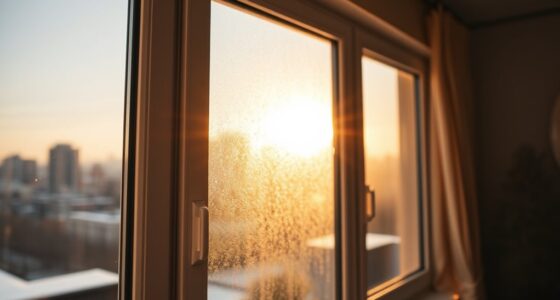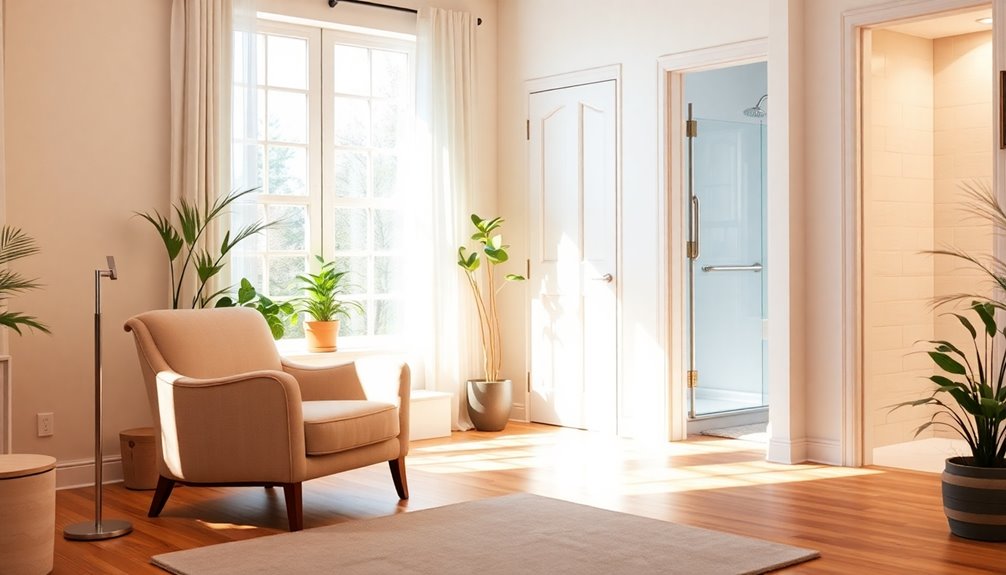

To prevent falls in senior homes, start by improving lighting with bright bulbs and nightlights. Secure flooring by removing hazards and using non-slip mats. Enhance bathroom safety with grab bars and non-slip surfaces. Install handrails on both sides of stairs, and arrange furniture to create clear pathways. Additionally, consider using assistive devices for stability and make kitchen modifications for ease of access. For more tips on safeguarding your home, keep exploring the essential modifications.
Key Takeaways
- Improve lighting throughout the home with bright, energy-efficient bulbs and motion-sensor lights to enhance visibility and reduce hazards.
- Secure flooring by removing tripping hazards, using non-slip mats, and ensuring surfaces are dry to prevent slips and falls.
- Install grab bars in bathrooms and consider non-slip mats to provide support and reduce slip risks during bathing.
- Add handrails on both sides of stairways for continuous support and ensure a clear path free from low furniture and obstacles.
- Conduct regular home safety assessments to identify and address fall risks, adapting modifications as needed for ongoing safety.
Improve Lighting Throughout the Home
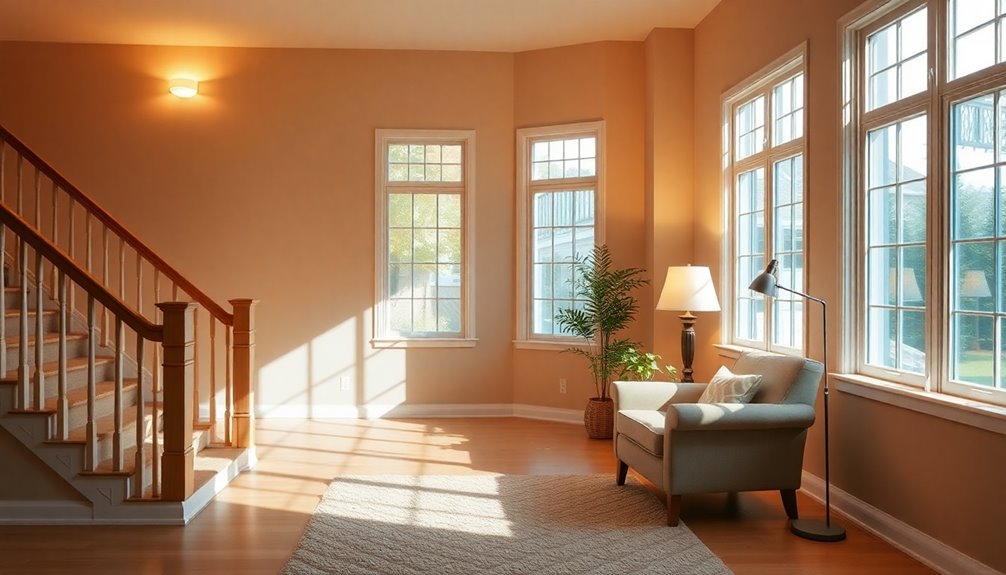
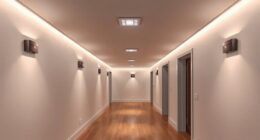
To prevent falls in senior homes, improving lighting throughout the house is essential. Start by installing bright, energy-efficient, non-glare light bulbs in all rooms and hallways. This enhances visibility and helps illuminate potential hazards.
Consider adding nightlights in bedrooms, bathrooms, and along walkways to prevent disorientation during nighttime trips. Motion-sensor lights in key areas, like stairways and entryways, provide automatic illumination, ensuring safety for seniors who might forget to turn on lights.
Don't overlook outdoor pathways; adequate lighting here reduces the risk of tripping over unseen obstacles.
Secure Flooring and Remove Hazards
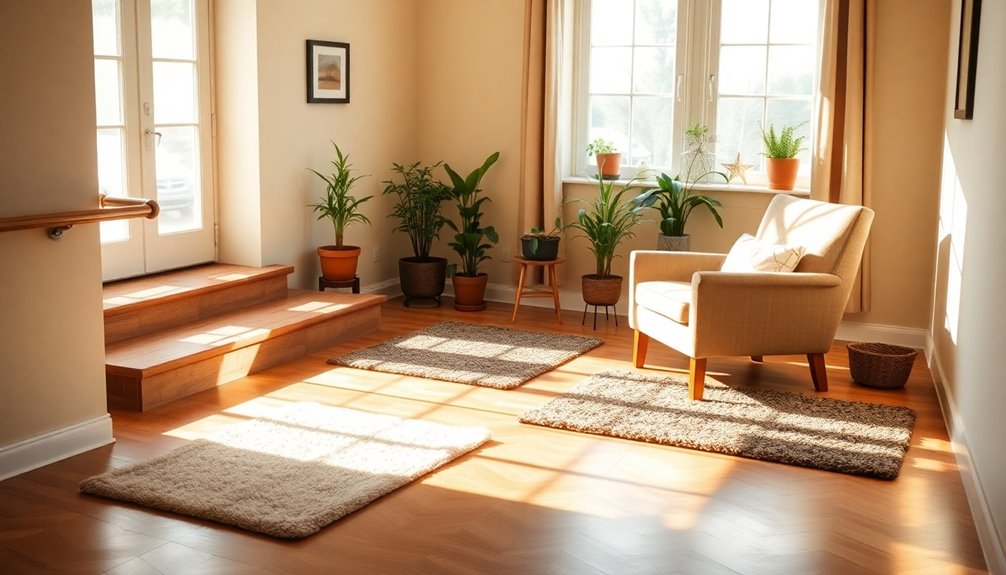
While improved lighting significantly enhances safety, securing flooring and removing hazards is equally important in preventing falls in senior homes.
Start by addressing tripping hazards; use non-slip mats or remove loose rugs entirely, as they're common causes of falls. Promptly repair uneven flooring and loose floorboards, ensuring smooth changes between rooms.
Keep all surfaces dry, especially in kitchens and bathrooms, to avoid slips on wet floors. Declutter pathways by eliminating boxes, newspapers, and cords that could obstruct movement.
Finally, consider replacing waxed floors with more slip-resistant options to further secure flooring and reduce fall risks. These home modifications create a safer environment, allowing seniors to move freely and confidently throughout their homes.
Enhance Bathroom Safety Features
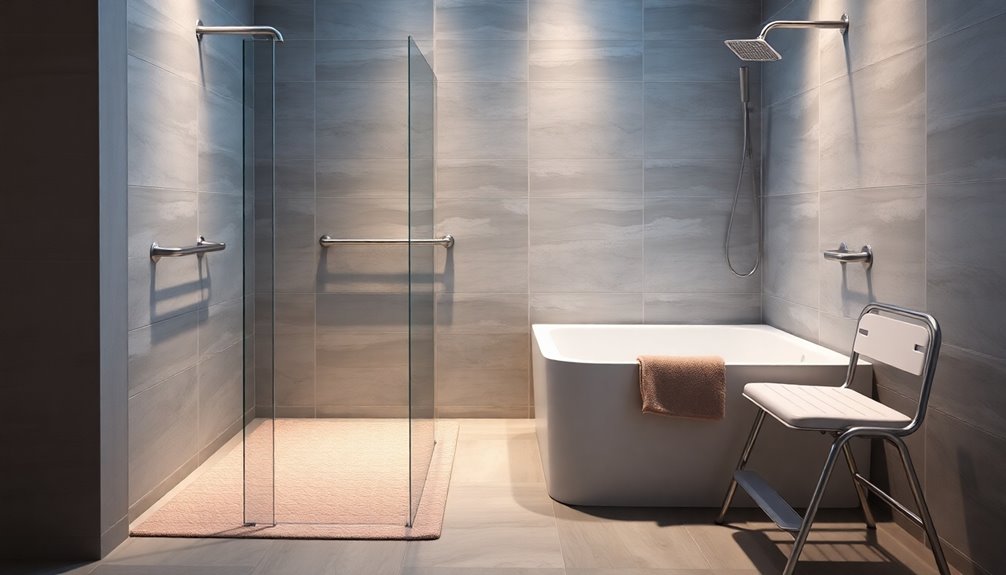
Enhancing bathroom safety features is essential for preventing falls among seniors, especially since this space can pose significant risks.
Start by installing grab bars in the shower, bathtub, and near the toilet; these provide stable support when moving in and out. Use non-slip mats in the shower and on bathroom floors to prevent slips on wet surfaces.
Consider a raised toilet seat to make sitting and standing easier for those with mobility issues. Opt for a walk-in shower to eliminate the need to step over high edges, reducing fall hazards. Additionally, selecting a best dual flush toilet can enhance water efficiency while ensuring reliable flushing, which is crucial for maintaining hygiene and comfort.
Finally, guarantee adequate lighting, possibly with motion sensors, to improve visibility during nighttime visits, making the bathroom a safer environment for seniors.
Install Handrails on Stairs

Installing handrails on stairs is essential for guaranteeing safety in senior homes, as they provide important support in a high-risk area. Falls are a leading cause of injury among older adults, and installing sturdy bars on both sides of stairways can greatly reduce the risk.
Handrails should extend the full length of the stairs, offering continuous support from top to bottom. Verify the height of the handrails is between 34 and 38 inches for ideal grip. Non-slip surfaces enhance safety, especially in wet conditions.
Remember to regularly check for looseness or damage; maintaining handrails is imperative for preventing falls and creating a safer living environment. Taking these steps can considerably enhance safety and well-being in your home.
Optimize Furniture Arrangement for Clear Pathways
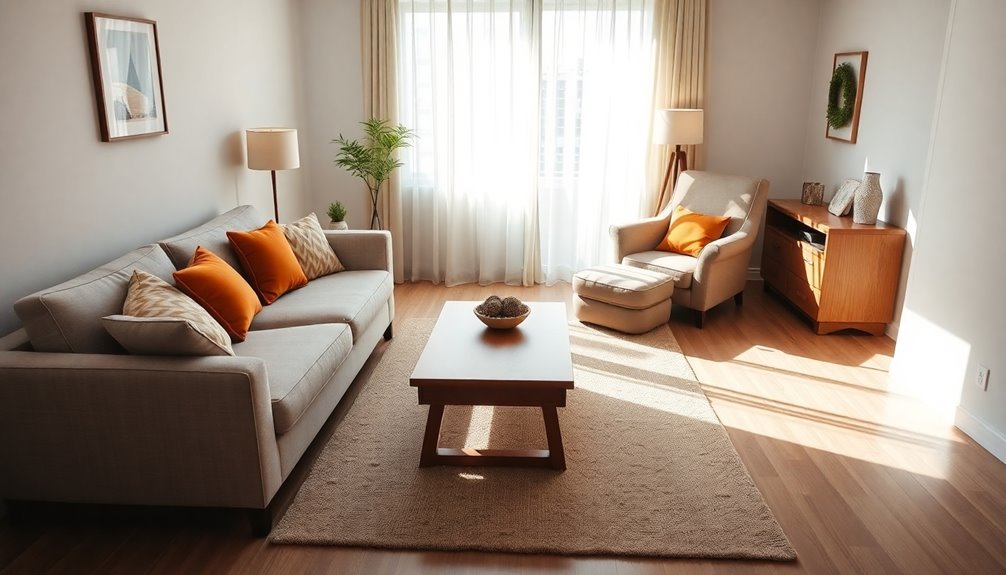
How can you create a safer living space for seniors? Optimizing furniture arrangement is essential for ensuring clear paths that minimize the risk of falls.
Here are three key steps to take into account:
- Maintain at least 36 inches of clear space for pathways, allowing easy navigation.
- Avoid low furniture or decorative items in walkways that can be easily overlooked.
- Secure cords and cables against walls or use cord covers to eliminate tripping hazards.
Use Assistive Devices for Stability
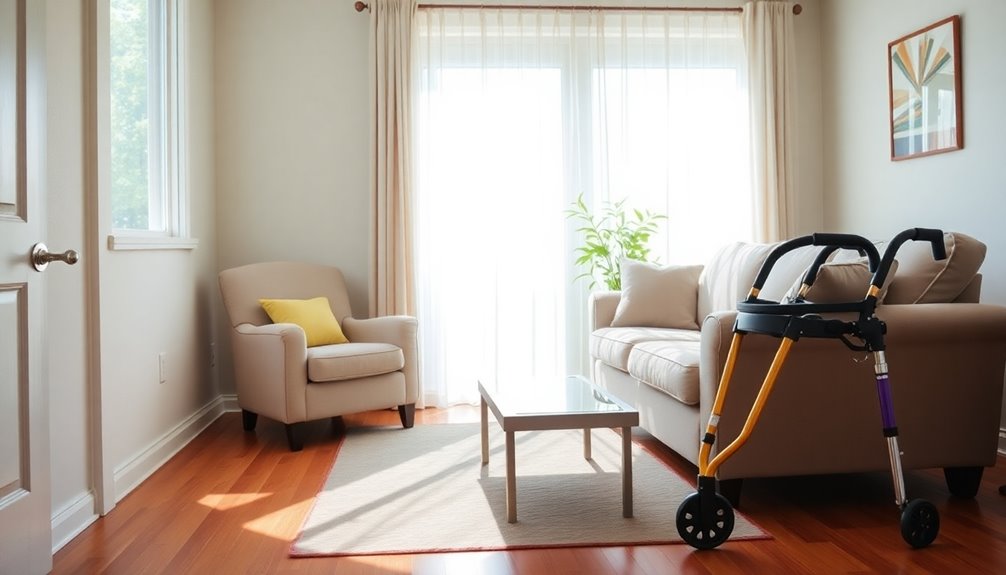
Using assistive devices like walkers and canes can greatly enhance your stability and confidence as you move around.
It's important to understand the different types available and how to use them properly to maximize their effectiveness.
With the right tools and techniques, you can markedly reduce your risk of falls at home.
Types of Assistive Devices
When it comes to enhancing stability for seniors, assistive devices play an essential role in preventing falls. By incorporating these tools into your home, you can greatly reduce the risk of accidents:
- Grab Bars: Installing grab bars in bathrooms provides vital support during toileting or showering.
- Raised Toilet Seats: These increase accessibility, making it easier and safer to use the toilet.
- Motion-Sensor Lights: Placing these lights in hallways and bathrooms illuminates spaces automatically, helping to prevent trips during nighttime trips.
Using these assistive devices as part of your fall prevention strategies helps boost confidence and mobility, ensuring a safer living environment for seniors. Additionally, regular assessments by healthcare providers can further tailor these solutions to meet individual needs.
Proper Usage Techniques
Properly utilizing assistive devices can greatly enhance your stability and confidence while moving around your home. These tools, like walkers or canes, provide essential support, reducing your fall risk. Install grab bars in the bathroom and stairways to assist with alterations, and use reachers to avoid straining your body. Complement these devices with motion-sensor lights to illuminate pathways in your home environment, especially during nighttime. Regularly assess your needs with a healthcare provider to guarantee you're using the right assistive devices. By combining these strategies, you can remarkably prevent accidents and maintain your independence.
| Assistive Device | Purpose |
|---|---|
| Walker | Provides extra support while walking |
| Grab Bars | Offers stability in bathrooms and stairs |
| Reacher/Grabber Tool | Allows safe retrieval of items |
| Motion-Sensor Lights | Enhances visibility in low-light conditions |
| Cane | Improves balance and stability |
Make Kitchen Modifications for Accessibility
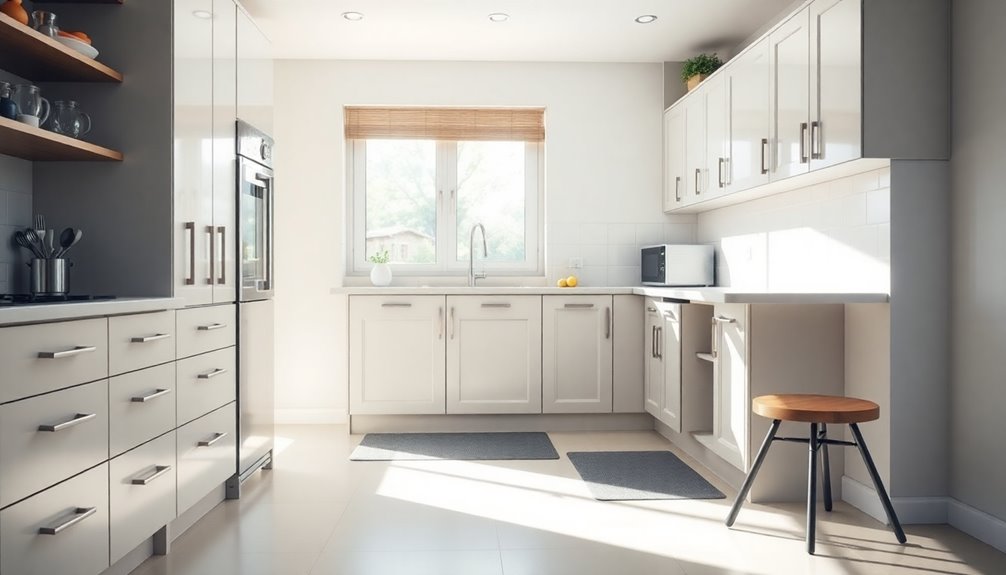
To make your kitchen safer and more accessible, start by organizing your tools efficiently so you can easily reach what you need.
Incorporating non-slip mats will help keep you steady while cooking or cleaning, reducing the risk of slips.
Additionally, installing easy-access storage options can minimize bending and stretching, making your kitchen a safer space.
Organize Kitchen Tools Efficiently
Creating an accessible kitchen is essential for seniors, as it can greatly reduce the risk of falls. By organizing your kitchen tools efficiently, you can minimize the chances of injury among older adults and create a safer living environment.
Here are three key modifications:
- Store frequently used items like pots and utensils at waist to shoulder height to avoid bending or reaching.
- Use pull-out shelves or lazy Susans to enhance accessibility, ensuring you can easily find personal items without losing balance.
- Keep countertops clutter-free and label storage areas, helping you quickly locate tools and maintain a high quality of life.
In addition, maintaining a clean and safe environment can further reduce fall risks and make daily tasks easier for seniors. These simple changes can make a significant difference in your daily routine and overall safety.
Use Non-Slip Mats
An accessible kitchen not only relies on efficient organization but also on safety measures like non-slip mats.
These mats provide a stable surface, helping to prevent falls during meal preparation, especially when spills occur. Opt for non-slip mats with rubber backing to guarantee they stay in place, reducing the risk of accidental movement.
It's wise to position them near the sink and stove, where water and food spills are common. Regularly check your mats for wear and tear, as damaged ones can become slipping hazards.
Selecting mats that are easy to clean promotes hygiene, making your kitchen safe and comfortable for older people. Additionally, maintaining optimal air quality in the kitchen can further enhance safety by reducing allergens and improving overall health for seniors.
Prioritizing these home care modifications enhances safety, considering changes in vision and hearing that often accompany aging.
Install Easy-Access Storage
Installing easy-access storage in your kitchen can greatly enhance safety for seniors. By making these modifications, you can help prevent fall risk and create more accessible living spaces.
- Lower shelves for frequently used items like pots and pans, so you won't need to reach high or bend down.
- Pull-out shelves and lazy Susans in cabinets make it easier to grab items without stretching or twisting.
- Waist-height storage for heavy items like mixing bowls and canned goods minimizes injury risk when lifting or dropping.
Additionally, clearly label storage areas to enhance visibility and allow quick access.
Encourage seated meal prep with a sturdy chair or stool to further reduce the risk of falls while cooking. Implementing these changes can also support safe sleep practices for seniors who may need to rest more frequently during their daily activities.
Conduct Regular Home Safety Assessments

Since over half of all falls happen at home, especially among seniors aged 65 and older, conducting regular home safety assessments is essential.
These assessments help identify fall risks and allow you to make necessary modifications to enhance safety in senior living environments. Engaging occupational therapists can provide specialized insights into specific balance and mobility challenges, ensuring your modifications effectively address individual needs.
It's recommended to evaluate your home at least once a year or after any major health changes. By being proactive with these assessments and adjustments, you can greatly reduce fall-related injuries and potentially save on healthcare costs associated with treating these injuries.
Prioritizing safety today can lead to a more secure tomorrow.
Frequently Asked Questions
How to Prevent Falls in the Elderly at Home?
To prevent falls at home, you should start by ensuring your living space is safe. Remove clutter, secure any loose rugs, and repair uneven flooring.
Adequate lighting is essential, so consider using nightlights. Engage in regular physical activities like walking or tai chi to improve your balance and strength.
Finally, review your medications with your healthcare provider, as some may increase fall risk. Staying proactive can make a significant difference in your safety.
What Are the 5 P's of Falls Prevention?
Visualize this: you're traversing a tightrope, balancing your safety. The 5 P's of falls prevention are your guide.
First, you need Planning—assess your surroundings for hazards.
Then, engage in Practice with exercises that boost your balance.
Personalization is key; tailor strategies to fit your needs.
Get involved through Participation in safety measures.
Finally, don't forget Perseverance—consistently maintain these practices for long-term safety.
Stay proactive, and you'll reduce your risk of falls!
What Are the Environmental Modifications to Prevent Falls in the Elderly?
To prevent falls in the elderly, you can make several environmental modifications.
Start by installing grab bars in bathrooms and near toilets for extra support.
Make certain your home has adequate lighting, including night lights in key areas.
Remove tripping hazards like loose rugs and clutter.
Non-slip mats in bathrooms and kitchens can help, and adding handrails on stairways will enhance safety.
These simple adjustments can make a significant difference in preventing falls.
What 5 Interventions Would Be Appropriate to Prevent Falls?
What if you could easily reduce your risk of falls?
Start by installing grab bars in bathrooms for extra support.
Next, make certain all areas are well-lit, using night lights to improve visibility.
Remove clutter and secure loose rugs to minimize tripping hazards.
Incorporate non-slip mats in wet areas like kitchens and bathrooms.
Finally, consider a professional safety assessment to identify specific risks and recommend tailored interventions that suit your needs.
Conclusion
By making these important home modifications, you can greatly reduce the risk of falls for seniors. For instance, consider the case of Mrs. Thompson, a 78-year-old who tripped on a loose rug. After securing her flooring and adding handrails, she feels much safer in her home. Taking these steps not only enhances safety but also provides peace of mind for both seniors and their families. Don't wait—start making these changes today for a safer living environment!