Dirty filters restrict airflow in your HVAC system, making it work harder to circulate air. This extra effort increases energy consumption quietly, as the system runs longer and at higher speeds to compensate. Over time, this strain causes your utility bills to rise and puts additional wear on your equipment. If you want to understand how simple maintenance can save you money and extend your system’s life, keep going.

Turn the school run and nap time into listening time
- Thousands of audiobooks, podcasts and originals
- Listen on your phone, tablet or Echo — also offline
- Cancel anytime
Key Takeaways
- Dirty filters restrict airflow, forcing the HVAC system to work harder to circulate air.
- Clogged filters increase resistance, causing the system to run longer at higher speeds.
- Reduced airflow can lead to system overheating or freezing, increasing energy consumption.
- Over time, the strain on components from dirty filters raises overall energy costs.
- Poor filter performance causes the system to operate inefficiently, silently raising energy use.
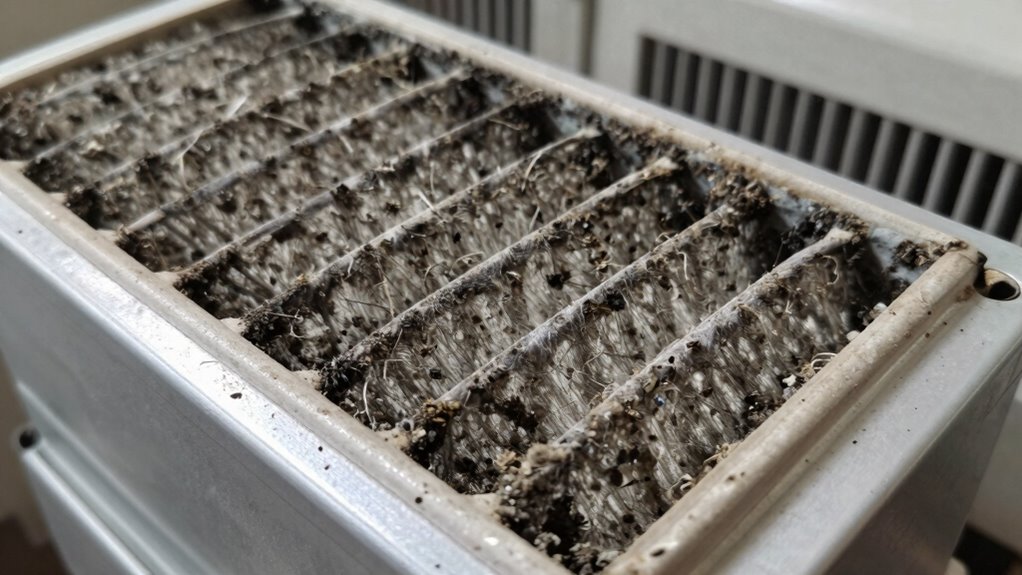
Have you ever wondered how much your dirty filters are costing you in energy? It’s a question worth asking because, often, the impact of a clogged filter goes beyond just reduced airflow. When your filters aren’t clean, your HVAC system has to work much harder to circulate air through your home. This increased effort directly affects your energy consumption, quietly raising your utility bills without you realizing it. Over time, the reduced air quality caused by a dirty filter can also contribute to health issues, especially if you or your family members suffer from allergies or respiratory problems.
A dirty filter hampers airflow, making your system strain to push air through the clogged fibers. Imagine trying to breathe through a mask that’s thick with dust—your lungs have to work harder, right? Well, that’s what’s happening inside your HVAC system. When filters are dirty, the system compensates by running longer and at higher speeds to maintain your desired temperature. This extra effort consumes more energy, often without any obvious change in your comfort level. As a result, your energy bills climb, and your system wears out faster.
Furthermore, the lifespan of your filter is directly tied to how well it performs and how often you need to replace it. A clean filter can last for several months, but once it becomes clogged, its effectiveness drops sharply. Not only does that mean poorer air quality—trapping dust, pollen, and other pollutants—but it also means your system is working overtime to compensate for the reduced airflow. When the filter reaches the end of its lifespan, it becomes less efficient and can even cause your system to overheat or freeze up, leading to costly repairs. Regularly checking and understanding filter performance can help you identify when it’s time for a replacement before issues arise. Additionally, proper system maintenance can prevent unnecessary strain and extend the life of your HVAC components.
Keeping an eye on filter quality and replacing filters promptly is essential for maintaining optimal system performance. Maintaining a clean filter is one of the simplest ways to improve your air quality and extend the lifespan of your HVAC system. Changing filters regularly ensures your system doesn’t have to work harder than necessary, saving you energy and money. Plus, fresh filters help keep indoor air healthier and more breathable, especially during allergy season or in homes with pets or smokers. Additionally, understanding energy efficiency can help you make smarter choices for your home and budget. Being aware of how clogged filters impact your system’s performance can motivate you to stay vigilant with regular maintenance. So, next time you’re tempted to delay changing that filter, remember: a clean filter isn’t just about air quality—it’s about saving energy, lowering bills, and keeping your system running smoothly for years to come.
Products Worth Considering

Blueair Blue Pure 511i Max Smart Air Purifier

LEVOIT Vital 200S-P Smart Air Purifier for Large Rooms

Coway Mighty AP-1512HH(W) Air Purifier, White
As an affiliate, we earn on qualifying purchases.
Frequently Asked Questions
How Often Should I Check My Filter for Dirt Buildup?
You should check your filter for dirt accumulation every 1 to 3 months. Regular filter maintenance helps prevent dirt buildup, which can restrict airflow and cause your system to work harder. If you notice dust or debris, change or clean the filter promptly. Properly maintained filters guarantee efficient operation, reduce energy use, and extend your system’s lifespan. Keep an eye on it regularly to maintain peak performance.
Can a Dirty Filter Cause My HVAC System to Overheat?
Yes, a dirty filter can cause your HVAC system to overheat. When airflow restriction occurs due to dirt buildup, the system works harder to circulate air, leading to increased strain. This extra effort causes components to heat up more than usual, risking overheating and potential damage. Regularly checking and replacing filters guarantees proper airflow, reduces system strain, and helps prevent overheating issues.
Do Different Filter Types Impact Energy Efficiency Differently?
Ever wondered if your filter type affects energy efficiency? Different filter materials, like fiberglass or HEPA, influence airflow resistance differently. A filter with high airflow resistance forces your HVAC system to work harder, increasing energy use. So, choosing a filter with ideal airflow resistance and suitable material helps maintain efficiency. Don’t underestimate the impact—selecting the right filter type keeps your system running smoothly and saves you money on energy bills.
What Are Signs My Filter Needs Replacing Sooner Than Expected?
You’ll notice your filter needs replacing sooner if your indoor air quality worsens or you see visible dirt and debris buildup. When filter materials become clogged or dirty, airflow decreases, making your system work harder and increasing energy use. Check for reduced airflow from vents or unusual system noises. Regularly inspecting filters helps maintain good air quality and prevents your system from overexerting, saving energy and prolonging filter life.
How Does Outdoor Environmental Pollution Affect Filter Lifespan?
Think of outdoor pollution as an uninvited guest that overstays its welcome—airborne pollutants accelerate filter degradation, shortening its lifespan. When pollution levels are high, your filter has to work harder to trap contaminants, which wears it out faster. This constant barrage of pollutants can turn your filter into a clogged obstacle, reducing efficiency and increasing energy use. Regularly replacing filters during pollution spikes keeps your system running smoothly.
Conclusion
Remember, a dirty filter isn’t just a minor inconvenience—it’s the silent thief draining your energy and boosting your bills. Think of it as a hidden villain lurking in your home, quietly sabotaging efficiency. Regularly changing or cleaning your filters keeps your system running smoothly, saving you money and energy. Don’t let clogged filters turn your comfort into a costly illusion; stay vigilant, stay efficient, and let your home breathe easy.