TL;DR

Turn the school run and nap time into listening time
- Thousands of audiobooks, podcasts and originals
- Listen on your phone, tablet or Echo — also offline
- Cancel anytime
Ergonomic backpacks for students are designed to evenly distribute weight, reduce strain, and support healthy posture. Recent innovations make them smarter, lighter, and more durable—helping students carry their loads safely. Picking the right one involves checking fit, support, and features to prevent discomfort or injury.
Imagine lugging around a backpack stuffed with textbooks, laptops, and supplies. Now, picture how that heavy load pulls on your shoulders, neck, and back. It’s no wonder many students complain of back pain or neck tension by midterm.
Choosing an ergonomic backpack isn’t just about style; it’s about protecting your body from strain and promoting good posture. In this article, you’ll learn what makes a backpack ergonomic, recent innovations, and how to pick the best one for your needs—so you can carry your school day comfortably and safely.
Choose backpacks with adjustable, padded straps and contoured back panels for the best support.
Keep backpack weight under 10-15% of your child’s body weight to prevent back strain.
Look for recent innovations like USB charging ports and eco-friendly materials for smarter, safer options.
Proper packing habits and correct carrying position are just as important as the bag itself.
Durability features like reinforced seams and high-quality zippers extend the life of the backpack.
What makes an ergonomic backpack truly support your body?
An ergonomic backpack is crafted to fit your body while evenly spreading weight. Think contoured back panels that hug your spine, adjustable straps that let you customize the fit, and padded shoulder straps that soften pressure points. For example, a student in California switched to a backpack with a curved back panel and adjustable chest strap. She reported a noticeable decrease in shoulder soreness after just a week.
Look for these key features:
- Proper weight distribution to prevent uneven strain
- Adjustable straps that fit different heights and body types
- Padded shoulder straps for comfort during long days
- Contoured back panels aligning with the spine’s natural curve
These features matter because they directly influence how your body handles the load. Proper weight distribution reduces the risk of muscle fatigue and long-term musculoskeletal problems. Adjustable straps ensure the backpack fits snugly, preventing unnecessary movement that can cause strain. Padded straps and contoured back panels improve comfort and support, encouraging better posture and reducing the likelihood of developing chronic pain over time. In essence, these features work together to promote healthy biomechanics, which can mean the difference between a pain-free school day and ongoing discomfort.
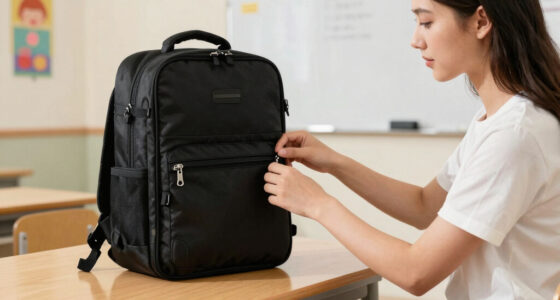
ergonomic student backpack with adjustable straps
As an affiliate, we earn on qualifying purchases.
As an affiliate, we earn on qualifying purchases.
How to pick the perfect size and fit for your student
Choosing the right size is like finding a tailored suit—if it’s too big or too small, support drops and discomfort rises. Measure your child’s torso length from the base of the neck to the top of the hips. The backpack should sit high on the back, with the bottom resting in the curve of the lower back, not hanging below the waist.
A 12-year-old I know found that a backpack with adjustable straps and a frame that fit her torso reduced her back pain significantly. She could carry her books without feeling like she was hunched over or straining her shoulders.
Remember:
- Backpack height should align with the back’s natural curve
- Straps should be snug but not tight
- The pack should not sway when walking
Choosing the correct size and fit is crucial because a poorly fitted backpack can cause uneven weight distribution, leading to muscle strain and postural issues. A backpack that is too small may require the child to lean forward or hunch over, placing additional stress on the spine. Conversely, a bag that’s too large can shift during movement, forcing the child to compensate with awkward postures. Ensuring the backpack sits properly and fits snugly helps maintain proper spinal alignment, reduces fatigue, and encourages healthy carrying habits that can prevent long-term musculoskeletal problems.
Top 5 features that make a backpack ergonomic and kid-friendly
| Feature | Why It Matters |
|---|---|
| Adjustable straps | Customizes fit for different students and growth stages |
| Padded shoulder straps | Reduces pressure and discomfort during long carries |
| Contoured back panel | Aligns with the spine, supporting proper posture |
| Lightweight materials | Minimizes added weight, preventing overload |
| Reflective elements | Enhances safety during early mornings or late evenings |
For instance, a backpack with a lightweight frame and reflective accents can make a big difference on busy mornings or evening walks. The goal: support, safety, and comfort—without adding bulk or weight.
What are the latest innovations making backpacks smarter and safer?
Recent developments push ergonomic backpacks into the future. Some now include built-in USB ports for charging devices—perfect for students glued to their phones or tablets. Others feature RFID-blocking pockets to protect personal info, or anti-theft zippers to secure valuables.
Eco-friendly fabrics, made from recycled plastics, are gaining popularity. These materials not only help the planet but often add durability and breathability—keeping students cool and comfortable even on hot days.
Another trend: customizable fit systems. Brands now offer modular frames or adjustable lumbar supports, catering to different body shapes and sizes. Imagine a backpack that adapts as your child grows, providing support for years to come.
These innovations matter because they address evolving needs and safety concerns, making backpacks not just more functional but also more adaptable to individual users. For example, built-in charging ports reduce the need for separate power banks, minimizing clutter and encouraging responsible device use. RFID-blocking features protect sensitive information, which is increasingly important in a digital age. Overall, these advancements enhance convenience, security, and sustainability, aligning with modern lifestyles and health priorities.
How to choose a backpack that lasts through the school year?
Durability depends on both material quality and design. Look for sturdy zippers, reinforced seams, and tear-resistant fabrics like ripstop nylon. For example, a student I know used a backpack made of recycled PET bottles that withstood a year of daily use, even surviving a fall in the mud.
Investing in a bag with a warranty or repair option can save money long-term. When shopping, check reviews for feedback on how well the backpack holds up over time.
And don’t forget:
- Choose a bag with a water-resistant exterior
- Opt for reinforced stress points
- Pick one with quality hardware and zippers
Durability is essential because a well-made backpack not only saves money by lasting longer but also ensures safety. A bag that wears out or tears can compromise support, risking uneven weight distribution and potential injury. Selecting high-quality materials and construction means your child’s pack can withstand daily wear and tear, reducing the need for frequent replacements and providing consistent support throughout the school year.
How to encourage your child to carry their backpack properly?
Teaching proper carrying habits makes a huge difference. Encourage your child to use both straps—never slung over one shoulder—and to keep the backpack high on the back. Also, remind them to pack only what’s necessary, keeping the weight under 10-15% of their body weight.
A middle schooler I know learned to pack her books in a way that balanced the load, which cut her complaints about back pain by 50%. Simple habits like adjusting straps and organizing supplies can prevent future problems.
Tip: Regularly check the fit and weight, especially during exam season when loads tend to spike.
Proper carrying techniques are vital because they directly influence musculoskeletal health. Carrying a backpack on one shoulder or allowing it to hang low shifts weight unevenly, which can cause muscle imbalances and strain over time. Teaching children to pack light, adjust straps correctly, and wear both straps evenly encourages habits that support spinal health and prevent long-term issues. Reinforcing these habits regularly makes them second nature, reducing the risk of developing chronic back or neck pain later in life.
Frequently Asked Questions
How do I know if a backpack fits my child properly?
Check that the backpack sits high on the back, with the bottom reaching the lower back or waist. The straps should be snug but comfortable, and your child should be able to walk without the bag swaying or feeling heavy on one side.
Are ergonomic backpacks worth the extra cost?
Absolutely. They reduce the risk of back pain, promote better posture, and often last longer. Think of it as an investment in your child’s health and comfort over many school years.
Can a poorly fitted backpack cause long-term problems?
Yes. Carrying an ill-fitting or overloaded backpack regularly can lead to musculoskeletal issues like chronic back or neck pain. Proper support and weight management are key to avoiding these problems.
What’s the best way to teach my child to carry their backpack properly?
Encourage using both straps, packing only essentials, and adjusting straps for a snug fit. Regular reminders and modelled behavior help instill good habits that last through school years.
Are lightweight materials always better for backpacks?
Not necessarily. Lightweight materials reduce overall weight but must also be durable. Look for a balance of lightness and strength—materials like ripstop nylon are a good choice.
Conclusion
Investing in an ergonomic backpack isn’t just about comfort; it’s about safeguarding your child’s health. The right bag supports their growing body, keeps them organized, and even boosts confidence. A good backpack works as a silent partner—making every school day easier.
Remember: a well-chosen backpack isn’t just a purchase. It’s a step toward healthier, happier students. So, next time you shop, pick support over style, and watch your child carry their day with ease.
Fall Picks
fall essentials
As an affiliate, we earn on qualifying purchases.