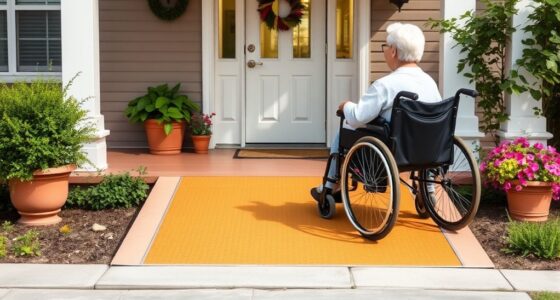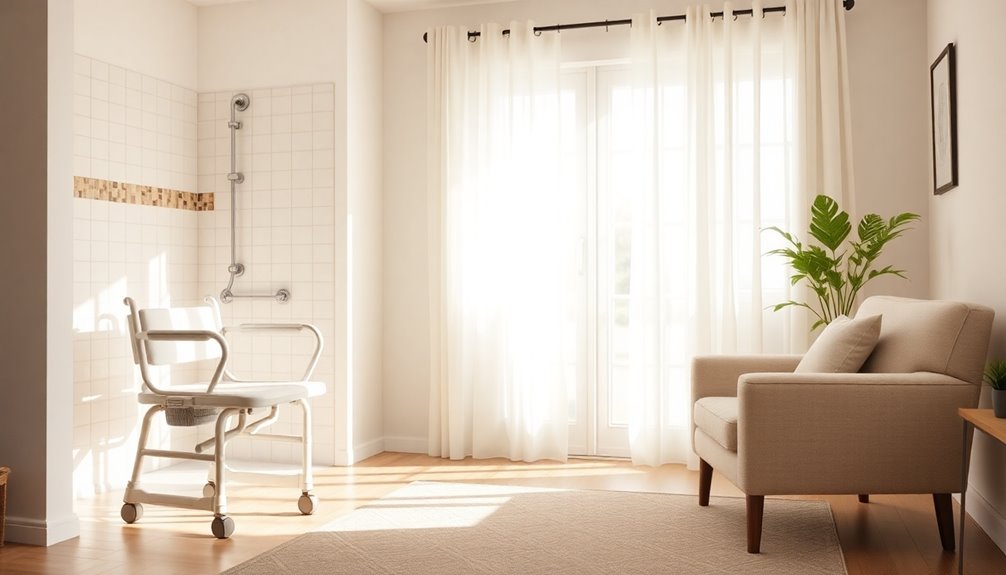

To enhance accessibility for those in your care, start by installing grab bars and handrails for safety. Create clear and organized spaces to reduce clutter. Use non-slip flooring and mats to prevent falls, and consider adding ramps and vertical platform lifts for easier mobility. Portable transfer equipment can simplify caregiving tasks, while adequate lighting improves visibility throughout the home. Designate safe bathing areas and regularly assess the environment for updates. There's more to explore on these enhancements!
Key Takeaways
- Install grab bars and handrails in bathrooms and stairways to enhance safety and prevent falls for individuals with limited mobility.
- Create organized spaces with labeled storage and color-coded systems to facilitate easy item location and reduce clutter-related accidents.
- Incorporate ramps and vertical platform lifts to provide wheelchair access and improve mobility between different levels of the home.
- Utilize portable transfer equipment, like Hoyer lifts, to ensure safe transfers and reduce physical strain on caregivers while promoting user independence.
- Ensure adequate lighting throughout the home with bright LED bulbs and motion-sensor lights to enhance visibility and prevent accidents.

Momcozy Universal Stroller Organizer with Insulated Cup Holder
- Structured Organizer with Multiple Pockets: Internal multi-functional partition design
- Insulated Cup Holders: Includes 2 insulated cup holders
- Large Capacity Storage: Fits essentials like phone, wallet, and more
As an affiliate, we earn on qualifying purchases.
Install Grab Bars and Handrails

Installing grab bars and handrails can greatly enhance safety for caregivers and individuals with limited mobility.
Focus on installing grab bars in vital areas like near toilets and in showers, as these spots are where support is most needed. For stairways and ramps, handrails are essential, providing stability and considerably reducing the risk of accidents.
When installing grab bars, choose those that can support at least 250 pounds to make certain they're sturdy enough for assistance. Position them 33 to 36 inches above the floor for easy reach and comfort.
Don't forget to regularly inspect both grab bars and handrails for any signs of wear or looseness, making sure they remain effective and safe for daily use.
Create Clear and Organized Spaces
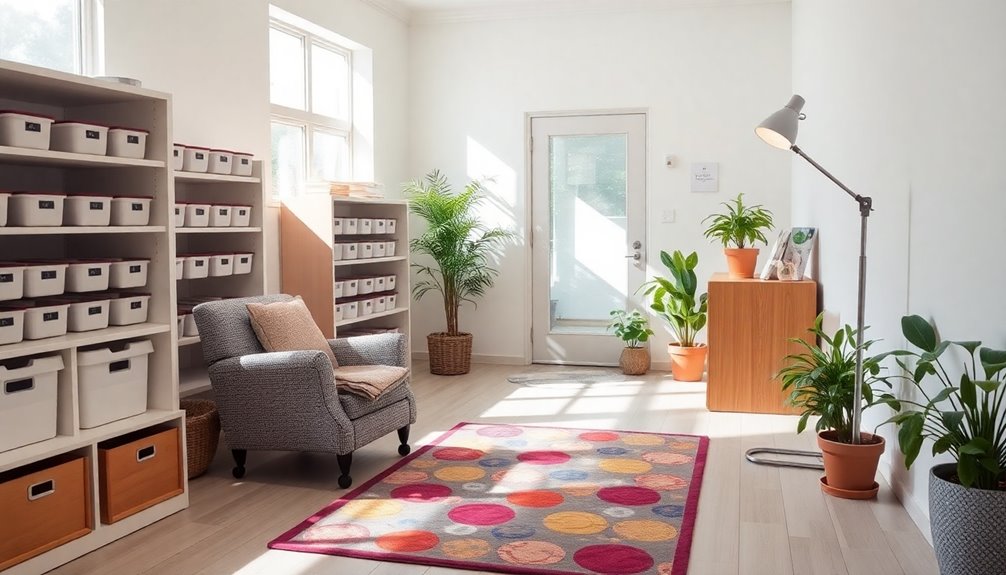
Creating clear and organized spaces not only enhances safety but also empowers individuals with disabilities to navigate their environment with confidence.
By decluttering areas and guaranteeing clear pathways, you considerably reduce the risk of falls and accidents, which is vital for those with limited mobility.
To further improve the quality of life, consider using color-coded systems and labeled storage, making it easier for individuals to locate items independently.
Implementing adjustable shelving and accessible storage guarantees essential items are always within reach.
Regularly evaluating and modifying the organization of these spaces based on the individual's evolving needs promotes comfort and fosters a supportive home environment, ultimately enhancing both independence and safety. Additionally, utilizing vertical storage solutions can further maximize space and organization in the home.
Implement Accessible Bathroom Features

To guarantee a safe and comfortable bathing experience, you should consider installing grab bars and using non-slip mats in the bathroom.
Walk-in showers can also make a significant difference by eliminating barriers that could lead to falls.
These simple changes can greatly enhance accessibility for both you and the individual you care for.
Install Grab Bars
One of the most effective ways to enhance bathroom safety for individuals with limited mobility is by installing grab bars. These essential supports, when placed near toilets and in showers, greatly reduce the risk of falls. Confirm grab bars are securely anchored to wall studs and installed at appropriate heights. This promotes independence, allowing users to perform daily activities confidently.
| Location | Recommended Height | Additional Tips |
|---|---|---|
| Shower | 33-36 inches | Use non-slip materials |
| Toilet | 33-36 inches | Inspect regularly for wear |
| Bathtub | 18-24 inches | Confirm stability |
| Hallway | 30-36 inches | Install multiple bars |
| Entryway | 30-36 inches | Consider user's height |
Regular inspections confirm ongoing safety for users.
Use Non-Slip Mats
When enhancing bathroom safety, using non-slip mats is essential, especially for individuals with limited mobility.
Placing non-slip mats in and around showers and bathtubs considerably reduces the risk of falls, which are common hazards in these areas. These mats provide extra grip and stability, making it easier for you to assist individuals safely during bathing and showering activities.
Choose mats made from water-resistant materials with drainage holes to prevent water accumulation and mold growth, ensuring a hygienic environment.
Regularly inspect and replace worn or damaged non-slip mats to maintain their effectiveness.
Consider Walk-In Showers
Considering the needs of individuals with limited mobility, walk-in showers can transform the bathing experience into a safer and more accessible activity.
These showers feature barrier-free entries, eliminating the risk of trips and falls. Installing grab bars in a walk-in shower greatly enhances safety, making it easier for both users and caregivers.
You can also include adjustable shower heads, allowing you to assist comfortably while staying dry. For added convenience, roll-in showers with built-in benches offer users a dignified space to sit while bathing.
Remember to add non-slip mats or textured flooring to further prevent slips and guarantee a safer environment. Additionally, incorporating smart bathroom technologies can enhance the overall safety and convenience of the bathing experience for both users and caregivers.
Use Non-Slip Flooring and Mats

To enhance safety in your home, using non-slip flooring and mats is essential, especially for seniors and individuals with disabilities. Non-slip flooring greatly reduces fall risks, and adding mats in high-risk areas guarantees extra traction.
Consider these options:
- Use vinyl or rubber materials for their slip resistance.
- Opt for treated wood that enhances accessibility.
- Install non-slip mats in bathrooms and kitchens.
- Regularly maintain surfaces to check for wear.
- Remember, this modification can save on future healthcare costs.
Add Ramps and Vertical Platform Lifts
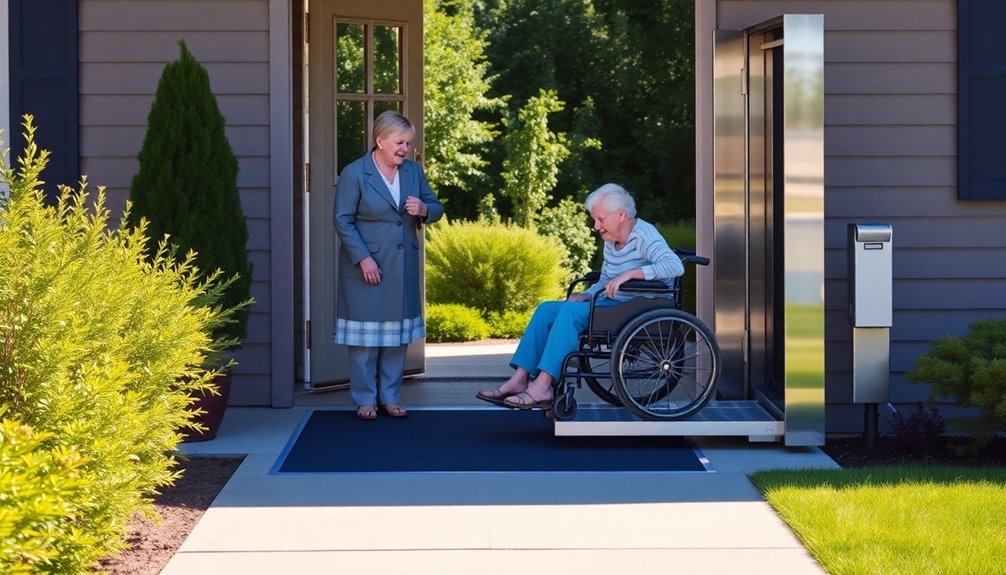
Adding ramps and vertical platform lifts can transform your home, making it notably more accessible for individuals with limited mobility.
Ramps provide a gentle slope, allowing wheelchair users to enter your home without struggle, which can considerably reduce the physical strain on you as a caregiver during transfers.
Vertical platform lifts make it easy to move individuals between different levels, enhancing accessibility in multi-story homes.
By installing these features, you promote independence and ease of movement for those you care for.
Verify your ramps comply with the Americans with Disabilities Act (ADA) standards for safety, and remember that both ramps and VPLs can be customized for your specific entryways, making them versatile solutions for home accessibility enhancements.
Incorporate Automatic Door Openers

Incorporating automatic door openers can make a significant difference in your daily routine as a caregiver.
These devices simplify access for individuals with mobility challenges, reducing physical strain on you.
With automatic door openers installed, you'll experience:
- Seamless entry and exit from your home
- Enhanced safety by minimizing fall risks
- Compatibility with wheelchairs and walkers
- Improved independence for individuals with disabilities
- Cost-effective home modifications
Utilize Portable Transfer Equipment

When it comes to assisting individuals with limited mobility, using portable transfer equipment can make a significant difference.
Devices like Hoyer lifts and transfer boards not only enhance safety but also reduce the physical strain on you as a caregiver.
It's crucial to understand the types available and the specific needs of the person you're helping to guarantee effective and safe transfers.
Types of Portable Lifts
Portable lifts, often referred to as Hoyer lifts, are essential tools for caregivers managing the challenges of transferring individuals with limited mobility.
These portable lifts come in various types to suit different needs and environments:
- Portable floor lifts: Ideal for simple and efficient transfers.
- Weight capacity: Supports users ranging from 300 to 600 pounds.
- Adjustable legs: Accommodates various spaces and enhances maneuverability.
- Battery-powered options: Offers versatility without needing a power source.
- Safety features: Reduces physical strain on caregivers, improving comfort for everyone.
Benefits of Transfer Equipment
Using transfer equipment like Hoyer lifts not only simplifies the process of moving individuals with limited mobility but also greatly enhances safety for both caregivers and patients. These portable devices allow for seamless shifts between beds, chairs, and bathrooms without the need for manual lifting. You'll find that using transfer equipment markedly reduces the physical strain on you as a caregiver, enabling longer periods of care without fatigue. Lightweight and easy to maneuver, these aids are perfect for various settings, whether at home or in temporary care situations. Additionally, by implementing transfer equipment, you promote independence and dignity for those you care for, ultimately enhancing their quality of life during daily activities. Moreover, understanding the importance of promoting independence is crucial for improving care outcomes.
Safety Considerations for Use
To guarantee safe and effective transfers, it's crucial to prioritize proper techniques and equipment maintenance.
Using portable transfer equipment in home care not only protects you but also the individual you're assisting.
Here are key considerations:
- Confirm proper training on equipment usage.
- Regularly inspect and maintain transfer devices.
- Use transfer boards and slide sheets to minimize lifting.
- Collaborate with healthcare professionals for tailored equipment choices.
- Stay aware of the patient's specific mobility needs.
Implementing these safety measures can greatly reduce the risk of injury during transfers.
Ensure Adequate Lighting Throughout the Home

Guaranteeing adequate lighting throughout the home is essential for preventing falls and enhancing safety, especially for those with mobility challenges. Over 700,000 people are hospitalized annually due to fall-related injuries, making visibility a top priority.
You can improve visibility by using bright, non-glare LED bulbs, which help you assist individuals during daily activities. Installing motion-sensor lights in hallways, bathrooms, and entryways provides illumination without fumbling for switches. Additionally, consider incorporating adjustable lighting options, like dimmer switches, to tailor brightness levels throughout the day. Regular cleaning and maintenance of air purifiers can also contribute to improved indoor air quality, enhancing overall safety for individuals with respiratory issues. Furthermore, ensuring that light fixtures are clean can help to maximize their brightness, thereby improving cleaning efficiency in the home. Finally, maintain clear pathways and guarantee light fixtures aren't obstructed, enhancing overall accessibility for both caregivers and those with disabilities.
Prioritizing adequate lighting can greatly reduce risks and improve daily life.
Designate Safe Bathing Areas

When you designate safe bathing areas, installing grab bars is essential for preventing falls and providing support. Opting for non-slip surfaces can further enhance safety, making the bathing experience more secure for both you and the individual you're assisting. Additionally, providing ongoing support can greatly improve accessibility and peace of mind during bath time. These simple yet effective changes can greatly improve accessibility and peace of mind during bath time. Additionally, understanding assisted living expenses can help caregivers plan for any necessary modifications to the home environment.
Install Grab Bars
Installing grab bars in bathing areas is an essential step in enhancing safety for individuals with limited mobility. By adding these simple yet effective installations, you can make your home more accessible and reduce the risk of falls.
Here's what you should consider:
- Place grab bars near toilets and in showers.
- Install them at a height of 33 to 36 inches for easy reach.
- Confirm they're securely anchored to the wall.
- Choose bars that can support at least 250 pounds.
- Remember, they boost independence and confidence during daily routines.
With grab bars in place, you can provide the necessary support that leads to safer bathing experiences, assuring peace of mind for both caregivers and those they assist.
Opt for Non-Slip Surfaces
Creating a safe bathing area starts with opting for non-slip surfaces. Installing non-slip mats or adhesive strips in bathing areas can greatly reduce the risk of slips and falls, especially for individuals with limited mobility. Additionally, incorporating turmeric's anti-inflammatory properties can help soothe any discomfort experienced during bathing routines. Furthermore, ensuring that the bathing area maintains proper ventilation can help mitigate moisture-related issues that could lead to slippery surfaces.
Consider zero-entry or roll-in showers with non-slip flooring; these designs provide safer access for both you and the person you're caring for. Utilizing textured tiles or vinyl flooring enhances stability and comfort during bathing routines.
Don't forget to regularly check and maintain these non-slip features, as wear and tear can diminish their effectiveness. Adding grab bars alongside non-slip surfaces can further guarantee safety during transfers in and out of the bathtub or shower, creating a more secure bathing experience overall. Additionally, ensuring proper ventilation can help reduce indoor air quality issues that may arise from moisture in bathing areas.
Regularly Assess and Adapt the Environment
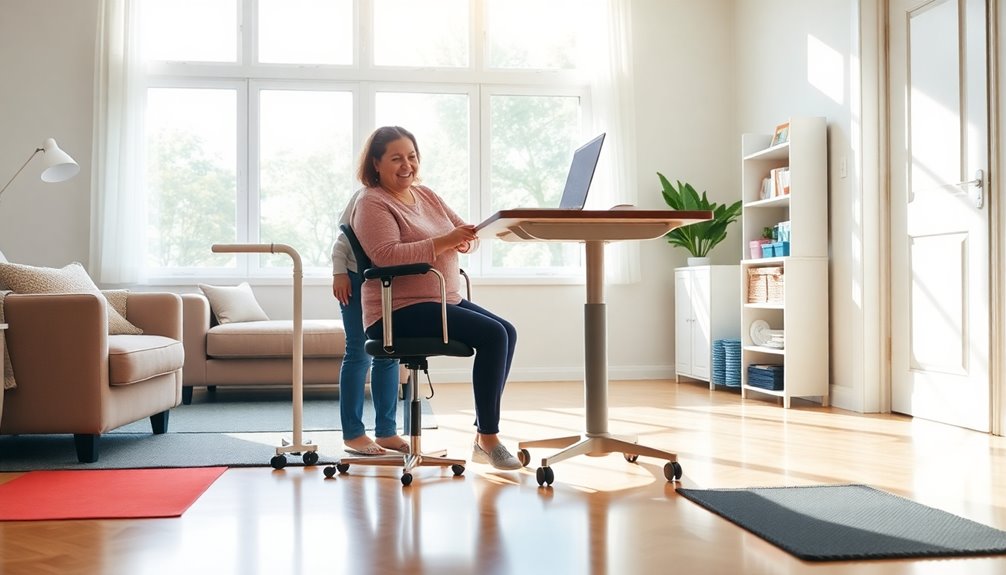
Regularly reviewing and adapting the home environment is essential for enhancing accessibility and safety for caregivers and individuals with mobility challenges. Additionally, implementing necessary cookies can help track user interactions to better understand their unique needs.
By continuously evaluating and adapting the environment, you can identify barriers and implement necessary adjustments. Consider collaborating with clinical teams to guarantee that accessibility features meet specific needs, as this can help address the unique emotional needs of autistic children.
Key modifications can include:
- Installing grab bars for stability
- Adding ramps for easier access
- Regularly maintaining mobility aids
- Reviewing transfer aids for effectiveness
- Involving family members in discussions about modifications
These steps not only improve safety but also foster a supportive atmosphere. Moreover, creating living spaces that enhance quality of life can significantly contribute to the comfort and independence of seniors.
Frequent reviews help you stay ahead of changing needs, guaranteeing that the environment remains functional and safe for everyone involved.
Frequently Asked Questions
Why Is Caregiver Support Important?
Caregiver support is essential because it helps you manage the emotional and physical demands of your role.
With millions of Americans providing unpaid care, you might face burnout without adequate resources. Accessing training, local respite programs, and community support can lighten your load, allowing you to maintain your health while caring for others.
How Can Nurses Help With Caregiver Burnout?
Nurses can greatly help you tackle caregiver burnout. They offer education on effective caregiving techniques to reduce physical strain and improve efficiency.
By connecting you to community resources like support groups, they alleviate emotional burdens. Regular assessments allow them to identify your specific needs and stressors, enabling tailored recommendations.
Plus, they advocate for policies supporting caregiver well-being, ensuring you have the necessary tools and emotional support to manage stress effectively.
How Does Caregiving Support Patients, Families, and Populations Affected by Chronic Illness?
When you think about the unsung heroes in your life, caregivers often come to mind. They considerably support patients, families, and populations facing chronic illness by managing daily tasks and ensuring medication adherence.
This boosts health outcomes and enhances quality of life. You create a nurturing environment, reducing stress for both patients and families. Your dedication fosters a sense of community, helping everyone navigate the challenges of chronic conditions together.
Conclusion
By implementing these accessibility enhancements, you're not just making a house more navigable; you're crafting a safe haven that nurtures independence and dignity. Think of your home as a bridge—each improvement paves the way for smoother passage through daily challenges. With thoughtful adjustments, you empower your loved ones to thrive, turning obstacles into stepping stones. So go ahead, make these changes, and watch as your caregiving journey transforms into a more fulfilling experience for everyone involved.