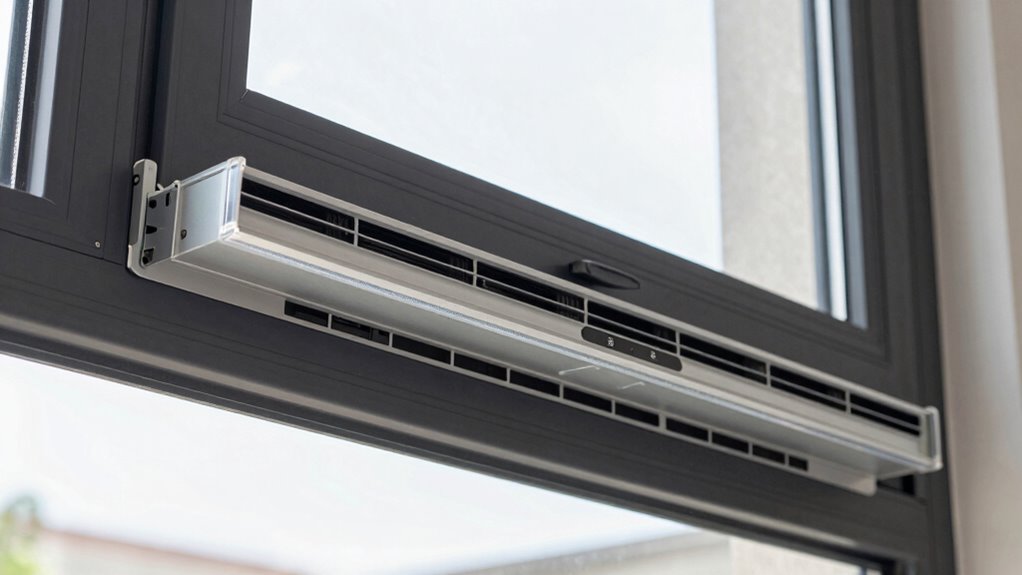

Installing a casement window AC requires different planning than standard units because you’ll need to take into account the window’s size, shape, and opening direction. These units often need precise fitting and may require modifications to your window frame or additional brackets. You also have to make sure there’s enough outside clearance and easy access for maintenance. Proper installation is key to avoiding air leaks and maximizing efficiency. Want to discover how to prepare your space better? Keep going for helpful tips.

Turn the school run and nap time into listening time
- Thousands of audiobooks, podcasts and originals
- Listen on your phone, tablet or Echo — also offline
- Cancel anytime
Key Takeaways
- Casement units require precise fitting into swing-open windows, often needing frame modifications or support brackets.
- External clearance and obstructions must be considered due to outward window operation.
- Seal quality and installation accuracy significantly impact energy efficiency and performance.
- Routine maintenance may be more challenging, requiring accessible placement and planning.
- Proper assessment of window size, shape, and mechanism is essential for effective installation.
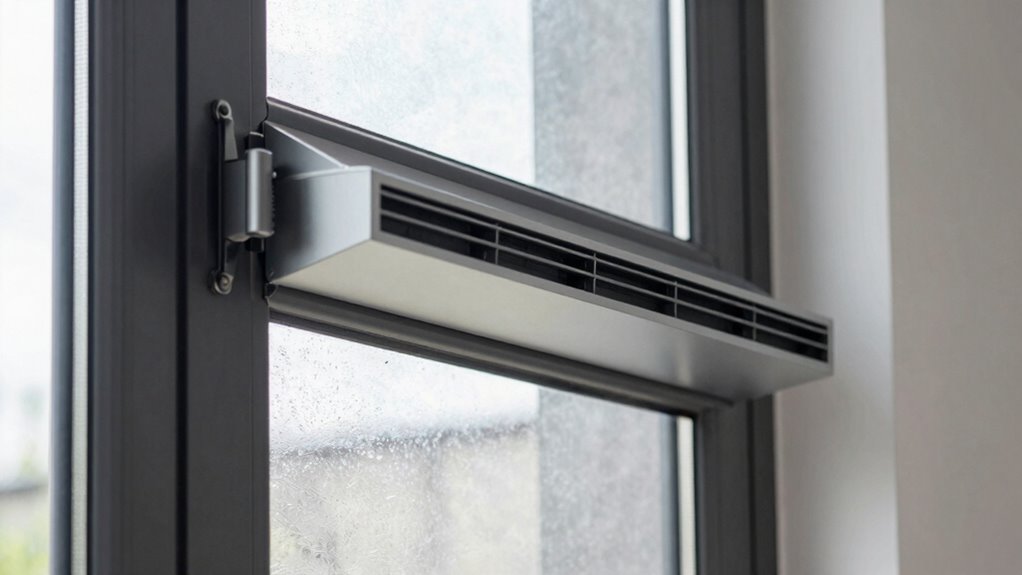
Are casement window air conditioners the right choice for your cooling needs? If you’re contemplating these units, you need to understand that they require a different kind of planning compared to standard window ACs. Unlike traditional units, casement ACs are designed to fit into windows that swing open like doors, which can notably influence both installation and performance. One key factor to evaluate is energy efficiency. Casement units often boast better seals around the window frame because they are designed to close tightly against the sash, reducing air leaks. This tight seal can help lower your energy bills by preventing cool air from escaping and warm air from seeping in. However, realizing these benefits depends heavily on proper installation, which isn’t always straightforward.
Installation challenges are one of the primary concerns with casement window ACs. These units typically require a precise fit within the window frame, which can be tricky if your window opening isn’t standard size or shape. Unlike slide-in or traditional units, casement ACs might need additional support or adjustments to ensure they sit flush and operate correctly. You might find yourself needing to modify the window frame or use extra brackets to secure the unit properly. If you’re not comfortable with DIY tasks or lack experience with window modifications, hiring a professional becomes essential. Proper installation techniques can make a significant difference in the unit’s performance and longevity. Improper installation can lead to air leaks, reduced efficiency, or even damage to your window or unit. Additionally, understanding the window opening mechanism can help you better plan for installation and maintenance. Being familiar with cultural and spiritual symbols related to harmony and balance can also inspire a more thoughtful approach to home improvements like AC installation.
Another consideration is the window’s open direction. Casement windows open outward, so you must ensure there’s enough clearance outside for the window to swing open without obstruction. If there’s a porch, balcony, or nearby tree, it might interfere with the window’s operation or the placement of the AC unit. You also need to think about accessibility for maintenance and filter changes—these units are often positioned in a way that makes routine upkeep more challenging than with standard window units. Proper planning involves assessing all these factors beforehand to avoid costly adjustments later. Recognizing the importance of proper planning can make the difference between a successful installation and ongoing issues.
In essence, choosing a casement window AC demands a bit more planning upfront. You need to evaluate your window’s size, the opening direction, and potential installation hurdles. While these units can offer improved energy efficiency and a sleek look, they’re not a one-size-fits-all solution. Proper preparation and possibly professional help will ensure your new AC functions effectively and lasts longer. If you’re willing to invest the time and effort into these details, a casement window air conditioner could be a smart, energy-efficient addition to your cooling system.
casement window air conditioner brackets
As an affiliate, we earn on qualifying purchases.
As an affiliate, we earn on qualifying purchases.
Frequently Asked Questions
Are Casement Window ACS More Energy-Efficient Than Standard Units?
You’ll find casement window ACs can be more energy-efficient than standard units because they often fit tightly and seal better, reducing air leaks. However, consider installation challenges; they may require specific brackets or positioning, which can affect overall energy savings. Properly installed casement units can cut your energy costs, but make sure you’re prepared for the unique setup process to maximize efficiency and avoid unnecessary issues.
Can Casement Window ACS Be Installed on All Window Types?
Think of installing a casement window AC like fitting a puzzle piece—it’s not a one-size-fits-all situation. You might face installation challenges because these units require specific window frame compatibility. Not all window types are suitable, especially sliding or fixed windows. Before you buy, measure carefully and check if your window can support this type of AC. Otherwise, you could end up with a misfit or a tricky installation.
What Are the Common Maintenance Issues With Casement Window ACS?
You’ll often face drainage problems with casement window ACs, leading to water leaks or moisture buildup. Regular filter maintenance is vital to keep the unit running efficiently and prevent clogging. Make sure you clean or replace filters periodically, and check drainage pathways for blockages. Addressing these common issues promptly helps extend your AC’s lifespan and maintains peak cooling performance.
Do Casement Window ACS Require Special Wiring or Electrical Setups?
Yes, casement window ACs often require special wiring due to wiring complexity, which means you might need an outlet closer to the window or extra electrical components. Ensuring electrical safety is vital, so it’s best to have a professional handle the installation. These units may need dedicated circuits to prevent overloads and to meet local electrical codes. Proper setup guarantees safe operation and peak cooling performance.
How Do Noise Levels Compare Between Casement and Standard Window ACS?
Casement window ACs generally produce less noise than standard units because their design allows better sound insulation, reducing noise transmission through the window. You’ll notice improved noise reduction, making your space quieter and more comfortable. Proper installation enhances this benefit, so guarantee a snug fit and airtight seal. Overall, casement ACs tend to be quieter, providing a more peaceful environment compared to traditional window units.
Conclusion
Think of your casement window AC as a skilled sailor steering a unique sea. Just as a sailor needs a tailored map to steer through unfamiliar waters, you need different planning to guarantee it fits perfectly and functions smoothly. Ignoring these special routes can leave you stranded or facing rough waters. So, treat your AC like a seasoned captain—prepare the right course, and it’ll guide you to cool, comfortable shores every time.
Fall Picks
fall essentials
As an affiliate, we earn on qualifying purchases.