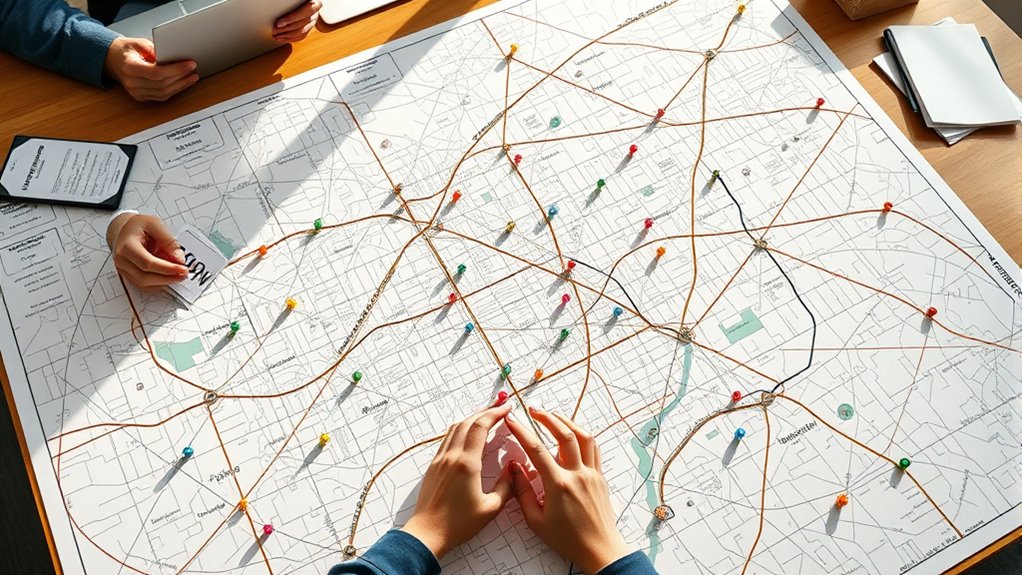

To create an effective communication tree for disasters, start by identifying key personnel and establishing clear lines of authority. Keep the structure simple, with designated primary and backup contacts for each role, including detailed contact info. Regularly review and update the plan, and practice drills to ensure swift, accurate information flow. An organized, well-understood communication tree minimizes chaos during emergencies—continuing further reveals how to build a resilient and efficient system.
Key Takeaways
- Identify key personnel and establish clear lines of authority for quick decision-making.
- Keep the structure simple, including primary and backup contacts with detailed contact info.
- Regularly review and update the communication tree to reflect staff changes and contact updates.
- Conduct drills to test the effectiveness and speed of information flow within the structure.
- Ensure the communication tree is accessible, well-understood, and integrated with emergency protocols.

When disaster strikes, quick and clear communication can make all the difference in coordinating response efforts and guaranteeing everyone’s safety. That’s why creating a well-structured communication tree is essential. A communication tree acts as your emergency protocol, outlining who communicates with whom during a crisis. This ensures crucial information flows efficiently, reducing delays and confusion. Think of it as a relay race: you want each person to pass along information swiftly and accurately. When developing your communication tree, identify key personnel and establish clear lines of authority. This way, everyone knows who to contact first and who to pass updates to. It’s imperative to keep this structure simple—complex chains can slow down communication and create gaps.
In crisis communication, speed and clarity are paramount. Your communication tree should specify designated roles, including primary contacts and backup contacts, to prevent breakdowns if someone is unavailable. You’ll need to include contact details—phone numbers, emails, and other relevant information—so that team members can reach each other without delay. Regularly review and update this information to account for staff changes or contact updates. When disaster hits, sticking to the established emergency protocols ensures consistency, reduces panic, and fosters confidence among responders and affected individuals. It’s also helpful to assign specific responsibilities to team members, such as media liaison, medical assistance, or logistical coordination. This way, everyone knows their role in crisis communication, which minimizes chaos and overlaps.
Practicing your communication tree regularly through drills can highlight potential weaknesses. During these exercises, simulate real disaster scenarios to test how quickly and accurately information flows through the chain. These drills help you spot bottlenecks, misunderstandings, or missing contacts, so you can refine the structure before a real emergency occurs. Remember, an effective communication tree isn’t static; it evolves based on lessons learned and changing circumstances. Keep it accessible—whether digitally or printed—and ensure all team members understand and are familiar with the protocol. Additionally, understanding the importance of effective communication can significantly improve response efficiency. In a crisis, confusion can cost lives, but a well-designed communication tree, aligned with your emergency protocols, guarantees that critical information reaches the right people at the right time, allowing your response to be swift, coordinated, and effective.
Frequently Asked Questions
How Often Should the Communication Tree Be Reviewed and Updated?
You should review and update your communication tree at least annually to guarantee communication frequency remains effective and update procedures reflect current team structures. After major organizational changes, incidents, or drills, it’s vital to revisit the plan promptly. Regular updates help prevent miscommunication during emergencies, keeping everyone informed and prepared. Make it a habit to schedule these reviews so your communication tree stays accurate and reliable when disaster strikes.
What Technology Tools Are Best for Maintaining the Communication Tree?
Did you know that 85% of organizations find emergency notification systems vital in crises? You should use reliable technology tools like mass notification platforms or dedicated emergency communication apps to maintain your communication tree. These tools guarantee quick dissemination of messages, streamline communication protocols, and keep everyone informed. Regularly updating and testing your tech solutions guarantees they’ll work when disaster strikes, helping you coordinate efficiently and respond effectively.
How Do You Ensure Message Clarity Across Diverse Audiences?
You guarantee message clarity by practicing audience segmentation and message tailoring. First, identify your diverse audiences and understand their specific needs and concerns. Then, craft clear, concise messages tailored to each group, avoiding jargon and using language they relate to. Test your messages with small segments, gather feedback, and adjust accordingly. This approach ensures everyone understands your key points, even across different backgrounds and levels of expertise.
What Training Is Necessary for Team Members Involved in the Tree?
You need to provide team members with disaster response training that emphasizes strong communication skills. This includes practice in delivering clear, concise messages quickly and effectively during emergencies. Conduct simulations and role-playing exercises to build confidence and guarantee everyone understands their role within the communication tree. Regular refreshers help keep skills sharp, so team members can respond efficiently in high-pressure situations, ensuring essential information reaches all audiences without confusion.
How to Handle Communication Failures Within the Tree During a Disaster?
To handle communication failures during a disaster, you should implement redundant communication channels, ensuring messages get through even if one method fails. Activate emergency protocols that specify alternative contacts and procedures. Regularly test these systems and train team members to quickly switch to backup methods. By doing so, you maintain clear, reliable communication, minimizing confusion and ensuring everyone stays informed and coordinated during crises.
Conclusion
By building a clear, cohesive communication tree, you guarantee swift, smooth sharing of vital crisis information. Remember, preparedness prevents panic, and planning promotes peace. With a well-structured communication tree, you can confidently coordinate, convey, and calm during chaos. So, set up your system, stay steady, and succeed in safeguarding lives. A proactive plan produces peace of mind, preventing problems and promoting preparedness—making your disaster response decisive and effective.