

An energy audit or home assessment helps you identify ways to boost your home’s efficiency, cut costs, and lessen your environmental effect. It shows where your energy consumption occurs and highlights opportunities for renewable energy options, like solar or wind. Insulation upgrades and sealing leaks can keep your home more comfortable and save money on bills. If you want practical tips tailored to your home’s needs, keep exploring how these assessments can make a difference.
Key Takeaways
- Energy audits identify areas of energy loss and opportunities for efficiency improvements in your home.
- Home assessments evaluate insulation, sealing, and renewable options to optimize energy use and reduce costs.
- They help prioritize upgrades like insulation, sealing, and renewable energy systems tailored to your home’s needs.
- Conducting an audit supports informed decisions on investments that enhance comfort and sustainability.
- These assessments promote cost savings, lower environmental impact, and increased home resilience against energy fluctuations.
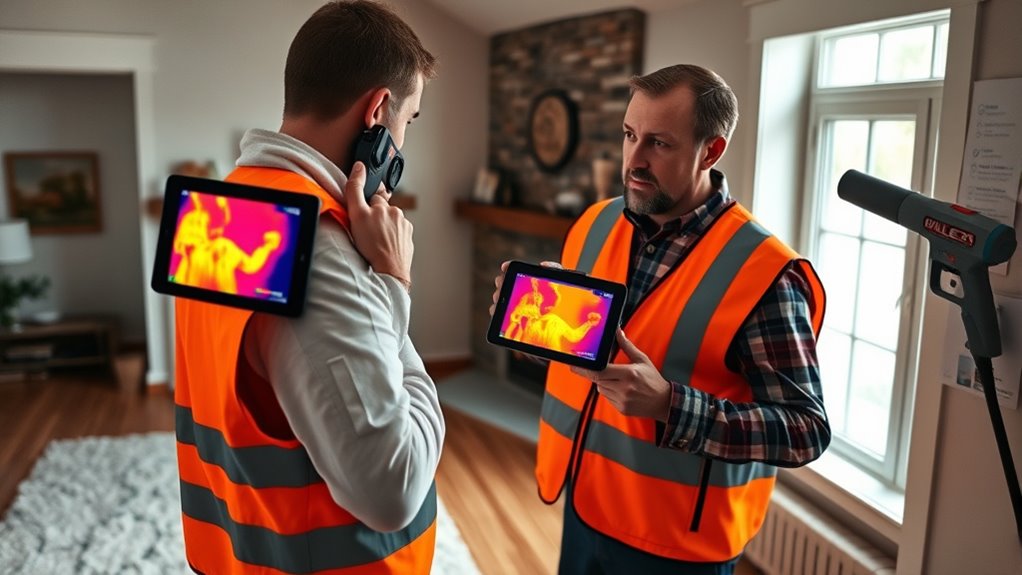
Understanding how your home uses energy is a essential step toward reducing costs and increasing efficiency. When you conduct an energy audit or home assessment, you gain insight into where your energy is going and how you can make smarter choices. One of the key aspects is exploring renewable energy options, like solar panels or wind turbines, which can noticeably cut your reliance on traditional power sources. These renewable energy solutions not only lower your utility bills but also reduce your carbon footprint, making your home more environmentally friendly. During the assessment, professionals will evaluate your current energy consumption and suggest ways to incorporate renewable energy, tailored to your home’s layout and your family’s needs.
Conducting an energy audit reveals opportunities for renewable energy and efficiency improvements tailored to your home.
Another critical element is insulation techniques, which directly impact your home’s energy efficiency. Proper insulation helps maintain a stable indoor temperature, reducing the workload on your heating and cooling systems. Inadequate or outdated insulation often leads to heat loss in winter and heat gain in summer, causing your energy bills to spike. A home assessment will identify areas where insulation can be improved, such as attic spaces, walls, floors, and ductwork. Upgrading insulation can be a cost-effective way to enhance comfort and save money over time. Plus, combining better insulation with renewable energy solutions maximizes your home’s overall efficiency.
During the assessment, you’ll learn about different insulation techniques suited to your climate and home type. You might discover that sealing leaks around windows and doors is just as important as adding insulation material. This sealing prevents drafts and air leaks that can undermine your efforts to conserve energy. In addition to traditional insulation, there are innovative options like spray foam or reflective barriers that can provide better thermal protection. The goal is to create a more airtight home, which is essential for making the most out of renewable energy installations and reducing your overall energy use.
Furthermore, understanding the importance of high-quality projectors and proper setup can significantly enhance your home environment, whether for entertainment or productivity. Ultimately, a detailed home assessment empowers you to make informed decisions about energy improvements. Whether you’re interested in harnessing renewable energy or upgrading insulation techniques, understanding your home’s specific needs allows you to prioritize investments that deliver the best results. Investing in these upgrades not only increases your home’s comfort but also pays off in lower energy bills and a smaller environmental impact. Taking this proactive step ensures that your home becomes more sustainable, cost-efficient, and resilient against energy fluctuations. So, embracing the insights from an energy audit or home assessment puts you firmly on the path toward a smarter, greener home.
Frequently Asked Questions
How Often Should I Schedule an Energy Audit for My Home?
You should schedule an energy audit every 3 to 5 years, or during your seasonal inspection and maintenance scheduling. Regular audits help identify efficiency issues and keep your home running smoothly. If you’ve made significant upgrades or notice rising energy bills, consider scheduling sooner. Staying proactive ensures you catch problems early, save money, and maintain ideal energy use. Don’t wait too long—consistent assessments keep your home energy-efficient year-round.
Are Energy Audits Suitable for All Types of Homes?
Picture a cozy cottage nestled among modern skyscrapers—each home has unique needs. Energy audits suit most homes, but your home’s suitability depends on its age, design, and retrofit potential. Older homes often benefit more from assessments to identify improvements, while newer ones may need less. You should consider an audit if you’re aiming to optimize energy efficiency, regardless of your home’s type, ensuring tailored solutions for your specific retrofit potential.
Can I Perform a Home Energy Assessment Myself?
You can perform a basic home energy assessment yourself with some DIY tips, but for a thorough evaluation, professional services are recommended. Start by inspecting your insulation, sealing leaks around windows and doors, and checking your HVAC system. Use a blower door test or infrared camera if available. While DIY tips help identify simple issues, a professional assessment provides detailed insights and solutions to optimize your home’s energy efficiency effectively.
What Is the Typical Cost of an Energy Audit?
The typical cost of an energy audit ranges from $200 to $600, depending on your home’s size and the level of service you choose. You should get a detailed cost estimate from your provider, which includes service fees and any additional charges. Keep in mind that investing in an energy audit can save you money long-term by identifying areas to improve energy efficiency and lower utility bills.
Do Energy Audits Include Recommendations for Renewable Energy Options?
Yes, energy audits often include recommendations for renewable options that boost your home’s energy efficiency. During the assessment, professionals identify ways to incorporate solar panels, wind turbines, or other renewable technologies to reduce your reliance on traditional power sources. They assess your current energy use and suggest sustainable solutions, helping you save money and lower your carbon footprint while improving overall energy efficiency in your home.
Conclusion
Now that you know the importance of energy audits and home assessments, imagine what hidden issues might be lurking in your own home. Will uncovering these problems save you money and boost comfort? The next step could reveal surprises that change everything. Don’t wait—your home’s energy efficiency might be more vital than you think. Are you ready to take that first step and discover what’s really going on behind the walls? The answers could surprise you.