
To cool your space without cranking the AC, harness shading and natural ventilation. Use curtains, blinds, or awnings to block direct sunlight and keep heat out. Open windows opposite each other early in the day or evening to create cross-breezes, and use fans to circulate air effectively. Combining these strategies can dramatically lower indoor temperatures and boost comfort, all while saving energy. Keep exploring to discover more ways to stay cool naturally.
Get ready for Prime Big Deal Days — try Prime free
Exclusive member deals on October 6–7, plus fast free delivery. Cancel anytime.
As an affiliate, we earn on qualifying purchases.
Key Takeaways
- Use external shading like awnings, curtains, or trees to block heat before it enters indoor spaces.
- Open windows during cooler evenings to create cross-breezes and expel warm indoor air naturally.
- Install ceiling or oscillating fans to circulate air and enhance perceived cooling without AC.
- Incorporate passive cooling by leveraging nighttime outdoor temperatures to cool indoor environments.
- Combine shading and ventilation strategies for an energy-efficient approach to maintaining comfortable indoor temperatures.
When the summer heat becomes overwhelming, turning on the air conditioner might seem like the only solution. But before you reach for the remote, consider how shading and ventilation can help keep your space cool naturally. These methods not only save energy and reduce your utility bills but also create a more comfortable environment without the constant hum of an AC unit.
Start by shading your windows and exterior walls. Sunlight streaming through windows can greatly raise indoor temperatures, so using curtains, blinds, or reflective window films can block or deflect that heat. Installing awnings or overhangs outside your windows adds an extra layer of protection, preventing direct sunlight from hitting glass surfaces and warming up your rooms. If you have trees nearby, plant them strategically to shade your home’s walls and windows. Deciduous trees work especially well because they shed their leaves in winter, allowing sunlight to warm your house when temperatures drop.
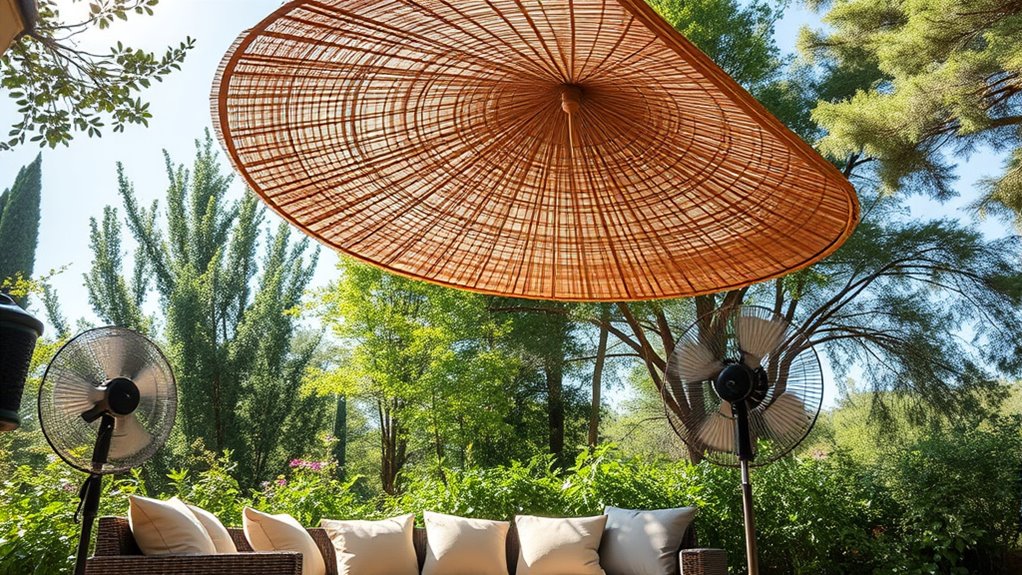
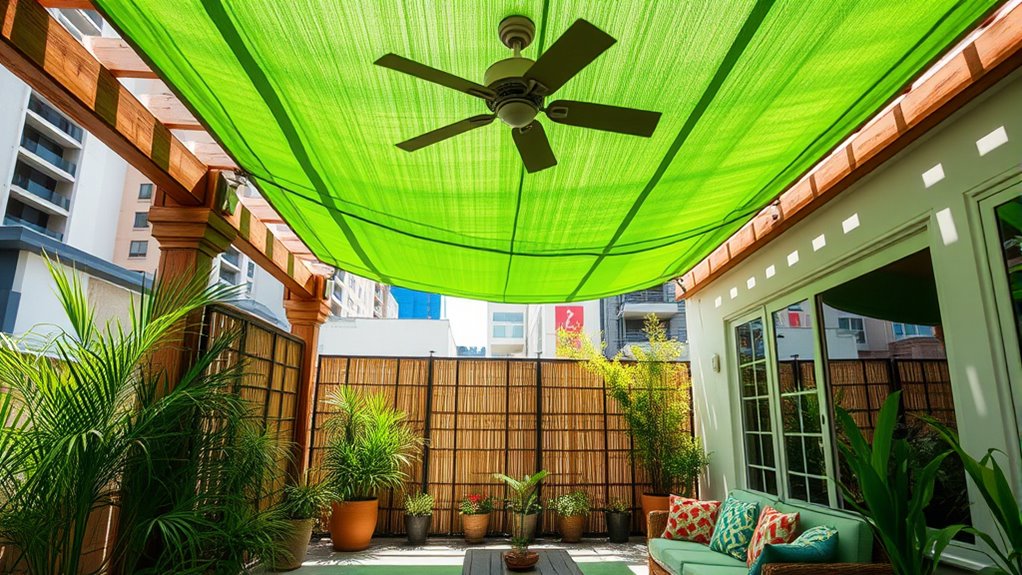
Shading windows and walls with curtains, awnings, or trees reduces indoor heat naturally.
Next, focus on improving airflow through proper ventilation. Open windows on opposite sides of your home to create a cross-breeze, which pulls cooler air in and pushes warmer air out. The best time to do this is during the cooler parts of the day, like early mornings and evenings. Use fans to enhance this effect; placing a box fan in a window facing outward helps exhaust warm indoor air, while a ceiling fan or oscillating fan can circulate cooler air effectively. If your home has high ceilings, ceiling fans can push hot air upward, keeping the living space more comfortable.
To maximize ventilation, consider creating a stack effect. Open windows at the lower levels of your house and upper-level vents or windows to let warm air escape naturally. This setup encourages passive airflow, pulling cooler outdoor air in at lower levels and venting hot air out through the top. Using this strategy during the night, when outdoor temperatures drop, can help cool your home down without any mechanical assistance. Additionally, incorporating natural ventilation strategies can significantly improve indoor comfort and reduce reliance on air conditioning.
Finally, combine shading and ventilation techniques for ideal results. Keep blinds or curtains closed during the hottest parts of the day to block out heat, and then open windows in the evening to let in the cooler night air. This approach reduces indoor temperatures overnight, making mornings more bearable and less reliant on air conditioning during the day. By actively managing shading and airflow, you take control of your indoor climate naturally, saving energy and creating a more sustainable, comfortable living environment.
Frequently Asked Questions
How Effective Are Window Films in Reducing Indoor Temperatures?
Window films are quite effective at reducing indoor temperatures. They block a significant amount of solar heat, helping your home stay cooler during hot days. By reflecting sunlight and minimizing heat transfer, they can lower indoor temperatures by several degrees. Plus, they reduce glare and UV rays, protecting your furniture. Installing window films is a simple, cost-effective way to improve comfort without using more energy or cranking up the AC.
Can Certain Plants Help Cool Indoor Spaces Naturally?
Did you know that certain plants can reduce indoor temperatures by up to 5°F? You can use plants like snake plants, pothos, or ferns to naturally cool your space. They absorb heat and increase humidity, making rooms feel cooler and more comfortable. Placing them near windows or in sunny spots enhances their cooling effect, so you stay comfortable without relying on the air conditioning.
What Are the Best Times of Day to Ventilate a Home?
You should ventilate your home early in the morning and late in the evening when outdoor temperatures are cooler. During these times, open windows and doors to let fresh air in and push warm indoor air out. Avoid ventilating during peak heat hours, typically midday, as this can increase indoor temperatures. Regularly ventilating at these ideal times helps keep your home cooler naturally without needing to turn on the air conditioning.
How Does Airflow Impact Indoor Cooling Efficiency?
Airflow boosts indoor cooling efficiency by replacing warm indoor air with cooler outdoor air, reducing indoor temperatures naturally. When you open windows or vents strategically, you create a cross-breeze that pulls in cooler air and pushes out hot air. This process helps lower the indoor temperature without using energy-intensive cooling systems. Proper airflow keeps your home feeling fresher and cooler, especially during cooler parts of the day.
Are There DIY Methods to Improve Shading and Ventilation?
Yes, you can improve shading and ventilation yourself. Plant bushes or install outdoor curtains to block direct sunlight, reducing indoor heat. Use fans or open windows strategically to create cross-ventilation, which cools the air naturally. You might also add reflective window films or awnings to minimize heat gain. Simple DIY steps like these boost airflow and shade, making your space cooler without needing to turn on the AC.
Conclusion
So, next time the heat’s got you sweating, remember that shading and ventilation are your best allies. They help you beat the heat without turning to the AC and save energy too. It’s a simple trick that pays off in comfort and savings. Don’t let the heat get the better of you—think outside the box and keep cool naturally. After all, sometimes the best solution is right in front of you, just waiting to be uncovered.
NFL season / tailgating Picks
team gear
As an affiliate, we earn on qualifying purchases.