
Resetting your appliances is a simple but powerful trick that can solve many common issues. Usually, unplugging the device or pressing a reset button clears temporary glitches, improves performance, and resets error states. This quick step often fixes unresponsive controls or software hiccups without needing professional help. When you understand how your devices are designed to reset, you’ll find it’s an effective tool for troubleshooting minor problems. Stay tuned to discover how this easy fix can save you time and frustration.
Key Takeaways
- Resetting appliances clears temporary memory, resolving software glitches and unresponsive controls effectively.
- Unplugging devices briefly resets internal systems, often fixing issues without professional help.
- Using reset buttons quickly clears error states, improving device performance and energy efficiency.
- Regular resets are a simple maintenance step that prevents minor problems from escalating.
- Resetting is a safe, non-invasive troubleshooting method that extends appliance lifespan.
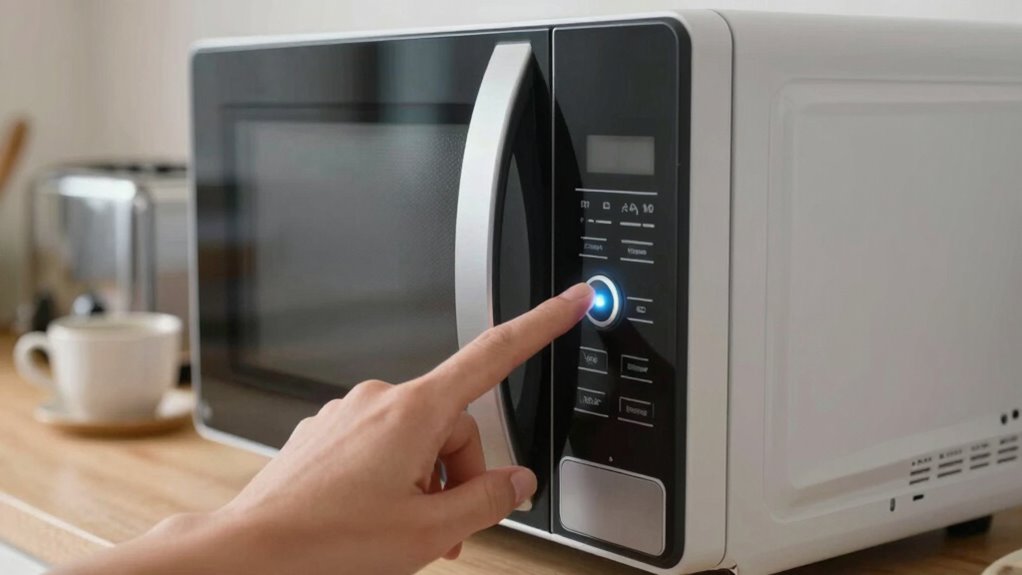
Sometimes, the simplest solution to appliance glitches is just a quick reset. It might sound too easy, but more often than not, pressing that reset button or unplugging your device for a few moments can fix a range of problems. This quick fix is especially handy because it’s fast, doesn’t require any special tools, and can save you a lot of time and frustration. When your appliance isn’t working as it should, don’t jump straight into troubleshooting myths or complex repairs. Instead, try resetting first—often, it’s all that’s needed to bring things back to normal. Resetting an appliance fundamentally clears its temporary memory or resets its internal systems, allowing it to start fresh. Many devices, from refrigerators to washing machines, are designed with this simple function for troubleshooting minor glitches. Once you perform a reset, you might notice improved energy efficiency, because the appliance isn’t running inefficiently due to a minor electronic hiccup. Sometimes, appliances can get stuck in error states that cause them to draw more power or behave unpredictably. A reset clears these errors, helping your device operate at its peak level and saving energy in the process. Additionally, understanding the basic functions of your appliances can help you know when a reset is appropriate. There are many troubleshooting myths floating around, especially about resetting appliances. Some believe that resetting can cause more harm or that it’s just a temporary fix. However, the truth is that a reset is a first step in diagnosing many problems. It’s a simple, non-invasive method that often solves issues related to software glitches, unresponsive controls, or error messages. If an appliance still isn’t working after a reset, then you can consider deeper troubleshooting, but don’t dismiss this quick fix. It’s a proven, effective first move. Knowing how your devices operate and their design features can help you better understand when a reset is suitable and how to perform it correctly. Understanding appliance troubleshooting can prevent unnecessary service calls and extend the lifespan of your devices. Regular resets can also serve as part of your maintenance routine, helping to keep your appliances running smoothly over time. Remember, many appliances are designed with reset functions for a reason—use them.

HUAREW 15 Amp Push Button Circuit Breaker 125-250V AC 50V DC
- Product Type: Single pole push-to-reset breaker
- Voltage Range: 125/250V AC, 50V DC
- Current Rating: 15A
As an affiliate, we earn on qualifying purchases.
As an affiliate, we earn on qualifying purchases.
Frequently Asked Questions
Can Resetting Damage the Appliance Permanently?
Resetting your appliance generally doesn’t cause permanent damage if you use proper reset techniques. It can actually help improve appliance longevity by clearing glitches and preventing larger issues. However, repeatedly resetting without addressing underlying problems might strain components over time. Follow manufacturer instructions carefully, and avoid excessive resets. If issues persist, consult a professional to make sure you’re not unintentionally harming your appliance or reducing its lifespan.
How Often Should I Perform a Reset?
Think of resetting your appliance like tuning a musical instrument—it’s about finding harmony. You should perform a reset only when troubleshooting myths suggest it’s needed, or if the appliance acts up. Avoid overdoing it; the reset frequency should be minimal—perhaps once a month or when issues arise. Regular resets aren’t necessary and won’t harm your device, but frequent resets might mask underlying problems that need proper repair.
Are There Risks Using the Reset Trick on All Appliances?
Using the reset trick on all appliances can pose risks, especially if you’re unaware of specific reset procedures. While it may boost appliance longevity, some devices require reset alternatives to prevent damage. Always check your appliance’s manual or manufacturer recommendations first. Overusing resets can lead to hardware issues or void warranties. So, proceed cautiously, and only reset when necessary, following proper guidelines to keep your appliances working smoothly.
Does Resetting Clear All Settings and Data?
Resetting an appliance generally clears temporary settings but doesn’t erase all data or personalized information unless you perform a factory reset. If you’re concerned about a firmware update or battery preservation, be cautious—some resets might revert firmware to an earlier version or affect battery life. Always check the reset instructions for your specific device to understand what’s cleared and what remains, ensuring you don’t lose essential data.
What Signs Indicate a Reset Is Needed?
You should consider resetting your appliance when you notice software glitches or if power fluctuations cause it to behave erratically. Signs include unresponsive screens, error messages, or features not functioning properly. Resetting can help restore normal operation by clearing temporary issues. If problems persist after power issues or glitches, a reset often clears out corrupted data or settings, making it a practical first step before seeking repairs.
Conclusion
Next time your appliance stalls, remember the reset trick—your quick fix, your simple solution, your reset routine. It’s the restart that clears the clutter, the reboot that clears the doubt, the reset that restores the rhythm. Embrace the power of the simple, the ease of the reset, and watch your appliances come back to life. Because sometimes, all it takes is a reset to turn chaos into calm, silence into song, and problems into solutions.