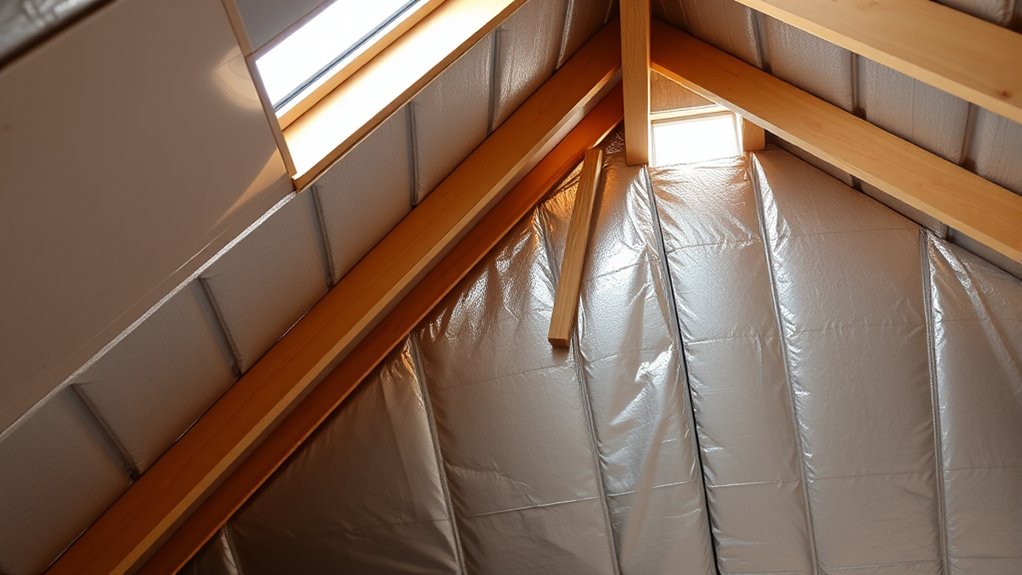

To reduce heat loss through insulation, make sure your home’s insulation is properly installed and tightly fitted to eliminate gaps and air leaks. Use the right type of insulation for each part of your home, such as fiberglass batt, spray foam, or rigid foam boards, and seal around windows, doors, and outlets with weatherstripping or caulking. Understanding R-values helps you choose effective materials for your climate, so keep exploring to discover how ideal insulation boosts energy efficiency.
Key Takeaways
- Choose appropriate insulation materials with high R-values for your climate to maximize heat retention.
- Install insulation tightly without gaps or compression to prevent air leaks and improve thermal effectiveness.
- Seal around windows, doors, and outlets with weatherstripping and caulking to minimize heat transfer.
- Use spray foam or rigid foam boards in areas prone to air leaks for a superior thermal barrier.
- Ensure proper installation practices and consistent coverage across walls, roofs, and floors to reduce heat loss.
Reducing heat loss through insulation is one of the most effective ways to improve energy efficiency in your home. When you focus on creating a strong thermal barrier, you’re making sure that the heat generated inside stays inside during winter, and outside during summer. This barrier is essential because it minimizes the transfer of heat through walls, roofs, and floors. To achieve this, you need to carefully select the right insulation materials, which are designed to slow down heat flow and keep your home comfortable year-round.
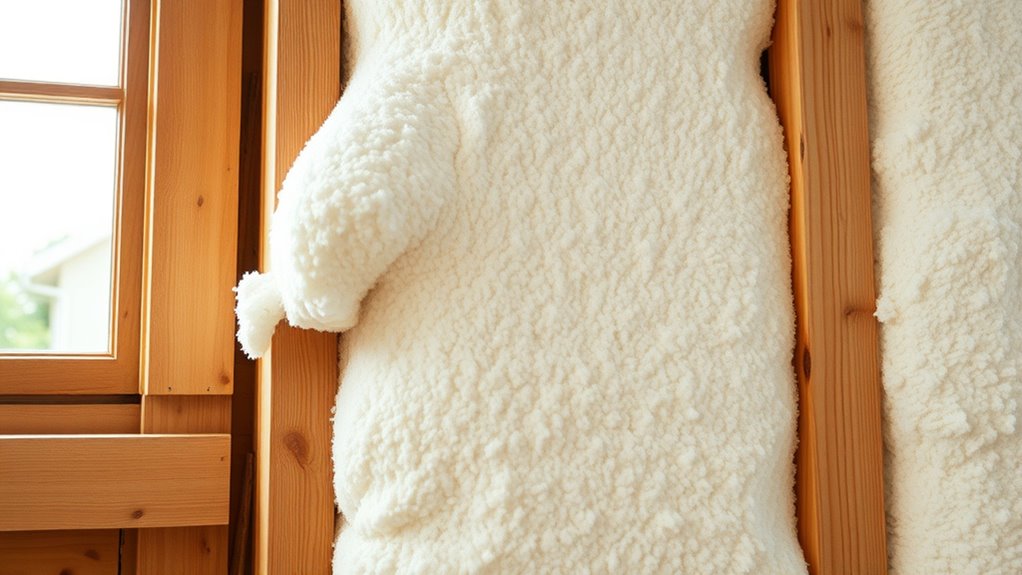
The key to effective insulation starts with understanding the different types of insulation materials available. Fiberglass batt, spray foam, cellulose, and rigid foam boards are common options, each with unique properties suited to various parts of your home. For example, fiberglass batt is easy to install and cost-effective, making it ideal for insulating walls and attics. Spray foam, on the other hand, provides a superior thermal barrier because it expands to fill gaps and crevices, preventing air leaks that can undermine your insulation efforts. Cellulose insulation, made from recycled paper, offers good thermal performance and is environmentally friendly. Rigid foam boards offer high R-value per inch, making them perfect for insulating exterior walls and basement floors.
When you’re installing insulation materials, verify they are properly fitted to eliminate gaps and compression, which can undermine the thermal barrier. Gaps allow warm air to escape and cold air to enter, making your heating and cooling systems work harder. Proper installation not only enhances energy efficiency but also helps prevent issues like mold and moisture buildup, which can damage insulation over time. Pay attention to sealing around windows, doors, and electrical outlets, because these are common weak spots where heat can leak. Using weatherstripping and caulking in conjunction with insulation materials helps create a tight thermal barrier. Additionally, understanding insulation R-values is crucial for choosing the right materials to match your climate needs, ensuring optimal energy savings.
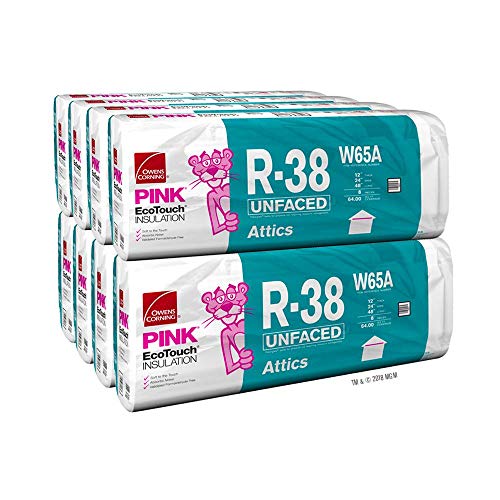
Owens Corning 512 SQFT 8 Bags of R-38 Unfaced 24 by 48 Fiberglass Batt Fits 2X12 attic
- Ideal for Attic Insulation: Suitable for attic applications between trusses
- Contains 8 Batts per Bag: Each bag covers 64 sqft, total 512 sqft
- Unfaced Insulation Material: No paper backing, suitable for interior use
As an affiliate, we earn on qualifying purchases.
As an affiliate, we earn on qualifying purchases.
Frequently Asked Questions
What Are the Best Insulation Materials for Extreme Climates?
You should choose insulation materials with high thermal resistance, like spray foam or polyisocyanurate, for extreme climates. These materials effectively minimize heat transfer. Additionally, verify they include moisture barriers to prevent dampness, which can reduce insulation efficiency. By selecting products with excellent thermal resistance and moisture barriers, you’ll keep your space warmer or cooler, depending on the season, even in the harshest conditions.
How Often Should Insulation Be Inspected or Replaced?
You should inspect your insulation at least once every 3 to 5 years to make certain it’s in good condition. The insulation lifespan varies depending on materials used and exposure, but generally, replacement is necessary if you notice moisture, mold, or significant wear. Regular inspections help catch issues early, maintaining energy efficiency and preventing heat loss. Don’t wait too long—prompt repairs or upgrades keep your home warm and cost-effective.
Can Insulation Improve Indoor Air Quality?
Did you know proper insulation can boost your indoor air quality? While insulation primarily reduces heat loss, it also acts as a barrier against pollutants and allergens, improving air quality benefits. When combined with good ventilation, insulation helps maintain a healthier environment by reducing mold and dust buildup. You can enjoy cleaner air, better comfort, and energy savings by ensuring your insulation and ventilation systems work together effectively.
Are There Eco-Friendly Insulation Options Available?
Yes, eco-friendly insulation options are available for you. You can choose natural insulation materials like wool, cellulose, or cork, which are renewable and sustainable. Recycling insulation materials is also a great way to reduce waste and lessen environmental impact. These options help you insulate your home effectively while minimizing your carbon footprint, making your space more environmentally friendly and energy-efficient.
What Is the Cost Comparison of Different Insulation Types?
You’ll find that insulation pricing varies based on material type and installation. Foam board insulation tends to be more expensive upfront but offers better R-value, while fiberglass insulation is cost-effective and widely used. Conducting a cost analysis helps compare these options, considering long-term energy savings. Ultimately, your choice depends on your budget and insulation needs, but understanding the cost comparison guarantees you make an informed decision for efficient home insulation.
Conclusion
By properly insulating your home, you can markedly cut down on heat loss and lower energy bills. Imagine a family in a cold climate who added insulation to their attic; they noticed warmer indoor temperatures and reduced heating costs within just a few months. Your home can benefit the same way—investing in insulation not only keeps you cozy but also saves money and energy. Take action today to make your living space more efficient and comfortable.