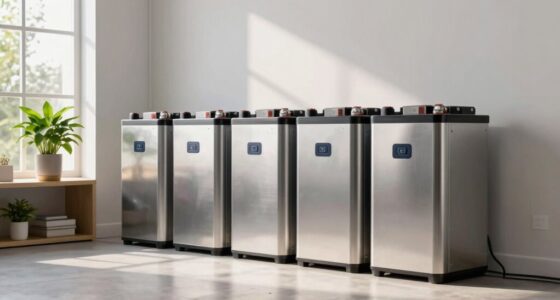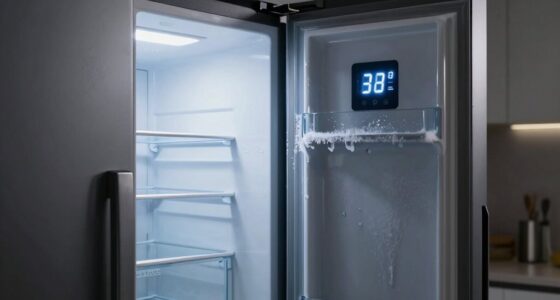
Proper placement of your appliances makes a big difference in how efficiently they run. When you position them in well-ventilated spots, they expel heat and moisture better, reducing strain and energy use. Poor placement, like stacking near heat sources or blocking airflow, causes appliances to work harder and consume more power. By organizing your appliances thoughtfully, you’ll improve heat distribution, save on energy bills, and extend their lifespan. Keep exploring to discover more tips for optimizing your space.

Turn the school run and nap time into listening time
- Thousands of audiobooks, podcasts and originals
- Listen on your phone, tablet or Echo — also offline
- Cancel anytime
Key Takeaways
- Proper placement improves ventilation, enhancing heat dissipation and reducing appliance strain.
- Correct positioning prevents heat buildup, lowering energy consumption and preventing overheating.
- Strategic placement ensures optimal airflow, aiding efficient heat distribution and cooling.
- Grouping appliances without ventilation consideration increases heat, raising energy use.
- Well-placed appliances reduce workload on HVAC systems, saving energy and extending equipment lifespan.
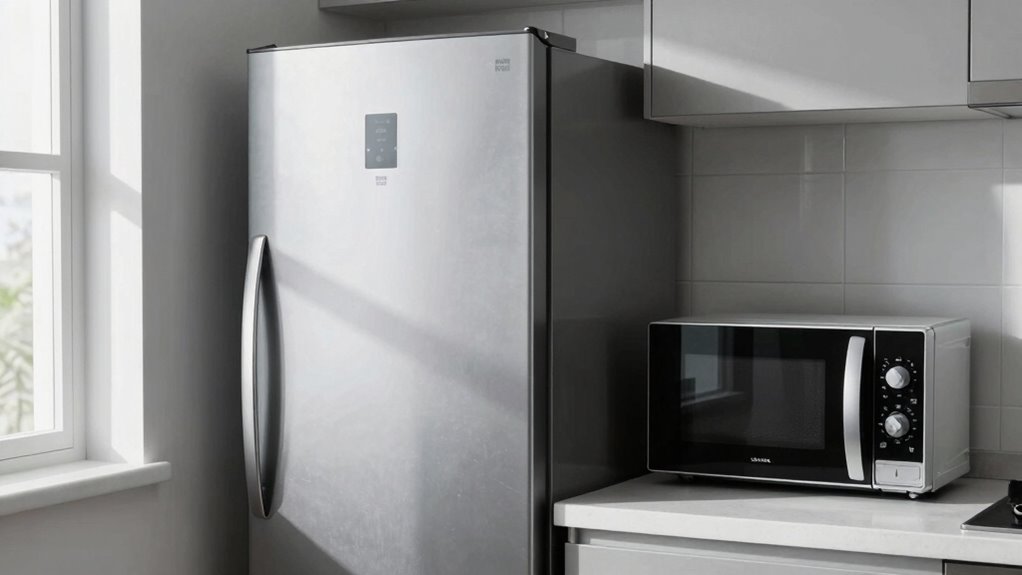
Proper placement of appliances plays a crucial role in maximizing energy performance in your home. When appliances are positioned thoughtfully, they work more efficiently, saving you money and reducing your environmental impact. One key aspect of this is ventilation efficiency. Properly placed appliances, especially those like refrigerators, ovens, and heating units, ensure that heat and moisture are expelled effectively. Poor placement can trap heat or moisture around appliances, forcing them to work harder to maintain their intended function. For example, if your refrigerator is tucked into a corner with inadequate airflow, it has to run longer to keep cool, consuming more energy. Conversely, placing it in a well-ventilated spot allows heat to escape easily, reducing strain on the compressor and improving overall efficiency.
Heat distribution is another critical factor influenced by appliance placement. When appliances generate heat—such as stoves, ovens, or dryers—their location impacts how well that heat spreads throughout the space. If these appliances are placed near cooling or ventilation systems, the heat can be dispersed more evenly and quickly, preventing hot spots that cause your HVAC system to work harder. Proper placement ensures that heat from appliances doesn’t accumulate in specific areas, which can lead to increased energy use for cooling or heating your home. For instance, positioning a stove away from air vents or climate control systems helps maintain a balanced temperature, keeping your home comfortable without excessive energy expenditure.
Additionally, the proximity of appliances to each other can influence energy performance. When appliances are grouped without regard for their heat output or ventilation needs, it can create localized heat buildup, forcing your cooling system to compensate. For example, placing a washer or dryer near a heat-generating oven can cause the laundry appliances to run less efficiently due to the increased ambient temperature. This inefficiency leads to higher energy consumption and potential wear and tear on your appliances. Proper appliance placement can prevent such issues and enhance overall efficiency. Understanding ventilation needs is also essential in this process, ensuring that airflow is optimized around your appliances for maximum benefit. Additionally, considering airflow patterns in your space can further improve heat dissipation and energy savings.
Furthermore, understanding the importance of proper ventilation can help you optimize your appliance placement and enhance overall energy efficiency. In essence, thoughtful appliance placement enhances ventilation efficiency, which in turn improves heat distribution. When you consider these factors, your appliances don’t have to work as hard, and your home remains more energy-efficient. It’s not just about convenience; it’s about creating a balanced environment where heat and airflow are managed effectively. By paying attention to where you position your appliances, you’ll see a noticeable difference in energy bills and the longevity of your equipment, all while maintaining a more comfortable living space.
As an affiliate, we earn on qualifying purchases.
Frequently Asked Questions
How Does Appliance Placement Affect Indoor Air Quality?
You affect indoor air quality by where you place appliances. Proper placement promotes good air circulation, reducing contaminant buildup around appliances like stoves or heaters. If appliances are too close to vents, windows, or air filters, they can hinder airflow and cause pollutants to accumulate. Moving appliances away from high-traffic or poorly ventilated areas helps maintain cleaner air and prevents harmful contaminant buildup, improving overall indoor air quality.
Can Rearranging Appliances Improve Overall Home Safety?
Rearranging appliances can definitely improve your home safety by reducing placement hazards. Proper placement guarantees appliances are stable, well-ventilated, and away from high-traffic areas, minimizing risks like electrical fires or tripping. By paying attention to appliance safety and avoiding cluttered or unsafe setups, you create a safer environment. Always follow manufacturer guidelines and regularly check for issues to prevent accidents and maintain overall home safety.
What Are the Aesthetic Impacts of Appliance Relocation?
Relocating appliances is like rearranging pieces of a puzzle, and it greatly impacts your home’s aesthetic. You might find that your space gains a sense of decor harmony and visual balance, making it more inviting. Proper placement guarantees appliances blend seamlessly with your design, avoiding clutter and chaos. When carefully chosen, their new locations can enhance the room’s style and flow, creating a cohesive, pleasing environment that feels just right.
How Does Appliance Placement Influence Household Noise Levels?
Your appliance placement directly impacts household noise levels. Placing noisy appliances like washers or dishwashers on sound-insulated floors or away from bedrooms reduces noise transfer. Using vibration reduction pads helps minimize vibrations that can amplify sound. Positioning appliances near walls with soundproofing or isolating them from shared walls also decreases noise transmission. Proper placement, combined with sound insulation and vibration reduction techniques, guarantees a quieter, more comfortable living environment.
Are There Specific Placements Recommended for Energy-Efficient Appliances?
To boost your home’s energy efficiency, place appliances thoughtfully—aim for your ideal kitchen and laundry zone. Position your refrigerator away from heat sources, like ovens, to reduce energy use. Keep washers and dryers in well-ventilated areas, not cramped corners. This strategic placement minimizes energy wastage, ensuring your appliances work smarter, not harder. With a little thought, you’ll enjoy lower bills and a more harmonious living space.
Conclusion
Remember, the way you position appliances profoundly impacts your power consumption and pocketbook. Thoughtful placement prevents unnecessary energy waste, protects your appliances, and promotes a more sustainable space. So, stay savvy about spacing and situate your devices wisely. Small shifts can markedly save energy and money, making your home smarter, safer, and more efficient. Simplify, strategize, and support sustainability by starting with smarter appliance placement today!
Fall Picks
fall essentials
As an affiliate, we earn on qualifying purchases.