Leaving appliances like refrigerators, dishwashers, or ovens running longer than necessary wastes a lot of power. Neglecting regular maintenance, such as cleaning filters or defrosting freezers, causes appliances to work harder and consume more energy. Using high heat settings when lower ones would do, or not covering pots, also increases power use. Continuing to overlook these habits can lead to bigger energy bills; discover more ways to cut waste and save energy efficiently.

Turn the school run and nap time into listening time
- Thousands of audiobooks, podcasts and originals
- Listen on your phone, tablet or Echo — also offline
- Cancel anytime
Key Takeaways
- Leaving appliances like ovens or dishwashers on when not in use wastes significant energy.
- Neglecting to clean refrigerator coils and filters reduces appliance efficiency and increases power consumption.
- Using high heat settings unnecessarily in cooking appliances consumes more energy.
- Failing to defrost freezers leads to ice buildup, forcing appliances to work harder and waste power.
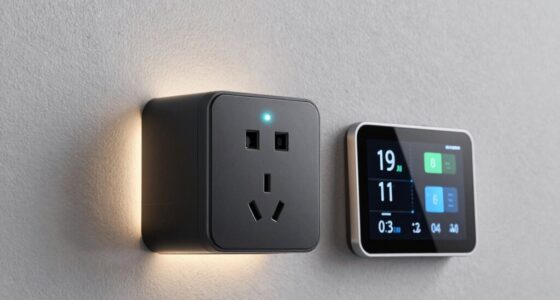
- Keeping appliances plugged in constantly, even when unused, results in unnecessary standby power drain.
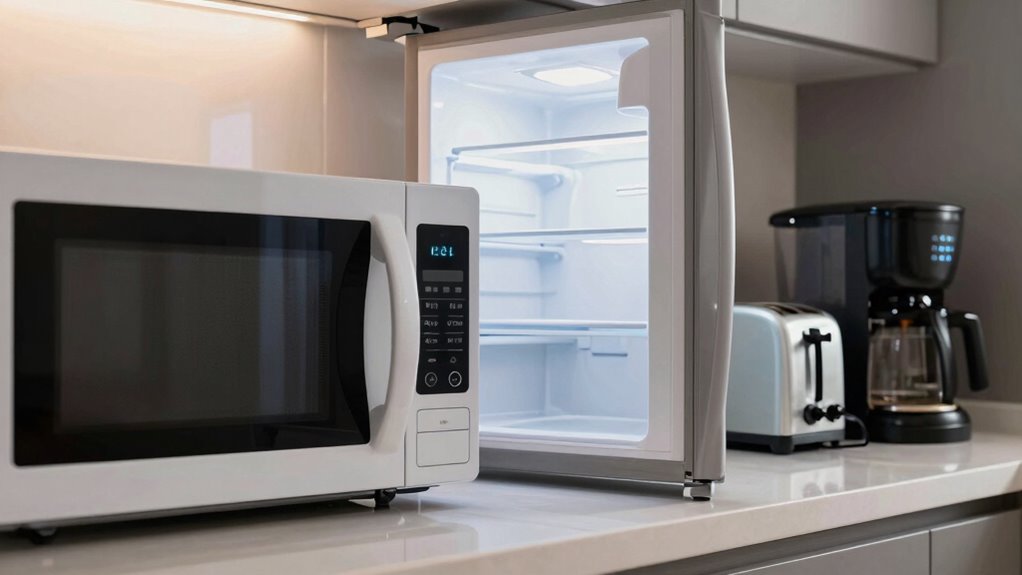
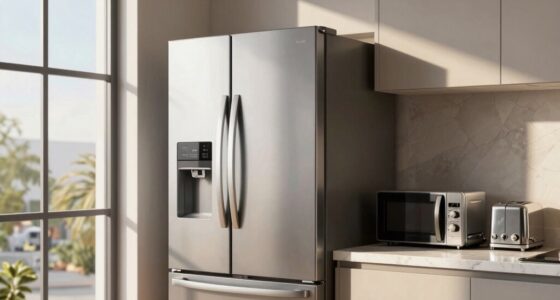
Have you ever wondered how much energy your kitchen appliances waste every day? It’s a common question, especially if you’re trying to cut down on your energy bills and reduce your environmental impact. Many of us overlook the habits that lead to unnecessary power drain, but small changes can make a big difference. One of the most effective ways to save energy is by focusing on energy-efficient cooking techniques. Instead of relying on high heat or leaving appliances on longer than needed, you can plan your meals to optimize energy use. For example, using a pressure cooker or microwave for certain dishes can cut cooking time considerably, saving both energy and time. Additionally, always covering pots and pans helps retain heat, allowing you to cook more efficiently and reduce power consumption.
Equally important is appliance maintenance. Appliances that aren’t properly maintained tend to consume more power than necessary. Regularly cleaning your refrigerator coils, for example, ensures it runs smoothly and doesn’t work harder than it should. Similarly, defrosting your freezer prevents ice buildup that can hinder cooling efficiency. Dishwasher and oven maintenance is often overlooked, but cleaning filters and checking seals can prevent leaks and energy waste. Keeping appliances in good condition guarantees they operate at peak efficiency, which directly impacts your energy bills. Neglecting maintenance can turn a well-functioning machine into a power guzzler without you even realizing it. Understanding energy efficiency and how appliances operate can lead to smarter habits that save money and reduce environmental impact. Incorporating proper appliance care can further enhance your energy savings by preventing unnecessary power use. Routine appliance maintenance not only helps conserve energy but also prolongs the lifespan of your appliances, making it a worthwhile investment. Moreover, understanding how appliance operation affects energy consumption can help you make more informed decisions about your usage patterns.
Products Worth Considering

Ring Alarm 8-Piece Kit (2nd Gen) Home Security System

Philips Hue White and Color Ambiance A19 Smart Bulb Starter Kit, 2-Pack

Bose SoundLink Plus Portable Bluetooth Speaker, Black
As an affiliate, we earn on qualifying purchases.
Frequently Asked Questions
How Can I Identify Energy-Wasting Appliances in My Kitchen?
You can identify energy-wasting appliances by checking their power usage with monitoring tools or smart meters. Regular appliance maintenance, like cleaning and inspecting seals, also guarantees efficient operation. Pay attention to devices that run constantly or heat up unexpectedly, as they might be consuming more power. By monitoring usage and maintaining appliances properly, you’ll spot which ones waste the most energy and can take steps to reduce your power bill.
Are Older Appliances More Power-Efficient Than New Models?
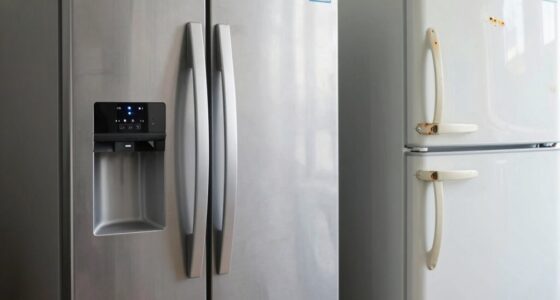
Older appliances, like vintage ones, aren’t necessarily more power-efficient than new models. In a power comparison, modern appliances are designed to meet energy standards, often consuming less energy and offering better performance. Vintage appliances may seem charming, but they typically lack the energy-saving features of newer models. To save energy, consider upgrading to modern appliances with high energy-efficiency ratings, which can considerably reduce your power consumption and bills.
What Are Quick Tips to Reduce Kitchen Power Consumption?
You can reduce kitchen power consumption by practicing smart scheduling—use appliances during off-peak hours and avoid running multiple devices simultaneously. Additionally, calibrate your appliances regularly to make sure they operate efficiently. Unplug devices when not in use, and opt for energy-efficient models when replacing old ones. These small habits add up, helping you save energy and lower your electricity bills while maintaining a functional, eco-friendly kitchen.
Does Leaving Appliances Plugged in Always Waste Power?
Leaving appliances plugged in can waste power through standby power, also known as ghost energy. Even when turned off, many devices draw small amounts of electricity, adding up over time. To save energy, unplug appliances you don’t use often or use power strips to switch them off easily. This simple step prevents unnecessary ghost energy consumption and helps reduce your overall electricity bill.
How Do I Choose Energy-Efficient Appliances for My Kitchen?
To choose energy-efficient appliances, look for models with smart technology that optimize energy use automatically. Check appliance labels for Energy Star certification, which indicates high efficiency and lower power consumption. You should also compare features, read reviews, and consider long-term savings. By selecting appliances with smart technology and reputable labels, you’ll reduce power waste and save money on your energy bills over time.
Conclusion
So, you can save energy, save money, and reduce waste by unplugging unused appliances, avoiding standby mode, and choosing energy-efficient models. By being mindful, you prevent unnecessary power drain, lessen environmental impact, and promote smarter habits. Remember, small changes in your kitchen habits make a big difference—cut the power waste, cut the costs, and contribute to a cleaner planet. Power wisely, and let your actions speak louder than words.