
TL;DR

Turn the school run and nap time into listening time
- Thousands of audiobooks, podcasts and originals
- Listen on your phone, tablet or Echo — also offline
- Cancel anytime
Family-friendly board games are designed for easy learning and broad appeal, perfect for creating fun moments across generations. This guide highlights key features, game types, and tips to pick the best ones for your family.
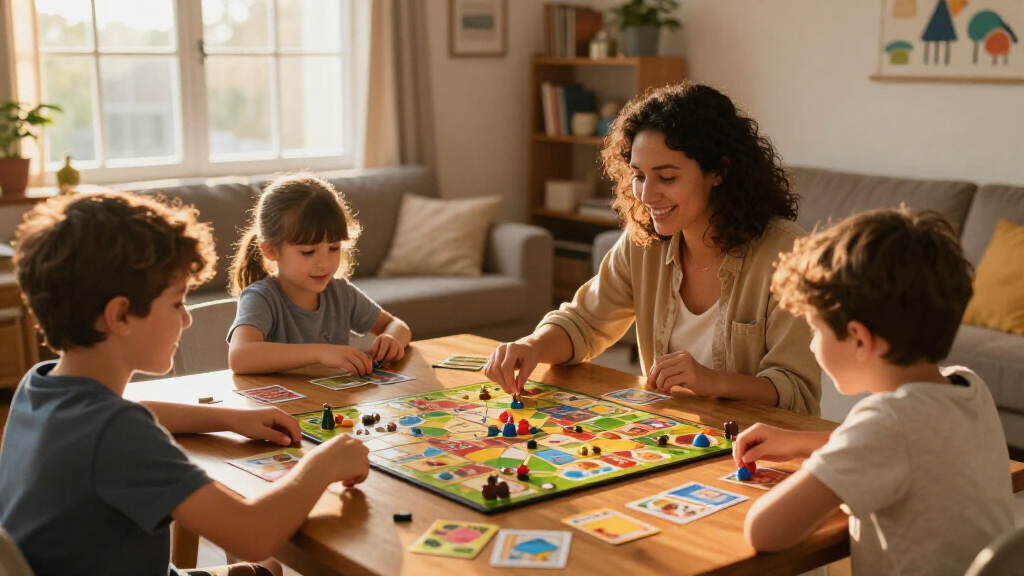
Imagine a cozy evening, the table filled with colorful cards and simple pieces. Laughter bubbles up as everyone, from the youngest to the oldest, joins in. Family-friendly board games aren’t just about fun—they’re about creating shared memories, teaching skills, and breaking down barriers between generations.
Whether you want a quick game to fill 15 minutes or a longer adventure that sparks teamwork, the right choice can transform your family nights. In this guide, you’ll find practical advice, real-world examples, and the best games that suit different ages and interests.
Choose games with simple rules, short playtimes, and themes that appeal across ages to keep everyone engaged.
Matching game type to your family’s style—cooperative, competitive, or party—makes game nights smoother and more fun.
Practical tips like demoing a turn and organizing components help turn game night into a positive experience.
Consider accessibility features and adjustable rules to include all family members, regardless of age or ability.
Start small: a few well-chosen games can cover most family occasions without overwhelming your shelf.
What Makes a Board Game Truly Family-Friendly?
Family-friendly games are easy to learn, with rules that kids can grasp in 5–15 minutes. Think of it as a game that explains itself like a favorite story—familiar and inviting. They also strike a balance: not too simple to bore adults, nor too complex for children.
Duration matters too. A typical game runs between 20 and 60 minutes — just long enough to keep everyone engaged without fatigue. Quick turns and simultaneous play keep younger players from waiting anxiously, while themes like animals, exploration, or food appeal across ages.
Components matter, too. Large, clear symbols, vibrant colors, and simple icons make setup and gameplay smooth. Avoid games with harsh penalties or player elimination—no one likes to sit out or wait too long. The best family games give everyone a fair shot at winning—kids included.
Finally, the theme should resonate. Think of a game about building cities, exploring forests, or collecting colorful animals. These themes feel lively and familiar, encouraging repeated play.
Understanding these qualities helps you select games that not only entertain but also foster positive interactions, patience, and strategic thinking. The tradeoff often lies in balancing simplicity with depth; overly simple games might not challenge older players, while overly complex ones can frustrate children. Finding that sweet spot ensures everyone stays engaged and learns from the experience.
family-friendly board games for all ages
As an affiliate, we earn on qualifying purchases.
As an affiliate, we earn on qualifying purchases.
Explore Different Types of Family Games That Keep Everyone Smiling
Understanding the types helps you pick the perfect game for your family. Here’s a quick overview:
| Type | What It Is | Why It Works |
|---|---|---|
| Cooperative Games | Players work together to beat the game, not each other. | Great for kids who dislike losing, promoting teamwork and planning. These games teach children how to collaborate, share ideas, and develop empathy, since success depends on collective effort. The tradeoff is that they might reduce competitive excitement, but they foster social skills and reduce conflict, making them ideal for nurturing positive interactions. |
| Competitive Strategy | Players compete using simple tactics like set collection or route building. | Teaches planning, resource management, and strategic thinking. These games encourage kids and adults to analyze options and adapt tactics, which builds critical thinking. However, they can sometimes lead to conflicts if players become overly competitive, so moderation and good sportsmanship are key. |
| Party & Communication | Games based on drawing, storytelling, or wordplay. | Perfect for larger groups or mixed ages. They emphasize social interaction, creativity, and humor, making everyone feel involved. The challenge is balancing silliness with meaningful engagement; some players may prefer more structured play, but when well-chosen, these games keep everyone laughing and connected. |
| Dexterity Games | Physical skill, balance, or coordination are key. | Bring in movement and fun, encouraging physical activity and fine motor skills. They often break the monotony of traditional board games and add a tactile element. The tradeoff is that dexterity can sometimes favor younger or more agile players, so selecting games with adjustable difficulty ensures inclusivity. |
| Educational Games | Focus on skills like math, vocabulary, or spatial reasoning. | Learning disguised as play makes education engaging. These games develop important cognitive skills and can be tailored to different learning levels. However, they might feel more like lessons than leisure, so integrating them naturally into playtime helps maintain enthusiasm and balance. |
Matching the game type to your family’s style not only makes game nights smoother but also amplifies their benefits. For example, cooperative games boost teamwork, while strategy games sharpen minds. Recognizing these differences helps you create a diverse game collection that promotes both fun and growth.
How to Pick a Family Game That Everyone Will Love
Choosing the right game is like finding a new favorite dish—certain ingredients make all the difference. Here’s a step-by-step process:
- Consider who plays most often. What’s their age, reading level, and attention span? Recognizing these factors helps you select games that match their developmental stage, ensuring engagement without frustration. For example, very young children benefit from visual cues, while older kids can handle more complex rules. The tradeoff is balancing simplicity with enough challenge to keep everyone interested.
- Decide on the style. Do you want cooperative fun, friendly competition, or lively party games? Clarifying this helps narrow your options and creates a cohesive game night experience. Mixing styles can be enriching but might also require more preparation and understanding of different rules.
- Set a time limit. Does your family prefer quick 15-minute rounds or longer adventures? Shorter games fit busy schedules and keep attention high, while longer games allow for deeper strategy and storytelling. The key is aligning game length with your family’s energy levels and patience.
- Check accessibility features. Are there color-blind friendly components or simple symbols for non-readers? Incorporating accessible options ensures that everyone can participate fully, fostering inclusivity. The tradeoff might be slightly higher costs or limited game choices, but the payoff is a more united family experience.
- Read reviews or watch playthroughs. Seeing a game in action helps you understand its flow, complexity, and appeal before purchase. This step minimizes buyer’s remorse and ensures the game suits your family’s preferences. It also reveals potential challenges or advantages not obvious from descriptions alone.
For example, if your family has young children who can’t read yet, look for games with big pictures and minimal text, like Hoot Owl Hoot!. If you love strategy and don’t mind longer playtimes, Cascadia offers simple rules but deep choices. Balancing these considerations ensures you select games that are both fun and appropriate, avoiding frustration and maximizing shared enjoyment.
Remember, the goal is fun and inclusion. Play a game or two before buying to see if it clicks with your family’s vibe. This proactive approach helps you build a collection that grows with your family’s evolving tastes and skills.
Practical Tips to Make Family Game Night a Hit
Playing with kids isn’t just about rules—it’s about the experience. Here are real tips to keep game night fun, fair, and memorable:
- Explain the goal first. Keep it simple and clear, so everyone knows what they’re aiming for. Clarifying objectives early prevents confusion and helps players focus on the fun, rather than getting bogged down in rules or disputes.
- Demo a turn. Show how a typical move works to avoid confusion and speed up learning. Demonstrations also model good sportsmanship and strategic thinking, making it easier for kids to follow along and imitate.
- Let kids decide. Even if their choices seem unstrategic, supporting independence boosts their confidence. Encouraging decision-making fosters ownership of the game and helps develop critical thinking skills, even if the outcome isn’t always winning.
- Stay positive. Celebrate small wins, and don’t dwell on mistakes—kids learn resilience this way. A positive atmosphere keeps everyone motivated and eager to try again, reinforcing that the process matters more than just winning.
- Use team play. Pair older kids with younger ones or form teams to balance skill levels. Teamwork teaches cooperation, patience, and communication, turning individual games into shared experiences that build family bonds.
- Keep it short and sweet. Stop while everyone still wants to play, so game night feels like a treat, not a chore. Ending on a high note leaves players excited for the next session and prevents fatigue or frustration from spoiling the fun.
- Organize and store. Keep favorite games accessible, with components neatly stored in labeled containers. An organized setup reduces setup time, prevents lost pieces, and encourages spontaneous play, making game nights more spontaneous and enjoyable.
For example, during a game of Kingdomino, a parent might briefly explain the goal, then demonstrate placing tiles. Kids see how to think ahead without feeling overwhelmed. This approach turns learning into part of the fun, fostering confidence and strategic thinking in a natural, engaging way.
Frequently Asked Questions About Family Board Games
What is the best family board game? There’s no one-size-fits-all, but classics like Ticket to Ride and Carcassonne are reliable bets. They offer a good balance of strategy, accessibility, and replayability, making them versatile options for many families. Choosing the best depends on your family’s interests, age range, and how much time you want to dedicate to each session. The tradeoff is that popular titles might be more familiar, but lesser-known games can offer unique experiences that better fit your specific family dynamic.
What age can children start playing? Simple matching or cooperative games work around ages 2–4, focusing on basic skills like color recognition, turn-taking, and simple counting. Readiness depends on attention span, motor skills, and understanding, which vary among children. Recognizing this helps you select age-appropriate games that challenge without overwhelming, encouraging early confidence in gameplay.
Which games are best for both kids and adults? Look for games with simple rules but deep choices, offering a balance of accessibility and strategic depth. Azul and Sushi Go! often satisfy mixed ages because they combine quick rounds with meaningful decisions, fostering inclusivity. The tradeoff is that some games may be too light for older players or too complex for very young children; selecting titles with adjustable difficulty or multiple layers of strategy can help bridge this gap.
Are cooperative games better for young children? They reduce conflict and encourage teamwork but aren’t exclusive. They teach valuable social skills like sharing, patience, and empathy. However, relying solely on cooperative games may limit competitive development and strategic variety. Mixing cooperatives with competitive games offers a broader skill set and keeps game nights engaging for different moods and learning goals.
How do I prevent arguments during game night? Keep rules clear, set expectations beforehand, and choose short, non-elimination games. Emphasizing fun and good sportsmanship creates a positive environment. Establishing ground rules about graciousness and handling disputes helps children learn conflict resolution while maintaining a lighthearted atmosphere.
Can different skill levels play together? Yes. Use teams, adjustable rules, or child-friendly variants to keep everyone engaged and feeling successful. This inclusivity fosters patience and camaraderie, and it ensures that no one feels left out or overwhelmed, which is crucial for a harmonious family game night.
Are board games educational? Absolutely. Many develop math, vocabulary, planning, and social skills—especially when children make genuine decisions rather than passively follow instructions. The tradeoff can be that some educational games may seem less entertaining initially, but when integrated thoughtfully, they enhance learning while preserving enjoyment.
How long should a family game last? For young kids, 10–30 minutes is ideal, fitting into short attention spans and busy schedules. Older children and adults can handle 30–60 minutes or longer for more complex or strategic games. Balancing game length with players’ energy levels ensures sustained engagement and prevents fatigue or boredom.
What about two-player games? Titles like Patchwork and Lost Cities work well, offering deep engagement without a crowd. They’re perfect for quiet evenings or when only two players are available, providing meaningful choices and strategic depth comparable to larger multiplayer games.
Are classic games still worth it? Yes, but some rely on luck or long playtimes, which may not suit all families. Modern versions often include more meaningful choices, streamlined rules, and shorter durations, making them more adaptable to today’s busy lifestyles while preserving timeless appeal.
Should I buy junior editions? They’re great for early learners but may outgrow them quickly. Balance between age-appropriate content and replay value is key. Some families find value in starting with junior editions and gradually progressing to more complex games as children grow.
What if my child can’t read? Choose games with symbols, colors, or pictures. Many rely less on reading and more on visual cues, making them accessible to non-readers. This inclusivity encourages early participation and helps develop visual-spatial skills.
How many games do I need? A small, varied set—one cooperative, one strategy, one quick card game, and one party game—usually covers most family occasions. This diversity ensures you’re prepared for different moods, group sizes, and time constraints, maximizing your family’s gaming experiences.
Are app-assisted games safe? They add convenience but check device compatibility, privacy policies, and whether the physical game remains playable without the app. This ensures your family’s safety and the longevity of the gaming experience, preventing reliance on technology that might become outdated or incompatible.
How should I store games? Keep boxes dry, organized, and in accessible spots. Use small containers or bags to prevent losing pieces and make setup faster. Proper organization encourages spontaneous play, reduces frustration, and prolongs the life of your games, making them a reliable part of your family routine.
Conclusion
Family-friendly board games aren’t just about passing the time—they’re about creating moments. The right game can turn a simple evening into a cherished memory, full of laughter and learning. Focus on accessibility, shared fun, and variety, and your game nights will become the highlight of your week.
So, gather your favorite snacks, pick a game that invites everyone to join in, and enjoy the magic of shared play. After all, the best game is the one you play together.
Fall Picks
fall essentials
As an affiliate, we earn on qualifying purchases.