
TL;DR
More than 18,800 Texas students with disabilities are using the state’s new education savings account program, which provides public funds for private schooling or homeschooling. Democratic leaders have pledged to oppose the program, but it is not yet clear whether they can or will end its funding; parents say losing the assistance could disrupt their children’s education and therapies.
Texas parents of children with disabilities are worried that state education savings account funding could end after Democratic leaders vowed to oppose the new voucher program, which this school year is supporting more than 18,800 students with disabilities. Families interviewed by The Texas Tribune said the money helps pay for specialized instruction, therapies and homeschooling materials, though it remains unclear whether the state’s next budget will continue the program.

Turn the school run and nap time into listening time
- Thousands of audiobooks, podcasts and originals
- Listen on your phone, tablet or Echo — also offline
- Cancel anytime
The program, which took effect this school year, provides participating families with about $10,500 a year for private school and up to $2,000 for homeschooling expenses. Students with disabilities may qualify for as much as $30,000, although the source report says very few received the maximum. The Texas comptroller’s office, which manages the program, reported that more than 18,800 students with disabilities are participating.
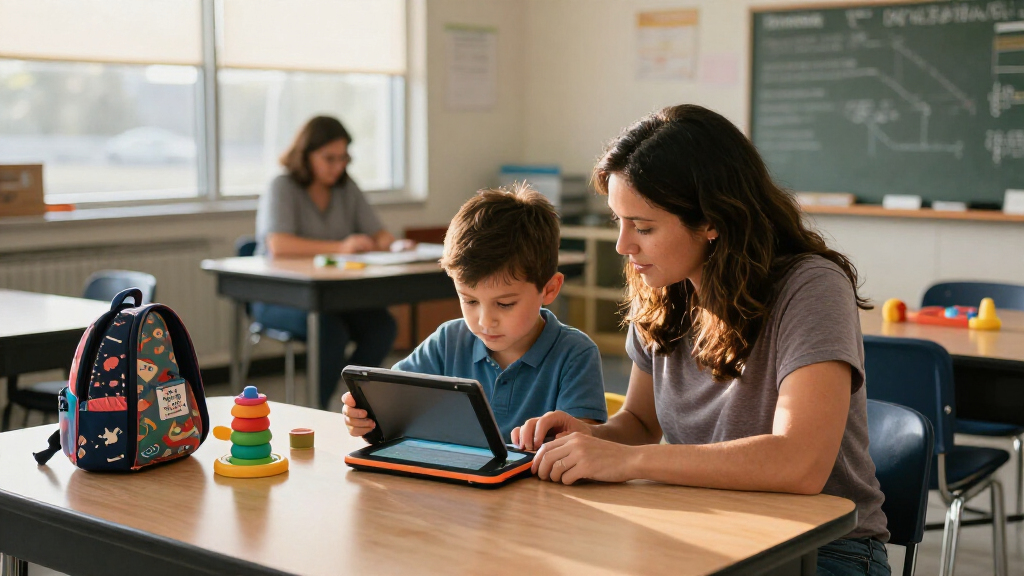
Kelci Jagge, a San Antonio-area mother, said she used the homeschooling allocation for items including interactive buzzers, large crayons and an early literacy program for her adopted son Ruslan, who has cerebral palsy and a seizure disorder. Jagge told The Texas Tribune that he could not tolerate a full day at a public school, where she said staff called her to pick him up. She said her family would not try public school again if the voucher ended.
Other parents described using funds for specialized tutoring, behavioral therapy, sensory products and private schools serving students with disabilities. Joy Smith, a Roanoke mother whose 7-year-old son has autism, said the funding helped her afford curriculum and learning materials. Families told the Tribune they are unsure how they would cover those costs if the assistance does not continue.
Support at Risk for Disabled Students
The debate affects families whose schooling arrangements may depend on support beyond what they can pay themselves. Parents interviewed by the Tribune said the funds let them purchase materials and services tailored to their children, or afford private schools focused on disability-related needs. If funding ends, they may have to reduce those services, find other ways to pay or reconsider schooling plans.
The dispute also reflects a broader conflict over how Texas should direct public education funds. Democrats argue that the program diverts money from public schools and subsidizes private or unregulated options that do not face the same educational standards. Supporters among the parents quoted in the report counter that the assistance meets needs their families say public schools have not met. Those accounts describe individual experiences, rather than establishing how the program affects every student or district.
Products Worth Considering

Ring Wired Doorbell Pro (3rd Gen) and Floodlight Cam Pro (2nd Gen) Bundle

Philips Hue Bridge Pro Smart Lighting Hub

Levoit Core 600S-P Smart Air Purifier for Large Rooms up to 2933 ft²
As an affiliate, we earn on qualifying purchases.
How Texas Vouchers Are Funded
The program gives families public funds through education savings accounts for approved education expenses. Eligibility is open to Texas children regardless of disability or family income, but applicants with a qualifying disability and household income below 500% of the federal poverty level received the highest priority. The report said at least 60% of participating students were from low-income families and about 17% had disabilities.
Texas Gov.-elect Gina Hinojosa said in her victory speech that she would “work tirelessly to repair the damage of the Texas vouchers scam.” Democrats have also promised to oppose the program, and lawmakers have filed bills seeking its repeal. The governor-elect could veto funding included in the next state budget, but the report said she had not stated whether she would do so. The program’s funding and operation therefore remain subject to decisions by the governor and Legislature.
““I wouldn’t have normally went and bought (the buzzers) on my own because it’s like, ‘Do I want to spend that money on something I don’t know if he will use?’ Well, we really have used it quite a bit.””
— Kelci Jagge, a parent of a student with disabilities
Funding Decision Still Pending
It is not yet clear whether the next state budget will include money for the program, whether the governor-elect will veto any such funding, or whether lawmakers will pass a repeal bill. The source report does not establish what replacement support, if any, would be available to families if the program ends.
The maximum benefit amounts are eligibility limits, not evidence that each family receives that sum. The report says very few students with disabilities received the maximum $30,000. It also does not quantify how many participating families would be unable to continue their current schooling or therapies without the funds.
Budget Debate Will Set the Course
The next state budget and legislative session will determine whether the education savings accounts continue, change or are repealed. Lawmakers have already filed repeal bills, while the governor-elect’s position on a possible veto remains unspecified in the report. Families will be watching those decisions as they plan for the next school year, but the timing and final outcome are not yet known.
Key Questions
How much funding can Texas families receive?
According to the report, families in private schools qualify for about $10,500 annually, while homeschoolers can receive up to $2,000 for expenses. Students with disabilities may qualify for as much as $30,000, though very few received the maximum.
How many students with disabilities are using the program?
The Texas comptroller’s office reported that more than 18,800 students with disabilities were using vouchers during the program’s first school year.
Has Texas decided to end the voucher program?
No. Democratic leaders have pledged to oppose it and lawmakers have filed repeal bills, but the next budget and legislative decisions will determine its future.
Why are some parents concerned about losing the funds?
Parents interviewed by The Texas Tribune said they use the money for specialized curriculum, tutoring, therapy, sensory materials or private schooling. They said losing it could make those services harder to afford.
Source: the74million.org