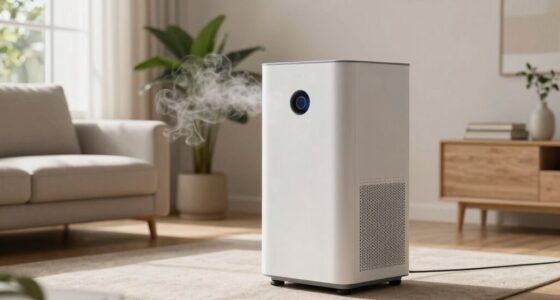
Humidity subtly affects your comfort, health, and sleep without obvious signs. When it’s too dry, your skin and throat may feel irritated, making it harder to rest peacefully. High humidity can make the air feel heavy, causing discomfort and promoting mold growth, which silently harms your home’s air quality. Small changes in moisture levels happen seasonally, impacting how you feel and sleep. Continuing to explore this topic can reveal simple ways to maintain a healthier indoor environment year-round.

Turn the school run and nap time into listening time
- Thousands of audiobooks, podcasts and originals
- Listen on your phone, tablet or Echo — also offline
- Cancel anytime
Key Takeaways
- Fluctuating humidity levels influence perceived comfort by causing dry skin in winter and heaviness in summer.
- High humidity fosters mold growth and dust mites, silently degrading indoor air quality over time.
- Excess moisture hampers body cooling, leading to restless sleep and frequent awakenings.
- Low humidity causes nasal congestion and dry skin, disrupting restful sleep and overall comfort.
- Seasonal adjustments with humidifiers or dehumidifiers maintain optimal indoor humidity (30-50%), supporting health and sleep quality.
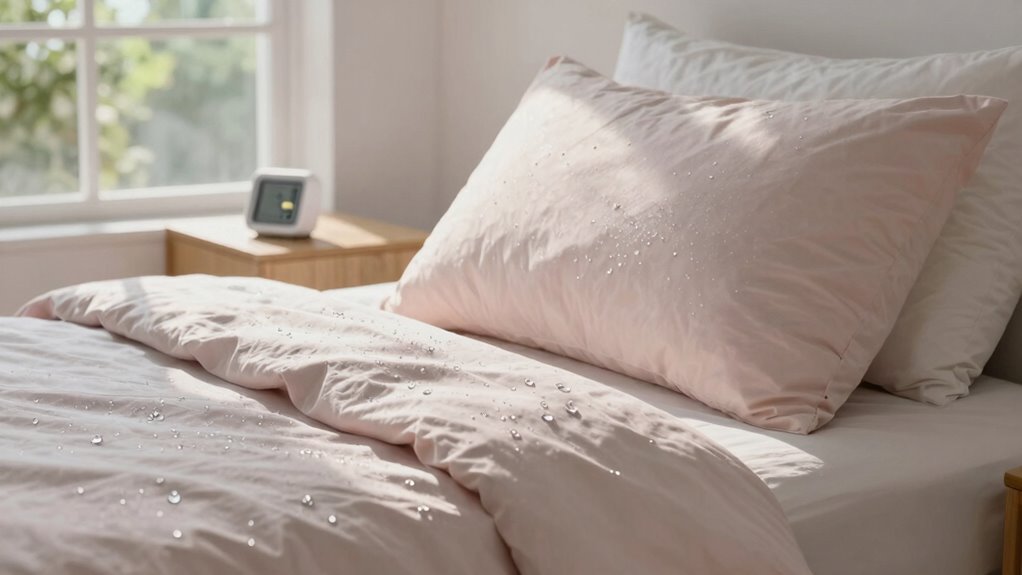
Have you ever wondered how humidity affects your comfort? It’s a subtle factor that influences more than just how you feel; it impacts indoor air quality, health, and even your sleep. Humidity levels fluctuate with the seasons, creating seasonal variations that can make your environment feel drastically different throughout the year. During winter, dry air often leads to discomfort, dry skin, and respiratory irritation, while in summer, high humidity can make the air feel heavy and oppressive. These fluctuations can quietly alter your overall comfort without you even realizing it, emphasizing how essential maintaining balanced humidity levels is for a healthy living space.
Indoor air quality suffers when humidity is too high or too low. Excess moisture fosters mold growth, dust mites, and bacteria, all of which can trigger allergies and respiratory issues. When humidity rises during humid seasons, mold can develop unnoticed behind walls or in dark corners, slowly degrading air quality and threatening your health. Conversely, during dry seasons, low humidity can cause airborne particles to become more irritating as they linger longer in the air, exacerbating asthma and allergy symptoms. You might not see these effects immediately, but over time, poor indoor air quality driven by seasonal humidity variations can greatly impact your well-being.
Humid environments also influence your sleep quality. High humidity levels make it harder for your body to cool down at night, leading to restless sleep and frequent awakenings. You may wake up feeling tired or sweaty without understanding why. Conversely, extremely dry air can cause throat irritation, nasal congestion, and dry skin, all of which disturb restful sleep. Managing indoor humidity becomes especially important if you notice these issues intensify during certain seasons. Using a humidifier or dehumidifier helps you maintain ideal levels, typically between 30% and 50%, ensuring the air feels comfortable and your sleep remains undisturbed.
Understanding how seasonal variations influence humidity allows you to take proactive steps to improve indoor air quality and comfort. When winter’s dry air leaves you feeling chapped and your nose stuffy, a humidifier can add moisture. In the summer, a dehumidifier can reduce excess moisture, preventing mold and mildew. By paying attention to these seasonal shifts, you can create a balanced environment that minimizes health risks and enhances your overall comfort. Ultimately, awareness of how humidity subtly impacts your indoor environment empowers you to make better choices for your health and well-being year-round.
As an affiliate, we earn on qualifying purchases.
Frequently Asked Questions
How Does Humidity Affect Skin Hydration Overnight?
Humidity directly impacts your skin hydration overnight. When humidity levels are high, your skin retains more moisture, preventing dryness and promoting overnight moisture. Conversely, low humidity can strip away skin’s natural oils, leading to dehydration and dullness. You’ll notice that comfortable humidity helps maintain your skin’s softness and elasticity, making your skin feel smoother in the morning. Adjusting indoor humidity guarantees your skin stays well-hydrated and healthy while you sleep.
Can Low Humidity Cause Static Electricity Issues?
Yes, low humidity can cause static electricity issues. When the air’s dry, static buildup happens more easily on your skin and clothing. This static charge can lead to annoying shocks and even sparks. Over time, it can cause electrical discharge when you touch metal objects or other people. To reduce this, increase humidity with a humidifier, wear natural fibers, and stay hydrated to minimize static and prevent unexpected shocks.
Does Humidity Influence the Growth of Indoor Plants?
Yes, humidity influences the growth of indoor plants. Maintaining appropriate humidity levels helps guarantee healthy indoor plant growth and prevents issues like leaf browning or mold. When humidity is too low, plants may struggle to absorb water, affecting their overall health. Conversely, high humidity can promote mold growth. To support indoor plant health, aim for balanced humidity that suits your specific plants, usually around 40-60%.
How Quickly Does Humidity Change Impact Comfort Levels?
Ever wondered how quickly humidity fluctuations hit your comfort levels? They can cause noticeable changes within minutes to hours, prompting your body to adapt quickly. Your comfort adaptation process hinges on these fluctuations, which can make the air feel muggy or dry unexpectedly. Sudden shifts challenge your body’s ability to maintain equilibrium, so staying aware of humidity levels helps you adjust quickly, ensuring ongoing comfort and well-being.
Are There Specific Humidity Levels Preferred for Different Climates?
You should aim for ideal comfort by adjusting humidity levels seasonally. In summer, keep humidity between 40-50% to prevent mold and keep cool. In winter, lower it slightly to around 30-40% to reduce condensation and maintain warmth. Different climates require these seasonal adjustments to stay comfortable and healthy. Monitoring humidity helps you customize your environment, ensuring perfect comfort year-round, no matter where you live.
Conclusion
Understanding humidity’s subtle influence means you can enjoy cozy warmth without the dampness that invites mold or disrupts your sleep. While high humidity feels lush, it silently fosters mold growth and restless nights; low humidity offers dry comfort but risks irritation and dryness. Striking the right balance is like walking a tightrope—careful adjustments keep your environment both inviting and healthy. When you tune into humidity’s quiet power, you create a space where comfort and safety walk hand in hand.
Columbus Day / Indigenous Peoples' Day Picks
long weekend sales
As an affiliate, we earn on qualifying purchases.