To nap effectively, choose a supportive, reclining chair with a headrest to help you relax quickly. Set a timer for 10-30 minutes to avoid grogginess and keep your nap short and revitalizing. Dim the lighting or use blackout curtains and a sleep mask to create a calming environment and block out distractions. Maintaining these simple steps will boost your rest quality, and if you keep exploring, you’ll discover even more ways to nap smarter.
Key Takeaways
- Choose reclining or supportive chairs with headrests to promote quick, comfortable naps without neck strain.
- Set a timer for 10-30 minutes to avoid deep sleep stages and reduce grogginess.
- Use blackout curtains, sleep masks, or dim lighting to create a relaxing environment.
- Keep the space quiet with earplugs or white noise to minimize distractions during rest.
- Maintain a cool, clutter-free area to enhance comfort and signal your body it’s time to rest.

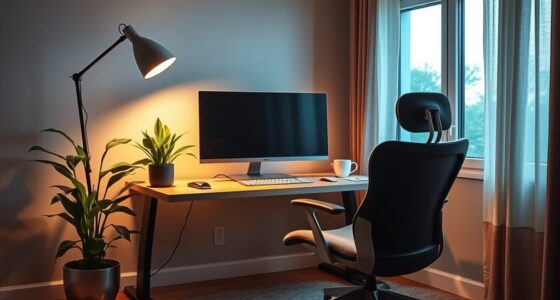
A well-timed nap can boost your energy and sharpen your focus, but only if you do it right. The key lies in setting up a comfortable environment that encourages restful sleep without causing grogginess or disrupting your nighttime routine. First, choosing the right chair or seat matters. You want something that supports your back without forcing you into an awkward position. A reclining chair or a supportive office chair with a headrest can help you relax without putting strain on your neck. The goal is to find a seat that feels cozy yet promotes comfort, so you can drift into a quick sleep without fighting your surroundings.
Timing is critical. Keep your nap between 10 and 30 minutes—anything longer might lead to sleep inertia, leaving you groggy and less alert afterward. Setting a timer is essential to prevent oversleeping. Use a gentle alarm or a smartphone app that keeps track of your nap duration, so you wake up at the most advantageous moment. This way, you avoid entering deep sleep stages, which can make waking up difficult and leave you feeling disoriented.
Lighting plays a surprisingly crucial role in how quickly you fall asleep and how restful your nap is. Bright lights can hinder your ability to relax, so dim the room or use blackout curtains if possible. If you’re in a shared or brightly lit space, consider using a sleep mask to block out visual stimuli. Alternatively, soft, warm lighting can create a calming atmosphere that signals your body it’s time to unwind. Avoid fluorescent or harsh white lights, which can be stimulating rather than soothing.
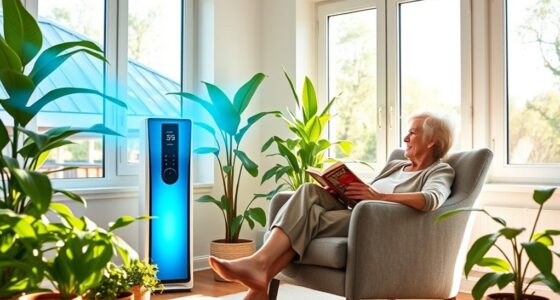
Your environment should be quiet or minimally noisy. If noise is unavoidable, consider using earplugs or white noise machines to block out distractions. The goal is to create a cocoon of calm, where external sounds don’t disturb your rest. Also, keep your environment cool—around 65 to 70 degrees Fahrenheit—to facilitate better sleep. Warm environments can make you restless, while cooler temperatures help you relax faster. Additionally, using a sleep tracker or app can help monitor your rest patterns and improve your napping routine over time.
Finally, your posture and surroundings should support quick, restorative naps. Keep your workspace tidy and avoid clutter, which can subconsciously increase stress. If possible, designate a specific spot for naps, so your body associates that space with rest. By combining proper seating, precise timing, appropriate lighting, and a peaceful environment, you set yourself up for short naps that leave you energized and ready to tackle the rest of your day.
Frequently Asked Questions
How Long Should a Perfect Power Nap Last?
A perfect power nap should last about 10 to 20 minutes. This duration helps you stay in the lighter sleep stages, boosting alertness and focus without making you groggy. If you nap longer, like 30 minutes, you risk entering deep sleep, which can leave you feeling groggy afterward. Keep it short and sweet to recharge effectively, especially during busy days or when you need a quick mental boost.
Can Napping Improve Long-Term Health?
Yes, napping can improve your long-term health. Regular short naps boost your immune system, reduce stress, and improve cardiovascular health. They also enhance memory, focus, and overall mood, which supports your mental well-being over time. By incorporating consistent naps into your routine, you’re helping your body recover, stay resilient, and function better daily, ultimately contributing to a healthier, longer life.
What Types of Chairs Are Best for Naps?
You should choose a recliner, a lounge chair, or an ergonomic office chair for naps. These chairs support your body, promote relaxation, and reduce strain on your neck and back. Look for adjustable features, cushioned seats, and soft armrests to enhance comfort. When you pick the right chair, you’ll find it easier to unwind, recharge, and wake up refreshed—making your naps truly restorative.
How Does Lighting Influence Nap Quality?
Lighting plays a vital role in your nap quality by signaling your body to relax or wake up. Dim, soft lighting helps you fall asleep faster and enhances deep rest, while bright lights can interfere with sleep onset. You should aim for a cozy, dark environment or use blackout curtains and a sleep mask. Adjust lighting to match your desired nap length and make sure you wake up refreshed and energized.
Are There Any Risks Associated With Napping Too Long?
Napping longer than 90 minutes can lead to grogginess and disrupt your nighttime sleep. In fact, studies show that extended naps may cause sleep inertia, leaving you feeling more tired. You risk affecting your circadian rhythm and experiencing difficulty falling asleep at night. So, it’s best to keep naps short—around 20 to 30 minutes—to boost alertness without risking these negative effects.
Conclusion
So, next time you need a quick recharge, remember to choose the right chair, set a timer, and create the perfect lighting. Think of it as your own secret weapon—your personal Bat-Signal—to boost energy and stay sharp. Don’t forget, even as you embrace modern tricks, a good nap can still feel like a slice of the good old days. Now, go on, power down like a true productivity ninja!