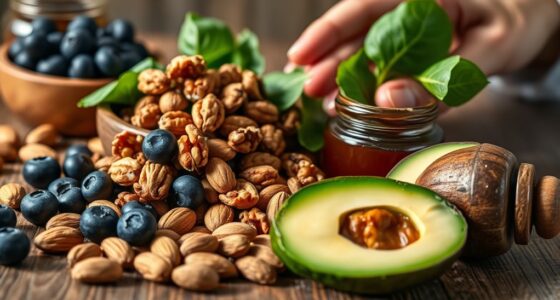

A high-fiber diet supports your digestive health by fueling your gut bacteria and promoting fermentation. This process produces beneficial SCFAs that help regulate inflammation, strengthen your gut barrier, and improve bowel regularity. Eating a variety of fiber-rich foods like whole grains, fruits, and vegetables encourages a diverse microbiota, which enhances digestion and overall well-being. Exploring how to incorporate more fiber into your meals can make a real difference—keep going to discover more tips.

Turn the school run and nap time into listening time
- Thousands of audiobooks, podcasts and originals
- Listen on your phone, tablet or Echo — also offline
- Cancel anytime
Key Takeaways
- Incorporate a variety of fiber-rich foods like whole grains, fruits, vegetables, nuts, and seeds to support gut health.
- Gradually increase fiber intake to enhance microbiota diversity and prevent digestive discomfort.
- Fiber fermentation produces SCFAs that nourish gut cells, reduce inflammation, and promote regular bowel movements.
- A high-fiber diet boosts gut microbiota resilience, improving digestion and lowering risks of chronic diseases.
- Consistent fiber consumption supports overall digestive harmony, immune function, and long-term health.
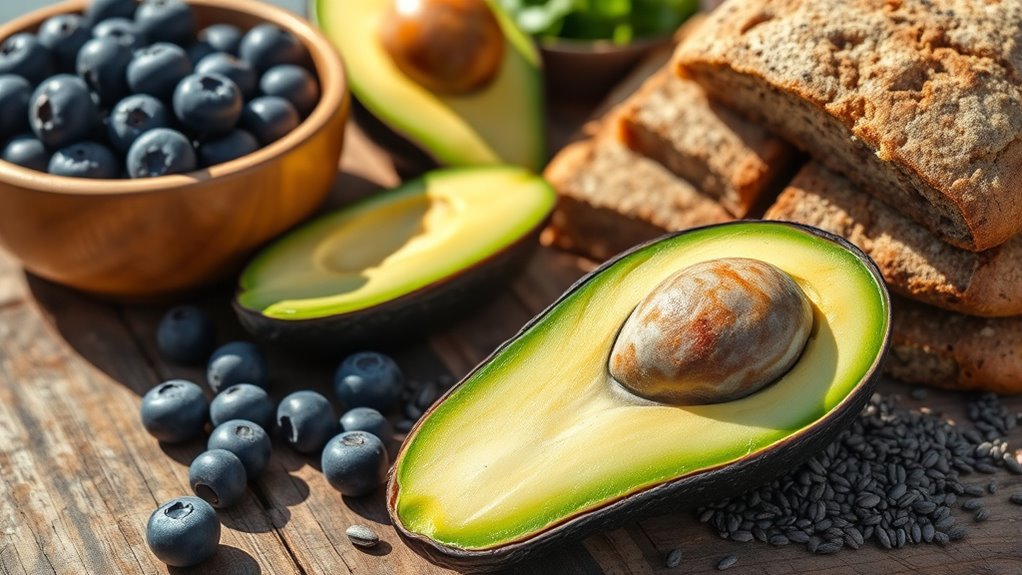
Have you ever wondered how increasing your fiber intake can improve your health? It’s a great question, because fiber plays a crucial role in maintaining your digestive system. When you eat more fiber, especially from fruits, vegetables, whole grains, and legumes, you’re providing your gut with the fuel it needs for fiber fermentation. This process is essential for supporting your gut microbiota—the trillions of microorganisms living in your intestines. These tiny residents help digest food, produce beneficial compounds, and keep harmful bacteria in check. By feeding your gut microbiota with fiber, you promote a diverse and balanced microbial community that’s vital for good digestion and overall health.
Fiber fermentation occurs when gut bacteria break down certain types of fiber that your body can’t digest on its own. As bacteria ferment these fibers, they generate short-chain fatty acids (SCFAs) like acetate, propionate, and butyrate. These SCFAs are more than just byproducts—they serve as energy sources for your intestinal cells, help regulate inflammation, and strengthen your gut barrier. When your gut microbiota efficiently ferments fiber, it can lead to improvements in bowel regularity, reducing the chances of constipation and promoting soft, formed stools. Plus, SCFAs have systemic benefits, such as supporting immune function and potentially lowering the risk of chronic diseases like diabetes and heart disease. A diverse microbiota is also linked to healthier metabolic processes that can prevent various ailments.
The more diverse your gut microbiota, the better your body can process fiber. Eating a variety of fiber-rich foods introduces different types of fibers that feed different bacterial species. This diversity helps your microbiota stay resilient and adaptable, which is key for optimal fiber fermentation. As your microbiota becomes more robust, you may notice less bloating, fewer digestive discomforts, and more regular digestion. Moreover, a healthy gut microbiota can influence your overall well-being by affecting mood, energy levels, and even weight management.
To maximize these benefits, aim to include a broad spectrum of fiber sources in your diet. Incorporate whole grains like oats and brown rice, a colorful array of vegetables, fruits, nuts, and seeds. Remember, increasing fiber intake gradually allows your gut microbiota to adapt without causing discomfort. By nurturing your gut microbiota through fiber fermentation, you’re not just improving your digestion—you’re supporting your entire body’s health from the inside out. So, make fiber a priority in your daily meals and enjoy the long-term benefits of a healthier, happier digestive system.
As an affiliate, we earn on qualifying purchases.
Frequently Asked Questions
Can High-Fiber Diets Cause Bloating or Gas?
Yes, high-fiber diets can cause bloating or gas because fiber fermentation by your gut microbiota produces gases. When you suddenly increase fiber intake, your gut bacteria work harder, leading to more gas and bloating. To minimize discomfort, introduce fiber gradually, stay hydrated, and choose a variety of fiber sources. Over time, your gut microbiota adjusts, and these symptoms often decrease as your digestive system adapts.
How Much Fiber Should I Consume Daily?
Think of your daily fiber intake like filling a jar; aim for about 25 grams for women and 38 grams for men. You should get this from various fiber sources like fruits, vegetables, whole grains, and legumes. Stick to these daily recommendations to support digestion and overall health without overdoing it. Remember, gradually increase your fiber intake to avoid discomfort and let your body adapt smoothly.
Are There Risks for People With Certain Digestive Conditions?
If you have digestive sensitivity or specific conditions like Crohn’s disease or diverticulitis, you might need fiber restriction to prevent flare-ups. Too much fiber can cause bloating, cramps, or blockages. Always consult your doctor before changing your fiber intake. They can recommend a tailored plan that minimizes risks, ensuring you get the right amount of fiber without aggravating your digestive issues.
Which High-Fiber Foods Are Best for Sensitive Stomachs?
You might wonder which high-fiber foods suit sensitive stomachs, and the answer lies in FODMAP content and food prep. Low-FODMAP options like oats, bananas, and carrots are gentle choices, especially when prepared properly—soaking, cooking, or peeling can reduce irritation. Pay close attention to your body’s responses, and gradually introduce these foods to avoid surprises. With careful selection and preparation, you can enjoy fiber without discomfort.
Can Fiber Supplements Replace Dietary Fiber Intake?
Fiber supplements can’t fully replace dietary fiber sources, though they’re often seen as a quick fix. Many fiber supplement myths suggest they’re just as effective, but whole foods provide additional nutrients and benefits your body needs. You should aim to include a variety of fiber-rich foods in your diet, like fruits, vegetables, and whole grains, to support your digestive health better than relying solely on supplements.
Conclusion
Embracing a high-fiber diet is like planting seeds for a thriving garden inside you. As you nourish your digestive system with fiber-rich foods, you’re cultivating a landscape of health and vitality. Every bite becomes a brushstroke in the masterpiece of your well-being. So, take charge, and let fiber be your guiding compass on this journey toward comfort and balance. With each meal, you’re building a stronger, more resilient foundation beneath your body’s natural harmony.
Halloween Picks
halloween
As an affiliate, we earn on qualifying purchases.