The key to easier cooking is mastering your kitchen workflow by planning and organizing thoroughly. Start with ingredient prep—gather, wash, chop, and measure everything ahead of time—to avoid last-minute scrambling. Arrange your workspace to keep tools and ingredients within reach, and develop a consistent sequence of steps that match cooking times. Visualize each stage before starting, so you can move smoothly from prep to cook phases. Keep your space tidy and develop a rhythm—you’ll find cooking becomes more natural and enjoyable as you put these rules into practice.
Key Takeaways
- Plan and prepare ingredients in advance to streamline the cooking process and reduce last-minute chaos.
- Understand and optimize your kitchen workflow for a smooth, logical sequence of tasks.
- Coordinate cooking steps to match ingredient readiness and minimize waiting time.
- Visualize each step beforehand to enhance focus and prevent unnecessary interruptions.
- Keep your workspace organized and clutter-free to develop a natural, efficient rhythm.
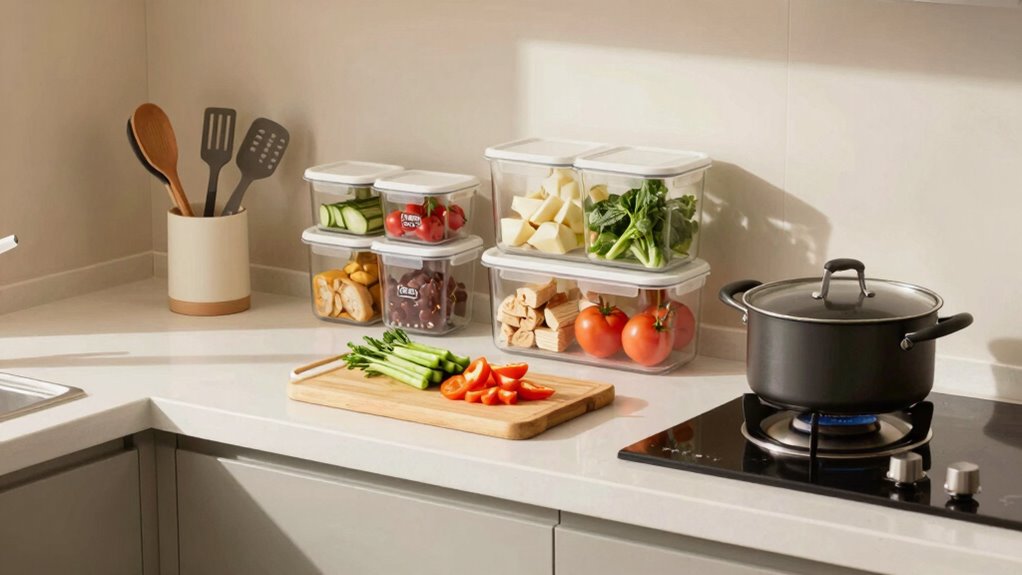
In any busy kitchen, mastering the workflow rule can make all the difference between chaos and efficiency. This rule emphasizes that you should plan your tasks carefully, focusing on ingredient prep and timing coordination. When you approach cooking with this mindset, you’ll find that everything flows smoothly, and the process becomes less stressful and more enjoyable. The key is to start with ingredient prep—gathering, washing, chopping, and measuring everything before you turn on the stove. When you prep ingredients in advance, you prevent last-minute scrambling, which can throw off your entire timing. It also helps you see exactly what you have, so you’re not caught off guard or wasting time searching for items mid-cook. Additionally, understanding kitchen workflow can help you optimize your space and sequence tasks more effectively. Developing a consistent routine can also boost your confidence and speed in the kitchen, making cooking feel more natural and less like a chore. Recognizing the importance of food safety ensures that your prepped ingredients remain fresh and free of contamination throughout the process.
Timing coordination is equally vital. Once your ingredients are prepped, you need to plan out the sequence of steps so that everything cooks at just the right moment. For example, if you’re making a stir-fry, you want to have your vegetables sliced and your sauce ready before heating the pan. This means you can add ingredients in a logical order, avoiding overcooking or undercooking any component. When you synchronize your actions, you cut down on waiting around or rushing to finish everything at once. It’s all about understanding how long each step takes and adjusting your tasks accordingly.
You might find it helpful to mentally walk through the recipe before you start cooking. Visualize each step, including ingredient prep and cook times, so you can allocate your attention efficiently. For instance, while the rice is boiling, you can quickly prepare the vegetables and meat. As one element finishes, you seamlessly move on to the next without pause or confusion. This coordination minimizes downtime and keeps your workflow steady. Practicing this mindset regularly can also lead to better kitchen organization, allowing you to set up your space in a way that supports your workflow.
Another tip is to work in an organized, clutter-free space. When your workspace is tidy, you can move swiftly from prep to cooking without unnecessary detours. Keep your tools and ingredients within reach, so you don’t waste time searching for a spatula or spice jar. As you develop this rhythm, you’ll notice a significant difference in how much more relaxed and confident you feel while cooking. Ultimately, by prioritizing ingredient prep and perfecting your timing coordination, you streamline your process, making cooking less of a chore and more of an enjoyable, confident activity.
meal prep containers with compartments
As an affiliate, we earn on qualifying purchases.
As an affiliate, we earn on qualifying purchases.
Frequently Asked Questions
How Do I Adapt the Workflow Rule for Small Kitchens?
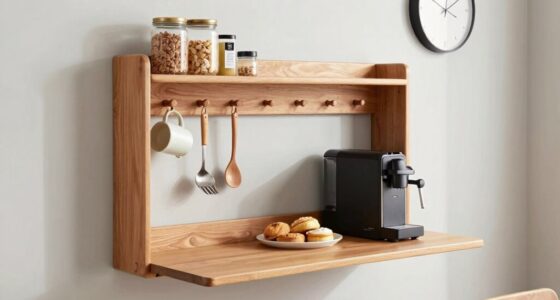
To adapt the workflow rule for small kitchens, focus on space optimization and ingredient prep. Keep frequently used tools within easy reach, and organize ingredients by prep stage, so you’re not wasting space searching for items. Use vertical storage solutions, like wall-mounted racks, to free up counter space. Pre-portion ingredients in advance to streamline cooking and minimize clutter, making your small kitchen more efficient and less stressful.
What Tools Best Support This Workflow Rule?
To support this workflow rule, you should invest in tools that streamline ingredient preparation and storage organization. Use sharp knives and easy-to-clean cutting boards to speed up prep work. Shelving units, clear storage containers, and labeling systems help keep ingredients organized and accessible. Consider using drawer organizers and stackable bins to maximize space. These tools make it easier to stay efficient, reduce clutter, and maintain a smooth cooking process.
Can This Rule Be Applied to Baking Specifically?
Yes, you can definitely apply this workflow rule to baking. Focus on efficient ingredient preparation and organized baking techniques. Gather all your ingredients beforehand, measure precisely, and set everything within reach. This approach minimizes disruptions, helps you stay focused, and makes baking more enjoyable. By streamlining your process, you’ll find it easier to follow recipes and achieve consistent results, turning baking into a smoother, more satisfying experience.
How Long Does It Take to Implement This Workflow?
It usually takes just a few minutes to implement this workflow, especially if you’ve already prepared your ingredients. Begin by organizing your ingredient prep and setting clear timing strategies. You’ll find that with practice, these steps become quicker, making cooking feel smoother and more efficient. As you get used to the process, you’ll naturally reduce prep time, allowing you to focus more on enjoying your cooking experience.
Are There Common Mistakes to Avoid With This Rule?
Yes, you should avoid common mistakes like neglecting ingredient organization and sacrificing timing precision. If you don’t organize ingredients properly, you’ll waste time searching and disrupt your workflow. Similarly, ignoring timing can lead to overcooked or undercooked dishes. To stay efficient, plan ahead, keep ingredients within reach, and use timers to maintain perfect timing. This helps guarantee a smoother cooking process and better results.
Conclusion
By following the kitchen workflow rule, you simplify your cooking, streamline your process, and boost your confidence. When you organize your space, plan your steps, and stay focused, cooking becomes less stressful, more efficient, and genuinely enjoyable. Remember, a well-structured kitchen leads to smoother meals, fewer mistakes, and more time to savor your creations. Embrace this rule, apply it consistently, and watch how your cooking transforms from chaos to clarity, from effort to ease.